
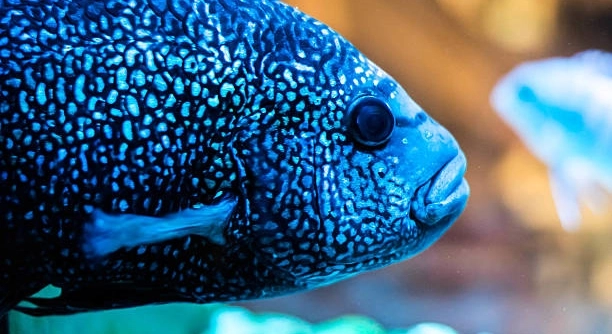
Have you ever noticed your Jack Dempsey fish spending extra time near a plant in the aquarium? These colorful fish are known for their bold personalities and territorial instincts, which can influence how they interact with their surroundings.
Jack Dempsey fish may guard plants as part of their territorial behavior. This protective action ensures they maintain dominance, secure potential shelter, and preserve a safe environment. Such guarding is a natural characteristic observed in many cichlid species.
Observing this behavior helps understand their needs, improve tank arrangements, and maintain harmony in the aquarium while supporting the fish’s natural instincts.
Understanding Territorial Behavior
Jack Dempsey fish are naturally territorial, especially when they feel their space is being threatened. In an aquarium, a plant can become part of their claimed area, prompting them to guard it. This behavior is not aggressive without reason; it is a way for them to maintain order and security. When a fish stakes out a spot, it may circle, hover, or even nudge objects to mark the area. Plants offer both cover and a sense of safety, which is why these fish often focus on them. Over time, the guarding becomes a routine part of their daily activity. Tank mates may be kept at a distance, and the fish may patrol the plant during feeding times or when new objects are added. Understanding this instinct helps in arranging the aquarium thoughtfully to reduce stress and ensure each fish has a comfortable space.
This guarding helps maintain balance in the tank and keeps the fish confident in its environment.
Observing the behavior reveals a lot about the fish’s comfort levels. When a plant is guarded, it usually means the fish feels secure, and the surrounding area is suitable for its needs. Overcrowding or sudden changes can increase territorial displays. Knowing this helps in choosing plants and decorations that will be respected but not overly contested. Proper spacing between plants and hiding spots can reduce constant guarding. Monitoring interactions with other fish ensures no one is overly stressed, maintaining harmony. Guarding can also signal readiness to breed, as fish often protect sites suitable for laying eggs. In this way, the behavior serves multiple purposes, from safety to reproduction, showing the complexity of their instincts in a home aquarium setting.
Choosing the Right Plants
Not all plants are equally attractive to Jack Dempsey fish.
When selecting plants, consider durability and placement. Hardy species with strong roots withstand patrolling and occasional digging. Taller or broader leaves provide cover, which encourages natural behaviors without causing damage. Floating plants or those anchored at the tank edges allow the fish to patrol without constant interference. Arranging plants with spacing helps the fish establish a territory without crowding others. Avoid delicate or slow-growing plants if the goal is to minimize damage from guarding behaviors. Observing which areas the fish favors can guide future plant placement. This approach supports both the health of the plants and the comfort of the fish. Proper selection creates a balanced environment where territorial instincts are expressed safely, enhancing the aquarium’s overall stability and appearance.
By choosing resilient plants and thoughtful layouts, you can accommodate natural guarding behavior. This reduces stress for all fish and promotes a healthier, more visually appealing aquarium. Plants become functional parts of the habitat, offering hiding spots, breeding areas, and boundaries for territorial displays. Observing how the fish interacts with different plants helps refine placement and selection over time. Adjusting spacing and density ensures that the fish can patrol comfortably while tank mates have enough room to move freely. Even with guarding tendencies, a well-planned plant arrangement allows coexistence and encourages natural behaviors without damage or conflict. The aquarium then becomes an organized, balanced space that satisfies both the fish’s instincts and the aesthetic needs of the tank.
How Guarding Affects Other Fish
Guarding behavior can create tension with tank mates. Some fish may avoid the area entirely, while others may be challenged. This territorial display is strongest around favored plants or hiding spots, influencing movement and feeding patterns. Understanding these interactions helps maintain harmony in a shared tank.
Territorial behavior affects daily routines and the overall dynamic in the aquarium. Jack Dempsey fish often patrol their chosen plant, chasing or nudging smaller fish that approach. This can limit access to certain areas, making it important to provide multiple hiding spots and sufficient space. Overcrowded tanks amplify guarding, so careful arrangement of plants and decorations is necessary to reduce stress and aggression. Observing behavior helps determine if adjustments in layout or stocking density are needed. Providing boundaries and visual barriers allows all fish to feel secure while minimizing confrontations.
While guarding may seem intense, it is a natural behavior that reflects the fish’s instincts. Monitoring how often and how aggressively the fish patrols the plant provides insight into their comfort levels. Interventions, such as rearranging tank elements or adding additional plants, can help reduce conflict. Recognizing these patterns ensures that the aquarium remains a safe and balanced environment for all its inhabitants. Guarding also indicates the fish feels at home, marking a healthy connection with its surroundings.
Feeding and Plant Protection
Jack Dempsey fish may protect plants more aggressively during feeding times.
Feeding can intensify guarding because fish associate territory with resources. They may chase intruders away from plants near food or hover over the area during meals. Timing and placement of feeding can influence this behavior, helping to minimize conflicts. By distributing food evenly and providing multiple feeding zones, the fish are less likely to focus solely on one plant. Observing how guarding coincides with feeding reveals patterns that allow for strategic adjustments. Small changes, like feeding near the tank edges or introducing sinking pellets, can reduce the focus on a single plant and lower stress levels.
Adjusting feeding routines supports the natural guarding behavior while preventing excessive aggression. Multiple feeding spots allow all fish access to food without triggering territorial disputes. Using varied food types and locations encourages movement and reduces monopolization of a single area. Watching interactions during feeding times can highlight which plants are most protected and inform future tank arrangements. Guarding is part of the fish’s instinct, but careful planning ensures it does not negatively affect the rest of the aquarium. This approach balances safety, nutrition, and social harmony for every fish.
Signs a Plant Is Being Guarded
A Jack Dempsey guarding a plant will often circle it continuously. They may nudge, push, or hover over the plant, keeping other fish away. This behavior is most visible during feeding or when new tank decorations are added.
The fish may also dig around the base of the plant. This is a way to reinforce the territory and ensure the area feels secure. Guarding can include sudden lunges or quick movements toward intruders. Recognizing these signs helps in adjusting tank layout or plant placement to reduce stress for all inhabitants.
Choosing Resilient Plants
Hardy plants like Anubias, Java Fern, or Amazon Sword withstand digging and nudging. These plants tolerate the fish’s protective behavior without damage. Their strong roots and leaves provide cover while remaining intact despite repeated guarding or patrolling in the aquarium.
Minimizing Aggression
Spacing plants properly and adding hiding spots for other fish reduces constant guarding. It creates boundaries and lowers stress.
FAQ
Why does my Jack Dempsey guard a single plant more than others?
Jack Dempsey fish often choose a plant that offers the best cover or feels most secure. The plant may be near a hiding spot, at a favored corner, or have leaves and roots that create a sense of shelter. Guarding a single plant is instinctive, helping the fish feel safe in its environment.
Is guarding behavior a sign of stress or illness?
Guarding is usually natural and not a sign of illness. Healthy Jack Dempsey fish display territorial behavior when they feel secure and confident. Stress or illness typically shows through lethargy, loss of color, or erratic swimming, rather than consistent patrolling of a plant.
Can other fish coexist with a Jack Dempsey guarding a plant?
Yes, but tank setup matters. Providing multiple hiding spots and arranging plants with spacing helps reduce conflicts. Tank mates that are fast, peaceful, or occupy different levels of the tank are less likely to be bothered. Monitoring interactions ensures harmony.
Will guarding harm the plant?
Guarding may involve nudging or digging around the plant’s base, which can disturb roots or soil. Choosing hardy plants with strong roots and leaves prevents long-term damage. Arranging multiple plants spreads activity and reduces focus on one single plant.
Does guarding indicate breeding behavior?
Sometimes. Jack Dempsey fish may guard areas with suitable plants when preparing to spawn. They seek secure spots to lay eggs, and heightened guarding can indicate readiness to reproduce. Observation of pairing or nest preparation confirms breeding intentions.
How can I reduce aggressive guarding behavior?
Providing additional plants, decorations, and visual barriers helps limit constant patrolling. Feeding in multiple locations, using sinking food, and spacing plants appropriately reduces stress and decreases focus on a single area. These small adjustments balance territory and tank dynamics.
Is it normal for Jack Dempsey fish to chase tank mates around a guarded plant?
Yes, chasing is part of natural territorial behavior. The fish is protecting its chosen area. While it may seem aggressive, it usually does not cause harm if tank mates have room to avoid the territory and access to their own spaces.
Do Jack Dempsey fish guard artificial decorations the same way?
They can. Any object that creates a secure spot—rocks, caves, or artificial plants—may become a guarded area. Guarding is about territory, not the plant itself. Observing where they focus can help in arranging decorations strategically to prevent conflict.
How long does guarding behavior last?
Guarding may continue as long as the plant is part of the fish’s preferred territory. Some fish patrol daily for short periods, while others may remain vigilant for hours. Over time, establishing boundaries and providing additional structures can reduce constant guarding without affecting the fish’s instincts.
Can guarding behavior be redirected?
Yes. Introducing new plants, rearranging the tank, or providing alternate hiding spots can shift focus. Feeding strategies, like distributing food evenly, help prevent the fish from concentrating solely on one plant. Observation is key to ensuring changes are effective and safe.
Does plant guarding affect feeding behavior?
Guarding can coincide with feeding, as fish may see a plant near food as part of their territory. By offering multiple feeding areas and distributing food, the fish can remain territorial without monopolizing one spot, ensuring other fish can feed safely.
Are younger Jack Dempsey fish less likely to guard plants?
Juveniles may show less pronounced territorial behavior. Guarding often becomes more evident as the fish matures and feels confident. Early observation of preferences can guide tank setup to accommodate future territorial instincts.
Does water quality impact guarding behavior?
Indirectly. Poor water conditions can increase stress and aggression, making territorial behavior more intense. Maintaining clean, stable water parameters reduces unnecessary tension and helps fish display natural, balanced behaviors without excessive guarding.
Should I separate a fish that guards aggressively?
Separation is only needed if guarding causes injury or severe stress to tank mates. Often, adjustments in tank layout, plant placement, and feeding locations are enough to manage aggression while keeping the fish in the main aquarium.
Can guarding behavior ever stop?
Guarding rarely disappears entirely, as it is instinctual. However, with proper tank management, it can be reduced to non-disruptive levels. Providing enough space, hiding spots, and multiple plants allows the fish to express instincts safely while coexisting with others.
What signs indicate the plant is suitable for guarding?
Plants with sturdy roots, thick leaves, and ample coverage are ideal. A plant that remains healthy despite nudging or digging indicates it can withstand the fish’s natural behavior. Observing plant condition helps in choosing species that endure territorial activity.
Does tank size affect guarding intensity?
Smaller tanks can amplify territorial behavior due to limited space. Larger tanks allow fish to patrol areas without constant interference with others. Providing ample room reduces stress and creates a more balanced environment for multiple inhabitants.
Are some Jack Dempsey fish more territorial than others?
Yes, individual temperament varies. Some fish are naturally more dominant and assertive, while others are calmer. Understanding each fish’s personality helps anticipate guarding tendencies and guides plant placement and tank organization.
How do seasonal or environmental changes affect guarding?
Changes in light, temperature, or water flow can influence activity. Some fluctuations may make the fish more alert and protective of territory. Consistent conditions help maintain stable behavior while still allowing natural instincts to be expressed.
Can tank decorations help manage guarding?
Yes. Rocks, caves, and visual barriers create additional territory boundaries. This spreads activity and reduces focus on a single plant. Thoughtful placement of decorations supports natural behavior while minimizing stress for all tank inhabitants.
Does guarding behavior indicate happiness or comfort?
Often, yes. Guarding a plant shows the fish feels secure and confident in its environment. When balanced with proper space, food, and hiding spots, this instinct reflects a healthy connection to the aquarium habitat.
How often should I monitor a guarded plant?
Regular observation ensures the plant remains healthy and that the fish’s behavior does not negatively affect others. Watching interactions during feeding and daily activity provides insights into territorial intensity and allows timely adjustments.
Can adding more plants reduce stress for the Jack Dempsey?
Yes. Multiple plants create secondary territories and reduce conflict. The fish can express guarding behavior without constant pressure on a single area, resulting in a calmer, more balanced aquarium environment.
Is guarding behavior unique to Jack Dempsey fish?
No, many cichlid species display similar territorial instincts. However, Jack Dempsey fish are particularly noticeable due to their bold personality, vivid coloring, and active patrolling of chosen areas. Observing these behaviors provides insight into species-specific needs and preferences.
Does guarding affect breeding success?
Properly managed guarding can support breeding by providing secure areas for egg-laying. Excessive aggression, however, can stress partners or other fish. Balancing territory, space, and plant placement ensures optimal conditions for reproduction while maintaining harmony.
Can guarding behavior be influenced by diet?
Indirectly. A well-fed fish may be less aggressive around plants than one competing for food. Feeding consistently and providing sufficient nutrition reduces territorial disputes over resource-rich areas and encourages calmer behavior.
How do I know if guarding is excessive?
Excessive guarding is evident if tank mates are constantly chased, stressed, or injured. It may also show if the fish patrols for unusually long periods without resting. Adjusting layout, adding plants, or separating fish temporarily can mitigate these issues.
Are floating plants affected differently than rooted plants?
Yes. Floating plants are less disturbed because they are not anchored. Rooted plants may experience digging or nudging. Choosing hardy, rooted species or supplementing with floating varieties helps balance guarding behavior with plant health.
Can water flow influence plant guarding?
Moderate water flow encourages natural swimming and may redirect attention away from a single plant. Strong currents or stagnant areas can either heighten guarding or concentrate it on specific spots. Monitoring flow ensures behavior remains balanced and predictable.
Should I worry about long-term tank damage from guarding?
With proper plant selection and arrangement, long-term damage is minimal. Hardy plants, multiple hiding spots, and careful monitoring prevent wear and tear, allowing both fish and plants to thrive in the aquarium without significant issues.
How does tank lighting impact guarding behavior?
Bright lighting can make territorial behavior more visible and may increase activity around favored plants. Dim or balanced lighting reduces stress and creates a calmer environment, though natural instincts for guarding remain present.
Is guarding more common in male or female Jack Dempsey fish?
Males typically show stronger territorial instincts, but females can also guard plants, especially during breeding. Observing both sexes helps in understanding behavior patterns and arranging the tank to accommodate territorial needs.
Can changing tank decor redirect guarding without stressing the fish?
Yes. Gradual changes, like moving plants or adding new decorations, can shift focus. Doing this slowly ensures the fish adapts without heightened aggression or stress, maintaining harmony in the aquarium.
Does the age of the plant affect guarding behavior?
Older, well-established plants are more likely to become focal points for guarding because they provide stable cover. Younger or fragile plants may not attract attention until they mature and offer adequate shelter.
Are there signs that a fish is unhappy despite guarding?
Yes. Constant darting, loss of appetite, or color fading indicate stress. Guarding alone is not a negative sign, but combined with these behaviors, it suggests the fish’s environment needs adjustment to restore comfort.
How can I encourage natural guarding while protecting other fish?
Strategic plant placement, multiple territories, and sufficient space balance natural behavior with safety. Feeding routines, hiding spots, and resilient plant species support instincts while maintaining harmony in a shared tank.
Does temperature affect guarding intensity?
Yes, warmer water can increase activity and territorial displays. Maintaining stable temperatures within species-appropriate ranges prevents unnecessary aggression while allowing natural guarding to occur at moderate levels.
How do I know if my plant is being overly disturbed?
Signs include uprooted soil, bent leaves, or repeated nudging at the base. Choosing hardy plants and monitoring activity ensures the fish can guard without causing significant plant damage.
Can guarding behavior indicate hierarchy among tank mates?
Yes. Territorial displays often establish dominance and social order. Observing interactions provides insight into the pecking order, helping manage tank population and placement for minimal conflict.
Is occasional guarding normal even in peaceful tanks?
Yes. Even in calm aquariums, Jack Dempsey fish will defend favored areas. Providing space and proper layout ensures this behavior remains natural without escalating into aggression.
How often should I rearrange plants to manage guarding?
Only as needed. Frequent changes may stress the fish. Gradual adjustments based on observation of activity, interactions, and plant condition are most effective for maintaining balance.
Can other species trigger guarding?
Yes. Fast, curious, or visually striking fish may provoke more frequent patrolling. Understanding tank mate behavior helps reduce triggers and maintain a peaceful environment.
Are there signs that guarding is beneficial for the fish?
Guarding shows confidence, comfort, and engagement with the environment. Fish that guard plants appropriately are often healthy, active, and display natural behaviors, indicating a well-adjusted aquarium habitat.
Does plant type influence guarding intensity?
Yes. Plants that provide cover, strong roots, or areas for hiding are more likely to be guarded intensely. Delicate plants are less attractive, and their fragility may discourage constant patrolling.
Can introducing new fish change guarding behavior?
Yes. New arrivals may increase patrolling or chasing as the Jack Dempsey reasserts its territory. Adequate space, visual barriers, and monitoring reduce tension while allowing all fish to coexist.
Is guarding behavior stronger in breeding season?
Yes. During breeding, territorial instincts intensify to protect potential nesting sites. Plants with cover are especially defended, and behavior may include increased chasing or patrolling around selected areas.
How do I prevent stress for tank mates near a guarded plant?
Provide additional hiding spots, evenly spaced plants, and multiple feeding areas. Observing interactions ensures that territorial behavior remains manageable and safe for all fish.
Does the shape of a plant affect guarding?
Yes. Plants with broad leaves or dense cover are more likely to attract attention. The structure offers shelter, security, and perceived ownership, encouraging guarding behavior in Jack Dempsey fish.
Can water changes impact guarding behavior?
Significant or sudden changes can trigger temporary heightened guarding. Gradual water changes maintain stability, reducing stress and preventing excessive territorial displays while supporting natural instincts.
Is it normal for guarding to increase with tank size reduction?
Yes. Limited space amplifies territorial behavior, making a single plant more contested. Proper spacing, additional plants, and hiding spots are critical in smaller tanks to reduce conflicts.
How do I know if guarding is excessive during feeding?
If the fish consistently blocks others from eating or aggressively chases multiple tank mates, adjustments are needed. Feeding in multiple locations and offering varied food types help distribute focus.
Can guarding behavior indicate overall fish health?
Yes. Active guarding, vibrant color, and consistent patrolling usually indicate a healthy, confident fish. Lethargy, dull color, or erratic movement alongside guarding may signal stress or illness, requiring attention.
Does adding more plants always reduce guarding?
Not always. While additional plants create alternative territories, some fish may still focus on a favorite plant. Observation and layout adjustments are key to balancing behavior and tank harmony.
Can lighting adjustments help manage guarding?
Moderate lighting reduces stress and prevents heightened territorial activity caused by bright, intense illumination. Adjusting light levels can subtly influence patrolling frequency without affecting natural instincts.
How can I observe guarding without disturbing the fish?
Watch from a distance and avoid tapping the tank or sudden movements. Recording behavior during feeding and daily routines provides insight into natural patterns without causing stress.
Are there long-term benefits to allowing guarding behavior?
Yes. Guarding supports natural instincts, provides mental stimulation, and encourages confident behavior. When managed properly, it contributes to overall fish well-being and helps establish a stable aquarium environment.
Does water hardness or pH affect guarding?
Indirectly. Optimal water parameters keep the fish healthy and calm. Poor conditions may heighten stress and aggression, increasing guarding intensity beyond natural levels. Stable water chemistry supports balanced behavior.
Can aggressive guarding be managed without separating the fish?
Yes. Strategic plant placement, multiple hiding spots, and evenly distributed food reduce excessive territorial displays. Observation and gradual adjustments maintain harmony without the need for separation.
Is guarding more common in certain tank setups?
Yes. Tanks with limited cover, sparse plants, or fewer hiding spots often see increased guarding. Providing structured layouts, adequate space, and resilient plants reduces constant territorial behavior.
How do I maintain plant health despite guarding?
Choose hardy species, provide sufficient substrate, and monitor digging behavior. Rotating plants or reinforcing roots ensures they withstand nudging or patrolling without long-term damage.
Does guarding indicate intelligence in Jack Dempsey fish?
Partially. Territorial behavior reflects instinctual awareness, environmental assessment, and resource protection. Guarding demonstrates the fish’s ability to interact with its surroundings intelligently while maintaining safety.
Can frequent guarding lead to injury among tank mates?
Only if space is limited or hiding spots are insufficient. Proper layout, multiple plants, and careful monitoring prevent aggressive encounters, ensuring safety for all fish while allowing natural behavior.
How does plant density affect guarding behavior?
Higher density can diffuse focus, reducing intensity on a single plant. Sparse arrangements may intensify guarding as the fish has fewer areas to patrol. Observing interactions helps find the right balance.
Can a Jack Dempsey switch the plant it guards?
Yes. Changes in tank layout, plant growth, or new hiding spots may cause the fish to choose a different plant. Flexibility in plant arrangement accommodates this natural behavior without stress.
Is guarding behavior different in community tanks versus single-species tanks?
Yes. Community tanks often require more careful plant placement and space management. Single-species tanks may see more freedom in patrolling, as territorial disputes are more predictable and easier to manage.
How often should I check plant health in a guarded area?
Weekly observation is sufficient. Look for uprooted roots, bent leaves, or signs of stress. Early detection allows adjustments to protect both plant and fish well-being.
Can strong water currents reduce guarding intensity?
Moderate currents can encourage swimming and exploration, which may divert attention from a single plant. Strong currents, however, can stress fish and inadvertently increase territorial displays. Balanced flow is key.
Does tank substrate type influence guarding?
Yes. Loose sand or gravel may be dug up during guarding, while heavier substrate stabilizes plant roots. Choosing an appropriate substrate reduces plant disturbance while allowing natural territorial behavior.
Can guarding behavior be predicted by observing juveniles?
Partially. Early tendencies, like preference for specific hiding spots or patrolling behavior, may indicate future territorial habits. Observation helps in planning plant placement and tank structure.
Does the number of fish in a tank affect guarding?
Yes. Overcrowding increases competition and intensifies guarding. Adequate space, multiple plants, and hiding spots reduce aggression and allow all fish to coexist comfortably.
Can tank rearrangement trigger new guarding behavior?
Yes. Moving plants or adding decorations can lead the fish to claim new territory. Gradual adjustments prevent excessive stress and allow adaptation to changes.
How does guarding interact with other natural behaviors?
Guarding complements feeding, resting, and breeding instincts. It provides mental stimulation, promotes security, and maintains social structure. Properly balanced, it enhances overall well-being without harming tank mates.
Is guarding behavior unique to Jack Dempsey or common among cichlids?
Common among cichlids, though Jack Dempsey fish display it prominently due to size, color, and assertiveness. Understanding species-specific tendencies guides tank management and plant selection.
Can adding floating plants reduce stress from guarding?
Yes. Floating plants create cover and alternative areas, lowering pressure on rooted plants and allowing tank mates to move freely without triggering aggressive displays.
Does guarding intensity change with tank age?
Yes. As fish mature and establish territory, guarding may increase temporarily. Over time, with adequate space and plant arrangement, intensity stabilizes while allowing natural instincts to continue.
How can I tell if a plant is a permanent guarding spot?
If the fish consistently patrols and defends the plant over weeks, it likely considers it permanent. Monitoring behavior confirms whether the plant is central to territorial instincts.
Does plant height or density affect guarding preference?
Yes. Taller, denser plants provide better cover and are more likely to attract attention. Fish prefer plants that offer security and visual dominance within the aquarium space.
Can rearranging plants reduce conflict among multiple Jack Dempseys?
Yes. Creating separate territories with multiple plants and hiding spots lowers aggressive interactions. Thoughtful arrangement supports coexistence and satisfies natural territorial instincts for each fish.
Is guarding more pronounced in larger fish?
Typically, yes
Jack Dempsey fish guarding plants is a behavior rooted in instinct. It is a natural way for these fish to feel secure and maintain a sense of control over their environment. Plants in an aquarium provide cover, shelter, and a point of reference, making them attractive areas for territorial behavior. Observing a fish patrolling a plant, nudging the base, or hovering nearby is not usually a sign of aggression toward other fish, but rather a demonstration of comfort and confidence. Understanding this instinct is important because it helps in arranging the tank to support both the fish and the plants while minimizing conflict. When a plant is guarded, it often indicates that the fish has found a preferred space where it feels safe and able to interact with its surroundings naturally.
Managing this behavior requires a balance between providing space and allowing natural instincts to be expressed. The placement of plants, hiding spots, and decorations can influence how the fish interacts with its territory. Hardy plants with strong roots and broad leaves are ideal because they can withstand the nudging, digging, or hovering that comes with guarding behavior. Multiple plants distributed throughout the tank give the fish additional areas to explore and claim, which reduces focus on a single plant and helps prevent stress for other fish. Feeding practices also play a role. Offering food in different locations, rather than near the guarded plant, can reduce territorial tension while ensuring all fish have access to nutrition. Tank size and layout influence guarding intensity as well; more space allows for natural patrolling without constant interference with other inhabitants. Observing interactions carefully allows for adjustments that maintain harmony, support natural instincts, and protect plant health.
Overall, plant guarding is a sign of a confident and healthy Jack Dempsey fish. While it can seem intense at times, it reflects natural behaviors that are important for their well-being. By providing suitable plants, arranging the aquarium thoughtfully, and offering multiple hiding spots, the behavior can be expressed safely. Attention to feeding, tank size, and layout helps reduce potential conflicts with other fish while allowing the Jack Dempsey to establish a territory. Guarding also serves as an indicator of comfort and engagement with the environment, showing that the fish feels secure and active. With careful observation and management, both plants and fish can thrive together in the aquarium. This behavior highlights the importance of understanding species-specific instincts and creating a habitat that supports both natural actions and overall harmony within the tank.

Hello,
If you enjoy the content that we create, please consider saying a "Thank You!" by leaving a tip.
Every little bit helps us continue crafting quality advice that supports the health, happiness, and well-being of pets around the world, for pets of all shapes, sizes, and species.
We really appreciate the kindness and support that you show us!