
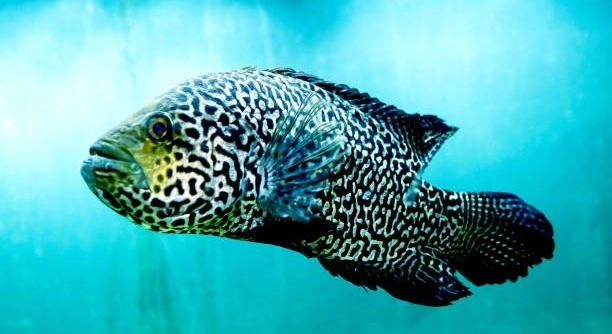
Keeping an aquarium calm can feel challenging when fish show stress or conflict, especially for new hobbyists seeking balance, clarity, and steady routines that support healthy behavior and a more enjoyable viewing experience overall success.
A peaceful tank is maintained by adjusting stocking levels, ensuring compatible species, stabilizing water parameters, providing adequate space, and establishing consistent maintenance practices. These controlled changes reduce stress, limit aggression, and promote natural behaviors, resulting in health, longevity, and stability.
These adjustments create a foundation for harmony, helping aquariums remain calm, visually pleasing, and easier to manage over time consistently.
Balance Fish Compatibility
Fish compatibility plays a major role in maintaining a peaceful tank. Mixing species with different temperaments often leads to stress, hiding, or constant chasing. I have learned that researching adult size, activity level, and natural behavior prevents many issues before they start. Community tanks benefit from fish that occupy different water levels, which reduces competition. Territorial species need clearly defined spaces with plants or decor to establish boundaries. Overstocking also increases tension, even when fish seem calm at first. A balanced population allows waste levels to remain stable and gives fish room to swim comfortably. Taking time to plan combinations carefully creates a calmer environment that supports healthy feeding patterns, steady growth, and consistent interaction without unnecessary conflict or visible distress over time. This approach encourages predictable routines and reduces sudden changes that may trigger aggression, illness, or long periods of withdrawal among sensitive species kept together long term successfully.
Careful compatibility planning reduces aggression and promotes calm behavior. When fish feel secure, they eat better, explore more, and display natural colors instead of stress-related patterns. This balance supports stable tank dynamics and lowers the need for constant intervention or emergency adjustments later that disrupt routines and increase stress levels.
Choosing compatible fish also simplifies daily care. Feeding becomes predictable because species share similar dietary needs and feeding speeds. Maintenance tasks feel less demanding when fish are not constantly stressed or injured. I find tanks with balanced communities require fewer corrections, allowing more time to observe behavior and health. Plants grow better when fish are calm, and filtration performs more efficiently with stable waste production. Over time, this balance builds confidence and creates a tank that feels orderly, calm, and rewarding to maintain without frequent disruptions. Consistency supports long-term success and makes the aquarium easier to enjoy each day calmly.
Maintain Stable Water Conditions
Stable water conditions are essential for reducing stress and aggression in aquariums. Sudden changes often lead to weakened immune responses and erratic behavior among fish. Consistency in temperature, pH, and cleanliness allows fish to adapt and remain comfortable throughout daily activity cycles without constant stress signals or defensive reactions forming.
Water stability starts with routine testing and gradual adjustments. I rely on weekly checks to monitor temperature, ammonia, nitrite, nitrate, and pH levels. Sudden corrections can shock fish, so small changes are always safer. Regular water changes remove waste while preserving beneficial bacteria that support biological filtration. Using dechlorinated water at matching temperatures prevents unnecessary stress. Equipment maintenance also matters. Heaters, filters, and air pumps should function consistently to avoid fluctuations. Overstocked tanks experience faster parameter shifts, which increases tension among inhabitants. Feeding schedules affect water quality as well. Overfeeding leads to excess waste and declining conditions. A controlled feeding routine helps maintain clarity and balance. Plants contribute by absorbing nitrates and providing oxygen during light cycles. When water conditions remain stable, fish behavior becomes predictable and calm. This consistency reduces health issues, limits aggression, and allows the tank to function as a stable system that requires fewer corrections and provides long-term reliability. I have noticed that patience during maintenance builds trust in the system and reduces the need for reactive decisions that often create new problems later. This approach supports long-term stability and makes aquarium care feel more manageable and consistent over time for both fish health and confidence.
Provide Adequate Space
Adequate space prevents stress, aggression, and constant competition in an aquarium. Crowded tanks limit swimming paths and force fish into unwanted contact. I have found that providing enough room allows natural movement, reduces territorial disputes, and supports healthier growth patterns for all species involved over long periods of consistent care.
Tank size should always match adult fish size rather than juvenile appearance. Many species outgrow small setups quickly, leading to tension and declining water quality. I plan stocking based on future growth to avoid later stress. Open swimming areas are just as important as hiding spaces. When fish can retreat without crowding others, aggression decreases. Extra space also stabilizes water parameters by diluting waste. Larger tanks forgive minor maintenance mistakes and provide steadier conditions. This stability supports calmer behavior, better feeding habits, and fewer health issues over time for fish kept long term in shared environments with consistent care applied.
Providing space also improves observation and daily management. Fish are easier to monitor when they are not stacked on top of each other. I notice early signs of illness faster in uncrowded tanks. Cleaning becomes more efficient because debris spreads evenly instead of collecting in stressed zones. Equipment performs better with proper circulation. Filters move water freely, and heaters distribute warmth evenly. This reduces sudden shifts that trigger aggressive behavior. Over time, space creates predictability, allowing the tank to remain calm and visually balanced which supports long term stability and easier routine care for every aquatic system maintained properly patiently.
Use Visual Barriers
Visual barriers reduce constant eye contact, which often leads to territorial stress. Plants, rocks, and driftwood help divide space naturally. I rely on simple layouts that break sightlines without blocking swimming paths. When fish cannot constantly see rivals, chasing decreases. Barriers also create resting zones, allowing timid species to settle comfortably. This setup supports calmer behavior and more even use of the tank across shared environments during daily activity periods for improved overall stability levels.
Barrier placement should feel intentional rather than cluttered. I avoid overcrowding decor, which can restrict movement and trap debris. Open areas paired with structured zones create balance. Tall plants work well for vertical separation, while rocks establish grounded boundaries. Driftwood adds flow without sharp edges. Rearranging decor occasionally can reset territories and reduce ongoing tension. Changes should remain gradual to avoid stress. Visual breaks also enhance aesthetics, making the tank feel organized and calm. Fish explore more confidently when cover is available nearby. This approach improves feeding success, resting behavior, and long-term harmony within mixed communities. I have noticed fewer conflicts and steadier routines after applying this consistently at home aquariums with careful observation and minor adjustments over time to maintain balance for sensitive species.
Control Feeding Amounts
Overfeeding leads to poor water quality and aggressive behavior among fish. I measure food carefully and remove leftovers promptly. Providing the right portion keeps fish healthy, reduces waste buildup, and prevents unnecessary stress in the tank environment for all inhabitants consistently.
Consistent feeding schedules maintain calm behavior. I feed at the same times daily and avoid sudden increases in quantity. Fish compete less when portions are balanced, and slow eaters are not left hungry. Uneaten food breaks down, raising ammonia and nitrite levels, which can trigger aggression or illness. Monitoring feeding ensures fish get proper nutrition without overloading the system. Adjusting portions to growth and activity keeps everyone satisfied and reduces tension. Small, frequent feedings often work better than large meals, helping maintain stability in both behavior and water conditions over time.
Regular Cleaning Routines
Debris and algae accumulation create stress and encourage territorial disputes. I clean filters, remove waste, and perform partial water changes weekly. A clean tank promotes oxygen flow, reduces toxins, and supports calm, healthy behavior among all fish consistently throughout the system.
Regular maintenance prevents sudden spikes in harmful compounds. I track nitrate and ammonia levels to adjust cleaning frequency when needed. Substrate vacuuming and glass scrubbing remove buildup without disturbing fish too much. Clean decorations prevent mold or algae from spreading. Water changes are partial, maintaining beneficial bacteria while diluting contaminants. I notice calmer behavior and improved coloration when cleanliness is consistent. Plants thrive, and filtration works efficiently, reducing stress triggers. Establishing predictable routines helps fish anticipate changes, lowering anxiety and aggression. Over time, this practice creates a stable, low-conflict environment that supports long-term health and easier management of the tank’s ecosystem.
Monitor Health Closely
Watching fish behavior and appearance allows early detection of illness or stress. I note changes in swimming patterns, appetite, and color, addressing issues before they escalate. This attention helps maintain a peaceful and stable tank consistently over time.
FAQ
How often should I feed my fish to keep the tank peaceful?
Feeding should be consistent and measured. I usually provide small amounts once or twice a day depending on species. Overfeeding causes excess waste, which increases ammonia and nitrite levels, stressing fish and triggering aggression. Partial feeding also ensures all fish eat and reduces competition. Observing fish during feeding helps adjust portions, preventing leftovers that deteriorate water quality. Smaller, controlled meals maintain calm behavior and support steady growth. Adjust frequency based on species needs, water temperature, and activity levels, as overfeeding in cold water can lead to digestive issues and slower metabolism.
What is the best way to choose compatible fish?
Compatibility depends on temperament, size, and activity levels. I avoid mixing highly territorial species with timid or slow-moving fish. Grouping species that occupy different water levels reduces competition. Researching adult size prevents overcrowding later. Fish with similar dietary needs and environmental preferences adjust better. Adding visual barriers and plants further limits conflict between species. Observing early interactions allows intervention if aggressive behavior appears. Planning combinations carefully results in a calmer tank, fewer injuries, and stable behavior patterns over time.
How can I tell if my tank is overcrowded?
Signs of overcrowding include frequent chasing, hiding, and stress colors in fish. I also monitor water parameters, as ammonia, nitrite, and nitrate rise faster in crowded conditions. Limited swimming space or constant competition during feeding indicates too many inhabitants. Overstocking increases disease risk and destabilizes water chemistry. Providing adequate space for each species, based on adult size, reduces aggression and supports steady growth. Tanks with proper stocking levels are calmer, cleaner, and easier to maintain long term.
How often should I perform water changes?
Partial water changes should be done weekly or biweekly, depending on tank size and stocking levels. I replace 20-30% of water each time, using dechlorinated water at matching temperature. Sudden large changes can shock fish. Regular water changes remove excess nutrients, stabilize pH, and prevent toxins from accumulating. Filters and plants complement this process, but consistent partial changes are essential. Observing fish during and after water changes ensures minimal stress and maintains a peaceful environment over time.
What type of decorations help reduce stress?
I use rocks, driftwood, and plants to break sightlines and create hiding spots. Tall plants provide vertical separation, while rocks define territories without blocking swimming areas. Driftwood adds structure and resting zones. Proper placement prevents overcrowding and allows fish to retreat when needed. Visual barriers reduce chasing and aggressive displays, giving timid fish safe zones. Rearranging occasionally resets territories and keeps stress levels low. Choosing natural, smooth decorations minimizes injury risk and supports overall calm behavior in the tank.
How can I prevent algae from causing issues?
Algae grows when lighting is too long, nutrients accumulate, or water is not clean. I control light duration, clean decorations, and maintain consistent water changes. Adding plants that compete for nutrients can naturally limit algae growth. Algae-eating fish or snails also help. Excessive algae can limit swimming space, reduce oxygen, and irritate fish, triggering stress and aggression. Keeping algae under control maintains visibility, supports plant growth, and preserves a calm, healthy environment for all inhabitants.
What should I do if fish start showing aggression?
Aggression is often linked to territory, overcrowding, or stress. I first check water parameters and space. Adding visual barriers or rearranging decor can break sightlines. Separating aggressive fish temporarily may be necessary. Ensuring each species has adequate space, hiding spots, and compatible tank mates reduces future conflicts. Consistent feeding and water maintenance also prevent tension. Observing behavior over days helps determine if adjustments worked. Addressing aggression quickly prevents injuries and maintains a stable, peaceful tank environment.
How important is monitoring fish health?
Monitoring health is critical. I watch for changes in appetite, color, swimming patterns, or fin condition. Early detection of illness prevents spreading and reduces stress in the tank. Sick fish often hide or become aggressive, affecting others. Maintaining stable water conditions and regular observation supports long-term calm and prevents minor issues from escalating into major problems. Recording observations over time helps identify patterns and maintain a balanced, peaceful tank consistently.
Can overcrowding cause disease outbreaks?
Yes. Overstocked tanks stress fish, weaken immune systems, and make disease more likely. I avoid crowding and maintain stable water conditions to prevent outbreaks. Stress increases susceptibility to parasites, bacterial infections, and fin rot. Adequate space, consistent feeding, and clean water reduce disease risk. A calm, balanced environment allows fish to maintain natural behaviors and health, limiting medical interventions and long-term disruptions to tank harmony.
What is the role of plants in a peaceful tank?
Plants provide hiding spots, break lines of sight, and absorb excess nutrients that could otherwise cause algae. I include a mix of tall and low plants for territorial separation. Healthy plants support oxygen levels and reduce stress by giving fish secure zones. They also contribute to natural filtration, keeping water clearer. With plants in place, fish explore more confidently, display natural behavior, and experience less aggression. Incorporating plants consistently improves tank stability, visual appeal, and overall peacefulness for all inhabitants.
How do I adjust feeding and maintenance for sensitive species?
Sensitive species need smaller, more frequent meals and stable water conditions. I monitor behavior closely and make gradual adjustments to food quantity, temperature, and pH. Sudden changes can trigger stress, hiding, or aggression. Partial water changes, gentle filtration, and structured hiding areas support calm behavior. Observing responses daily allows fine-tuning to maintain a peaceful environment. Patience and consistency ensure sensitive species thrive alongside other fish without disrupting overall tank harmony or causing additional tension in the community.
Final Thoughts
Maintaining a peaceful tank takes careful planning, patience, and consistency. I have found that the smallest adjustments often make the biggest difference in behavior and overall health. Ensuring proper fish compatibility, adequate space, and stable water conditions forms the foundation for a calm environment. Overcrowding, aggressive species, and sudden changes are the most common causes of tension, so addressing these areas first helps prevent problems before they escalate. Visual barriers, plants, and well-placed decorations create zones where fish can rest or retreat, which reduces chasing and territorial disputes. By thinking ahead about how species will interact and where they will spend their time, it becomes much easier to maintain harmony.
Regular maintenance is equally important for keeping a tank peaceful. Consistent water changes, careful feeding, and cleaning of substrates, filters, and decorations prevent toxins from building up and reduce stress. I have noticed that when water parameters remain stable, fish show more predictable and relaxed behavior. Feeding schedules that match species’ needs limit competition and allow timid fish to get their share without constant interference. Even minor adjustments, such as controlling light duration or monitoring plant growth, can have a measurable impact on water quality and overall calmness. Over time, these routines become second nature and create a self-sustaining system where fish thrive without constant intervention. Attention to detail in daily care directly supports long-term health, encourages natural behavior, and keeps aggression to a minimum.
Monitoring fish closely completes the approach to a peaceful tank. Watching for changes in swimming patterns, coloration, appetite, or interactions allows early intervention when problems arise. Sick or stressed fish often trigger aggression among others, so early detection is key. I have learned that observing behavior daily, along with keeping detailed notes, helps identify subtle signs before they become serious. Adjusting decor, feeding, or stocking levels based on these observations keeps the tank stable and predictable. Plants, hiding spots, and visual barriers support this process by giving fish security and space. A calm tank is not achieved overnight but through steady care, careful observation, and thoughtful adjustments. When all these elements come together, the tank becomes a balanced, harmonious environment that is rewarding to maintain and enjoyable to watch for both the fish and the keeper.

Hello,
If you enjoy the content that we create, please consider saying a "Thank You!" by leaving a tip.
Every little bit helps us continue crafting quality advice that supports the health, happiness, and well-being of pets around the world, for pets of all shapes, sizes, and species.
We really appreciate the kindness and support that you show us!