
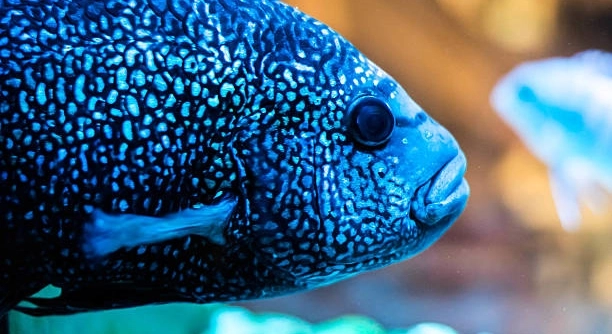
Many aquarium owners notice their Jack Dempsey fish circling the same rock each day, creating a calm yet puzzling scene that feels intentional, repetitive, and worth understanding within a healthy home aquarium environment setup today.
The primary reason Jack Dempsey fish circle a rock is territorial behavior linked to nesting instincts. The rock functions as a perceived boundary or breeding site, reinforcing security, dominance, and spatial control within the aquarium during periods of environmental awareness.
Behavior, habitat design, and stress levels all play roles, revealing how small environmental details strongly influence daily fish routines patterns.
Territorial Instincts and Environment
Jack Dempsey fish are known for strong territorial instincts, and circling a rock often reflects this behavior. In many aquariums, rocks act as visual anchors that define space. When a fish repeatedly swims around one, it reinforces ownership and familiarity. This pattern can increase when tank layouts change, new fish are added, or lighting shifts. I have noticed this behavior becomes more consistent once the fish feels settled. The movement is not random but structured, following the same path each time. This routine helps the fish feel secure and reduces stress. In the wild, similar behaviors occur around preferred shelters or spawning areas. In captivity, the rock becomes a substitute for those natural landmarks. Understanding this context helps owners interpret circling as communication rather than restlessness or boredom. This awareness allows better tank planning and supports healthier behavior over time for both the fish and the keeper observing daily patterns.
Circling may also increase during breeding periods, when rocks serve as spawning markers. The fish remains alert, guarding the area closely. This behavior often appears calm and repetitive, signaling comfort rather than agitation within a stable aquarium setting. Consistency in surroundings helps maintain this predictable movement pattern over time naturally.
Tank design strongly influences how often this behavior appears. Rocks placed near open swimming areas are more likely to become focal points. Smooth, flat stones are especially appealing because they resemble natural shelters. Water flow, temperature, and lighting also contribute to comfort levels. I prefer keeping décor simple, which allows behaviors like circling to stand out clearly. Overcrowded tanks can disrupt these routines and lead to erratic movement instead. Providing adequate space helps the fish express natural patterns without conflict. When the environment feels balanced, circling remains steady and purposeful rather than excessive and easier for owners to observe consistently.
Stress, Health, and Behavioral Signals
Repeated circling can sometimes reflect mild stress or heightened awareness. Changes in water quality, noise, or tank mates may trigger this response. Watching frequency and intensity helps identify whether the behavior remains normal or signals discomfort requiring adjustments. Early attention supports stability and prevents larger issues from developing over time.
Healthy Jack Dempsey fish display consistent patterns that align with their environment. Circling a rock should appear controlled and rhythmic, not frantic. When paired with good appetite and clear coloration, this behavior usually indicates stability. I pay attention to changes rather than the action itself. Sudden increases in speed, erratic swimming, or isolation can suggest environmental imbalance. Regular maintenance plays a major role in preventing stress related behaviors. Stable water parameters, routine cleaning, and gradual layout changes support predictable movement. Tank size also matters, as limited space can intensify territorial actions. Providing visual barriers helps distribute attention and reduce fixation on one object. Observation remains the most useful tool for understanding fish behavior. Over time, patterns become familiar and easier to interpret. This awareness allows owners to respond calmly and make informed adjustments without unnecessary intervention, supporting long-term health and balanced daily activity. Consistency in care builds confidence for both the fish and the keeper. Small observations made daily often prevent larger corrections later. By maintaining patience and routine, owners create an environment where natural behaviors remain steady, visible, and healthy without constant disruption. This approach supports clarity, comfort, and long-term balance within the aquarium for sustained behavioral consistency overall.
Feeding Patterns and Territory
Jack Dempsey fish often integrate circling behavior with feeding patterns. Rocks near food sources or favored spots can become markers. The fish may swim around the rock before and after eating. This action reinforces ownership and keeps other fish at a distance during meals, maintaining comfort in their established territory.
Feeding routines influence how Jack Dempsey fish use their environment. If the rock is near areas where food is introduced, circling can become a way to monitor and control access. I have seen that when pellets are added consistently in one corner, the fish will patrol that rock more frequently. This behavior helps ensure they remain first to reach food while keeping the area organized according to their territorial instincts. Over time, the rock acts as both a marker and a comfort zone during feeding. Observing this pattern shows how environmental cues directly shape daily activity.
Adjusting feeding locations or timing can alter circling patterns subtly. Introducing food at different spots may reduce fixation on one rock while still maintaining security. Rocks act as reference points that combine safety, visibility, and proximity to nourishment. I often rotate feeding zones to encourage exploration without creating stress. Fish adapt quickly to these small changes, showing both flexibility and consistency. Understanding how feeding intersects with territorial behavior allows for a calmer environment, reduces potential conflicts, and supports natural routines. By watching their movement carefully, I can predict where they will swim and how they interact with other tank mates around these important resources. This attention helps maintain both health and predictable behavior.
Breeding Behavior and Rock Selection
During breeding, Jack Dempsey fish show stronger attachment to specific rocks. They often circle chosen rocks repeatedly, cleaning and inspecting them as preparation for laying eggs. This focused behavior is closely tied to instinct and spatial familiarity, ensuring a safe site for offspring.
Rocks are selected based on size, shape, and surface stability. Flat or slightly textured stones are preferred because they allow eggs to adhere securely. I have noticed that even subtle differences in rock positioning affect the fish’s choice. They may reject one rock in favor of another nearby, demonstrating careful evaluation. Once selected, circling behavior intensifies, as the fish patrols the area to deter intruders. This process includes moving debris and adjusting small objects around the rock to create a comfortable environment. The repeated movement around the rock serves both practical and instinctual purposes, reinforcing ownership and readiness for reproduction. Observing these patterns provides insight into their natural instincts and how environmental elements like rock placement influence breeding behavior.
Social Hierarchy and Rock Patrol
Jack Dempsey fish often use rocks to establish social dominance within the tank. Circling a particular rock signals ownership to other fish. This behavior helps maintain order and reduces conflicts, creating predictable interactions among tank mates. I notice this especially in tanks with multiple males.
Other fish tend to respect these marked territories, avoiding direct confrontation. Circling around the rock becomes a clear visual cue, showing that the area is claimed. Consistent patterns emerge, and the fish’s movements feel purposeful rather than random, reflecting their instinct to assert dominance calmly over specific spaces.
Environmental Changes and Behavior Adjustment
When tank conditions shift, such as lighting, water flow, or décor arrangement, Jack Dempsey fish may adjust their circling routines. I have seen that moving a rock slightly can change the path or frequency of circling, showing flexibility in behavior. These adjustments reflect both adaptation and comfort-seeking.
Observing Stress Indicators
Changes in circling speed, erratic movement, or prolonged hiding around rocks can indicate stress. Monitoring these signals allows early intervention. Stable water, consistent tank mates, and predictable feeding reduce stress and encourage normal circling, supporting both health and natural behavior patterns.
Rock Texture and Preference
Jack Dempsey fish show clear preferences for certain rock textures. Smooth or slightly rough surfaces are favored for patrolling and egg-laying preparation. Observing these choices helps optimize tank layout for comfort and natural activity.
FAQ
Why does my Jack Dempsey fish circle the same rock every day?
Jack Dempsey fish circle rocks as part of their natural territorial and nesting behavior. Rocks serve as boundaries and familiar landmarks. Circling reinforces their sense of security, ownership, and control over the space. In my experience, this behavior becomes more noticeable when the fish feels comfortable in its environment, and the tank layout is stable. Frequent observation shows that circling is usually calm and rhythmic, not random, reflecting instinct rather than stress.
Is circling behavior linked to breeding?
Yes, circling is often intensified during breeding periods. Rocks are inspected, cleaned, and patrolled to prepare a suitable site for eggs. Flat or slightly textured rocks are preferred because they allow eggs to adhere safely. I have seen male Jack Dempsey fish spend hours moving debris and patrolling around the rock, ensuring that it remains secure from intruders. The repeated circling serves both practical purposes and instinctual needs, reinforcing their ownership and readiness for reproduction.
Can tank design influence circling patterns?
Absolutely. The placement, size, and type of rocks directly affect how Jack Dempsey fish circle. Rocks near open swimming areas or feeding spots are more likely to become focal points. Adjusting water flow, lighting, or tank décor can subtly shift the fish’s patrolling routine. I often rotate feeding locations and reposition decorations slightly to encourage exploration while maintaining comfort. A well-planned tank allows the fish to express natural behaviors consistently, reducing unnecessary fixation on a single spot.
Does circling indicate stress or health issues?
Circling alone does not usually indicate stress. Healthy fish exhibit steady, rhythmic movements around a chosen rock. However, changes in speed, erratic swimming, or prolonged hiding can signal discomfort. I monitor water quality, feeding, and interactions with other fish to ensure stress is minimized. Stable water parameters, consistent feeding routines, and sufficient space help maintain normal behavior. Observing patterns over time allows early detection of potential issues before they escalate.
How do other fish respond to a Jack Dempsey’s rock patrol?
Other tank mates generally respect the territory marked by a circling Jack Dempsey. This behavior establishes a clear social hierarchy and reduces conflicts. I have seen that fish will avoid the area, allowing the Jack Dempsey to maintain dominance calmly. In tanks with multiple males, visual barriers like plants or additional rocks help distribute attention and reduce territorial disputes, keeping interactions predictable and manageable.
Can changing the rock’s position affect behavior?
Yes, even small adjustments can alter circling paths or frequency. Jack Dempsey fish are adaptable but sensitive to environmental cues. I have moved a rock slightly and noticed changes in patrolling, showing that they rely on familiar landmarks for comfort. Rotating or repositioning rocks can encourage exploration and reduce excessive fixation, helping maintain a balanced and calm environment.
Do Jack Dempsey fish prefer certain rock types?
They show clear preferences for smooth or slightly textured rocks. These surfaces are comfortable for patrolling, resting, and potential egg-laying. I choose rocks that mimic natural textures, which support normal behavior. Observing which rocks they favor helps optimize tank layout, ensuring that the fish feel secure and can maintain consistent routines without stress or conflict.
How can I support healthy circling behavior?
Maintaining stable water quality, predictable feeding, and adequate space is key. I ensure that rocks and tank décor provide clear landmarks while leaving open swimming areas for exercise. Monitoring behavior daily allows me to detect any sudden changes in movement, which may indicate stress or health issues. Supporting a calm environment keeps circling purposeful, natural, and consistent.
Will circling decrease over time?
Circling remains a natural, ongoing behavior as long as the fish feels secure. It may fluctuate slightly based on breeding cycles, tank changes, or social dynamics. I have observed that consistent care, minimal disruption, and stable surroundings help maintain predictable circling patterns, allowing me to understand the fish’s routines and support overall well-being.
What is the best way to observe this behavior?
I recommend watching the tank at regular times each day when activity is highest, such as before or after feeding. Take note of the paths, frequency, and intensity of circling. Consistent observation allows for understanding normal patterns and identifying potential stressors or environmental factors that may influence behavior. Recording these patterns can help in managing tank layout and interactions with other fish effectively.
This FAQ addresses the most common questions about why Jack Dempsey fish circle rocks, providing practical insight into their behavior, environmental needs, and health considerations.
Final Thoughts
Jack Dempsey fish are fascinating creatures with strong instincts that influence how they interact with their environment. One of the most noticeable behaviors in aquariums is their tendency to circle rocks repeatedly. This action is rarely random; it is tied to territory, comfort, and natural instincts. Observing this behavior can help owners understand the fish’s needs and preferences. Circling provides a sense of security, allowing the fish to establish boundaries within the tank. Rocks act as visual anchors and safe spots, creating a familiar area for the fish to patrol daily. Over time, this behavior becomes predictable and easier to interpret, reflecting the fish’s natural patterns. Understanding these patterns helps maintain a calm and balanced tank, reducing unnecessary stress and preventing conflicts with other fish.
Circling behavior also plays an important role during breeding periods. Rocks are often chosen as spawning sites, and the fish will spend significant time cleaning, inspecting, and patrolling them. This behavior ensures a safe place for eggs and protects the area from intruders. The choice of rock depends on size, shape, and texture, with flat or slightly rough surfaces preferred for adhesion. Even subtle changes in the rock’s position can alter circling patterns, showing how sensitive Jack Dempsey fish are to their surroundings. By paying attention to these details, owners can provide an environment that supports natural reproductive behaviors while maintaining overall tank harmony. Proper care, stable water conditions, and consistent feeding routines all contribute to healthy, confident behavior. Recognizing the connection between environment and instinct helps make the fish’s daily routines easier to predict and manage.
In addition to territory and breeding, circling rocks can indicate social hierarchy and environmental awareness. Jack Dempsey fish establish dominance by patrolling specific areas, sending visual cues to other fish in the tank. This behavior reduces conflicts and helps maintain predictable interactions. Environmental factors such as water flow, lighting, and décor layout also influence how and where circling occurs. Stable conditions support calm, consistent movement, while sudden changes may temporarily disrupt behavior. Monitoring circling patterns allows early detection of stress or health issues, as erratic swimming or prolonged hiding can signal problems. By observing and understanding these behaviors, owners can adjust the tank environment to meet the fish’s needs. Circling becomes not just a habit but a natural and purposeful activity that reflects the fish’s instincts, health, and comfort. Through careful observation and proper care, Jack Dempsey fish can thrive, showing behavior that is both fascinating and manageable in a home aquarium.

Hello,
If you enjoy the content that we create, please consider saying a "Thank You!" by leaving a tip.
Every little bit helps us continue crafting quality advice that supports the health, happiness, and well-being of pets around the world, for pets of all shapes, sizes, and species.
We really appreciate the kindness and support that you show us!