
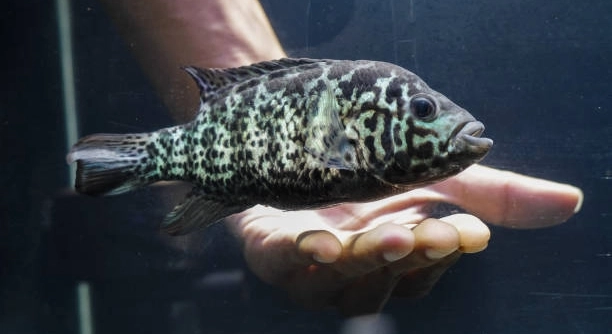
Have you ever noticed your Jack Dempsey fish acting differently over time? These fish are lively and colorful, often showing unique personalities that make watching them a rewarding experience in any home aquarium.
Jack Dempsey fish can change behavior over time due to environmental conditions, age, and social interactions. Factors such as tank size, water quality, diet, and interactions with other fish influence aggression, activity levels, and feeding responses.
Observing these changes helps maintain a balanced and healthy environment for your fish over the long term.
Understanding Behavioral Changes in Jack Dempsey Fish
Jack Dempsey fish are known for being territorial and sometimes aggressive, but these traits can shift as they grow and adapt to their environment. Changes in tank size, water conditions, or the presence of new tank mates can influence their behavior. Young fish may be more shy and cautious, while adults often assert dominance over specific areas. Feeding routines and diet also play a role, as well-fed fish tend to be calmer, whereas irregular feeding can increase aggression. Observing subtle signs, like hiding more often or becoming less active, helps identify how the fish is adapting. Stress from poor water quality or overcrowding can make normally peaceful fish act out, and even minor environmental changes may lead to noticeable shifts in activity. Recognizing these patterns allows you to make adjustments to maintain a balanced tank.
Environmental and social factors significantly affect their mood and activity, shaping how they interact with their surroundings and tank mates.
Consistent monitoring and small adjustments to their habitat can make a big difference. Ensuring stable water conditions, providing hiding spots, and feeding a regular diet help Jack Dempsey fish remain healthy and display natural behaviors. Over time, even minor improvements can reduce aggression, increase activity, and allow them to interact comfortably with other fish. Understanding how their behavior evolves helps in creating a stable and peaceful environment, which benefits both the fish and the overall aquarium balance. Regular observation is key to noticing changes early and preventing potential stress or conflict.
Common Signs of Behavioral Shifts
Reduced activity or hiding more frequently is often a sign that something in the tank has changed.
Behavioral shifts can appear as increased aggression, changes in feeding habits, or altered swimming patterns. Some fish may suddenly become less social or avoid certain areas. Environmental stressors, such as water quality fluctuations, inadequate space, or overcrowding, commonly trigger these changes. Age also plays a role, with older fish sometimes becoming calmer or more territorial. Recognizing these signals allows timely interventions to prevent long-term stress and maintain a balanced tank environment. Maintaining consistent water conditions, observing daily behavior, and noting any unusual patterns are essential steps for keeping Jack Dempsey fish healthy. Over time, these observations help predict changes and improve care strategies. Paying attention to how they interact with tank mates can also reveal underlying issues and guide adjustments to their habitat. Understanding these behaviors ensures both safety and comfort for the fish.
Environmental Triggers for Behavior Changes
Changes in water temperature, pH levels, or tank cleanliness can cause noticeable shifts in Jack Dempsey fish behavior. Sudden fluctuations often lead to stress, which can make them more aggressive or withdrawn.
Maintaining stable water conditions is crucial for these fish. Even small changes in temperature or pH can disrupt their routine and comfort. Dirty filters or buildup of waste can also increase stress levels, causing unusual hiding or erratic swimming. Providing proper filtration, regular water changes, and monitoring parameters closely helps prevent these issues. Tank decorations and hiding spots also play a role, giving fish areas to feel secure and reducing conflicts. A balanced environment encourages natural behavior and helps maintain long-term health, minimizing sudden outbursts or unusual activity patterns.
Light exposure and tank placement can subtly affect mood and energy levels. Bright, constant lighting may cause stress, while a shaded area or dimmed light period promotes calm activity. Gradual adjustments to lighting and environment are more effective than sudden changes. Consistency in care routines, including feeding times, tank cleaning, and social interactions, ensures that the fish remain predictable and less prone to stress-induced behavior changes. Monitoring daily activity and noting patterns helps in identifying environmental triggers early and making adjustments before serious issues arise.
Social Influences on Behavior
Interactions with other tank mates can directly impact Jack Dempsey behavior. Aggressive or overly timid fish in the same tank can trigger changes in mood and activity levels.
Introducing new fish or changing group dynamics often leads to temporary stress. Territorial disputes may increase as Jack Dempsey fish establish dominance, and shy individuals might hide more often. Observing how they interact during feeding or near shared spaces can indicate whether the social setup is suitable. Overcrowding or incompatible species increases conflict and can cause long-term stress. Providing sufficient space, separate hiding spots, and monitoring interactions ensures that the social environment supports natural behavior without constant aggression or withdrawal. Tank adjustments, such as rearranging decorations or temporarily isolating fish, can help ease tensions and restore balance.
Age-Related Behavioral Shifts
As Jack Dempsey fish grow, their activity and aggression levels can change. Younger fish are often more playful, while older fish may become calmer and more territorial.
Maturity brings a stronger sense of territory. Adult fish may guard specific areas of the tank, chase intruders, or assert dominance during feeding. These behaviors are normal and indicate healthy development.
Feeding Patterns and Behavior
Changes in feeding routines can directly influence behavior. Skipping meals or inconsistent feeding often leads to increased aggression or restlessness in Jack Dempsey fish.
Stress Indicators in Jack Dempsey Fish
Rapid gill movement, darting, or frequent hiding are common signs of stress. Observing these behaviors allows timely adjustments to tank conditions.
FAQ
Can Jack Dempsey fish become less aggressive over time?
Yes, aggression can decrease as they age, especially if they are kept in a well-maintained environment with enough space and hiding spots. Adult fish may become more settled and focus on established territories rather than constant chasing.
Why does my Jack Dempsey suddenly hide more than usual?
Hiding often indicates stress or discomfort. Changes in water quality, temperature, tank mates, or decorations can trigger this behavior. Ensuring stable water parameters and providing secure hiding areas can help them feel safe and gradually return to normal activity.
Do Jack Dempsey fish recognize their owners?
They can recognize movement and feeding routines. While not affectionate in a traditional sense, they respond to consistent interaction, such as hand feeding or tank maintenance, which can reduce skittish behavior over time.
How does tank size affect behavior?
Smaller tanks often lead to increased territorial disputes and stress, while larger tanks allow for personal space and reduce aggression. Providing adequate space helps Jack Dempsey fish display natural behaviors and reduces conflict with other tank mates.
Can diet influence behavior changes?
Yes, a balanced diet affects mood and activity levels. Poor nutrition can lead to lethargy or increased irritability. Feeding high-quality, varied foods on a consistent schedule supports healthy growth and stable behavior patterns.
Do Jack Dempsey fish interact well with other species?
They can coexist with other robust fish, but careful selection is important. Peaceful or very small species may be bullied, while similarly sized, semi-aggressive fish often establish a stable hierarchy. Observing interactions early prevents long-term stress or injury.
What environmental factors most influence behavior?
Water temperature, pH, filtration, and lighting play key roles. Sudden changes can trigger aggression, hiding, or erratic swimming. Maintaining stable conditions, regular water changes, and a predictable routine keeps fish calm and consistent in their behavior.
How long does it take to notice behavioral changes?
Changes can appear over weeks or months, depending on age, environment, and social dynamics. Regular observation helps identify subtle shifts early, allowing adjustments to diet, tank setup, or social groups before behaviors become problematic.
Why does my Jack Dempsey chase tank mates aggressively?
Chasing is usually territorial or dominance-related, especially during feeding or when new fish are introduced. Providing hiding spots, adequate space, and observing interactions can reduce tension and promote a stable hierarchy.
Can stress cause permanent behavior changes?
Prolonged stress can lead to lasting behavioral shifts, such as chronic aggression or extreme shyness. Addressing water quality, social dynamics, and consistent routines early helps prevent long-term negative effects on mood and health.
How can I tell if my fish is adjusting well to a new tank?
Look for consistent swimming patterns, regular feeding, and calm interactions with other fish. Occasional hiding is normal, but prolonged stress behaviors indicate the need for adjustments to water, space, or tank mates.
Is it normal for Jack Dempsey fish to have mood swings?
Yes, mood swings are natural and often influenced by environment, social interactions, and feeding. Occasional changes in activity, aggression, or hiding are expected as long as overall health remains stable.
Do Jack Dempsey fish become more social with age?
Some may become more predictable and less reactive as they mature. They may interact with familiar tank mates more calmly while still maintaining territorial boundaries.
What signs indicate my fish is comfortable?
Regular swimming, active feeding, and exploration of the tank indicate comfort. Calm interactions with other fish and minimal hiding suggest that environmental conditions are suitable and stress levels are low.
Can rearranging the tank affect behavior?
Yes, changing decorations, plants, or hiding spots can temporarily increase stress or aggression. Gradual adjustments and maintaining some familiar areas help fish adapt without long-term disruption to behavior.
How often should I monitor behavior?
Daily observation is ideal. Noting feeding habits, swimming patterns, and interactions helps identify early signs of stress, illness, or aggression. Early intervention prevents minor issues from becoming long-term behavioral problems.
Does breeding affect behavior?
During breeding, Jack Dempsey fish can become highly territorial and protective. Increased aggression, guarding of certain areas, and chasing tank mates are normal. Providing extra space and hiding areas reduces conflict during this period.
Can lighting impact activity levels?
Yes, too much light can stress them, while consistent day-night cycles promote regular activity. Offering shaded areas or moderate lighting helps maintain calm behavior and natural rhythms in the tank.
How do I reduce aggression between multiple Jack Dempsey fish?
Provide a larger tank with distinct territories, ample hiding spots, and a balanced social group. Avoid overcrowding and observe feeding closely to prevent competition. Over time, fish usually establish a stable hierarchy with fewer conflicts.
Are there permanent behavioral traits in Jack Dempsey fish?
Some traits, such as territorial instincts and natural curiosity, remain throughout life. While behavior can change due to environment, diet, or social dynamics, core personality traits tend to persist and shape how they interact.
What is the best way to encourage calm behavior?
Consistent feeding, stable water parameters, adequate space, and well-placed hiding spots help reduce stress and aggression. Regular observation allows adjustments to routines or environment to support long-term calm and natural behaviors.
Can illness affect behavior?
Yes, illness often causes lethargy, loss of appetite, or unusual hiding. Early detection and treatment are critical. Maintaining water quality, monitoring daily activity, and seeking prompt care reduce the impact of illness on behavior.
Do Jack Dempsey fish remember past interactions?
They can remember previous tank mates and feeding routines. Familiarity with their environment and consistent handling or care routines reduces stress and helps maintain predictable behavior.
Is it normal for behavior to fluctuate daily?
Yes, slight daily fluctuations in activity or mood are natural. Consistency in feeding, environment, and social interactions ensures that these changes remain minor and do not indicate stress or illness.
How important is tank decoration in behavior management?
Very important. Plants, rocks, and hiding spots allow fish to establish territories, feel secure, and reduce aggression. A well-decorated tank helps Jack Dempsey fish express natural behaviors while minimizing stress.
Can Jack Dempsey fish coexist with peaceful fish long-term?
They can, but careful monitoring is needed. Smaller or very passive species may be stressed or bullied. Providing ample space, hiding spots, and observing interactions ensures peaceful coexistence without constant aggression.
What role does water flow play in behavior?
Moderate water flow supports activity and exercise. Too strong or weak currents can increase stress or reduce swimming patterns. Adjusting flow to suit their needs helps maintain calm and natural behavior.
Can Jack Dempsey fish adapt to new environments quickly?
Adaptation speed depends on prior experiences, age, and tank conditions. Gradual introductions, stable water parameters, and familiar hiding spots allow smoother transitions and reduce stress-induced behavior changes.
Is it normal for Jack Dempsey fish to chase reflections?
Yes, chasing reflections or seeing their image in glass is common and usually harmless. It can indicate territorial instincts or curiosity but does not generally signal aggression toward other fish.
How do I tell if behavior changes are temporary or permanent?
Observe over several weeks. Temporary changes often resolve with stable water, proper feeding, or adjustments to tank mates. Persistent aggression, hiding, or lethargy may indicate lasting environmental or health issues.
Can routine tank maintenance affect behavior?
Yes, sudden changes during cleaning or rearranging decorations can temporarily stress fish. Gradual maintenance, maintaining some familiar areas, and consistent routines help minimize behavioral disruption.
How can I encourage natural behavior?
Provide adequate space, hiding spots, consistent feeding, and stable water conditions. Allow fish to establish territories and interact with compatible tank mates. Regular observation and minimal disturbances support healthy, natural behavior patterns.
Does seasonal change affect behavior?
Subtle shifts in lighting, temperature, or feeding schedules due to seasons may alter activity levels. Consistency and careful monitoring ensure that seasonal changes do not negatively impact behavior.
What should I do if my fish becomes aggressive suddenly?
Check water quality, tank mates, and recent changes in the environment. Isolate problematic fish if needed and provide hiding spots to reduce stress while observing for triggers.
How does tank cleaning frequency affect behavior?
Regular cleaning prevents stress and aggressive behavior. Overly frequent or disruptive cleaning can temporarily unsettle fish. Consistent, gentle maintenance supports calm and natural activity patterns.
Can I train Jack Dempsey fish to follow routines?
Yes, they respond to consistent feeding times and environmental cues. Over time, they learn patterns and become more predictable, which can reduce stress and promote stable behavior.
Is it normal for behavior to change after molting or shedding scales?
Some fish may hide or become less active temporarily during minor health or skin changes. Observing them carefully ensures these changes are short-term and not signs of illness.
Do Jack Dempsey fish show signs of boredom?
Lack of stimulation can lead to restlessness or repetitive behaviors. Providing hiding spots, varied environment, and occasional rearrangement of decorations keeps them active and engaged.
How important is observation in behavior management?
Daily observation is crucial. Noting feeding, swimming, and interactions helps detect early signs of stress, aggression, or illness, allowing timely interventions and maintaining long-term stability in behavior.
Can Jack Dempsey fish change behavior due to aging alone?
Yes, aging often leads to calmer, more predictable behavior. While territorial instincts remain, older fish may become less aggressive and more comfortable with their established environment.
What is the impact of tank noise or vibrations on behavior?
Excessive noise or vibration can stress fish, causing hiding, erratic swimming, or aggression. Minimizing disturbances helps maintain calm and natural behavior patterns.
How can I tell if my fish is stressed versus ill?
Stress often causes temporary hiding, rapid gill movement, or mild aggression, while illness may include lethargy, loss of appetite, or visible physical changes. Monitoring daily and maintaining water quality helps differentiate causes.
Are Jack Dempsey fish consistent in behavior across all individuals?
No, individual personality, prior experiences, and environmental conditions create variations. Some are naturally more aggressive, curious, or shy. Understanding individual tendencies helps in managing tank dynamics effectively.
Can environmental enrichment improve behavior?
Yes, adding plants, rocks, or hiding areas encourages exploration, reduces aggression, and promotes natural behaviors. Enrichment keeps fish active and minimizes stress in both single and community tanks.
Do behavioral changes affect health long-term?
Chronic stress or aggression can impact growth, immune function, and lifespan. Maintaining stable water, balanced diet, and supportive social structure reduces long-term negative effects on health.
How quickly do Jack Dempsey fish adapt to new tank mates?
Adaptation varies by individual and tank conditions. Gradual introductions, sufficient space, and monitoring interactions help fish establish a stable hierarchy without prolonged stress.
Are aggressive behaviors always negative?
Not necessarily. Territorial or dominance behaviors are natural and help establish order in the tank. Problems arise when aggression becomes excessive due to stress, overcrowding, or incompatible tank mates.
What role does tank decoration play in reducing conflict?
Hiding spots and territorial markers reduce direct confrontations, giving fish personal space. Properly placed decorations allow for natural behaviors while minimizing stress and aggression.
Can water hardness influence behavior?
Yes, water hardness affects overall comfort. Sudden changes in mineral content can cause stress, impacting feeding, swimming, and interactions with other fish. Gradual adjustments prevent negative behavior shifts.
Is it normal for Jack Dempsey fish to explore less at times?
Yes, temporary changes in activity are normal due to rest periods, feeding cycles, or minor environmental adjustments. Consistent care ensures these periods remain brief and natural.
Do Jack Dempsey fish respond to music or vibrations?
They may react to vibrations or loud sounds with hiding or sudden movement. Gentle, consistent ambient noise does not usually cause long-term behavior changes.
How do I encourage positive social behavior?
Provide adequate space, compatible tank mates, and enough hiding spots. Observing interactions and adjusting tank layout or feeding routines helps establish a stable, calm social environment.
Can Jack Dempsey fish become territorial with objects?
Yes, they may guard decorations or specific areas of the tank. Allowing them space and multiple hiding spots prevents conflicts over single items.
Does water temperature fluctuation affect aggression?
Sudden temperature changes can increase stress and provoke aggressive behavior. Maintaining a stable temperature within their preferred range keeps activity and interactions balanced.
How can I tell if behavior changes are temporary after introducing new fish?
Short-term hiding, chasing, or aggression often resolves as a hierarchy establishes. Persistent extreme behaviors indicate incompatibility or environmental stress that may need intervention.
Can Jack Dempsey fish adjust to a new tank gradually?
Yes, using acclimation methods, stable water conditions, and familiar hiding spots ensures smoother adaptation and reduces stress-induced behaviors.
Are there signs of boredom versus stress?
Boredom often shows as repetitive swimming or lack of exploration, while stress includes hiding, rapid gill movement, or aggression. Environmental enrichment and stable conditions address both issues.
Can consistent routines reduce erratic behavior?
Yes, feeding, cleaning, and interaction routines create predictability, reducing stress and encouraging calm, stable behavior over time.
Do Jack Dempsey fish display individual personalities?
Absolutely. Each fish may be more aggressive, shy, or curious than others. Recognizing these traits helps in managing interactions and tank dynamics effectively.
How do I prevent long-term stress?
Stable water, adequate space, compatible tank mates, and predictable routines are key. Observing daily allows early intervention before stress becomes chronic.
Is it normal for behavior to fluctuate with age and size?
Yes, younger fish are more active, and adults become more territorial. Understanding these changes helps maintain a balanced and healthy tank environment.
Can aggressive fish calm down over time?
With stable conditions, proper social setup, and consistent care, even aggressive individuals often become more predictable and less reactive as they mature.
Does water clarity affect behavior?
Poor water quality increases stress, hiding, and aggression. Clear, well-maintained water supports natural behavior, feeding, and social interactions.
Can Jack Dempsey fish form bonds with specific tank mates?
They may show preference for certain fish, interacting calmly or sharing territory. Compatible pairs or groups reduce stress and aggression in community setups.
How do I know if behavior changes are due to environment or illness?
Observe water parameters, tank mates, and daily routines. Consistent patterns indicate environmental influence, while sudden lethargy, loss of appetite, or visible symptoms suggest illness requiring attention.
Can Jack Dempsey fish adapt to multiple tank setups?
Yes, with proper acclimation, stable conditions, and sufficient space. Gradual changes minimize stress and support healthy, natural behavior across different tanks.
Do seasonal light changes impact activity?
They may cause slight shifts in activity levels, but maintaining consistent day-night cycles prevents stress and keeps behavior predictable.
How do I manage multiple aggressive fish in one tank?
Provide large spaces, hiding spots, and a clear hierarchy. Observing daily and separating individuals if necessary prevents injuries and reduces overall stress.
Can social hierarchy reduce overall aggression?
Yes, once dominance and territory are established, conflicts decrease. Providing enough space and hiding spots ensures stable interactions among all fish.
Is occasional hiding normal in Jack Dempsey fish?
Yes, hiding is natural for rest or stress relief. Persistent hiding signals environmental or social issues needing attention.
How do I balance aggression and social interaction?
Space, hiding spots, compatible tank mates, and consistent feeding routines help maintain a balance between territorial behavior and peaceful interactions.
Can environmental enrichment reduce boredom and aggression?
Yes, decorations, plants, and varied terrain encourage exploration and provide safe areas, reducing stress, conflict, and repetitive behaviors.
How important is consistent feeding?
Very important. Regular feeding schedules reduce competition, aggression, and stress, keeping fish active and predictable.
Do Jack Dempsey fish have predictable routines?
Yes, with consistent care, feeding, and environment, they develop daily patterns, making behavior easier to anticipate and manage.
Can sudden environmental changes trigger permanent behavior shifts?
Prolonged or extreme changes can lead to long-term stress, increased aggression, or chronic hiding. Gradual adjustments minimize lasting negative effects.
Are Jack Dempsey fish suitable for community tanks?
Yes, with careful selection of tank mates, adequate space, and proper hiding spots. Monitoring interactions ensures balanced behavior and reduces conflicts.
How do I encourage calm behavior in a mixed-species tank?
Provide sufficient space, compatible species, hiding areas, and consistent feeding routines. Observing daily ensures peaceful interactions and minimizes aggression.
Can repeated stress affect growth and health?
Yes, chronic stress impacts immune function, growth, and lifespan. Maintaining stable water, diet, and social setup reduces long-term negative effects.
Is it normal for behavior to change with tank rearrangement?
Yes, temporary stress or curiosity often occurs. Gradual changes and maintaining some familiar areas help fish adapt without long-term disruption.
Can Jack Dempsey fish adapt to varying social groups?
Yes, but careful introductions and monitoring interactions are essential. Providing space and hiding spots reduces stress and supports hierarchy formation.
Do they show signs of comfort in the tank?
Active swimming, exploration, feeding, and calm interaction with tank mates indicate comfort and low stress.
Can lighting adjustments affect behavior long-term?
Proper lighting supports activity, mood, and stress reduction. Drastic changes can temporarily unsettle fish but gradual adjustments maintain natural behavior.
How do I identify stress versus normal territorial behavior?
Stress shows as prolonged hiding, rapid gill movement, or erratic swimming. Normal territorial behavior includes chasing, guarding areas, and brief displays of dominance.
Do Jack Dempsey fish remember past aggression or conflicts?
Yes, prior interactions can influence future behavior toward specific tank mates, shaping social dynamics and hierarchy.
Can water flow changes influence activity?
Yes, moderate flow encourages swimming, while strong or weak currents can stress fish or alter natural behavior patterns.
Is it normal for behavior to fluctuate during feeding times?
Yes, temporary aggression or increased activity during feeding is normal and usually subsides once food is distributed.
How do I maintain balance in a multi-fish tank?
Adequate space, hiding spots, consistent routines, compatible species, and monitoring interactions prevent prolonged stress and promote stable, healthy behavior.
Can Jack Dempsey fish adapt to new tank mates gradually?
Yes, introducing them slowly, providing ample space, and monitoring interactions helps reduce aggression and stress, allowing smoother social integration.
Do they respond differently to familiar versus unfamiliar fish?
Yes, familiar fish tend to interact more calmly, while unfamiliar
Jack Dempsey fish are fascinating creatures that show a wide range of behaviors throughout their lives. From the moment they are introduced to a new tank, they begin to establish routines, explore their environment, and interact with other fish in ways that can be surprising to observe. Their behavior is influenced by many factors, including age, diet, water quality, tank size, and social interactions. Younger fish are often more playful and curious, while adults may become more territorial and assertive. Even small changes in their environment, such as the addition of new decorations or slight shifts in water parameters, can affect their mood and activity. Understanding that these changes are natural helps in creating a supportive habitat where the fish can thrive. Observing their daily patterns provides insight into their personalities and needs, making it easier to maintain a stable and healthy aquarium.
Consistency in care is key to supporting positive behavior in Jack Dempsey fish. Maintaining stable water temperature, proper pH levels, and clean filtration systems helps reduce stress and prevents erratic actions like sudden hiding or aggressive chasing. A balanced diet provided on a regular schedule also contributes to calm and predictable behavior. Providing hiding spots, plants, and areas to establish personal territory is essential for managing aggression, especially in tanks with multiple fish. Monitoring social interactions and addressing conflicts early prevents long-term stress or injury, and adjusting the tank layout gradually allows fish to adapt without major disruption. Even routine maintenance should be approached thoughtfully, as sudden or frequent changes can temporarily unsettle the fish. Over time, consistency in environment, care, and social conditions leads to healthier, more stable behavior.
Behavioral changes in Jack Dempsey fish are normal and should be expected as they grow and adapt. Understanding the reasons behind these changes helps in making informed decisions about tank setup, feeding routines, and social arrangements. Stress, illness, or environmental fluctuations can temporarily alter behavior, but with careful observation and timely adjustments, these issues can often be resolved. Paying attention to subtle shifts, such as variations in swimming patterns, activity levels, or interactions with tank mates, provides valuable insight into the well-being of the fish. By creating a balanced environment that meets their physical and social needs, owners can support both natural behavior and long-term health. Awareness, patience, and consistency make it possible to enjoy the unique personalities of Jack Dempsey fish while ensuring they remain comfortable, active, and thriving in their aquatic home.

Hello,
If you enjoy the content that we create, please consider saying a "Thank You!" by leaving a tip.
Every little bit helps us continue crafting quality advice that supports the health, happiness, and well-being of pets around the world, for pets of all shapes, sizes, and species.
We really appreciate the kindness and support that you show us!