
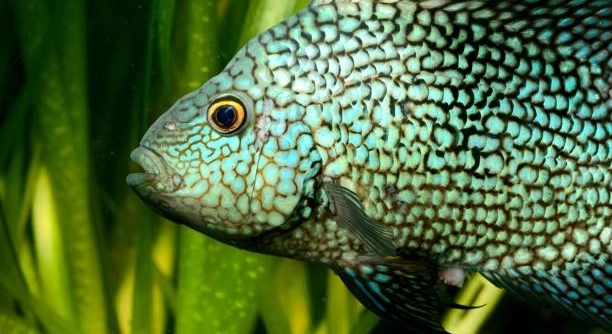
Have you ever noticed your Jack Dempsey fish acting unsettled in its tank? Their sudden movements and intense reactions can be surprising, especially if you are careful to maintain a calm environment around them.
Jack Dempsey fish are highly sensitive to sudden changes in their surroundings, including loud noises, rapid water movement, and unfamiliar tank mates. These stressors trigger instinctive defensive behaviors, often resulting in visible agitation or aggressive displays.
Understanding these triggers will help you create a peaceful tank environment, promoting the health and stability of your Jack Dempsey fish.
Sudden Movements and Vibrations
Jack Dempsey fish are very sensitive to sudden movements outside their tank. Quick hand gestures, tapping on the glass, or even walking quickly nearby can startle them. These fish rely heavily on visual cues, and unexpected motion triggers their instinct to react defensively. In their natural habitat, sudden movement often signals a predator or potential threat, so their response is deeply ingrained. Even small vibrations from closing doors or heavy footsteps can make them flick sand or dart around the tank. Over time, repeated disturbances can lead to chronic stress, which may affect their appetite and immune system. Setting up a stable environment and limiting unnecessary activity around the tank helps reduce these reactions. Observing them calmly from a distance allows them to feel secure and gradually reduces sensitivity to minor vibrations. Their comfort level improves when they have hiding spots and consistent conditions, which minimizes sudden stress responses and promotes healthier behavior in captivity.
Regular monitoring of tank activity can prevent frequent agitation and protect the fish’s well-being.
Providing stable conditions and gentle handling makes a noticeable difference, allowing Jack Dempsey fish to exhibit calmer, more natural behaviors.
Aggressive or New Tank Mates
Introducing new fish or housing Jack Dempsey with incompatible species often triggers immediate stress. These fish are territorial, and seeing another fish encroach on their space can lead to constant displays of aggression. Even fish that appear peaceful can provoke defensive behavior if they swim too close to the Jack Dempsey’s preferred hiding areas. Maintaining careful separation during introductions is important. A proper tank layout with ample hiding spots reduces encounters that may lead to stress. Observing interactions closely helps identify any issues before they escalate.
Jack Dempsey fish are naturally territorial, meaning new tank mates can quickly disturb them if space is limited. They defend their area aggressively, especially during feeding or breeding periods. Incompatible species or crowded conditions heighten stress, causing the fish to flick sand, chase intruders, or hide excessively. Planning tank population and structure carefully prevents unnecessary disturbances. Providing distinct territories with visual barriers or plant cover reduces direct confrontations. Proper acclimation of newcomers, including quarantine and gradual introduction, helps the Jack Dempsey adjust while minimizing stress. Consistently monitoring their interactions ensures the fish maintain a calm, balanced environment, improving overall health and behavior. Additionally, pairing them with compatible species that respect boundaries keeps the tank peaceful. Strategic tank organization and consistent observation prevent repeated disturbances that can negatively impact both the fish’s mood and physical condition.
Setting clear boundaries in the tank creates a healthier environment and encourages natural, stress-free behavior.
Poor Water Quality
Water that is dirty or improperly balanced can quickly unsettle Jack Dempsey fish. High ammonia or nitrite levels, incorrect pH, or sudden temperature changes make them stressed, leading to erratic movements or sand flicking. Regular testing and maintenance are essential for their comfort.
Keeping water clean is crucial for Jack Dempsey fish. They are highly sensitive to chemical changes and rely on stable conditions to remain healthy. Uneven temperatures, sudden pH shifts, or excess waste can trigger stress responses. Filtration, regular water changes, and monitoring of water parameters help maintain balance. These steps reduce aggressive or defensive behavior and prevent long-term health problems caused by stress. Observing the fish’s behavior in relation to water quality ensures issues are identified early.
Consistent care and attention to tank conditions make a noticeable difference. A well-maintained environment supports natural behavior, reduces agitation, and encourages healthier interactions within the tank. Maintaining stable conditions also prevents repeated disturbances that can negatively affect both their mood and physical health.
Overfeeding or Sudden Diet Changes
Overfeeding or introducing new foods too quickly can disturb Jack Dempsey fish. Sudden dietary changes affect digestion and cause discomfort, often making them more irritable or restless in the tank. Monitoring feeding habits is key to avoiding these reactions.
Feeding Jack Dempsey fish requires consistency and moderation. Overfeeding can lead to leftover food decomposing in the tank, increasing ammonia levels and causing water quality issues. Sudden introduction of new foods may upset their digestive system and stress them, affecting behavior and overall health. Sticking to a regular feeding schedule with familiar foods ensures the fish remain calm and balanced. Gradual incorporation of new foods allows the fish to adjust without unnecessary stress. Careful portioning prevents uneaten food from polluting the environment and triggering defensive reactions.
Maintaining a controlled feeding routine supports their health and reduces unnecessary disturbances. A stable diet, combined with regular observation, promotes calm behavior and prevents issues caused by sudden changes in their environment.
Bright or Sudden Lighting
Jack Dempsey fish are sensitive to sudden changes in light. Turning lights on too quickly or exposing the tank to direct sunlight can startle them, causing stress and sudden movements. Maintaining gradual lighting changes helps them feel secure and reduces erratic behavior.
Constant bright lighting can also disturb their natural rhythm. These fish are adapted to shaded environments, so overly intense or fluctuating light increases stress. Using dimmers or covering parts of the tank provides comfort. Consistent lighting schedules support calm behavior and overall well-being.
Overcrowding
Too many fish in a tank can create tension and competition. Jack Dempsey fish need space to establish territories, and overcrowding increases aggression and stress, often leading to sand flicking or chasing behaviors.
Lack of Hiding Spots
Jack Dempsey fish feel insecure without proper shelters. Rocks, plants, or caves are essential to reduce stress and provide safe spaces.
FAQ
Why does my Jack Dempsey flick sand even when the tank looks calm?
Even in seemingly calm tanks, Jack Dempsey fish can flick sand due to subtle stressors. Vibrations from walking nearby, distant noises, or sudden reflections on the glass can trigger defensive behavior. These fish are naturally sensitive and respond instinctively to what they perceive as threats.
How often should I check water quality to prevent stress?
Regular water testing is essential. Checking ammonia, nitrite, nitrate, pH, and temperature at least once a week helps maintain a stable environment. Sudden fluctuations or poor water quality can cause agitation, sand flicking, and other stress responses. Consistent maintenance ensures the fish remain healthy and calm.
Can the type of substrate affect sand flicking?
Yes, the substrate plays a role in behavior. Jack Dempsey fish naturally dig and sift sand while foraging or creating territories. Using fine sand rather than gravel allows them to perform natural behaviors safely. Inappropriate substrate can lead to frustration or excessive flicking.
Will tank decorations reduce aggressive behavior?
Providing hiding spots, plants, and rocks creates visual barriers and private areas. These features reduce tension by giving fish a sense of security. Well-planned tank layouts limit direct confrontations, which lowers stress levels and decreases sand flicking or chasing behavior among territorial fish.
How do I introduce new tank mates without causing disturbance?
Introduce new fish gradually and in a controlled manner. Quarantine newcomers before placement, and use partitions initially to allow the Jack Dempsey to observe without direct contact. Gradual acclimation reduces stress, helps establish boundaries, and prevents aggressive outbursts that can disturb the entire tank.
Does feeding routine impact their behavior?
Yes, feeding habits strongly influence behavior. Overfeeding or sudden diet changes can make Jack Dempsey restless. Stick to a consistent schedule, provide measured portions, and introduce new foods slowly. Stable feeding routines support calm behavior and prevent stress-related sand flicking or agitation.
Can lighting adjustments calm my Jack Dempsey?
Gradual lighting changes are important. Sudden bright lights or direct sunlight can startle them. Using dimmers, timers, or shaded areas replicates their natural environment. Consistent lighting cycles help them maintain a regular day-night rhythm, reducing stress and promoting calmer activity in the tank.
Is overcrowding the main reason for aggression?
Overcrowding significantly increases tension. Jack Dempsey fish are territorial and need space to establish personal areas. Too many fish in a tank can lead to fights, chasing, and sand flicking. Adequate tank size and careful planning of population density are crucial to maintain a peaceful environment.
How can I tell if stress is affecting their health?
Signs of stress include loss of appetite, rapid breathing, hiding excessively, or constant digging and sand flicking. Chronic stress weakens their immune system, making them more prone to illness. Observing behavior alongside regular water checks ensures early detection and proper intervention.
What are the best ways to create a stress-free environment?
A stable, well-maintained tank with proper water quality, hiding spots, compatible tank mates, moderate lighting, and a consistent feeding schedule promotes a calm environment. Paying attention to small disturbances and adjusting tank conditions accordingly ensures the Jack Dempsey can thrive with minimal stress.
How long does it take for them to adapt to a new tank?
Adaptation varies by individual. Some Jack Dempsey fish settle within days, while others may take weeks. Providing stable conditions, hiding spots, and gradual acclimation of any changes accelerates adjustment. Monitoring behavior and making careful tweaks helps them feel secure and reduces stress-related actions.
Can temperature fluctuations trigger sand flicking?
Yes, sudden changes in water temperature are stressful. Jack Dempsey fish prefer consistent, moderately warm temperatures. Even a few degrees’ difference can make them restless or defensive. Using reliable heaters and thermometers ensures the tank remains stable and reduces unnecessary agitation.
Do Jack Dempsey fish react differently during breeding periods?
During breeding, they become more territorial and aggressive. Sand flicking and chasing behavior intensify as they protect their nesting area. Providing extra hiding spots and separating them if aggression escalates helps maintain balance and reduces stress for both breeding pairs and other tank inhabitants.
Can I prevent stress completely?
Stress cannot be eliminated entirely, but it can be minimized. Predictable routines, stable water conditions, proper tank mates, hiding spaces, and careful observation all contribute to a calmer, healthier environment. Reducing sudden disturbances and maintaining consistency ensures Jack Dempsey fish experience minimal stress.
Are there behavioral signs that indicate improvement?
Yes, calmer swimming, regular feeding, exploring hiding spots naturally, and reduced sand flicking indicate comfort. Observing these behaviors over time shows that interventions like water quality management, proper tank layout, and gradual acclimation are effective. Maintaining these practices supports long-term well-being.
Jack Dempsey fish are fascinating creatures with strong personalities, and understanding their behavior is key to keeping them healthy and comfortable. They are naturally territorial and sensitive to changes in their environment, which is why things like sudden movements, poor water quality, overcrowding, or incompatible tank mates can cause stress. When stressed, they may flick sand, hide excessively, or act aggressively toward other fish. Observing their behavior closely and maintaining consistent conditions can help prevent these issues. By paying attention to subtle signs, you can create a more stable environment that supports their natural instincts and reduces unnecessary stress. Proper care requires patience and attention, but the results are rewarding when your fish appear calm, healthy, and active.
Maintaining a peaceful tank goes beyond just feeding and cleaning. Providing hiding spots, gradual lighting changes, and a balanced diet all play an important role in keeping Jack Dempsey fish comfortable. Tank decorations like rocks, plants, and caves give them security and help minimize conflict with other fish. Consistency in feeding routines and careful introduction of new foods or tank mates also reduce sudden stress triggers. Water quality is particularly important, as even small changes in pH, temperature, or ammonia levels can create agitation. Monitoring water parameters and performing regular maintenance ensures that the tank environment remains suitable for their needs. These steps may seem detailed, but each one contributes to a healthier, calmer tank overall.
By focusing on these key aspects, you can foster an environment where Jack Dempsey fish thrive. Their natural behaviors, like digging or territorial displays, are easier to observe and enjoy when they are not constantly stressed. Creating stable conditions also prevents long-term health problems associated with chronic stress, such as weakened immune systems or reduced appetite. Understanding the reasons behind their reactions allows you to respond appropriately and make adjustments before problems escalate. With careful attention to tank setup, feeding, water quality, and daily care, Jack Dempsey fish can flourish, showing their full personality and natural activity without unnecessary disturbances. Supporting their well-being is a combination of observation, consistency, and thoughtful planning, which ultimately benefits both the fish and the overall tank environment.

Hello,
If you enjoy the content that we create, please consider saying a "Thank You!" by leaving a tip.
Every little bit helps us continue crafting quality advice that supports the health, happiness, and well-being of pets around the world, for pets of all shapes, sizes, and species.
We really appreciate the kindness and support that you show us!