
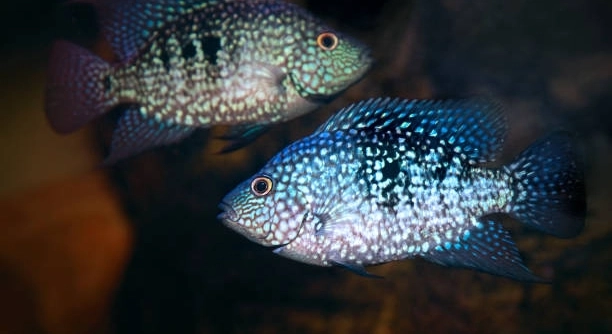
Have you ever noticed your Dempsey fish moving their fins in a quick, fluttering way? This small movement can catch your attention, making you wonder if it’s normal or if your fish is trying to communicate something important.
When Dempsey fish shake their fins, it usually signals communication, stress, or a response to their environment. This behavior can indicate social interaction with other fish, discomfort from water conditions, or a natural way of showing alertness or readiness.
Observing these subtle movements can reveal a lot about your fish’s well-being and how they interact within their tank environment.
Understanding Fin-Shaking Behavior
When Dempsey fish shake their fins, it is often a sign of communication or environmental response. In my tank, I noticed my fish fluttering their fins more when new fish were added. This behavior can indicate dominance, curiosity, or a need to assert space. Fins are sensitive to water flow and changes in their surroundings. Shaking helps them adjust and maintain balance while navigating currents. Some fish also use fin movements to attract attention or signal readiness during social interactions. Watching these movements closely can help identify patterns in behavior, whether it’s before feeding, during play, or when establishing territory. Over time, you can learn what normal shaking looks like for your individual Dempsey fish. Being aware of subtle shifts, like faster or more frequent fin movement, can highlight stress, excitement, or even early signs of discomfort. Proper observation is key to understanding their habits and ensuring a healthy tank environment.
Fin-shaking in Dempsey fish is a natural behavior that often reflects communication, environmental awareness, or social interaction with other fish in the tank.
Keeping track of these movements allows you to notice changes in behavior. By paying attention, you can respond quickly to environmental or health issues and maintain a calmer, balanced aquarium.
Environmental Triggers for Fin Movement
Environmental factors often trigger Dempsey fish to shake their fins.
Water quality is one of the most important influences. Fish are sensitive to temperature, pH levels, and cleanliness. If water conditions shift, fin-shaking can indicate discomfort. Tank layout also matters. Rocks, plants, and hiding spots affect how fish navigate their space. Strong currents or frequent changes can prompt more movement. Lighting changes may also cause fin fluttering, especially during transitions between bright and dim settings. Noise or vibrations near the tank can startle fish, leading to shaking as a quick reaction. Monitoring these factors helps maintain a stable, comfortable environment. Consistency is essential. Observing patterns in fin movement relative to environmental changes helps distinguish normal behavior from signs of stress. By addressing water quality, current, lighting, and noise, you create a calm tank where your Dempsey fish can thrive. Simple adjustments often reduce excessive shaking and make your fish more comfortable overall.
Recognizing Stress Signals
Fin shaking can be an early sign of stress in Dempsey fish. Stress often comes from overcrowding, poor water quality, or sudden changes in the tank. Noticing these signals early allows for adjustments that can improve your fish’s comfort and overall health.
Stress in Dempsey fish is not always obvious, but fin movement is a subtle indicator. When my fish began shaking their fins more frequently, I checked water temperature, pH levels, and tank mates. Overcrowding or aggressive neighbors can cause them to display these movements. Even minor changes, like rearranging decorations or adding new lighting, can trigger fin shaking. Keeping the tank stable and monitoring behavior closely helps reduce stress. Regular observation of feeding habits, swimming patterns, and interaction with other fish adds context to fin movements, making it easier to identify when your Dempsey fish is experiencing stress versus normal activity.
Observing stress-related fin shaking also helps prevent long-term health issues. Chronic stress can weaken the immune system and make fish more prone to illness. Maintaining a clean tank with stable water parameters is essential. In my experience, adding hiding spots and ensuring each fish has its own space reduced fin-shaking behaviors significantly. Watching your fish over time allows you to understand what triggers stress and how to respond quickly. This careful attention ensures a healthier, calmer environment for all tank inhabitants.
Social Interaction and Dominance
Fin shaking is often linked to social hierarchy in Dempsey fish. Shaking can show dominance, assert territory, or signal readiness to engage with other fish.
Dempsey fish use fin movement to communicate with tank mates. When my fish shake their fins around new additions, it’s usually a warning or a way to establish boundaries. These displays are often brief but frequent and can be accompanied by changes in body posture or color. In larger groups, fin shaking helps fish maintain order and reduce conflicts. Observing which fish initiate shaking versus responding helps identify dominant or submissive individuals. This behavior is natural and important for social balance. Providing adequate space and visual barriers can reduce stress during these interactions. Watching these subtle cues over time makes it easier to understand social dynamics in your tank and prevents potential aggression or injury.
Feeding and Excitement
Fin shaking can occur when Dempsey fish anticipate feeding. They often move their fins quickly while watching food approach. This behavior signals alertness and eagerness rather than stress or aggression.
Excited fin movement is common during feeding times. In my tank, my Dempsey fish flutter their fins whenever I pour pellets or drop frozen food. It seems to be a way of showing readiness and increasing swimming activity. This shaking usually lasts only a few moments and stops once they start eating. Observing the pattern helps distinguish excitement from stress-related fin shaking, making it easier to understand their behavior and respond appropriately.
Health-Related Fin Shaking
Persistent or unusual fin shaking can indicate a health problem in Dempsey fish. Parasites, fin rot, or other infections can cause involuntary movements. Observing other signs like discoloration, clamped fins, or lethargy is essential. Early detection improves treatment outcomes and helps prevent the spread of disease.
Water Quality Checks
Fin shaking often points to water issues. Regularly testing pH, ammonia, nitrite, and nitrate levels is critical. Maintaining clean water reduces stress and promotes healthy behavior, preventing excessive fin movement caused by discomfort or irritation.
FAQ
Why do Dempsey fish shake their fins so often?
Frequent fin shaking can have several explanations. Most often, it is a normal behavior used for communication or signaling within the tank. However, sudden or constant shaking can also indicate stress, irritation from poor water quality, or discomfort from tankmates. Observing other behaviors, like swimming patterns or appetite, can help determine the cause. In my tank, I noticed my Dempsey fish shaking more when new decorations were added or water conditions changed, which suggests environmental sensitivity. Recognizing patterns over time makes it easier to distinguish between normal excitement and early warning signs of stress or health problems.
Is fin shaking always a sign of aggression?
Not necessarily. While fin shaking can be a dominance display, especially when new fish are introduced, it is also used for communication and balance. My Dempsey fish often shake their fins without chasing or showing aggression. Paying attention to body posture and interaction with other fish helps identify if the movement is aggressive or simply a social signal. Aggressive fin shaking is usually accompanied by color changes, flaring gills, or charging behavior, while non-aggressive shaking is calmer and more intermittent.
Can water quality affect fin-shaking behavior?
Yes, water quality plays a major role in fin movement. Poor water conditions, like high ammonia, nitrite, or drastic temperature changes, can irritate fish and cause frequent fin shaking. I learned that even small shifts in pH caused noticeable changes in my fish’s behavior. Regular testing and maintenance, including water changes and filtration checks, reduce stress and prevent irritation-related fin shaking. Clean and stable water supports normal activity and keeps fish comfortable.
Does fin shaking indicate illness?
Persistent or unusual fin shaking may point to health issues. Conditions like fin rot, parasites, or bacterial infections can make fins twitch or flutter involuntarily. I once noticed my Dempsey fish shaking its fins while hiding more than usual and showing slight discoloration. This led me to check for infections, and early treatment helped prevent worsening. Watching for additional signs such as clamped fins, lethargy, or changes in appetite can help catch illnesses early, allowing for quicker intervention and a healthier tank.
Is fin shaking linked to feeding behavior?
Yes, fin shaking is often linked to excitement during feeding. Dempsey fish may flutter their fins in anticipation of food or while watching you approach the tank. In my experience, this shaking is brief and stops once feeding begins. Recognizing this pattern helps differentiate normal excitement from stress or health-related issues. Feeding-related fin shaking is generally harmless and indicates alertness and readiness to eat.
Can environmental changes trigger fin shaking?
Absolutely. Changes like adding new fish, rearranging tank decorations, adjusting lighting, or creating strong currents can cause fin-shaking behavior. My Dempsey fish tend to shake their fins when the tank setup is altered or when nearby vibrations occur. Providing stable conditions, hiding spots, and gradual adjustments helps reduce stress-induced fin movements and keeps fish behavior predictable.
How can I tell if fin shaking is serious?
Fin shaking becomes serious when it is constant, accompanied by other signs of distress, or linked to changes in behavior like lethargy or poor appetite. I track the frequency, duration, and context of shaking in my tank. Early identification of stress or illness allows for corrective actions, like improving water quality or treating infections, before long-term health issues develop. Monitoring patterns over time is key to understanding whether fin shaking is normal or a problem that requires attention.
Can fin shaking be prevented?
While you cannot stop normal communication or excitement-related fin shaking, most stress- or environment-related shaking can be minimized. Maintaining stable water conditions, providing adequate space, avoiding overcrowding, and keeping tankmates compatible helps prevent unnecessary stress. In my experience, observing behavior regularly and making small, consistent improvements reduced excessive fin-shaking significantly and kept the fish calmer overall.
Final Thoughts
Observing your Dempsey fish shaking their fins can be a small but important part of understanding their behavior. This movement is often normal and reflects communication, alertness, or excitement, but it can also indicate stress or discomfort. In my tank, I noticed that fin shaking became more noticeable when I changed decorations or added new fish. By paying attention to these details, it became easier to identify the difference between natural behavior and signs of concern. Fin movements can tell you a lot about how your fish feel, helping you respond appropriately to their needs and maintain a healthy, balanced tank environment.
Maintaining stable conditions in the aquarium is essential for reducing unnecessary fin shaking. Water quality, temperature, and tank layout all play major roles in your fish’s comfort. I learned that even small changes in water pH or ammonia levels could make my Dempsey fish shake more than usual. Overcrowding or aggressive tankmates can also increase stress-related fin movements. Providing hiding spots, ensuring enough swimming space, and monitoring interactions between fish helps prevent tension in the tank. Regular observation is key. Noticing small patterns, like fin shaking before feeding or during social interactions, can help you understand whether the movement is harmless or a signal that something needs attention.
Fin shaking should not be ignored when it becomes persistent or unusual. Constant fluttering, clamped fins, lethargy, or changes in appetite may indicate health problems like fin rot, parasites, or infections. Early detection allows for treatment and can prevent long-term harm. While natural fin movements during feeding or social interactions are normal, tracking any changes in behavior is important for the well-being of your fish. With careful observation, proper tank maintenance, and attention to environmental and social factors, you can create a comfortable, stress-free space for your Dempsey fish. Over time, understanding the subtle signals in their fin movements will help you respond to their needs and ensure a healthy, thriving aquarium.

Hello,
If you enjoy the content that we create, please consider saying a "Thank You!" by leaving a tip.
Every little bit helps us continue crafting quality advice that supports the health, happiness, and well-being of pets around the world, for pets of all shapes, sizes, and species.
We really appreciate the kindness and support that you show us!