
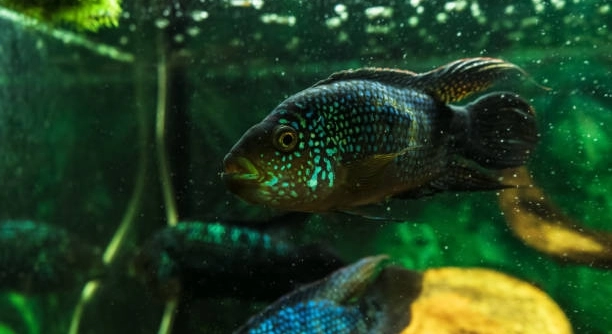
Have you ever noticed sudden movements from your Jack Dempsey fish when sounds change around the tank, especially during daily activities that create vibrations, noise, or shifts within the room environment at home consistently indoors
Jack Dempsey fish do react to noise, as auditory vibrations transmit through water and are detected by their sensory systems. Repeated or loud sounds may alter behavior, stress levels, and feeding responses within controlled aquarium environments over extended exposure periods.
Understanding sound sensitivity helps improve tank care and reveals how everyday household noise shapes your fish overall comfort and wellbeing.
How Noise Reaches Jack Dempsey Fish
Sound behaves differently in water than in air, and this matters greatly for Jack Dempsey fish kept in aquariums. Vibrations travel faster and farther through water, reaching fish bodies directly instead of passing only through ears. Jack Dempsey fish rely on their lateral line system, an organ that senses movement and pressure changes. This system allows them to detect nearby motion, tank vibrations, and low frequency sounds. Common household noise such as footsteps, doors closing, or loud voices can send vibrations through tank glass and water. Over time, repeated exposure may change swimming patterns or hiding behavior. I have noticed fish becoming less active when tanks are placed near televisions or speakers. The tank location plays a major role in how much sound reaches the fish. Hard surfaces amplify vibration, while stable stands help reduce constant movement and stress inside the aquarium over long periods of daily household activity nearby.
Not all sounds cause visible reactions, but sudden or sharp noise tends to create stronger responses. Short bursts may startle fish briefly, while ongoing vibration often leads to gradual stress responses that are harder to notice at first, especially in smaller tanks with limited space and cover available for fish.
Jack Dempsey fish are known for bold behavior, yet noise can still influence their daily routines. Feeding responses may slow when vibration becomes constant. Territorial displays can appear more intense or less frequent depending on stress levels. In some cases, fish retreat to corners or remain near decor for longer periods. I have found that calmer environments support more natural movement and coloration. Reducing unnecessary sound does not mean total silence, but balance. Consistency matters more than perfection. When noise stays predictable, fish adapt more easily. Sudden changes tend to create noticeable reactions compared to background sound within the aquarium.
Reducing Noise Stress in the Aquarium
Simple changes can lower noise exposure without major effort. Placing tanks away from speakers, hallways, and heavy doors helps limit vibration. Using padded mats under stands also reduces movement transferred through floors and furniture during daily routines and household activities that repeat throughout the day inside the home environment overall.
Consistency plays a large role in helping Jack Dempsey fish remain comfortable around sound. Regular schedules for feeding, cleaning, and lighting help fish anticipate activity rather than react defensively. Sudden loud events create stronger behavioral shifts than steady background noise. Televisions, music, and conversations are usually tolerated when volume remains stable. Tank maintenance should be done calmly, avoiding tapping on glass or moving decor quickly. I try to observe fish behavior after changes in my home routine, as subtle signs often appear first. Reduced appetite, fading color, or extended hiding can signal ongoing stress. Addressing sound exposure early supports long term health. A calm tank promotes steady growth, balanced behavior, and stronger immune response. Noise management works best when combined with proper filtration, tank size, and enrichment. Together, these factors create an environment where Jack Dempsey fish maintain natural behavior and resilience over time. This approach reduces unnecessary strain and supports consistent social behavior within the tank. Over time, fish appear more confident, display clearer markings, and interact with surroundings in a stable, predictable manner. These outcomes reflect improved comfort and highlight the importance of mindful aquarium placement within busy living spaces where daily activity remains unavoidable but manageable overall.
Behavioral Signs Linked to Noise
Sudden loud sounds often trigger immediate reactions in Jack Dempsey fish. Rapid darting, freezing in place, or quick hiding behind decor are common. These responses show a basic startle reflex rather than aggression, and usually fade once the environment becomes quiet again after brief exposure periods indoors within home tanks.
Repeated noise exposure creates subtler behavioral changes that develop over time. Jack Dempsey fish may swim less, patrol smaller areas, or show reduced interest in food. I have noticed slower responses during feeding when background vibration remains constant. Prolonged stress can also affect coloration, making markings appear duller. While these shifts are not always dramatic, they indicate ongoing discomfort. Consistent noise can interfere with rest periods and increase energy use. Over weeks, this imbalance may weaken immune response and make fish more vulnerable to disease within closed aquarium systems especially when tanks lack hiding spaces and stable lighting conditions persist.
Individual personality influences how strongly a Jack Dempsey fish reacts to sound. Some fish adapt quickly, while others remain cautious for longer periods. Tank size also plays a role, as smaller volumes amplify vibration. Sparse decor offers fewer escape options, increasing visible stress. I tend to see calmer behavior in tanks with plants and caves. These features break up sound waves and provide shelter. Age and past exposure matter as well. Fish raised in busy environments often tolerate noise better than those from quieter settings. This pattern becomes clear through long term observation at home aquarium care routines over time.
Common Household Noise Sources
Household sounds differ in impact depending on frequency and consistency. Low vibrations from footsteps or appliances transfer easily through floors. Sudden high volume noise causes stronger reactions. I notice less stress when sound remains predictable. Random bursts tend to interrupt resting behavior and trigger alert postures, especially during evening hours when fish are less active overall. These patterns repeat across many tanks in shared living spaces with daily routines and family movement nearby inside homes.
Managing sound exposure starts with thoughtful tank placement. Avoid placing aquariums near televisions, speakers, or heavy traffic areas. Solid stands reduce vibration transfer from floors. Using foam mats beneath tanks can help dampen movement. I prefer positioning tanks along interior walls where sound levels remain stable. Maintenance habits also matter. Gentle movements during cleaning reduce sudden disturbances. Keeping a consistent daily schedule helps fish anticipate activity. Over time, these adjustments support normal feeding, coloration, and social behavior. Noise control does not require silence, only balance. A steady environment allows Jack Dempsey fish to remain confident and active without constant alertness or unnecessary stress responses. This approach improves long term health and reduces visible behavioral strain in most home aquarium settings observed over many years consistently.
Tank Placement and Sound Control
Tank placement plays a major role in how much noise reaches Jack Dempsey fish. Tanks near hallways, doors, or speakers receive more vibration. I have seen calmer behavior when aquariums sit on stable stands, away from constant foot traffic and shared living spaces within busy homes over time consistently observed.
Simple adjustments help reduce sound transfer into the aquarium. Foam mats under stands absorb vibration. Thicker glass tanks dampen movement better than thin setups. I also avoid tapping the glass, since even light contact sends sharp pressure waves through water quickly and affects fish behavior more than many people expect.
Noise Timing and Daily Routines
Noise timing often matters more than overall volume inside the home. Jack Dempsey fish react strongly to sudden changes during rest periods. Evening noise disrupts settling behavior and increases alertness. I try to keep mornings and nights calmer. Consistent daytime sound becomes predictable and easier to tolerate. Feeding during quiet periods improves response and reduces hesitation. Cleaning the tank at the same time each week also helps. When activity follows a pattern, fish show steadier swimming, stronger color, and fewer stress behaviors over time in home aquariums that support long term health and stable behavior patterns consistently observed by keepers.
Short Term Versus Long Term Exposure
Brief noise exposure usually causes short reactions that fade quickly. Long term exposure leads to ongoing stress and behavior changes. I notice greater impact when vibration happens daily without breaks. Managing sound consistently helps prevent chronic strain and supports normal feeding, movement, and recovery patterns in home aquarium settings overall.
FAQ
Can loud music affect Jack Dempsey fish behavior?
Yes, loud music can affect Jack Dempsey fish behavior, especially when bass or low frequency sounds are involved. These vibrations travel easily through floors, stands, and tank glass. I have noticed increased hiding and reduced movement when music volume stays high for long periods. Occasional music is usually tolerated, but constant loud sound often leads to stress responses. Fish may appear alert for long stretches instead of resting. Over time, this can affect feeding habits and overall activity. Keeping volume moderate and predictable helps reduce negative effects.
Do Jack Dempsey fish get used to noise over time?
Jack Dempsey fish can adapt to consistent noise, but adaptation depends on intensity and pattern. Steady background sound is easier for them to tolerate than sudden changes. In my experience, fish placed in busy rooms eventually show calmer behavior if noise remains stable. However, repeated sharp or unpredictable sounds still trigger stress responses. Adaptation does not mean noise has no effect. Long term exposure can still influence energy use and comfort, even if reactions become less obvious.
Is tapping on the aquarium harmful?
Tapping on the aquarium is harmful and should be avoided. Even light tapping sends strong pressure waves through water. Jack Dempsey fish often react by darting or freezing. I have seen fish hide for extended periods after repeated tapping. This behavior creates unnecessary stress and disrupts normal routines. Over time, repeated disturbances can weaken trust in their environment. Clear observation without contact is always a better approach for maintaining calm behavior.
Does tank size influence how noise affects fish?
Tank size plays an important role in sound impact. Smaller tanks amplify vibration because sound waves have less space to dissipate. In larger tanks, fish can move away from vibration sources more easily. I notice fewer stress behaviors in larger setups with proper decor. More water volume also helps soften pressure changes. While size alone does not eliminate noise effects, it significantly reduces intensity and allows fish to cope better with environmental sound.
Are certain times of day more sensitive for noise exposure?
Yes, certain times of day are more sensitive. Jack Dempsey fish tend to rest more during evening and night hours. Sudden noise during these periods often causes stronger reactions. I try to keep the area quieter at night, and this improves overall behavior. Daytime noise is usually handled better, especially if it follows a predictable pattern. Aligning feeding and maintenance with calmer periods also helps reduce stress.
Can household appliances bother Jack Dempsey fish?
Household appliances can bother Jack Dempsey fish, particularly washing machines, dryers, and vacuum cleaners. These devices create low vibration that transfers through floors. I have noticed fish becoming restless when these appliances run nearby. Moving tanks away from shared walls or using vibration absorbing mats helps reduce impact. While appliances are unavoidable, limiting duration and proximity makes a noticeable difference.
Does noise affect feeding response?
Noise can affect feeding response in Jack Dempsey fish. Stress often leads to hesitation during feeding or reduced appetite. I have observed slower reactions when background vibration is present. Fish may approach food cautiously or retreat after sudden sounds. Feeding during quiet periods improves consistency and reduces wasted food. Stable sound conditions help fish remain focused and confident during meals.
Can noise increase aggression in Jack Dempsey fish?
Noise may increase aggression in some cases, especially when stress levels remain high. Jack Dempsey fish are territorial by nature, and ongoing discomfort can intensify defensive behavior. I have seen more frequent chasing and flaring in noisy environments. Providing hiding spaces and reducing sound helps balance behavior. Aggression linked to noise often decreases once the environment becomes calmer and more predictable.
Is complete silence necessary for healthy fish?
Complete silence is not necessary for healthy Jack Dempsey fish. Normal household sound is usually fine when it remains consistent. I focus more on reducing sudden or intense noise rather than eliminating all sound. Fish adapt well to stable environments. Balance is key. A calm, predictable setting supports normal movement, feeding, and coloration without requiring unrealistic silence.
How can I tell if noise is stressing my fish?
Signs of noise related stress include hiding, reduced swimming, faded color, and slower feeding response. I pay attention to changes that last more than a day. Brief reactions are normal, but ongoing shifts suggest discomfort. Observing behavior patterns helps identify triggers. Making small adjustments to sound exposure often leads to visible improvement within days, confirming the link between noise and stress.
Final Thoughts
Jack Dempsey fish are strong, alert, and adaptable, but they are still affected by their surroundings. Noise is not always obvious as a stress factor because its effects build slowly. What starts as a brief reaction can turn into long term discomfort if the environment stays unstable. Through observation, it becomes clear that sound influences movement, feeding, and resting behavior. Even when fish appear calm, constant vibration can quietly affect their energy and immune balance. Paying attention to these details allows for better care choices. A stable sound environment supports natural behavior and helps fish maintain confidence within their space. This is not about creating silence, but about reducing unnecessary disruption that adds strain over time.
Small adjustments often create meaningful improvements. Tank placement, routine consistency, and awareness of daily household activity all play a role. I have found that fish respond best when their environment follows a pattern they can predict. Predictability reduces alert behavior and allows more time for resting and exploration. When sound remains steady, fish spend less energy reacting and more energy maintaining health. This balance supports brighter coloration, smoother movement, and stronger feeding responses. These changes may seem subtle at first, but they become more noticeable with time. Good care often shows itself in what does not happen, such as reduced hiding or fewer stress behaviors.
Understanding how Jack Dempsey fish respond to noise helps create a more supportive aquarium setup. It encourages mindful habits rather than drastic changes. Observing fish behavior daily builds awareness of what works and what does not. Over time, this attention leads to better decisions and a calmer environment overall. Sound management becomes part of routine care, just like water quality and feeding schedules. When these factors work together, fish thrive more easily. A thoughtful approach to noise helps maintain stability and promotes long term wellbeing. This consistency benefits both the fish and the keeper by creating a balanced and enjoyable aquarium experience built on awareness, patience, and steady care practices.

Hello,
If you enjoy the content that we create, please consider saying a "Thank You!" by leaving a tip.
Every little bit helps us continue crafting quality advice that supports the health, happiness, and well-being of pets around the world, for pets of all shapes, sizes, and species.
We really appreciate the kindness and support that you show us!