
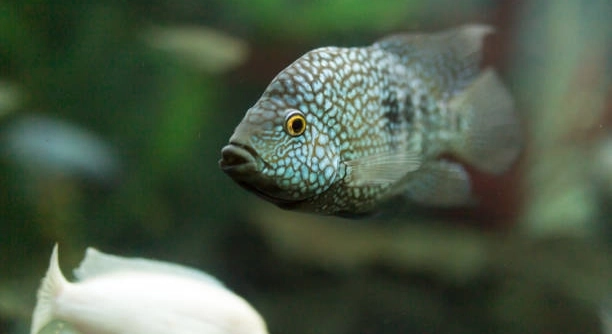
Have you ever noticed subtle changes in your Jack Dempsey fish and wondered what they mean? These fish can show small signs of readiness to spawn. Observing these behaviors helps you understand their natural instincts and patterns.
Jack Dempsey fish display specific indicators when preparing to spawn, including intensified coloration, protective territory behavior, nest building, and unique courtship movements. Recognizing these signs allows aquarists to manage breeding environments effectively and promote successful reproduction.
Knowing these clues ensures you can provide a supportive habitat for spawning and maintain the overall health of your fish population. Awareness of these behaviors is essential for proper care.
Color Intensifies Before Spawning
Before Jack Dempsey fish spawn, their colors become noticeably brighter. Males often display deeper blues and greens, while females may show warmer tones. This color change signals readiness and helps attract a mate. Observing your fish closely over several days can reveal these subtle shifts. It often begins around the fins and face, spreading gradually across the body. Color changes can also indicate health and stress levels. A well-fed, comfortable fish will show more vibrant hues, whereas a stressed fish may appear dull. Environmental factors such as lighting, water quality, and temperature affect coloration. Consistent care helps maintain healthy colors and encourages natural behaviors. Watching these changes over time gives a better understanding of your fish’s breeding habits. Color intensity is one of the easiest signs to notice, making it a reliable indicator of spawning readiness.
Color shifts often appear before any nesting behavior, making them an early and visible sign of readiness.
Providing consistent lighting and a clean environment helps your fish display natural colors. Observing the changes carefully allows you to time breeding preparations. Adjusting tank conditions slightly, like adding plants or hiding spots, can reduce stress and support natural behaviors. Males with brighter colors will typically start defending areas, while females respond with subtle movements. These color cues are essential for identifying pairing readiness. Maintaining stable water parameters and regular feeding ensures that the fish remain healthy and vibrant. By paying attention to these changes, you can better understand when the fish are ready to spawn.
Nesting Behavior and Territory
Jack Dempsey fish begin preparing a nesting site, often clearing flat surfaces like rocks or tank bottoms.
Once a male chooses a spot, he will vigorously clean it of debris and mark it as his territory. This behavior involves moving small objects, fanning the area with fins, and showing aggression toward intruders. Females may follow and inspect the site, indicating interest. Territorial defense can include chasing other fish or displaying flared fins to assert dominance. Nesting preparation is a crucial part of reproductive behavior, ensuring eggs have a safe place. Observing this activity helps determine which fish are ready to breed. Tank size and structure influence nesting success. Providing flat surfaces, smooth rocks, or shallow depressions encourages natural behavior. Some males become highly protective, which may require separating other tank mates temporarily. Nesting behavior is a clear, observable sign that breeding is imminent. The interaction between male and female during site selection shows readiness and coordination for spawning. By monitoring these behaviors, you can anticipate and support successful reproduction.
Increased Aggression
Males become noticeably aggressive as they protect their chosen nesting site. They may chase other fish, flare their fins, and make rapid movements around the territory. This behavior signals readiness to spawn and ensures the area is safe for eggs.
Aggression in Jack Dempsey fish peaks during the spawning period. Males guard the nest continuously, often showing intense displays toward any perceived intruder. This includes ramming tank decorations or even gentle nudges at other fish. Females also show assertiveness when inspecting the nesting site. Observing these interactions helps identify which fish are ready to breed. Aggressive behavior is a natural part of reproduction and should not be discouraged, but it may require separating other fish to prevent injury.
While aggression can seem alarming, it is a normal reproductive instinct. Recognizing these patterns ensures proper care and management of the tank during spawning. Providing ample hiding spots can reduce stress and help maintain harmony. The intensity of aggression often corresponds to the proximity of spawning, offering a reliable clue for breeding readiness.
Fanning and Cleaning Movements
Males begin fanning the nesting area with their fins to keep it clean and oxygenated. This repeated movement ensures eggs will have a healthy environment for development.
Fanning and cleaning involve continuous sweeping motions across the chosen flat surface. The male removes debris, sifts gravel, and often nudges particles away from the nest. This activity increases as spawning approaches, signaling peak readiness. Females may join briefly to inspect the site, but most fanning is done by the male. Observing this behavior helps predict when eggs will be laid, as it occurs immediately before mating. Tank conditions, like water flow and cleanliness, influence the effectiveness of these movements. Fanning not only prepares the area physically but also demonstrates the male’s commitment to the nesting site.
Consistent fanning indicates that the fish are in the active reproductive phase. Watching the intensity and frequency of these movements allows you to anticipate spawning events. Ensuring the tank remains calm and free of disturbances helps the fish complete these behaviors successfully. Over time, these repeated movements can also highlight the male’s strength and overall health, which are essential for successful breeding. Careful observation of these patterns provides clear guidance for supporting natural reproduction.
Pairing Displays
Males and females perform subtle pairing displays near the nest. These include circling each other, gentle nudges, and synchronized swimming patterns. Such interactions indicate mutual readiness to spawn and help establish coordination before egg-laying begins.
The female may linger near the nesting site while the male fends off intruders. Both fish display more vibrant colors during these interactions. These behaviors are essential for successful mating and signal the final stages of readiness.
Belly Swelling
Female Jack Dempsey fish develop a noticeably swollen belly when ready to spawn. This swelling is caused by maturing eggs and indicates that spawning will occur soon. Proper nutrition and a stress-free environment support healthy egg development and readiness.
Egg Laying Preparation
Females begin to position themselves over the prepared nesting site. They may touch the surface lightly and test the area for suitability. This careful behavior ensures that the eggs will be placed safely and remain protected during fertilization.
Close Observation
Watching your fish closely during this stage is crucial. Small changes in behavior, positioning, and interaction provide clear signals that spawning is imminent. Maintaining a stable environment supports their natural instincts.
FAQ
How can I tell when a Jack Dempsey fish is ready to spawn?
Readiness is usually indicated by a combination of behaviors. Males display brighter colors, become more territorial, and clean or fan a nesting site. Females develop a swollen belly from maturing eggs. Pairing displays and synchronized movements near the nest also signal readiness. Observing these behaviors over several days helps predict spawning.
What kind of environment encourages Jack Dempsey fish to spawn?
A stable tank with consistent temperature, clean water, and gentle lighting is ideal. Flat surfaces, smooth rocks, or shallow depressions support nest building. Providing hiding spots reduces stress and allows the fish to behave naturally. Minimal disturbances from other fish or tank activity improve the chances of successful spawning.
Do Jack Dempsey fish need specific water conditions for breeding?
Yes. Slightly warmer water, around 78–82°F, encourages spawning. Maintaining a neutral to slightly acidic pH helps mimic their natural habitat. Regular water changes keep conditions stable and remove excess debris. Proper filtration and gentle water flow are also important to prevent disturbance of the nest.
How long does it take for the eggs to hatch?
After fertilization, eggs typically hatch in 3–5 days depending on water temperature. Warmer water can speed up development, while cooler water may slow it. Observing the nest daily ensures that eggs remain safe from debris or other fish and allows timely intervention if issues arise.
Should I separate the parents from other fish during spawning?
Yes. Males become aggressive during this period, defending the nesting site vigorously. Separating other tank mates prevents injury and reduces stress for both the breeding pair. Providing adequate space within the tank allows the pair to complete natural behaviors without interference.
How can I support the female before and during spawning?
Providing a high-quality diet rich in protein and nutrients ensures healthy egg development. Reducing stress by minimizing sudden movements, loud noises, and excessive handling encourages natural behavior. Observing without interference allows her to position herself properly over the nest and participate fully in the spawning process.
What should I do if the male becomes too aggressive?
Aggression is normal, but if it threatens the female or other tank mates, temporary separation may be necessary. Adding visual barriers, rearranging decorations, or using separate breeding tanks can help manage intensity. Close observation ensures both fish remain healthy throughout the process.
How many eggs does a female typically lay?
A healthy female Jack Dempsey can lay several hundred eggs, often clustered tightly in the prepared nest. The exact number depends on age, health, and nutrition. Monitoring egg development helps ensure they remain protected and viable for hatching.
When should I move the fry to a separate tank?
After hatching, fry are small and vulnerable. Parents may continue to guard them for a few days, but once they become free-swimming, it is often safer to transfer them to a separate rearing tank. This reduces the risk of accidental predation and provides better control of feeding.
How can I ensure the fry grow healthy?
Feed the fry appropriate small foods, such as infusoria, newly hatched brine shrimp, or finely crushed flakes. Maintain clean water and stable temperature to prevent stress. Gradually introduce larger food as they grow. Observing behavior and growth daily allows early intervention if any issues arise.
Is it normal for parents to eat their eggs?
Yes, it can happen, especially if the fish feel stressed or the eggs are unhealthy. Proper tank conditions, minimal disturbances, and a secure nesting site reduce this risk. Removing other fish and ensuring the parents are well-fed also helps prevent egg predation.
How often do Jack Dempsey fish spawn?
With proper care, breeding pairs may spawn multiple times per year. Spawning frequency depends on the health of the fish, environmental conditions, and availability of suitable nesting sites. Observing readiness behaviors allows you to anticipate and support each spawning event.
Can I breed Jack Dempsey fish in a community tank?
It is challenging because of their aggressive territorial behavior. Spawning is more successful in a dedicated breeding tank where the pair has space, minimal disturbance, and a prepared nesting site. Community tanks may stress the fish and reduce spawning success.
What are signs that spawning has been successful?
Successful spawning is indicated by fertilized eggs clustered in the nest, continued guarding behavior by the male, and ongoing fanning to keep eggs clean and oxygenated. Eggs should appear clear or slightly golden, and parents remain attentive for several days until hatching occurs.
How can I tell if eggs are infertile?
Infertile eggs often appear cloudy, discolored, or fungus-covered. They may fail to develop and should be removed to prevent contamination of healthy eggs. Removing infertile eggs supports the remaining clutch and improves overall hatching success.
What happens after the fry hatch?
The fry remain near the nest for a few days, receiving protection from the parents. Once they become free-swimming, they start feeding on tiny foods. Gradually, they gain strength and independence, but continued observation ensures they grow safely and maintain proper health.
Are there any special considerations for first-time breeders?
First-time breeders may be less experienced with nest guarding or egg care. Close observation is necessary to ensure both parents perform natural behaviors. Providing a calm, structured environment and monitoring water conditions reduces stress and supports a higher chance of successful spawning.
How long do Jack Dempsey fish continue to guard the eggs?
Guarding typically continues until the eggs hatch and the fry become free-swimming, usually 4–7 days. Afterward, parents may still protect the young briefly, but their attention gradually decreases as the fry grow more independent.
What should I feed adult fish to improve spawning readiness?
High-protein foods such as live or frozen worms, shrimp, and quality pellets promote health and egg development. Regular feeding supports energy for nesting, fanning, and guarding behaviors. Nutritional support is essential for both male and female fish during breeding periods.
Can environmental stress prevent spawning?
Yes. Sudden temperature changes, poor water quality, overcrowding, or excessive disturbances can delay or prevent spawning. Maintaining a stable, clean, and appropriately sized environment allows natural reproductive behaviors to occur without interference.
How can I track progress without disturbing the fish?
Observing quietly from a distance or using gentle indirect lighting allows monitoring of behaviors like fanning, aggression, and pairing. Avoid tapping on the tank or sudden movements, as these can stress the fish and disrupt spawning activities.
Is it necessary to remove eggs if parents are present?
No. Parents generally care for and protect the eggs. Removal is only needed if the parents are stressed, aggressive, or neglecting the clutch, which could threaten survival. Proper observation helps determine whether intervention is required.
What are the most common mistakes in breeding Jack Dempsey fish?
Mistakes include overcrowding the tank, neglecting water quality, providing insufficient nesting areas, and disturbing the breeding pair. Stress and poor nutrition also reduce egg viability. Following careful observation and consistent care ensures higher success rates.
How do I know when to separate the fry from the parents?
Once the fry are free-swimming and parents no longer guard them actively, they should be moved to a separate tank. This prevents accidental predation and allows controlled feeding and growth management for the young fish.
What is the ideal tank size for breeding?
A tank of at least 55 gallons is recommended for a breeding pair. This provides enough space for nest building, territorial behavior, and reduced stress from close confinement. Larger tanks offer more flexibility and better water stability.
How long until the fry reach maturity?
Fry grow steadily over several months. Depending on food, water quality, and tank conditions, they can reach sexual maturity around 10–12 months. Proper care during the early weeks is critical for healthy growth and survival.
Can one pair spawn multiple times in the same tank?
Yes. With consistent care, proper nutrition, and a stable environment, pairs may spawn several times a year. Monitoring readiness behaviors helps anticipate breeding events and manage multiple clutches successfully.
Are Jack Dempsey fish good parents?
They are attentive, especially males, and exhibit strong guarding and fanning behaviors. First-time breeders may need more observation, but overall, they provide reliable care for eggs and fry when conditions are stable.
How do I prevent fungal growth on eggs?
Maintaining clean water, proper filtration, and good fanning by the male reduces fungal development. Removing dead or infertile eggs promptly prevents contamination. Stable temperature and minimal disturbance further support healthy egg growth.
What is the role of the male during spawning?
The male primarily guards the nest, fanns eggs, and wards off intruders. His vivid coloration and aggression help protect eggs and prepare the site for fertilization. These behaviors are critical for successful reproduction.
Can Jack Dempsey fish spawn in a community tank?
It is possible but risky. Aggressive territorial behavior can stress or injure other fish. Dedicated breeding tanks increase the likelihood of successful spawning and reduce conflict with tank mates.
How often should water changes be performed during breeding?
Moderate, frequent water changes help maintain clean, stable conditions. Overly large changes can stress the fish, but small, consistent adjustments support egg health and prevent contamination.
What signs indicate successful fertilization?
Fertilized eggs are firm, clustered, and maintain a clear or golden hue. Parents continue fanning and guarding consistently. Infertile eggs appear cloudy or shriveled and should be removed to protect healthy eggs.
How do I manage aggressive pairs in a small tank?
Providing visual barriers, separating other fish, and increasing hiding spots reduces stress. Monitoring closely ensures both fish can complete nesting behaviors without harm to themselves or others.
What is the best way to feed free-swimming fry?
Start with tiny foods such as infusoria or newly hatched brine shrimp. Gradually transition to larger food as fry grow. Frequent, small feedings support healthy development and prevent starvation.
Can environmental enrichment affect spawning?
Yes. Plants, rocks, and safe hiding spots encourage natural behaviors, reduce stress, and support successful mating and egg care. A well-structured tank promotes reproductive instincts.
How can I tell if the male is properly fanning the eggs?
Effective fanning is continuous, moves debris away, and maintains gentle water circulation around eggs. It ensures oxygenation and cleanliness, essential for egg survival. Observing this behavior confirms proper parental care.
What should I do if eggs fail to hatch?
Check water quality, temperature, and parent behavior. Remove any fungal or dead eggs. If conditions were poor, consider repeating breeding in a controlled environment with improved care.
How do I handle multiple breeding pairs in one facility?
Separate pairs into individual tanks to prevent aggression. Each pair should have a clean nesting site, stable water, and minimal disturbance. Careful observation ensures all pairs have a chance to spawn successfully.
Is it normal for females to chase males occasionally?
Yes. During pairing, females may test the male’s territory or interact to coordinate egg-laying. These movements are part of natural courtship and should not be disrupted.
How can I prevent overfeeding during breeding?
Feed adults a balanced diet in measured portions. Excess food can foul water and stress the fish. Controlled feeding supports egg development and reduces water contamination.
What are common signs of stressed fish during spawning?
Signs include faded colors, hiding, erratic swimming, or aggression outside the norm. Stress can disrupt spawning, so maintaining calm, stable conditions is essential for success.
How long do parents care for the fry?
Guarding continues for a few days after hatching, but gradually declines as fry gain independence. Monitoring ensures safety until fry are free-swimming and able to feed on their own.
Can first-time spawns fail even under good conditions?
Yes. Inexperience, stress, or minor environmental issues can lead to failed spawning. Observing behaviors and gradually improving conditions increases success rates for future attempts.
What is the ideal diet for fry growth?
Start with infusoria, then move to small live or frozen foods, and eventually finely crushed flakes. Balanced nutrition supports strong development and healthy immune systems.
Are Jack Dempsey fish selective about mates?
Yes. Pairing displays and interactions help establish compatibility. Fish that show mutual interest are more likely to spawn successfully, making observation important for predicting outcomes.
Can environmental lighting affect spawning?
Yes. Consistent lighting encourages natural behaviors and helps maintain daily rhythms. Sudden changes or excessive brightness can stress the fish and interfere with courtship or nesting.
How long should I monitor eggs each day?
Brief, gentle observation once or twice daily is sufficient. Extended interference can stress the parents. Focus on fanning, guarding, and egg condition.
Do Jack Dempsey fish require live plants for spawning?
Plants are helpful but not essential. They provide hiding spots and reduce stress, supporting natural behaviors. Flat surfaces and smooth rocks are sufficient for nest preparation.
What is the role of water temperature in egg development?
Stable, slightly warm water accelerates development. Fluctuating temperatures can slow hatching or harm eggs. Maintaining 78–82°F ensures timely and healthy growth.
Can I reuse the same breeding tank for multiple spawns?
Yes, with proper cleaning and maintenance. Remove debris, infertile eggs, and excess algae to prepare the tank for the next breeding cycle.
How do I know when the fry are ready for regular feeding?
Once free-swimming, fry start seeking tiny food actively. Begin with infusoria or small live food and gradually introduce larger options as they grow.
Is it necessary to aerate the tank during spawning?
Gentle aeration can help maintain oxygen levels, but excessive flow may disturb eggs. Fanning by the male usually provides sufficient circulation.
How do I reduce risk of egg fungus naturally?
Stable water, proper fanning, and removing dead eggs reduce fungal growth. Avoid harsh chemicals that may harm developing embryos.
Can stress affect male coloration?
Yes. A stressed male may appear dull, reducing visual cues for spawning. Maintaining a calm environment and proper nutrition helps restore vibrant colors.
What is the best way to handle a large clutch of eggs?
Ensure adequate space and protection in the nest. Monitor for fungus or debris and remove unhealthy eggs promptly. Consistent care supports survival of the entire clutch.
Are Jack Dempsey fish protective of fry after hatching?
Yes, especially males. They guard the fry briefly, ensuring safety from other fish. Observing this behavior indicates normal parental care.
How can I tell if the female is healthy before spawning?
A healthy female has a rounded belly, bright coloration, and shows interest in the nest. Proper diet and minimal stress ensure readiness.
Do Jack Dempsey fish spawn year-round?
They can, under stable conditions and proper care. Natural cycles may influence frequency, but consistent feeding, temperature, and tank conditions allow multiple spawns.
Is it normal for parents to move the eggs slightly?
Yes. Nudging eggs helps clean the nest, improve oxygenation, and prevent fungus. This behavior is a normal part of parental care.
How do I prevent overcrowding during breeding?
Use separate tanks for each pair. Overcrowding increases aggression and stress, reducing spawning success. Proper spacing ensures each pair can behave naturally.
Can tank size affect breeding success?
Yes. A larger, well-structured tank allows natural behaviors, reduces stress, and supports nest building. Small tanks can lead to aggression and failed spawning.
What is the best way to support multiple fry at once?
Provide frequent small feedings, maintain clean water, and monitor growth. Use gentle filtration to prevent fry from being disturbed or injured. Proper observation ensures healthy development.
How do I tell if the male is too stressed during spawning?
Signs include faded colors, erratic swimming, or neglecting the nest. Stress can harm reproduction. Address water quality, tank conditions, and disturbances promptly.
Are there signs that spawning may fail?
Disinterest in the nest, lack of fanning, aggression toward the female, or sudden color fading may indicate potential failure. Early intervention can sometimes correct conditions.
Can I encourage a second spawning immediately after one clutch?
Only after the fish recover and the tank is clean. Proper rest, nutrition, and stable conditions are essential before attempting another breeding cycle.
What are the signs of healthy fry growth?
Active swimming, regular feeding, steady size increase, and clear coloration indicate healthy development. Monitoring daily ensures early detection of issues.
How do I prevent parents from harming fry?
Separate the fry once free-swimming if necessary. Ensure adequate hiding spots and minimize disturbances to reduce stress-induced aggression.
What is the importance of observing pairing behaviors?
Pairing behaviors indicate mutual readiness and compatibility. Observing these patterns helps predict successful spawning and allows for better preparation of the breeding environment.
How long do eggs remain viable after fertilization?
Typically 3–5 days, depending on water temperature. Proper care and stable conditions ensure maximum viability until hatching occurs.
Is it necessary to track every behavioral change?
Monitoring key behaviors like fanning, aggression, pairing, and color changes is sufficient. Detailed tracking helps anticipate spawning and ensures timely interventions when needed.
How do I prevent egg contamination from other fish?
Separate other fish from the breeding pair. Maintain a clean tank, remove debris, and monitor closely to protect eggs from accidental disturbance or predation.
Can Jack Dempsey fish spawn in tanks without decorations?
Yes, as long as flat surfaces are available for nesting. Decorations help reduce stress and provide hiding spots, but are not strictly necessary for spawning.
How do I manage tank mates during breeding?
Remove or isolate other fish to prevent aggression and stress. A dedicated breeding tank ensures the pair can spawn without interference.
What is the best way to clean the breeding tank between spawns?
Remove debris, infertile eggs, and excess algae. Perform moderate water changes and check filtration. Avoid harsh chemicals that could leave residues harmful to future spawns.
Can first-time fry survive without intervention?
They can, but close observation and proper feeding improve survival. Environmental stability is critical for early development.
How do I support both parents during the spawning process?
Provide a calm, clean environment with adequate food. Monitor behavior, reduce disturbances, and ensure sufficient space for nest building and guarding. Proper care encourages natural reproductive behavior.
How do I prevent stress-related spawning failures?
Maintain stable water, provide adequate space, reduce disturbances, and feed a balanced diet. Observing behaviors allows early correction of stressful conditions.
What is the best way to introduce a breeding pair?
Introduce compatible fish gradually into a well-prepared tank with flat surfaces for nesting. Monitor closely for aggression and pairing behavior to ensure readiness for spawning.
Can Jack Dempsey fish spawn successfully in smaller tanks?
Smaller tanks increase stress and aggression. While possible
Jack Dempsey fish are fascinating and active species that show very clear signs when they are ready to spawn. Observing these fish closely allows you to notice changes in color, behavior, and interactions with their environment. Males often become more territorial and aggressive, preparing a nesting site and fanning the area to keep it clean and oxygenated. Females develop a swollen belly as their eggs mature and engage in subtle movements around the nest to test its suitability. These behaviors are natural and consistent indicators of reproductive readiness. Understanding them helps you provide the right care and environment for breeding, ensuring the fish remain healthy and the eggs have the best chance of survival. Over time, becoming familiar with these patterns allows you to anticipate when spawning will occur and respond appropriately to support both the male and female.
Providing a stable environment is essential for successful breeding. Maintaining proper water temperature, quality, and pH levels creates conditions similar to their natural habitat, which encourages natural behavior. Flat surfaces, smooth rocks, and shallow depressions give males ideal areas for nest building, while plants or hiding spots reduce stress for both the male and female. Proper nutrition is equally important, as a well-fed pair is more likely to display vibrant colors, engage in natural behaviors, and produce healthy eggs. Observing without interference is key, as excessive handling, sudden movements, or disturbances can stress the fish and reduce the likelihood of successful spawning. Even minor changes, such as lighting adjustments or water flow, can influence behavior, so careful attention to the environment ensures that natural reproductive instincts are supported.
Once spawning occurs, careful observation of the eggs and fry is important. Fertilized eggs will be clean and clustered, with parents typically guarding them and fanning to maintain proper conditions. Infertile or damaged eggs should be removed promptly to prevent contamination, while maintaining stable water and minimal disturbance helps the healthy eggs develop successfully. After hatching, fry require appropriate food, such as infusoria or small live feeds, and gradual monitoring as they grow. Male and female behavior changes as the fry become more independent, but continued observation ensures they remain safe. Breeding Jack Dempsey fish can be a detailed and careful process, but understanding their natural behaviors, providing a suitable environment, and responding to their needs ensures both successful spawning and the health of the fish. By paying attention to these factors, you create conditions that allow their natural reproductive cycle to occur smoothly and support the growth of healthy offspring.

Hello,
If you enjoy the content that we create, please consider saying a "Thank You!" by leaving a tip.
Every little bit helps us continue crafting quality advice that supports the health, happiness, and well-being of pets around the world, for pets of all shapes, sizes, and species.
We really appreciate the kindness and support that you show us!