
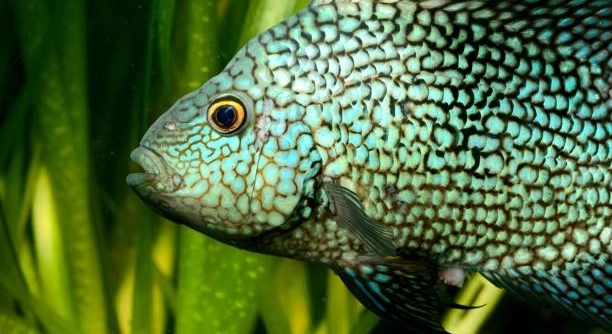
Jack Dempsey fish are popular for their striking colors and active personalities. Many owners expect these fish to hide often, yet some remain boldly visible, swimming in the open and exploring their environment without retreating.
A Jack Dempsey may refuse to hide when its tank conditions are ideal, stress levels are low, and territorial confidence is high. These fish feel secure and comfortable enough to stay visible rather than seeking shelter.
Observing this behavior provides insight into your fish’s comfort and environment. Understanding why they remain exposed helps maintain a healthy, balanced aquarium for their wellbeing.
Tank Setup and Environment
The layout of a Jack Dempsey’s tank has a strong influence on its behavior. These fish feel safer when hiding spots like rocks, caves, or plants are available. Water quality also plays a key role. Clean, well-filtered water keeps stress levels low, which can reduce the instinct to hide. Lighting matters as well. Bright lights can make some fish seek shelter, while dimmer settings allow them to feel more comfortable swimming openly. Temperature is another factor; these fish prefer stable, slightly warm water, which contributes to a sense of security. Overcrowding should be avoided, as it can create tension and force fish to hide. Observing your fish regularly helps identify preferences in hiding spots or open swimming areas. Adjusting decorations and plant placement can encourage natural behaviors without stressing the fish. Overall, a well-planned environment supports a confident, healthy Jack Dempsey that may feel comfortable remaining visible most of the time.
Even minor changes in tank decorations can influence your fish’s comfort and behavior significantly.
A properly designed tank balances hiding places with open swimming areas, ensuring your fish can retreat if needed but also explore freely. Adding varied textures, smooth rocks, and natural plants creates a stimulating environment. The fish’s behavior reflects the level of comfort provided. Regular water changes, stable temperature, and careful attention to lighting make a noticeable difference. Observing how your Jack Dempsey interacts with the tank allows adjustments for better results. Over time, they may spend more time swimming openly when their surroundings feel safe. Proper spacing between fish, especially in community tanks, prevents unnecessary stress. Every element of the environment, from substrate choice to plant density, impacts how confident the fish feels. By focusing on these details, you can create a setup that encourages natural, relaxed behavior and reduces the need for constant hiding.
Diet and Feeding Patterns
A consistent feeding schedule affects how secure Jack Dempseys feel in the tank.
Jack Dempsey fish are more likely to remain visible when they feel nourished and healthy. Overfeeding or irregular feeding can lead to stress or aggressive behavior. Offering a balanced diet with quality pellets, occasional live or frozen foods, and appropriate portion sizes ensures they stay active and alert. Feeding at consistent times helps them establish a routine, reducing anxiety and promoting confidence. Nutritional deficiencies can weaken their immune system, increasing hiding tendencies. Observing their reactions during feeding provides insight into both dietary preferences and comfort levels. Food placement can also matter; scattering pellets across the tank encourages exploration and reduces territorial disputes. Avoid sudden changes in diet or quantity, as these can trigger stress responses. By combining proper nutrition with a stable environment, your Jack Dempsey is more likely to display open, confident swimming behavior, maintaining a strong, healthy presence in the tank consistently.
Social Behavior and Tank Mates
Jack Dempseys often stay visible when they feel dominant in their space. Aggressive or territorial tendencies can make them cautious around certain tank mates, while peaceful companions allow more confident swimming and exploration. Proper pairing is essential for comfort.
Introducing compatible tank mates gradually helps reduce stress. Aggressive or overly active fish can trigger hiding behavior in Jack Dempseys. Observing interactions is crucial; even minor signs of tension should prompt adjustments in tank arrangement or fish selection. Adequate space and defined territories give each fish room to feel secure.
Social dynamics are influenced by tank size, number of inhabitants, and individual temperament. Overcrowding increases stress and hiding tendencies, while carefully chosen companions promote visible, natural behavior. Separating aggressive individuals or creating visual barriers can improve overall confidence. Regular monitoring ensures that the Jack Dempsey maintains healthy interactions and spends more time in open areas, displaying natural movement patterns without feeling threatened.
Health and Stress Factors
Stress and health issues often cause Jack Dempseys to hide more than usual. Monitoring their activity helps detect problems early.
Illness, parasites, or poor water conditions can make Jack Dempseys anxious, prompting them to retreat frequently. Even minor infections can affect behavior noticeably. Observing appetite, coloration, and swimming patterns provides clues about their wellbeing. Maintaining clean water, stable temperature, and proper diet reduces health risks. Immediate attention to unusual behavior prevents escalation and supports recovery.
Stress can also result from sudden environmental changes, including lighting, new tank mates, or rearranged decorations. These fish respond strongly to perceived threats. Gradual adjustments help them adapt without prolonged hiding. Frequent observation allows you to recognize signs of discomfort and intervene quickly. Preventive care, including regular water testing and balanced nutrition, strengthens immunity and reduces stress. A confident, healthy Jack Dempsey is more likely to explore and display its vibrant personality, maintaining visibility and activity throughout the tank consistently.
Lighting and Visibility
Jack Dempseys react strongly to lighting conditions in their tank. Bright or fluctuating lights can make them feel exposed, while stable, moderate lighting encourages them to swim more openly and confidently.
Shadows and dim areas can also influence hiding. Providing a balance of light and shaded spots allows the fish to choose comfort levels while remaining visible.
Breeding and Territorial Instincts
During breeding or when establishing territory, Jack Dempseys may claim certain areas as their own. These fish often spend more time in the open near preferred locations, defending boundaries and monitoring surroundings. Aggression toward intruders is common, and visible behavior reflects their natural instincts. Clear territories with defined hiding spaces reduce unnecessary stress, allowing the fish to feel secure while maintaining dominance. Tank structure, such as caves or rocks, helps them manage their space effectively. Even during social interactions, visible Jack Dempseys demonstrate confidence and territorial control, which is a sign of healthy behavior in well-maintained aquariums.
Age and Experience
Older or more experienced Jack Dempseys often feel secure enough to remain in the open.
FAQ
Why does my Jack Dempsey never hide even when the tank is crowded?
Some Jack Dempseys feel confident and secure despite the presence of other fish. This often happens when the tank has enough hiding spots and territories for everyone, and the fish does not feel threatened. Stable water conditions, proper feeding, and consistent lighting also contribute to confidence, allowing your fish to swim openly even in a busy environment.
Is it normal for a Jack Dempsey to be visible all the time?
Yes, it can be completely normal. A healthy, well-adjusted Jack Dempsey that feels secure in its environment may spend most of its time in open areas. Fish that do not experience stress from tank mates, water quality, or lighting often display more visible and confident behavior naturally.
Could water conditions affect hiding behavior?
Absolutely. Poor water quality, unstable temperatures, or improper filtration can stress your fish, making it more likely to hide. Regular water testing, consistent temperature, and proper filtration are essential. When these factors are optimal, Jack Dempseys tend to remain more active and visible.
Do tank decorations influence whether my Jack Dempsey hides?
Yes, the arrangement and type of decorations can have a significant impact. Caves, plants, and rocks offer hiding spots, but an overly cluttered tank may feel restrictive and stressful. Conversely, a balanced layout with both hiding areas and open swimming spaces encourages the fish to explore without constant retreat.
Can diet affect my Jack Dempsey’s confidence?
A balanced and consistent diet directly influences energy and stress levels. Well-fed fish are more likely to feel secure and explore the tank, while nutritional deficiencies or irregular feeding schedules can make them anxious, which could increase hiding tendencies. Variety, including quality pellets and occasional live or frozen foods, supports both health and confidence.
Do Jack Dempseys become less shy as they age?
Yes, maturity often brings confidence. Older or more experienced Jack Dempseys tend to know their territory and feel more secure, resulting in more visible behavior. Juvenile fish may hide more frequently while they adjust to the tank and learn boundaries.
How do tank mates influence hiding behavior?
Aggressive or overly active fish can trigger retreat, while calm, compatible species allow more confident swimming. Observing interactions and providing adequate space prevents stress and encourages your Jack Dempsey to remain visible. Visual barriers or rearranged territories can also help maintain harmony.
Can stress from sudden changes make my Jack Dempsey hide?
Yes, sudden alterations in lighting, water, or tank layout can cause temporary hiding behavior. Gradual adjustments allow the fish to adapt without prolonged stress. Monitoring reactions after changes helps ensure the fish feels secure.
Is it a problem if my Jack Dempsey never hides?
Not necessarily. As long as the fish is healthy, eating well, and displaying natural behavior, constant visibility is often a sign of comfort and confidence. However, sudden changes in behavior may indicate stress or illness and should be monitored closely.
What signs indicate my Jack Dempsey is stressed?
Stress signs include rapid gill movement, loss of appetite, faded coloration, erratic swimming, or frequent hiding. Addressing water quality, tank mates, diet, and environmental stability usually improves comfort and reduces stress.
How can I encourage natural hiding behavior if needed?
Introduce additional caves, plants, or shelters gradually. Rearranging decorations to create defined areas and safe zones allows the fish to choose when to hide without feeling forced or stressed. Balancing open space with secure spots promotes healthy exploration.
Does lighting affect their willingness to hide?
Yes, bright or fluctuating lighting can make Jack Dempseys seek cover, while stable, moderate light encourages swimming openly. A mix of shaded areas and visible spaces allows the fish to control its comfort level naturally.
How important is routine for Jack Dempseys?
Routine is very important. Consistent feeding, stable water parameters, and predictable interactions with tank mates reduce anxiety. Fish that experience a steady routine are more confident and less likely to hide unnecessarily.
Can illness make a normally bold Jack Dempsey hide?
Yes, health problems often lead to increased hiding. Watch for changes in appetite, color, or swimming patterns. Early intervention and proper treatment help restore normal behavior and comfort.
Do all Jack Dempseys behave the same way regarding hiding?
No, personality and temperament vary. Some individuals are naturally more confident and visible, while others prefer frequent hiding. Observing your fish’s unique behavior helps you adjust the environment to support its comfort and wellbeing.
Is it normal for Jack Dempseys to switch between hiding and open swimming?
Yes, this is natural. Even confident fish may occasionally hide due to minor stressors, perceived threats, or environmental changes. Providing flexible hiding spots ensures they can retreat safely when needed.
Can tank size affect visibility?
Definitely. Smaller tanks can feel cramped and increase hiding behavior, while larger tanks with open areas allow fish to swim more freely. Adequate space supports natural activity levels and reduces stress-related retreat.
Does temperature influence hiding behavior?
Yes, stable, slightly warm temperatures help Jack Dempseys feel secure. Fluctuating or incorrect temperatures can cause stress, prompting them to seek shelter. Maintaining consistent water temperature is key to promoting visible, confident behavior.
How long does it take for a Jack Dempsey to feel comfortable in a new tank?
Adjustment time varies by individual. Some may explore openly within days, while others take weeks. Consistent water quality, proper hiding spots, compatible tank mates, and gentle handling support faster acclimation and reduce unnecessary hiding.
Are Jack Dempseys more active at certain times of the day?
Yes, they often show peak activity during daylight hours, especially when feeding or exploring. Proper lighting schedules and feeding routines support consistent behavior and reduce stress-driven hiding tendencies.
Final Thoughts
Jack Dempsey fish are fascinating creatures with strong personalities. Their behavior often reflects how comfortable and secure they feel in their environment. Some fish may hide frequently, while others remain boldly visible, exploring the tank openly. Observing their daily habits can provide valuable insight into their health and wellbeing. Factors like tank setup, water quality, diet, lighting, and social dynamics all influence whether a Jack Dempsey chooses to hide or stay in the open. When these elements are balanced, the fish is more likely to feel confident and display natural behavior. A visible fish does not necessarily mean something is wrong; it can indicate that the fish is comfortable and secure in its surroundings. Paying attention to subtle changes in behavior can help detect stress or illness early. Regular observation and maintenance allow owners to create an environment that meets the fish’s physical and psychological needs.
Creating the right environment is key to encouraging confident behavior in Jack Dempseys. Providing adequate hiding spots alongside open swimming areas gives them the choice to retreat when they feel the need, without forcing constant hiding. Decorations such as caves, rocks, and plants can be arranged to define territories and create visual boundaries, which reduces tension between tank mates. Water quality must be carefully monitored, including temperature, pH, and cleanliness, as unstable conditions can cause stress and excessive hiding. Feeding routines should be consistent, offering a balanced diet with high-quality pellets and occasional live or frozen foods to ensure proper nutrition. Even small adjustments, like moderating lighting or rearranging decorations gradually, can significantly improve comfort levels. Observing how the fish interacts with its environment helps owners understand preferences, whether that is open swimming or occasional retreat into shelter. When these factors are considered together, the fish often exhibits natural and confident behavior more consistently.
It is also important to consider the social and psychological aspects of Jack Dempseys. Their interactions with tank mates can influence how they behave. Aggressive or overly active companions can make a fish feel threatened, while calm and compatible species encourage open, confident swimming. Territorial instincts, particularly during breeding or when establishing a space, can lead to more visible behavior as the fish monitors its surroundings and defends its area. Age and experience also play a role, as older or more mature fish are typically more confident and comfortable exploring the tank. Stress, illness, or sudden environmental changes can temporarily trigger hiding behavior, but consistent care, proper nutrition, and a stable environment reduce these occurrences. Understanding these factors allows owners to create a tank where a Jack Dempsey can thrive, remain active, and display natural, healthy behavior, making the experience of keeping these fish more rewarding and enjoyable.

Hello,
If you enjoy the content that we create, please consider saying a "Thank You!" by leaving a tip.
Every little bit helps us continue crafting quality advice that supports the health, happiness, and well-being of pets around the world, for pets of all shapes, sizes, and species.
We really appreciate the kindness and support that you show us!