
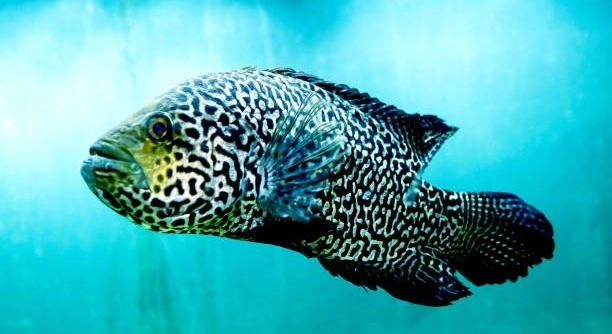
Jack Dempsey fish are lively and bold, known for their striking colors and territorial behavior. When the lights go out, their routines shift slightly, but they continue interacting with their environment in familiar ways. These fish are sensitive to changes.
When the power goes out, Jack Dempsey fish typically become less active and may seek shelter within the tank. They rely on residual light and familiar surroundings to navigate, maintaining their natural behaviors while conserving energy and reducing stress.
Observing their calm response offers insight into their adaptability and resilience in unexpected changes within their aquatic environment. This behavior reflects both instinct and environmental awareness.
Signs of Stress in Jack Dempsey Fish
Jack Dempsey fish are sensitive to sudden changes, and a power outage can sometimes trigger stress. Common signs include rapid gill movement, darting across the tank, or prolonged hiding. Some fish may lose appetite temporarily or display unusual aggression toward tank mates. Observing these behaviors is important because they indicate how the fish are coping. Even small changes in water movement or lighting can amplify stress, especially in a confined environment. Fish that are normally active may stay motionless or cling to plants and decorations. It is natural for them to adjust slowly, but persistent stress can affect their health. Maintaining calm, steady conditions during and after an outage helps them regain normal behavior. By noticing subtle shifts in movement or coloration, you can prevent long-term stress and ensure the tank environment supports their natural routines, even during temporary disruptions.
Stress signs include hiding, restlessness, or loss of appetite during power outages.
Noticing these early helps prevent serious health problems and ensures proper care is given promptly.
Careful observation and patience are key. Avoid sudden interactions during outages, and let them settle into familiar areas. Monitor water quality and temperature, as fluctuations can worsen stress. Provide temporary aeration if needed and maintain minimal disturbance in the tank. Gradually resume feeding and normal lighting once power returns, keeping meals light to prevent overfeeding. Consistency in handling ensures they regain comfort quickly. Avoid rearranging decorations or introducing new tankmates during this time, as it adds unnecessary stress. Watching their responses allows better understanding of individual personalities and tolerance levels. With steady care, Jack Dempsey fish recover efficiently and maintain their health, showing remarkable adaptability despite environmental changes.
Preparing Your Tank for Power Outages
Keep backup aeration and battery-powered lights ready for extended outages. These tools maintain oxygen levels and reduce stress in the tank.
Planning ahead ensures fish remain healthy and routines are minimally disrupted.
Simple precautions, like having extra water conditioners and monitoring devices, can prevent emergencies. Regularly check equipment functionality. Store enough supplies to maintain water quality and temperature, including heaters with battery backups if needed. Reducing feeding frequency during outages lowers waste buildup. Understanding the tank’s oxygen capacity helps decide when to manually aerate. Temporary relocation of delicate plants or fragile decorations can protect both the fish and the environment. Keeping a log of past outages and responses allows better preparation in the future. By implementing these measures, the tank stays stable, and Jack Dempsey fish experience minimal stress. Being proactive ensures that even longer outages have a limited impact on their behavior and health. Careful attention and preparation allow the fish to maintain their daily patterns safely.
Minimizing Stress During Outages
Keeping the tank environment calm is essential. Avoid sudden movements, loud noises, or tapping on the glass. Ensure decorations and hiding spots remain in place so Jack Dempsey fish feel secure.
Using familiar structures helps fish manage stress during darkness. They rely on predictable surroundings, and removing or changing decorations can increase anxiety. Minimal interaction and steady monitoring are key. Temporary aeration or gentle water movement maintains oxygen levels without creating strong currents. Maintaining water temperature and checking for signs of stress ensures they stay healthy. Observing their behavior closely allows timely intervention if issues arise, helping them recover smoothly.
Feeding should be light or paused. Uneaten food can worsen water quality and stress. Consistency in care, even during power loss, supports their natural routines and promotes stability until normal conditions return.
Adjusting Lighting and Filtration
Battery-powered lights or lanterns can provide soft illumination if outages are prolonged. Avoid bright or harsh lighting that may startle the fish.
Filtration can be maintained using battery-operated pumps or manual water movement. Jack Dempsey fish need steady oxygen levels, and temporary solutions help preserve water quality. Keep water temperature stable by minimizing evaporation or adding small amounts of conditioned water if necessary. Reducing tank activity during this time prevents unnecessary stress. Monitoring fish reactions allows you to adjust lighting or aeration carefully, maintaining a calm environment. These steps help them remain comfortable and avoid sudden behavioral changes.
Once power returns, gradually restore normal filtration and lighting. Sudden changes can disorient fish after a period of darkness. Resume feeding slowly, removing any leftover food to prevent contamination. Monitor interactions between tankmates, as temporary stress may increase aggression. Observing behavior over the following hours ensures the fish return to their regular routines smoothly. Maintaining a calm and consistent environment during recovery is crucial for their health. Planning for outages and having simple tools ready reduces stress, preserves water quality, and supports their well-being efficiently.
Recognizing Behavior Changes
Jack Dempsey fish may stay near the bottom or behind decorations during outages. Reduced movement and quieter behavior are common.
Some may briefly dart or explore unfamiliar areas. Watching these shifts helps determine if the fish are adjusting or showing signs of stress.
Maintaining Water Quality
Even short power outages can affect water quality. Without filtration, debris and waste may accumulate, and oxygen levels can drop. Regular monitoring of temperature and clarity is important. Adding conditioned water carefully or using temporary aeration can help maintain a healthy environment. Maintaining stability prevents long-term issues.
Feeding Adjustments
Pause or reduce feeding during outages. Overfeeding can quickly degrade water quality, adding stress to Jack Dempsey fish.
FAQ
How long can Jack Dempsey fish go without light?
Jack Dempsey fish can tolerate darkness for several hours without serious problems. They rely on their memory and environmental cues to navigate the tank. While extended periods without light are not ideal, short outages generally do not harm their health.
Do they eat less during power outages?
Yes, these fish often reduce their feeding when lights go out. Reduced activity and stress can lower their appetite. It is best to pause feeding or offer very small amounts until normal conditions return. Overfeeding during an outage can quickly degrade water quality.
Will they hide more than usual?
Hiding is a natural response to darkness. Jack Dempsey fish may retreat to plants, rocks, or decorations. Temporary hiding is normal and shows they are adjusting to sudden changes. Frequent or prolonged hiding may indicate stress if the outage is long.
How can I maintain oxygen levels?
During an outage, using a battery-operated air pump or gently stirring the water helps maintain oxygen. Avoid creating strong currents that may stress the fish. Monitoring water movement and ensuring surface agitation is sufficient helps them breathe comfortably.
Is water temperature affected by outages?
Water temperature may drop if heaters are off, especially during longer outages. For short periods, fish tolerate minor changes. For extended outages, battery-operated heaters or covering the tank can help retain warmth and protect fish from sudden drops in temperature.
Should I move the fish during a power outage?
It is usually best to leave them in their tank. Moving fish can increase stress and expose them to sudden changes. Only consider relocation if water quality deteriorates or oxygen drops significantly. Maintaining familiar surroundings is more beneficial than relocation.
Can Jack Dempsey fish become aggressive in the dark?
Some aggression may occur if multiple fish compete for hiding spots. They are territorial by nature, and limited space can increase tension. Ensure plenty of decorations and hiding areas to reduce conflict during outages.
How quickly do they return to normal behavior?
Most Jack Dempsey fish resume normal activity within a few hours after lights and filtration return. They gradually regain confidence in their environment, and appetite usually returns. Patience is important to avoid causing additional stress.
Are there long-term effects of frequent outages?
Frequent, short outages usually do not cause serious problems. However, repeated disruptions can increase stress, reduce immunity, and affect growth over time. Observing behavior and maintaining consistent care helps minimize long-term impact.
What precautions should I take for future outages?
Keep backup lights, battery-operated pumps, and conditioned water on hand. Monitor water quality and temperature during outages. Maintaining consistent decorations and hiding spots reduces stress. Being prepared ensures Jack Dempsey fish remain healthy and adapt safely when power is lost.
Can they recognize the return of light or filtration?
Yes, they often respond quickly to restored conditions. Lights and moving water signal safety, encouraging them to resume activity. This responsiveness shows their adaptability and reliance on environmental cues to navigate the tank.
How do I know if the outage stressed them too much?
Signs include rapid breathing, constant hiding, unusual aggression, or refusal to eat after power returns. Observing these behaviors allows early intervention and ensures water quality and temperature are optimized. Quick adjustments help them recover efficiently.
Is temporary feeding necessary during short outages?
It is generally unnecessary for outages under a few hours. Jack Dempsey fish can manage without food in the short term. Overfeeding during these periods can increase waste and reduce water quality, adding unnecessary stress.
How can I support multiple fish in one tank during outages?
Ensure adequate hiding spots and space between fish to reduce territorial conflicts. Maintain water quality and monitor interactions. Keeping conditions calm and consistent minimizes aggression and stress, allowing all fish to adjust safely.
Should I adjust lighting gradually when power returns?
Gradual restoration is helpful if the outage was long. Sudden bright lights may startle the fish. Returning to normal lighting over a short period helps them readjust without added stress.
Are there signs of long-term stress to watch for?
Watch for persistent hiding, dull coloration, reduced feeding, or repeated aggressive behavior. Chronic stress can weaken immunity and affect growth. Maintaining a stable environment and consistent care prevents long-term issues and supports overall health.
Can plants help reduce stress during outages?
Yes, live or artificial plants provide hiding spots and break up open spaces. They give Jack Dempsey fish security and reduce territorial conflicts, especially during periods of low light or temporary disruptions.
Do they behave differently at night normally?
Jack Dempsey fish are generally active during the day and less active at night. Their reduced activity during a power outage mimics this natural rhythm, helping them conserve energy and stay safe in the dark.
Is water testing necessary after outages?
Yes, checking ammonia, nitrite, and nitrate levels ensures water quality remains safe. Even short outages can cause minor imbalances. Testing helps identify any adjustments needed to maintain a healthy environment for the fish.
Can stress affect their colors?
Temporary stress can dull their colors slightly. Once normal conditions return, bright coloration usually returns. Persistent stress or poor water quality may cause longer-lasting changes, so monitoring and care are essential.
How can I calm them if they panic?
Minimize movement near the tank, reduce noise, and provide hiding spots. Gentle water movement or a battery-operated pump maintains oxygen without overwhelming them. Calm observation helps them settle faster after the disruption.
Are some Jack Dempsey fish more sensitive than others?
Yes, individual fish vary in temperament. Some may hide immediately, while others explore cautiously. Understanding each fish’s behavior helps tailor care and reduce stress during power outages.
Do tankmates influence behavior during outages?
Yes, aggressive or territorial tankmates can increase stress. Observing interactions and ensuring sufficient space and hiding spots reduces conflict. Adjustments during outages help all fish remain calm.
Should I remove uneaten food after outages?
Always remove leftover food to prevent water quality issues. Uneaten food can quickly decompose, increasing ammonia levels and causing stress. Regular cleaning maintains a stable, safe environment for the fish.
What is the best way to observe their behavior?
Watch quietly from a distance. Avoid tapping on the glass or sudden movements. Noting changes in hiding, swimming patterns, or interactions provides insight into stress levels and overall adaptation.
Do they resume normal feeding immediately?
Most resume within a few hours after normal conditions return. Start with small portions and observe reactions. Gradually returning to regular feeding supports digestion and reduces leftover waste.
How can I prevent stress in the future?
Prepare backup lighting, aeration, and temperature control. Keep decorations consistent and provide sufficient hiding spaces. Monitoring water quality and behavior regularly helps them adapt safely to any unexpected changes.
Is professional help ever needed?
Only if prolonged stress or water quality issues occur. Consulting an aquatic specialist or veterinarian can help address serious concerns and ensure the health of Jack Dempsey fish.
Jack Dempsey fish are strong, adaptable creatures, but even the hardiest fish can feel the effects of sudden changes in their environment. Power outages may seem minor, but they disrupt the light, filtration, and temperature in a tank. These disruptions trigger instinctual responses in the fish, including reduced activity, hiding, and cautious movement. Observing these behaviors helps us understand how they cope with stress and adjust to temporary disturbances. Each fish may react slightly differently, depending on its personality and experience with previous outages. Some may remain calm, staying near familiar hiding spots, while others may dart around briefly before settling. These responses are normal and show that the fish are relying on environmental cues to feel safe. By noticing these natural adjustments, it becomes clear that Jack Dempsey fish are resilient and capable of handling short-term changes when their basic needs are still met.
Maintaining water quality and tank stability is essential during power outages. Without proper filtration and aeration, oxygen levels can drop and waste can accumulate, causing stress to the fish. Simple steps, such as using a battery-operated air pump or manually stirring the water, help keep conditions stable. Temperature is another critical factor; even small drops can affect their comfort. Ensuring the tank remains at a steady temperature, especially during longer outages, supports their health and reduces risk. Feeding routines should be adjusted as well, since overfeeding during power loss can lead to uneaten food and water contamination. Minimal interaction, calm observation, and consistent care during these times make a noticeable difference. These measures prevent unnecessary stress and allow the fish to return to their regular behavior more quickly once power and normal conditions are restored. They show that careful attention and preparation are more effective than attempting sudden or dramatic changes in the tank.
Planning ahead for future outages benefits both the fish and the caretaker. Keeping backup equipment, conditioned water, and basic monitoring tools on hand ensures quick action when the power goes out. Providing adequate hiding spaces and stable decorations allows Jack Dempsey fish to feel secure, even in darkness. Understanding their behavior during these periods also helps tailor care to each fish’s needs, reducing the chance of prolonged stress or aggression. Frequent monitoring and small adjustments, such as gradually restoring lighting or feeding slowly after the outage, support a smooth transition back to normal conditions. These strategies not only protect the fish during unexpected events but also build a better understanding of their natural instincts and adaptability. By observing, preparing, and maintaining consistency, the caretaker ensures that Jack Dempsey fish remain healthy, confident, and well-adjusted, even when temporary challenges arise.
Word count: 409

Hello,
If you enjoy the content that we create, please consider saying a "Thank You!" by leaving a tip.
Every little bit helps us continue crafting quality advice that supports the health, happiness, and well-being of pets around the world, for pets of all shapes, sizes, and species.
We really appreciate the kindness and support that you show us!