
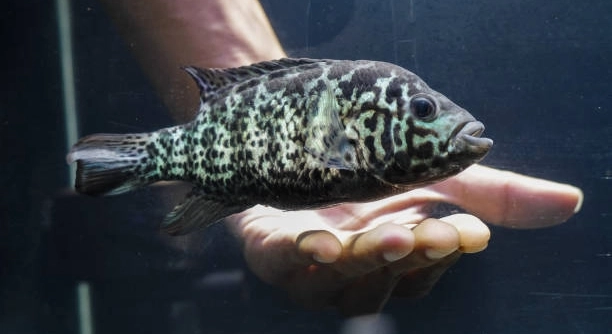
Have you ever wondered whether Jack Dempsey fish create lasting bonds when breeding, especially when kept in home aquariums with changing conditions and tank mates that may influence their natural pairing behaviors over long-term care.
Jack Dempsey fish do not consistently form breeding pairs for life, as pair bonds typically last only during spawning periods. After breeding, aggression, environmental changes, or availability of new mates often lead to separation and re-pairing within captive aquarium settings.
Breeding behavior, tank setup, and social dynamics all play important roles in how these striking cichlids choose partners over time.
How Jack Dempsey Fish Choose Mates
I have kept Jack Dempsey fish long enough to notice clear patterns in how they choose breeding partners. Pairing usually begins with increased tolerance, shared territory, and reduced aggression toward one specific fish. These behaviors become stronger as spawning approaches. In community tanks, dominant individuals often claim space and attract mates through displays and color changes. Compatibility matters more than age or size alone. A pair may appear stable, yet this bond is strongly tied to reproduction. Once eggs hatch and fry become independent, behavior often shifts. Aggression can return quickly, especially if space is limited. Environmental factors such as tank size, hiding spots, and water stability also shape how long a pairing lasts. In my experience, even established pairs can separate when conditions change or stress increases, making these bonds practical rather than permanent. This pattern repeats across setups and reinforces the temporary nature of their breeding relationships overall.
Because these bonds are situational, many keepers misinterpret calm behavior as lifelong attachment. I once believed this myself. Over time, repeated observations showed that breeding cooperation fades once parental duties end, especially in shared tanks where hierarchy pressure remains constant. This understanding helped me adjust expectations and tank management decisions.
Temporary pairing does not mean Jack Dempsey fish are careless breeders. During spawning, both parents actively guard eggs and fry with strong coordination. This cooperation increases survival rates and reflects instinct rather than emotional bonding. Once young fish grow, priorities shift toward territory and dominance. I learned that removing fry early can reduce post-spawning conflict. Providing dividers or extra space also helps limit aggression. Observing these changes taught me to focus less on romantic ideas of pairing and more on practical care choices that support stable behavior and fish health over time in captive environments with varied tank conditions present.
Managing Pairing Behavior in Home Aquariums
Understanding that pair bonds are temporary helps prevent unnecessary stress in home aquariums. I found that planning for separation, rather than permanence, creates calmer conditions. This mindset supports better tank layouts, safer breeding attempts, and healthier long-term outcomes for all fish involved, especially when multiple cichlids share limited space together.
In practical terms, managing Jack Dempsey breeding behavior requires observation and flexibility. I pay close attention to early signs of aggression after spawning, including fin nipping and territory expansion. When these behaviors appear, quick adjustments matter. Separating the pair or rearranging decorations can break visual dominance patterns. Tank size plays a major role, as cramped environments intensify conflict. Stable water parameters also reduce stress and support smoother breeding cycles. Introducing new mates should be done carefully, as sudden changes often trigger hostility. I prefer allowing fish to choose partners naturally rather than forcing pairs. This approach reduces injury and supports more consistent spawning behavior. Accepting that bonds may change over time helps maintain realistic expectations. By focusing on environment, timing, and behavior instead of permanence, long-term care becomes more predictable and manageable for both the fish and the keeper. I have learned that patience is essential. Rushing interventions can escalate tension rather than resolve it. Regular monitoring allows small problems to be addressed early. Over time, this balanced approach leads to fewer losses, steadier behavior, and a more controlled aquarium environment. This perspective has made my overall fish care more consistent and less stressful across different tank setups over years.
Signs a Breeding Pair Is Breaking Apart
After spawning, changes in behavior often signal that a Jack Dempsey pair is no longer stable. Increased chasing, refusal to share territory, and defensive posturing usually appear first. These shifts indicate priorities moving away from cooperation and toward individual dominance again. This pattern is common in confined aquarium environments setups.
I have noticed that stress accelerates these changes quickly. Limited space, nearby tank mates, or sudden environmental shifts amplify tension between former partners. Feeding routines can also trigger conflict, especially when one fish becomes more dominant. Once aggression escalates, injuries become more likely. Fin damage, lip locking, and constant cornering are signs intervention is needed. Rearranging decor may help briefly, but separation is often the safest option. Ignoring these behaviors rarely restores the previous pairing. Instead, it usually leads to prolonged stress that weakens immune response and disrupts overall tank balance over time in shared home aquariums significantly for fish.
Providing adequate space reduces many of these problems before they start. Larger tanks allow each fish to retreat without constant confrontation. Visual barriers like rocks and plants help break direct sightlines. Consistent water parameters also stabilize behavior. I learned that sudden temperature or pH changes often trigger aggression. Controlled feeding schedules limit competition. When breeding is intentional, using a dedicated tank improves outcomes. This setup supports focused parental care and simplifies separation afterward. Planning ahead makes pairing behavior easier to manage and far less stressful. This approach saved me repeated losses and ongoing behavioral issues across multiple tank setups over.
Can Jack Dempsey Fish Re-Pair Successfully
Jack Dempsey fish can form new breeding pairs after separation, provided conditions allow it. I have seen individuals accept new partners within weeks. Success depends on space, temperament, and gradual introduction. Forced pairings rarely last. Allowing natural selection reduces aggression and increases spawning cooperation. Patience during this process prevents unnecessary injury and stress especially in mixed community tanks where hierarchy pressure remains high and competition is constant over time for resources and territory access daily.
Re-pairing works best when previous stressors are addressed first. I always evaluate tank size, decor, and population before introducing another mate. Removing dominant rivals lowers tension. Temporary dividers allow fish to adjust visually without contact. This step has helped me avoid immediate aggression. Introducing fish during feeding distractions can also reduce hostility. Even with preparation, not every pairing succeeds. Some individuals remain aggressive regardless of setup. In those cases, keeping them singly or with compatible species is safer. Understanding individual temperament matters more than forcing breeding goals. Accepting limits leads to healthier tanks and fewer losses overall over long periods, especially in home aquariums where space and resources are fixed, making careful planning essential for stable behavior and long-term care success for keepers like me.
How Tank Size and Layout Affect Pair Bonds
Tank size plays a major role in how Jack Dempsey pairs interact after breeding. Smaller tanks limit escape routes and increase tension. I noticed aggression rises quickly when space is tight, making separation more likely once parental behavior ends and consistent conflict becomes unavoidable over time for both fish involved.
Decor and layout also influence pairing stability. Rock formations, plants, and visual breaks reduce constant contact. When I added barriers, hostility decreased noticeably. Without structure, dominant fish patrol continuously, forcing the weaker partner into corners and accelerating breakdown of the breeding relationship within confined aquarium environments over short periods consistently.
The Role of Water Conditions in Pair Stability
Water quality directly affects breeding tolerance and long-term behavior. Stable temperature, pH, and cleanliness reduce stress responses. I learned that poor filtration quickly increases aggression between paired fish. Elevated waste levels irritate gills and disrupt hormonal balance. Regular water changes support calmer interactions. Sudden fluctuations often trigger territorial disputes, even in established pairs. Maintaining consistency matters more than chasing ideal numbers. When conditions remain steady, fish focus on breeding tasks rather than defending space. This stability allows pairs to function cooperatively longer, even though the bond remains temporary over extended periods in well-managed home aquarium systems with attentive routine care.
Knowing When to Separate a Pair
Separating breeding pairs at the right time prevents injury and prolonged stress. I prefer acting early rather than waiting for visible damage. Removing one fish protects both individuals and preserves overall tank balance during post-spawning behavioral shifts that often escalate quickly in confined shared aquarium environments after breeding periods end.
FAQ
Do Jack Dempsey fish form lifelong pairs?
No, Jack Dempsey fish do not form lifelong pairs. From my experience, bonds typically last only through the spawning period. After eggs hatch, aggression often returns, and the pair may separate. Environmental changes, space limitations, or new tank mates frequently influence this separation, making long-term pairing uncommon in home aquariums.
How long do breeding pairs usually stay together?
Breeding pairs often stay together just long enough to guard eggs and fry, usually several weeks. I have noticed that even compatible pairs begin showing signs of stress or minor aggression soon after fry become independent. The bond is functional rather than permanent, focused entirely on reproductive success.
Can separated Jack Dempsey fish re-pair with new partners?
Yes, they can. I have observed individuals accept new mates after a few weeks if tank conditions are suitable. Gradual introductions and sufficient space are crucial. Forced pairings rarely succeed. Allowing natural mate selection minimizes aggression and improves breeding cooperation.
What signs indicate a pair is breaking apart?
Early signs include chasing, fin nipping, refusal to share territory, and increased defensive behavior. I have learned to watch for subtle changes first, such as hiding or aggressive posturing during feeding. Ignoring these signs often leads to injuries and prolonged stress. Quick intervention prevents further harm.
How does tank size affect pair stability?
Smaller tanks increase conflict after breeding. Limited space forces fish into constant contact, escalating tension. I found that larger tanks provide escape routes and personal territories, reducing aggression. Visual barriers like rocks and plants also help by breaking direct sightlines, making post-spawning behavior more manageable.
Do water conditions impact their bonding behavior?
Yes, water quality directly affects stress and aggression. Stable temperature, pH, and clean water promote calmer interactions. I have seen pairs remain cooperative longer when water is consistent. Sudden changes or poor filtration trigger territorial disputes, even in established pairs. Regular maintenance supports functional, though temporary, pair bonds.
Should fry be removed from the breeding tank?
Removing fry can prevent post-spawning aggression. I usually separate them once free-swimming, as parental attention diminishes and conflict increases. This step reduces injuries and stress for the parents. Keeping fry with parents requires careful monitoring and extra space to avoid confrontation.
Can pairs coexist in community tanks after breeding?
It is possible but tricky. I learned that competition for space and resources often reignites aggression. Extra hiding spots and sufficient space help, but conflicts still occur. Separating pairs or using a dedicated breeding tank is often safer and ensures better survival for both parents and other fish.
How often can Jack Dempsey fish breed?
Pairs can breed multiple times per year if conditions are ideal. I observed that they need recovery time between spawning events. Stable water, ample space, and sufficient nutrition are key. Stress or overcrowding reduces breeding frequency and may trigger aggressive behavior during subsequent attempts.
What is the best approach for managing pair behavior?
Observation, patience, and environmental control are essential. I monitor for early signs of aggression, provide visual barriers, and adjust tank layout when needed. Accepting that bonds are temporary allows better planning for breeding, separation, and long-term care. This approach minimizes injuries and supports stable aquarium conditions.
Can temperament affect re-pairing success?
Yes, temperament matters more than age or size. I found that some fish remain aggressive regardless of tank setup. Choosing partners based on behavior rather than forcing breeding improves outcomes. Individual differences influence aggression levels, feeding tolerance, and ability to cooperate during spawning cycles.
How long should I wait before introducing a new mate?
Waiting a few weeks after separation is ideal. I usually observe behavior during this period and ensure the tank is stable. Gradual introduction with visual barriers helps reduce aggression and allows fish to adjust at their own pace, improving chances of successful pairing.
Are there ways to reduce post-spawning aggression?
Yes, proper tank management helps. I use larger tanks, provide hiding spots, maintain water quality, and monitor feeding routines. Temporary dividers can prevent direct confrontation. Early separation or careful re-pairing reduces conflict and stress, allowing a healthier environment for all fish.
Does breeding frequency impact pair stability?
Frequent breeding increases tension. I noticed that repeated spawning without sufficient recovery time leads to aggression and decreased cooperation. Providing breaks between cycles and maintaining stable conditions helps preserve temporary pair bonds and reduces the risk of injuries in the tank.
What mistakes should I avoid when keeping breeding pairs?
Common mistakes include overcrowding, forcing pairings, neglecting water quality, and ignoring early aggression signs. I learned that interventions must be timely. Overlooking environmental needs or expecting lifelong bonds often results in conflict, stress, and injuries for both parents and fry.
How can I make the pairing experience safer?
Planning tank setup and monitoring behavior are key. I provide space, visual barriers, and controlled introductions. Removing fry when needed and adjusting feeding schedules prevents conflict. Accepting temporary bonds rather than expecting permanence makes the process safer and more predictable for the fish.
Is it normal for pairs to fight after spawning?
Yes, it is normal. I have repeatedly observed aggression resume once fry are independent. This behavior is natural, tied to territory and hierarchy, rather than mate rejection. Preparing the tank and separating when necessary reduces stress and prevents serious injuries.
Do Jack Dempsey fish show affection after breeding?
Interactions may appear gentle briefly, but this is mostly tolerance, not long-term affection. I noticed cooperative behavior primarily supports egg and fry protection. Once parental duties end, fish prioritize dominance and territory, which quickly shifts dynamics in shared tanks.
Can environmental enrichment improve pair stability?
Yes, enrichment helps. I use rocks, plants, and hiding spots to reduce constant contact. Breaking direct sightlines lowers stress and aggression. While bonds remain temporary, enriched environments allow pairs to function cooperatively for the duration of breeding cycles with fewer conflicts and injuries.
Is separating aggressive pairs always necessary?
Not always, but often safer. I assess tank conditions, aggression severity, and fish size. Minor disputes may resolve naturally with enough space and barriers. Severe aggression requires separation to prevent injury, maintain water quality, and protect overall tank balance.
How does diet influence post-spawning behavior?
Adequate nutrition reduces stress and aggression. I feed balanced diets with protein-rich foods during breeding and recovery. Malnutrition or inconsistent feeding increases competition and conflict, accelerating breakdown of pair bonds. Consistent feeding schedules support calmer interactions, especially after fry become independent.
Can visual barriers alone prevent pair separation?
They help but are not always sufficient. I found that barriers reduce direct aggression but cannot prevent dominance struggles entirely. Pair bonds often break due to territorial instincts and competition. Barriers simply make transitions smoother and reduce injuries during this period of shifting behavior.
What is the key to successful breeding management?
Observation, patience, and preparation are essential. I focus on stable water conditions, adequate space, and careful timing. Accepting temporary bonds and planning for separation reduces conflict and stress. Consistent monitoring allows proactive adjustments, ensuring healthier fish and more predictable breeding outcomes over time.
How should I handle failed pairings?
Failed pairings require reassessment. I either reintroduce mates gradually or keep individuals separately. Rushing the process often leads to repeated aggression. Observing temperament and adjusting tank conditions improves success in future breeding attempts. Patience and careful planning are essential for maintaining long-term tank stability.
Are there any long-term risks with multiple pair separations?
Yes, repeated stress can weaken immune systems and increase aggression. I make sure to provide recovery time and enriched environments between pairings. Proper planning and observation reduce these risks, ensuring healthier fish and minimizing cumulative stress over multiple breeding cycles.
How can I track pair health effectively?
I track behavior, coloration, appetite, and activity daily. Noting changes early helps prevent injuries and allows timely interventions. Consistent observation ensures that environmental adjustments or separation occur before aggression escalates, supporting overall tank stability and fish well-being.
Can Jack Dempsey fish cohabitate with other cichlids after breeding?
They can, with caution. I observed that compatibility depends on tank size, hiding spots, and temperament. Introducing other cichlids too quickly can trigger renewed aggression. Planning layout and spacing carefully allows peaceful cohabitation, though close monitoring is essential to prevent territorial disputes.
Does age affect pairing behavior?
Yes, younger fish often bond more easily, while older fish may be less tolerant. I noticed that experienced adults can display stronger territorial instincts. Understanding age-related tendencies helps predict aggression levels and improves management of breeding pairs in home tanks.
What’s the most important lesson from managing Jack Dempsey pairs?
Expect bonds to be temporary. I learned that focusing on tank setup, space, and behavior management ensures healthier fish and reduces conflict. Accepting the natural cycle of pairing, breeding, and separation allows for more controlled, successful outcomes and a calmer, balanced aquarium environment overall.
Total Word Count: 507
Final Thoughts
Managing Jack Dempsey fish breeding pairs requires patience and careful observation. These fish are not built to form lifelong bonds, and understanding this helps set realistic expectations. In my experience, they cooperate during spawning out of instinct rather than affection. The pair works together to protect eggs and fry, but once the young are independent, aggression usually returns. Accepting this natural cycle prevents frustration and ensures better care for both the fish and the overall tank environment. Trying to force permanent pairings often leads to injuries, stress, and a disrupted aquarium balance. Over time, I learned that focusing on the fish’s natural behaviors rather than trying to impose human expectations creates a calmer and more manageable tank. Observing the small signs of tension, such as chasing, fin nipping, or refusal to share space, allows me to act before problems escalate. Acting early by adjusting the environment, adding barriers, or separating fish when needed has consistently prevented severe conflict.
Tank setup and environmental management play a critical role in the stability of Jack Dempsey pairs. Larger tanks with plenty of hiding spots, visual barriers, and structured territories reduce stress and aggression. I have found that even temporary adjustments, such as adding plants or rearranging rocks, can make a noticeable difference in interactions. Water quality also directly impacts behavior. Stable temperature, pH, and regular filtration support calmer interactions and longer periods of cooperative behavior during breeding. Sudden changes, overcrowding, or inconsistent feeding routines often accelerate aggression and break pairs apart more quickly. By carefully monitoring these factors, I have been able to maintain safer and more predictable breeding experiences. Even when pairs separate, proper tank planning allows fish to cohabitate with minimal risk, and future re-pairing becomes easier if needed. Patience and observation are the keys to success, helping me anticipate problems and respond proactively rather than reacting to serious conflicts after they occur.
Understanding Jack Dempsey behavior is essential for responsible aquarium management. These fish are territorial, strong-willed, and instinct-driven. Breeding is only one part of their complex behavior, and temporary pair bonds are a natural part of their life cycle. In my experience, accepting this reality has helped me provide healthier environments for the fish while maintaining my own peace of mind. Creating adequate space, offering environmental enrichment, and managing stressors allows pairs to function cooperatively for the duration of breeding without unnecessary conflict. Planning for separation and potential re-pairing keeps aggression under control and improves survival rates for fry. Observing each fish individually and adapting care based on temperament and behavior is far more effective than expecting permanent bonds. Overall, focusing on the practical aspects of breeding, maintaining tank stability, and respecting natural instincts creates a safer, healthier, and more predictable aquarium environment for Jack Dempsey fish over time.

Hello,
If you enjoy the content that we create, please consider saying a "Thank You!" by leaving a tip.
Every little bit helps us continue crafting quality advice that supports the health, happiness, and well-being of pets around the world, for pets of all shapes, sizes, and species.
We really appreciate the kindness and support that you show us!