
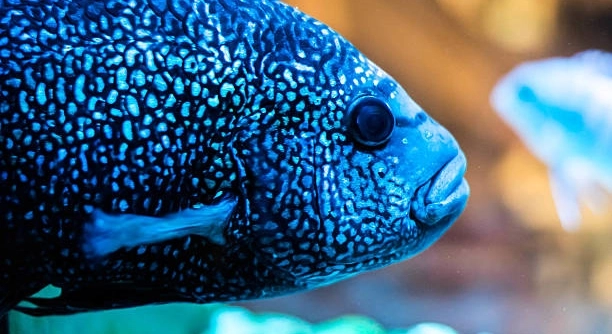
Have you ever noticed your Jack Dempsey fish staying in one spot for long periods? Their vibrant colors and calm presence make them captivating, yet their hovering behavior often leaves fishkeepers intrigued about what drives this habit.
Jack Dempsey fish hover in a single spot mainly to conserve energy and establish territorial control. This behavior helps them monitor their environment, respond to potential threats efficiently, and maintain dominance within their selected area of the aquarium.
Observing this behavior can reveal important insights about their natural instincts and social patterns. Learning these habits helps maintain a healthier, more balanced aquarium environment.
Energy Conservation in Jack Dempsey Fish
Jack Dempsey fish often hover in one spot to save energy. Their natural habitat in slow-moving rivers and lakes encourages minimal movement to avoid wasting resources. Remaining stationary allows them to watch for prey and predators without expending unnecessary energy. By limiting swimming, they maintain strength for sudden bursts when hunting or defending their territory. This behavior also reduces stress, as constant movement in an unfamiliar environment can be exhausting. In an aquarium, this instinct remains strong, with fish frequently pausing near rocks, plants, or other structures. Hovering helps them regulate oxygen use efficiently while staying alert. Even when food is present, they may remain still to assess the situation before acting. The practice of staying in one spot is an adaptive behavior, promoting survival and overall health. Observing these pauses can give insight into their comfort level and the balance of their tank environment.
Hovering in one spot keeps Jack Dempsey fish calm and ready for sudden activity, whether feeding or protecting territory.
Understanding these energy patterns can improve tank setup. Providing hiding spots, moderate currents, and proper lighting encourages natural behavior. Fish that feel secure in their area will hover confidently, showing less stress and more vibrant coloration. Observing how they choose positions in the tank can indicate comfort and health, allowing adjustments to water flow, plant placement, or decorations to better match natural tendencies. Hovering also influences feeding schedules. Fish that remain in one area are more likely to approach food deliberately rather than erratically, which can prevent overfeeding or wasted pellets. Maintaining proper water parameters supports this behavior, as stable conditions reduce unnecessary movement. Recognizing hovering as a positive, natural trait rather than inactivity helps fishkeepers better understand Jack Dempsey temperament and care needs.
Territorial Behavior and Habitat Preferences
Jack Dempsey fish select a spot to mark as their territory, often near shelters or visually clear areas in the tank.
Territorial instincts guide much of their hovering behavior. By establishing a specific zone, they can control access to resources such as food and hiding spaces. This behavior mimics natural conditions, where dominance ensures survival and reduces conflict. In a home aquarium, observing which areas a fish chooses can help identify its preferred environment and reduce stress from overcrowding. Tank structures like rocks, driftwood, and plants encourage these choices by creating boundaries and visual markers. Maintaining consistent territories allows fish to feel secure, reducing aggressive interactions with tank mates. Hovering in a chosen spot also signals readiness to defend the area if another fish approaches. This combination of vigilance and patience demonstrates their intelligence and adaptability. By understanding these habitat preferences, aquarists can create spaces that support natural behaviors, promote well-being, and minimize disruptions in social dynamics. Properly arranged aquariums reflecting natural conditions encourage Jack Dempsey fish to exhibit confident, healthy hovering patterns.
Feeding Strategies and Hovering
Jack Dempsey fish often hover to monitor food sources. Staying in one spot allows them to react quickly when prey or pellets appear, conserving energy for precise strikes.
Hovering enhances hunting efficiency. In the wild, these fish wait near rocks or plants, striking at smaller fish or invertebrates when they come close. In aquariums, they exhibit similar patience, hovering near feeding areas to observe movement before acting. This cautious approach reduces wasted energy and ensures successful feeding attempts. The behavior also reflects natural instincts, maintaining their sharp reflexes and improving overall health.
Hovering during feeding periods helps them maintain control over their environment. By minimizing movement, they reduce stress and avoid unnecessary competition with other fish. Fish that hover patiently tend to have more consistent eating habits and display more natural behaviors. Recognizing these patterns can guide feeding schedules and tank arrangements, ensuring a balanced and healthy environment.
Stress Response and Safety
Hovering serves as a protective strategy in stressful situations, allowing Jack Dempsey fish to assess potential threats. Their stationary position increases awareness and readiness.
When exposed to sudden changes in the aquarium, such as new fish or altered decorations, Jack Dempsey fish often choose to hover rather than swim freely. This behavior minimizes attention and reduces energy expenditure while evaluating the situation. Hovering near secure spots like caves or plants provides safety and comfort, allowing them to respond quickly if danger arises. This instinctive caution reflects survival mechanisms from their natural habitat, where remaining still can prevent attacks from predators and maintain dominance over territory.
Hovering also indicates overall comfort in the tank. Fish that hover confidently near familiar structures are generally less stressed, while erratic movement can signal tension or poor water conditions. Consistent observation helps ensure environmental stability, improving health and encouraging natural behaviors. By providing predictable surroundings and hiding spots, aquarists can support this instinctive response, creating a safe and calm environment for Jack Dempsey fish to thrive.
Social Interaction and Hovering
Jack Dempsey fish use hovering to observe tank mates. Staying still allows them to monitor movements without provoking conflict or drawing attention.
Hovering also signals dominance subtly. By remaining in a chosen spot, they communicate territory control and readiness to defend their area when necessary.
Environmental Comfort
Hovering often reflects a fish’s comfort with its surroundings. Stable water conditions, proper temperature, and familiar structures encourage them to remain in one spot confidently. This behavior indicates they feel secure and in control of their space, reducing stress and promoting natural activity patterns.
Breeding Behavior
During breeding, Jack Dempsey fish hover near selected nesting sites. Staying stationary protects eggs and fry from potential threats. This careful positioning ensures safety and increases reproductive success, reflecting natural instincts and attentive parental care.
Observation Benefits
Watching their hovering can reveal preferences and health signals. Changes in this behavior often indicate stress, illness, or environmental issues that may need attention.
FAQ
Why does my Jack Dempsey fish hover in the same spot all day?
This is a natural behavior. Jack Dempsey fish hover to conserve energy and monitor their surroundings. Remaining in one spot allows them to respond quickly to food or threats while staying alert. In aquariums, this behavior is common near rocks, plants, or other structures that provide comfort.
Is it normal for Jack Dempsey fish to stay still for long periods?
Yes. These fish are naturally patient and cautious. Staying still reduces stress, conserves energy, and mimics their behavior in slow-moving rivers and lakes. Long periods of hovering usually indicate they feel secure and are behaving naturally.
Can hovering be a sign of stress?
Hovering is not always stress-related, but sudden changes in position or unusual stillness can indicate tension. Stress can result from water quality issues, overcrowding, or aggressive tank mates. Observing context, like nearby disturbances or tank conditions, helps determine if hovering is healthy.
Should I be concerned if my Jack Dempsey fish rarely moves?
Not necessarily. Many Jack Dempsey fish are naturally sedentary. They often pick a favorite spot and hover there for long periods. However, if other signs like loss of appetite, discoloration, or rapid breathing appear, it may indicate health issues.
Does tank setup affect hovering behavior?
Yes, tank arrangement is very important. Rocks, driftwood, and plants create visual boundaries and hiding spaces, encouraging natural hovering patterns. Proper lighting, moderate current, and stable water parameters make fish feel secure, which increases healthy stationary behavior.
Do Jack Dempsey fish hover more when feeding?
Yes, hovering improves feeding efficiency. They wait near food sources, watching carefully before striking. This cautious approach reduces wasted energy and increases success in catching food, reflecting natural hunting instincts.
Is hovering related to territorial behavior?
Absolutely. Hovering allows fish to monitor their territory while asserting dominance subtly. By maintaining a visible presence, they control access to resources like food, shelter, and space, which reduces conflicts with other fish.
Do Jack Dempsey fish hover differently during breeding?
Yes, during breeding they hover near nests to protect eggs and fry. This behavior ensures safety and reflects attentive parental instincts, keeping the area clear from potential threats.
Can hovering indicate a fish’s health?
Observing hovering can provide insights into health. Confident, stationary behavior usually signals comfort and well-being. Erratic movements, constant hiding, or sudden changes in hovering patterns may indicate illness, poor water conditions, or stress.
How can I encourage natural hovering behavior?
Creating a secure environment helps. Provide hiding spots, maintain stable water parameters, moderate currents, and proper lighting. Avoid sudden changes in tank setup or adding aggressive tank mates abruptly. Supporting their natural instincts encourages confident and healthy hovering patterns.
Does the age of the fish affect hovering?
Yes, younger Jack Dempsey fish may be more active, exploring more of the tank. Adults often prefer to hover in chosen spots, conserving energy and maintaining territory. This shift reflects maturation and natural behavior development.
Can other fish disrupt hovering behavior?
Yes. Aggressive or highly active tank mates may force Jack Dempsey fish to move more than usual. Providing adequate space, visual barriers, and separate territories helps maintain calm and allows natural hovering to continue.
Is hovering behavior the same in small and large tanks?
Not exactly. In smaller tanks, fish may hover due to limited space, while in larger tanks, they select spots that mimic natural shelters. Regardless of tank size, hovering remains a key part of energy conservation, territorial control, and stress management.
How often should I monitor hovering behavior?
Regular observation is beneficial. Watching where and how long your fish hovers can reveal preferences, comfort levels, and potential problems. Monitoring patterns over time helps maintain proper care and a healthy tank environment.
Does water temperature influence hovering?
Yes, water temperature affects activity levels. Ideal temperatures keep fish comfortable, supporting natural hovering. Too cold or too warm water can increase movement or cause lethargy, disrupting normal behavior. Maintaining consistent temperature helps them remain calm and stationary naturally.
Can feeding schedule impact hovering patterns?
Yes. Predictable feeding encourages hovering near favorite spots, allowing fish to anticipate and react efficiently. Irregular feeding can cause unnecessary movement and stress, reducing the benefits of stationary behavior. A consistent schedule promotes calm and natural habits.
Do Jack Dempsey fish ever hover in groups?
Occasionally, they may hover near other fish, but they are generally territorial. Group hovering is rare and usually occurs in larger tanks with plenty of space. They prefer maintaining individual territories while observing nearby tank mates.
Is hovering behavior consistent across all Jack Dempsey fish?
While most exhibit this behavior, individual temperament, tank setup, and environmental conditions influence how much and where they hover. Some fish may be more active or exploratory, but the instinct to monitor surroundings remains common.
What signs indicate unhealthy hovering behavior?
Signs include prolonged hiding without leaving the spot, rapid gill movement, loss of appetite, or unusual positions. These behaviors may indicate stress, disease, or poor water conditions and should prompt corrective action.
Can improving tank enrichment change hovering habits?
Yes, adding structures, plants, and varied terrain can encourage natural movement while still supporting hovering. Enrichment provides stimulation without forcing unnecessary activity, helping balance energy conservation with exploration.
How important is observation in understanding hovering behavior?
Observation is key. Tracking location, duration, and context of hovering reveals comfort, stress, and health. Adjustments to tank environment, feeding, and social dynamics can then be made to support natural and healthy behavior.
Final Thoughts
Observing Jack Dempsey fish hover in one spot is a fascinating glimpse into their natural instincts. This behavior is normal and serves multiple purposes, including energy conservation, territorial monitoring, and stress management. Many fishkeepers notice that even in well-maintained aquariums, these fish often select a favorite spot and remain there for extended periods. It is important to understand that this is not a sign of laziness or illness but a natural adaptation. In the wild, Jack Dempsey fish inhabit slow-moving rivers and lakes where conserving energy is crucial for survival. By hovering, they can watch for food, predators, and other fish without expending unnecessary energy. In aquariums, this instinct continues, helping the fish feel secure and in control of their environment. Watching how they interact with their surroundings can provide insight into their comfort level and overall well-being. A fish that hovers confidently near familiar structures, such as rocks, plants, or driftwood, is generally healthy and stress-free.
Hovering also reflects the territorial nature of Jack Dempsey fish. By remaining in a chosen spot, they establish and maintain control over a specific area of the tank. This behavior reduces conflict with other fish and allows them to monitor resources such as food and hiding places. Providing appropriate tank structures is essential for supporting this instinct. Rocks, caves, and plants create visual boundaries and safe spaces where the fish can hover without feeling threatened. Maintaining stable water conditions, moderate currents, and proper lighting further encourages stationary behavior. Tank mates can influence hovering patterns as well. Aggressive or highly active fish may force Jack Dempsey to move more often, while calm companions allow them to maintain their chosen spot. Observing these interactions helps identify if the environment is suitable or if adjustments are needed to improve comfort and security. Hovering in this context is a natural and positive behavior, indicating that the fish is confident and able to assert its territorial instincts without excessive stress.
Finally, hovering can provide valuable insight into the health and daily patterns of Jack Dempsey fish. Changes in this behavior can signal environmental issues, illness, or stress. For example, if a fish suddenly stops hovering near familiar areas or appears lethargic, it may indicate water quality problems, illness, or discomfort from tank mates. Regular observation of hovering habits allows fishkeepers to detect subtle changes and respond appropriately. Supporting natural behavior through proper feeding schedules, environmental enrichment, and maintaining suitable water parameters ensures the fish remain healthy and active. Hovering is more than a stationary pose; it reflects instinctive survival strategies, energy management, territorial awareness, and stress coping. Understanding this behavior allows aquarists to create a balanced environment that encourages confidence, health, and longevity. Paying attention to the ways Jack Dempsey fish choose to hover helps maintain their well-being and fosters a harmonious aquarium where their natural instincts can thrive.

Hello,
If you enjoy the content that we create, please consider saying a "Thank You!" by leaving a tip.
Every little bit helps us continue crafting quality advice that supports the health, happiness, and well-being of pets around the world, for pets of all shapes, sizes, and species.
We really appreciate the kindness and support that you show us!