
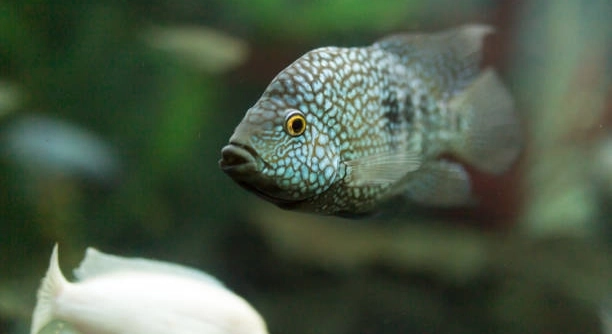
Have you ever noticed your Jack Dempsey fish suddenly spreading its fins and flaring at shadows? These colorful fish are known for their alertness and quick reactions, often responding to subtle movements in their tank environment.
Jack Dempsey fish flare at shadows as a natural defensive and territorial response. The sudden appearance of a shadow can mimic the presence of another fish or potential threat, prompting an instinctive display to assert dominance and protect their space.
Observing these behaviors can help fish owners better understand their pets. Learning why shadows trigger flaring provides insight into the fish’s instincts and interactions within the aquarium.
How Shadows Trigger Jack Dempsey Fish
Shadows in an aquarium can easily catch a Jack Dempsey fish’s attention. These fish have keen eyesight and are very aware of movements around them. Even a small shadow passing across the tank can make them flare their fins and appear larger. This behavior is rooted in survival instincts. In the wild, sudden changes in light often indicate predators or rival fish approaching. By flaring at shadows, they are preparing to defend themselves or their territory. Observing this reaction can be fascinating because it shows how sensitive these fish are to their environment. The intensity of the flare can vary depending on the fish’s mood, size, and previous experiences. Regular exposure to shadows may cause the fish to become more cautious or reactive over time. Understanding these triggers can help aquarium owners manage tank lighting and placement of decorations to reduce unnecessary stress for their fish.
This reaction is normal and indicates that the fish is alert and aware of its surroundings.
Shadows are not just visual stimuli but also signals that the fish interprets as potential threats. This behavior is part of a natural defense mechanism. In a home aquarium, even slight movements outside the tank can create shadows, which may cause repeated flaring. It is important to recognize that this is not aggression without reason; the fish is responding to perceived danger. Owners can minimize stress by arranging plants, rocks, and hiding spots that make the fish feel secure. Additionally, keeping the tank in a location where frequent shadows occur can lead to overreaction and unnecessary stress. Over time, understanding the fish’s sensitivity can help maintain a peaceful environment. Careful observation allows owners to see which areas or times of day provoke the most reaction. Adjustments in lighting and surroundings help the fish remain calm while still allowing natural behaviors. Proper attention to these details ensures healthier, more relaxed Jack Dempsey fish.
Environmental Factors Affecting Flaring
Tank layout and light positioning play a major role in shadow flaring.
Lighting, decorations, and even tank reflections can influence how often Jack Dempsey fish react. Strong overhead lights or direct sunlight can create sharp shadows, triggering frequent flares. Decorations that cast uneven shadows can also confuse the fish. In addition, frequent movement near the tank, such as people walking by, creates passing shadows that the fish interprets as threats. Water clarity matters as well, since murky water can exaggerate shadow shapes, while very clear water allows shadows to move sharply across the fish’s vision. By paying attention to these environmental factors, owners can adjust their setup to reduce unnecessary flaring without limiting the fish’s natural alertness. Careful placement of plants, rocks, and light sources creates a balanced environment where shadows appear more gradually and less startling. This adjustment helps maintain a stable, stress-free tank, encouraging healthier interactions among all fish. Proper management of these details can improve both fish behavior and the overall viewing experience in the aquarium.
Managing Shadow Reactions
Keeping the tank environment stable can reduce flaring. Consistent lighting and minimizing sudden movements near the tank help the fish feel secure.
Adjusting tank placement and lighting can make a noticeable difference. Jack Dempsey fish react strongly to sudden changes, so positioning lights to avoid harsh shadows is important. Adding plants or rocks provides hiding spots, letting the fish retreat when startled. Even slight changes in water clarity or reflections can trigger flaring, so maintaining clean water and steady conditions is essential. By controlling these environmental factors, owners can create a calmer space, allowing the fish to display natural behaviors without constant stress. Observing their responses over time helps fine-tune the setup.
Behavioral conditioning can also reduce unnecessary flaring. Over time, the fish may become accustomed to harmless movements or shadows in its environment. Gradually introducing predictable light changes or occasional movement outside the tank can teach the fish that not all shadows signal danger. Combining this with a stable tank setup improves overall fish comfort. Providing enrichment, such as floating plants or hiding spots, helps the fish focus on natural behaviors rather than reacting to every shadow. This approach supports both mental stimulation and stress reduction, creating a healthier aquarium environment where the fish can thrive and interact naturally with its surroundings.
Monitoring Fish Stress
Frequent flaring can indicate stress or discomfort. Watching for other signs, such as hiding or loss of appetite, is crucial.
Stress management starts with careful observation. Jack Dempsey fish that flare excessively may also show changes in behavior, including less swimming or avoiding areas of the tank. Environmental stressors such as sudden shadows, water quality issues, or overcrowding can amplify these reactions. Regular water testing and stable temperature help reduce underlying stress. Providing enough space and maintaining proper social interactions with other fish prevent territorial conflicts that trigger flaring. Monitoring behavior consistently allows owners to address issues early, ensuring the fish remain healthy, active, and less reactive to shadows or other minor stimuli.
Common Triggers in the Tank
Shadows from decorations or nearby movement often startle Jack Dempsey fish. Even reflections on the glass can trigger a flare.
Sudden changes in light intensity, such as turning on a bright lamp or sunlight shifting through a window, can also provoke strong reactions.
Social Dynamics and Flaring
Jack Dempsey fish are naturally territorial. When multiple fish share a tank, shadows cast by others can be interpreted as intrusion. Flaring helps establish dominance and communicate boundaries. Younger or smaller fish may flare more frequently, as they feel less secure. Understanding these social interactions allows owners to manage tank mates carefully. Providing sufficient hiding spots, visual barriers, and spacing helps reduce unnecessary flaring and aggression. Observing patterns over time reveals which fish tend to react more to shadows, and adjustments can be made accordingly. This knowledge improves overall tank harmony and minimizes stress for all fish.
Adjusting Tank Lighting
Using softer, diffused lighting reduces sharp shadows and helps the fish stay calm.
Why does my Jack Dempsey flare at every shadow?
Flaring at shadows is a natural response for Jack Dempsey fish. They interpret sudden changes in light as potential threats or rival fish. Even harmless movements outside the tank can create shadows that trigger this instinctive reaction. Maintaining consistent lighting and minimizing external movement reduces excessive flaring.
Is flaring harmful to my fish?
Flaring itself is not harmful if it happens occasionally. It is a normal defensive behavior. Problems can arise if the fish flares constantly due to stress, poor water conditions, or overcrowding. Excessive flaring can lead to energy depletion and stress, which may affect appetite and overall health.
Can tank decorations cause frequent flaring?
Yes, decorations can create shadows or reflections that provoke flaring. Tall plants, rocks, or ornaments placed in direct light may cast sudden shadows. Observing which areas cause repeated reactions allows you to reposition items to create a calmer environment for your fish.
Does tank lighting affect shadow flaring?
Lighting plays a major role in shadow-induced flaring. Bright, direct lights or sunlight create sharper shadows, while diffused or softer lighting reduces startling effects. Adjusting light placement and intensity helps minimize unnecessary stress and allows the fish to display natural behaviors comfortably.
How can I reduce stress from shadows?
Providing hiding spots, stable tank conditions, and controlled lighting helps reduce stress. Avoid sudden movements near the tank and place visual barriers to break up sharp shadows. Gradually exposing the fish to predictable changes in light allows it to become accustomed to harmless shadows.
Do other fish trigger flaring?
Yes, Jack Dempsey fish are territorial. Shadows cast by other tank mates may be interpreted as intrusion, prompting flaring. Careful selection of compatible tank mates, sufficient space, and visual barriers help reduce territorial conflicts and repeated defensive behavior.
Will flaring decrease over time?
Flaring may decrease as the fish becomes accustomed to its environment. Stable lighting, consistent tank conditions, and proper tank setup allow the fish to recognize harmless shadows and movements, reducing unnecessary reactions over time. Patience and observation are key.
Does water quality impact flaring behavior?
Poor water quality can increase stress, making the fish more sensitive to shadows and other stimuli. Maintaining proper temperature, pH, and cleanliness helps the fish feel secure and lowers the frequency of flaring caused by environmental stress.
Is it normal for younger fish to flare more?
Younger Jack Dempsey fish often flare more frequently because they are smaller and feel less secure. As they grow and establish territory, flaring may become less frequent. Providing hiding spots and space helps reduce stress for juvenile fish.
Can reflections cause flaring similar to shadows?
Yes, reflections on the glass or water surface can resemble shadows or moving objects. Fish may flare at these reflections as if another fish is present. Reducing strong reflections with background covers or adjusting lighting helps minimize this behavior.
Should I separate fish that flare too often?
Separation is only necessary if flaring leads to aggression or stress that harms other fish. Otherwise, careful tank management, hiding spots, and observation usually suffice to reduce excessive reactions without isolating the fish.
Does feeding time affect flaring?
Flaring is less common during feeding, as fish focus on food rather than environmental triggers. Predictable feeding schedules help create a calmer atmosphere, reducing unnecessary stress from shadows or movement in the tank.
How can I tell if flaring indicates aggression or fear?
Aggressive flaring is usually directed at other fish, with rapid movements and chasing behavior. Fearful flaring often occurs in response to shadows or reflections, with retreating or hiding afterward. Observing body language helps determine the cause.
Are Jack Dempsey fish more sensitive than other cichlids?
Jack Dempsey fish are known for their alertness and territorial instincts, making them more likely to react to shadows compared with some other cichlid species. Their keen eyesight and strong defensive behavior explain why flaring is common.
Can environmental enrichment reduce shadow flaring?
Yes, adding plants, rocks, and visual barriers provides security and mental stimulation. Enrichment helps fish focus on exploration rather than reacting to every shadow, supporting natural behavior while reducing stress-related flaring.
Does tank size influence flaring?
Smaller tanks can increase flaring because shadows and movements appear closer and more threatening. Providing sufficient space and well-placed decorations allows the fish to establish territory and reduces unnecessary defensive behavior.
Are there long-term effects of constant flaring?
Frequent flaring due to stress can lead to energy depletion, weaker immune response, and poor growth. Addressing environmental triggers, social interactions, and water conditions helps prevent long-term negative effects on the fish’s health.
Can I train my fish to ignore shadows?
Gradual, consistent exposure to harmless shadows can help reduce overreaction. Predictable lighting changes and minimizing sudden movements outside the tank teach the fish that not every shadow signals danger. This process requires patience but can lower stress and flaring frequency.
Is flaring during breeding different?
During breeding, flaring increases naturally as fish defend their territory and protect eggs or fry. This behavior is temporary and usually decreases once the breeding period ends, as territorial instincts become less heightened.
Do seasonal light changes affect flaring?
Yes, natural light changes through windows or seasonal shifts can create stronger shadows, prompting more flaring. Adjusting artificial lighting or using blinds helps maintain consistent conditions and reduces stress caused by sudden changes in light.
How do I balance natural behavior with minimizing flaring?
Providing a stable, enriched environment with proper lighting, space, and compatible tank mates allows Jack Dempsey fish to display normal behaviors while reducing unnecessary stress. Observing patterns and making small adjustments creates a healthier, calmer aquarium ecosystem.
Can stress from shadows affect appetite?
Yes, prolonged stress from constant flaring may reduce feeding or make fish more cautious during feeding times. Ensuring a calm environment and minimizing frequent triggers helps maintain regular appetite and overall health.
Is it normal for older fish to flare less?
Older Jack Dempsey fish may flare less frequently as they establish territory and grow more confident in their environment. They become familiar with harmless shadows and are less reactive compared with younger or new additions to the tank.
Do reflections at night cause flaring?
Reflections from room lights or tank equipment at night can cause occasional flaring. Using dim lighting or covering the tank at night reduces visual disturbances and helps the fish rest undisturbed.
Are some fish naturally more reactive than others?
Individual temperament varies. Some Jack Dempsey fish are naturally more cautious or aggressive, leading to more frequent flaring. Observing individual behavior helps tailor tank conditions and interactions to suit each fish’s needs.
Can flaring indicate illness?
Unusual or persistent flaring combined with lethargy, loss of appetite, or unusual coloration may signal illness or stress. Regular health monitoring, proper water quality, and attention to behavior help catch problems early.
How do I prevent overreacting to shadows long-term?
Maintaining consistent lighting, tank conditions, hiding spots, compatible mates, and gradual exposure to harmless shadows reduces long-term overreaction. Observing patterns and adjusting environmental factors supports a calmer, healthier fish over time.
Do Jack Dempsey fish flare at their reflection in the water?
Yes, reflections on the water surface can trigger flaring as the fish may perceive it as another fish entering its territory. Reducing reflections with background covers and controlling light intensity helps minimize these reactions.
Is flaring stronger in newly introduced fish?
New fish are more sensitive to environmental changes, including shadows. They may flare frequently as they explore and establish territory. Providing hiding spots and stable conditions helps them adapt and reduces stress-related flaring.
Can tank maintenance affect flaring?
Maintenance tasks like moving equipment or cleaning decorations can create shadows or movement that trigger flaring. Performing these tasks gradually and predictably reduces stress and helps the fish remain calm during routine care.
Does tank color or background influence flaring?
Darker or patterned backgrounds may create more noticeable shadows, increasing flaring. Light, uniform backgrounds reduce visual stress and make the environment feel safer for Jack Dempsey fish.
Can adding new fish increase shadow reactions?
Yes, introducing new fish can create shadows and provoke territorial flaring. Gradual introductions with visual barriers or quarantine tanks help minimize stress and allow residents to adjust to new neighbors calmly.
Are flares more intense during feeding or aggression displays?
Flares during feeding are usually mild, while territorial aggression triggers stronger, more prolonged displays. Understanding context helps distinguish between defensive reactions and normal feeding excitement.
Can I use plants to manage shadow flaring?
Yes, plants create natural barriers and soften light, breaking up shadows. Strategic placement of live or artificial plants helps the fish feel secure and reduces frequent defensive flaring.
Does tank size change flaring frequency?
Smaller tanks increase shadow intensity and proximity, prompting more frequent flares. Larger tanks provide space to retreat and establish territory, reducing unnecessary reactions. Adjusting tank layout also helps manage flaring behavior.
How do I know if flaring is excessive?
If the fish flares constantly, shows stress signs, or loses appetite, it indicates excessive flaring. Addressing environmental, social, or health factors is necessary to reduce stress and maintain well-being.
Is it normal for pairs or groups to flare more often?
Yes, territorial disputes or competition for space can increase flaring in pairs or groups. Sufficient space, hiding spots, and careful mate selection reduce conflicts and frequent displays of aggression.
Can flaring affect other tank mates?
Excessive flaring can stress or intimidate other fish. Providing visual barriers, sufficient space, and compatible species minimizes conflict and maintains a calm, balanced aquarium environment.
Does water flow influence shadow flaring?
Strong currents or reflections from moving water can create shifting shadows that trigger flaring. Adjusting flow direction or intensity reduces visual disturbances and helps fish remain calm.
Can flaring teach owners about their fish’s temperament?
Yes, observing which situations trigger flaring provides insight into the fish’s personality, territorial instincts, and sensitivity, helping owners create a supportive environment tailored to their behavior.
Are flares more common during certain times of day?
Flaring often increases when lighting changes, such as morning sunlight or turning on bright room lights. Consistent lighting schedules reduce sudden shadow appearances and stress reactions.
Does feeding frequency affect defensive behavior?
Regular, predictable feeding reduces stress and allows the fish to focus on food rather than reacting to every shadow. Irregular schedules can increase anxiety and defensive flaring.
Can flaring be part of normal exploration?
Yes, occasional flaring can be part of natural curiosity and territorial assessment. Observing context and frequency helps distinguish harmless exploration from stress-related behavior.
Is it normal for fish to flare at their reflection in decorations?
Reflections on glass or ornaments can trigger flaring. Using matte or opaque decorations reduces misleading visual cues and keeps the fish calm.
Do juvenile and adult fish flare differently?
Juveniles tend to flare more frequently and appear more reactive. Adults flare less often, usually in clear territorial or defensive contexts. Understanding these differences helps manage tank behavior appropriately.
How long does a flare typically last?
Most flares last a few seconds. Prolonged or repeated flaring may indicate stress, environmental issues, or social conflict requiring attention from the owner.
Can shadow flaring affect growth?
Excessive stress from repeated flaring can impact growth, as energy is spent on defensive behavior rather than feeding or development. Proper care and environmental management support healthy growth.
Does flaring vary between male and female fish?
Males are often more territorial and may flare more frequently, especially during breeding or when defending territory. Females flare less intensely but will respond if threatened.
Are there signs that flaring is due to boredom?
Occasional flaring without external threats may indicate mental stimulation needs. Adding hiding spots, plants, or gentle enrichment helps reduce unnecessary reactions.
How do I differentiate between normal and abnormal flaring?
Normal flaring is occasional and linked to shadows, reflections, or social interactions. Abnormal flaring is constant, intense, or paired with stress signs such as loss of appetite, lethargy, or hiding.
Can tank mates influence flaring behavior long-term?
Yes, aggressive or highly active tank mates can increase stress-induced flaring. Choosing compatible species and arranging space to reduce direct line-of-sight conflicts helps manage behavior effectively.
Does light spectrum affect flaring?
Harsh, bright lighting with strong contrasts can trigger more flaring. Using softer or diffused lighting reduces stress and creates a more stable visual environment for the fish.
Can flaring indicate territorial dominance?
Yes, flaring is often a way to assert territory and warn other fish. Understanding the context helps distinguish between defensive reactions and aggressive displays.
Are some tanks better than others for reducing flaring?
Tanks with soft lighting, hiding spots, sufficient space, and minimal external movement create calmer conditions, reducing the frequency and intensity of shadow-induced flaring.
Does temperature influence flaring behavior?
Extreme temperatures can increase stress, making fish more reactive. Maintaining a stable, optimal temperature helps prevent unnecessary flaring caused by environmental discomfort.
Can flaring affect breeding success?
Excessive flaring due to stress can disrupt breeding behaviors. Calm, well-structured environments help encourage successful mating and protect eggs or fry from undue stress.
Is shadow flaring less common in established tanks?
Yes, fish in well-established tanks with stable conditions, proper lighting, and minimal disturbances flare less often as they feel secure in their environment.
How do I record flaring patterns effectively?
Observing the tank at different times, noting triggers, and recording duration and frequency helps identify patterns. This data guides adjustments in lighting, tank setup, and social arrangements to reduce stress.
Does tank position in the room matter?
Placing the tank away from windows, doors, or high-traffic areas reduces sudden shadows and movement, minimizing flaring and creating a calmer environment for the fish.
Can flaring behavior predict aggression toward other fish?
Consistent flaring toward specific tank mates may indicate developing aggression. Monitoring interactions and providing space or barriers helps prevent conflicts and stress.
Are flares stronger when new objects are added to the tank?
Yes, new objects create shadows or reflect light, triggering defensive flaring. Introducing decorations gradually allows the fish to adjust without excessive stress.
How often should I monitor flaring behavior?
Regular observation, especially during lighting changes, feeding, or introduction of new tank mates, helps detect patterns and address issues before stress becomes a problem.
Does feeding method affect flaring?
Surface feeding or using floating foods can reduce flaring, as fish focus on food rather than reacting to shadows or reflections near the bottom of the tank.
Is shadow flaring common across all cichlids?
Many cichlids display similar defensive responses, but Jack Dempsey fish are particularly reactive due to their territorial instincts and heightened awareness of environmental changes.
Can nighttime lighting prevent shadow flaring?
Dim or no lighting at night reduces visual stimuli that cause flaring. Covering the tank or using soft night lights helps the fish rest undisturbed.
Does tank cleanliness influence flaring?
Clean water improves visibility but also prevents confusing shadows caused by debris or reflections. Regular maintenance supports a stable environment and reduces stress-induced reactions.
Are flares always related to external stimuli?
Mostly, yes. Flares usually respond to shadows, reflections, tank mates, or environmental changes. Occasional flaring without clear triggers may indicate curiosity or mild stress needing attention.
Can flaring indicate dominance hierarchy?
Flaring helps establish dominance within the tank. Observing which fish flare more often reveals social structure and allows owners to manage territorial dynamics effectively.
How do I balance lighting and natural behavior?
Soft, diffused lighting reduces stress while allowing the fish to display natural behaviors. Gradual light transitions and stable conditions support a calm, healthy environment.
Can I use observation logs to improve tank setup?
Yes, recording when and where flaring occurs helps identify problem areas, adjust decorations, lighting, and social arrangements, and reduce unnecessary stress for the fish.
Does tank material affect flaring?
Glass and acrylic can reflect light differently, creating shadows or reflections. Using matte backgrounds and diffused lighting minimizes misleading visual cues.
Is frequent flaring a sign of boredom or stimulation?
Occasional flaring may indicate curiosity, but constant reactions often point to stress. Providing enrichment and hiding spots keeps fish engaged without overreacting.
Does age affect shadow sensitivity?
Younger fish are usually more reactive, while older, established fish flare less as they adapt to the environment and recognize harmless shadows.
Can flaring indicate mating readiness?
During breeding, increased flaring is normal as fish defend territory and attract mates. Context and timing help distinguish reproductive behavior from stress reactions.
How do I reduce reflections that trigger flaring?
Adding background covers, adjusting lighting angles, and using decorations strategically can break up reflections and reduce misleading visual stimuli that provoke flaring.
Are some tank layouts better than others?
Layouts with hiding spots, diffuse lighting, and sufficient space create calm environments. Open areas combined with visual barriers allow natural exploration without constant shadow-induced flaring.
Can flaring behavior change over seasons?
Yes, seasonal light changes or room activity can affect shadow intensity, prompting more frequent reactions. Maintaining consistent lighting and stable conditions mitigates seasonal fluctuations.
Does water flow create shadows that trigger flaring?
Strong currents or surface movement can create shifting shadows. Adjusting flow direction and intensity reduces visual disturbances and unnecessary flaring.
Can frequent flaring affect overall health?
Prolonged stress from excessive flaring may impact appetite, immune function, and growth. Proper environmental management ensures the fish remain healthy and display natural behavior without chronic stress.
How do I distinguish between curiosity and defensive flaring?
Curiosity flares are brief and exploratory, often without chasing or aggressive posture. Defensive flares are longer, directed at perceived threats, and may involve retreat or dominance displays. Observing context clarifies intent.
Can tank lid reflections trigger flaring?
Yes, overhead lights reflecting on the water or lid can create shadows resembling intruders. Adjusting lid positioning or light intensity reduces this issue.
Is flaring more common in stressed fish?
Stress heightens sensitivity to shadows, reflections, and movement. Addressing environmental stressors, social dynamics, and water quality reduces overreactive flaring.
Does tank background color influence shadow perception?
Light, uniform backgrounds reduce contrast and visual stress. Dark or patterned backgrounds may exaggerate shadows, increasing flaring frequency.
Can flaring indicate excitement or play?
Occasional flaring during exploration or movement may show curiosity. Distinguishing these from defensive or aggressive flares is important for assessing stress levels.
**How do
Jack Dempsey fish are naturally alert and sensitive to their surroundings. Their tendency to flare at shadows is part of their instinctive behavior, shaped by territorial and defensive needs. This reaction helps them feel secure and assert their presence, especially in areas they consider their territory. In an aquarium, shadows caused by decorations, lighting, or reflections can trigger flaring even when no real threat exists. Observing these behaviors can be fascinating because it shows how closely the fish monitors its environment. Understanding why they react this way allows owners to create conditions that reduce unnecessary stress while still letting the fish display natural behaviors. Flaring is not inherently harmful, but excessive reactions can indicate stress, which may affect appetite, energy levels, and overall health. Paying attention to their reactions and patterns helps maintain a calmer and more balanced aquarium.
Environmental factors play a large role in how often Jack Dempsey fish flare at shadows. Lighting, tank size, decorations, and even the placement of the tank in a room can influence their behavior. Harsh, direct lighting or sunlight can create sharp shadows, while diffused or softer lighting reduces startling effects. Decorations and plants can also cast shadows or reflections that appear threatening to the fish. Providing hiding spots and visual barriers gives them places to retreat when they feel threatened, which lowers stress. Tank size matters as well, because smaller tanks can make shadows appear closer and more intimidating. Maintaining consistent water conditions, stable temperatures, and proper social interactions with other fish further supports a calm environment. By controlling these factors, owners can reduce unnecessary flaring while allowing the fish to remain alert and active.
Behavioral management is equally important in reducing stress caused by shadows. Gradually introducing the fish to harmless environmental changes, such as predictable lighting adjustments or occasional movement outside the tank, can help them become accustomed to harmless stimuli. Observing individual temperament is also useful, as some fish are naturally more reactive than others. Providing enrichment through plants, rocks, and other hiding spots encourages natural exploration and keeps their attention focused on safe activities instead of reacting to every shadow. Over time, fish can adapt to their surroundings and flare less frequently, allowing them to live more comfortably. Creating a stable, enriched, and well-maintained environment ensures Jack Dempsey fish remain healthy, confident, and able to display natural behaviors without constant stress or overreaction to shadows. Understanding their needs and adjusting the aquarium accordingly helps maintain both their well-being and a peaceful, enjoyable tank for observation.

Hello,
If you enjoy the content that we create, please consider saying a "Thank You!" by leaving a tip.
Every little bit helps us continue crafting quality advice that supports the health, happiness, and well-being of pets around the world, for pets of all shapes, sizes, and species.
We really appreciate the kindness and support that you show us!