
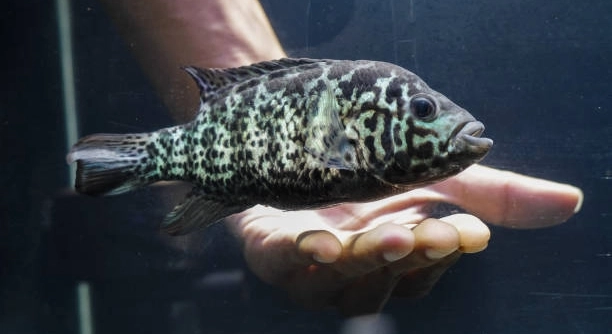
Do you ever notice your Jack Dempsey fish swimming excitedly near the surface around the same time each day? Observing this behavior can be fascinating, especially for owners trying to understand their fish’s daily routine and habits.
Jack Dempsey fish are capable of recognizing feeding times through consistent schedules and environmental cues. Regular feeding allows them to form a routine, responding predictably to signals associated with food availability and demonstrating learned behavioral patterns over time.
Learning how your fish responds to feeding schedules can improve their care and strengthen your interaction with them in the aquarium.
How Jack Dempsey Fish Learn Feeding Times
Jack Dempsey fish are surprisingly attentive to daily patterns. They start to notice cues such as the time of day, the sound of food being prepared, or even movements near the tank. Over several days of consistent feeding, they begin to associate these signals with mealtime. This learning is a type of conditioning, where repeated exposure to certain stimuli creates predictable behavior. You might see them swimming closer to the top when the feeding time approaches or following your movements around the tank. Consistency is key. Feeding them at roughly the same times each day helps reinforce this recognition. Variations in timing can confuse them, causing missed meals or increased stress. Understanding how they adapt to routines allows you to maintain a smoother feeding schedule and reduces aggressive behavior around the tank. Watching this pattern develop can make caring for Jack Dempsey fish more rewarding and predictable.
They quickly learn the association between daily cues and food, reacting even before being fed.
Daily feeding schedules help establish predictable behavior, making it easier to monitor their health and maintain tank harmony. Consistency also reduces stress and aggression during mealtime.
Signs Your Fish Recognize Feeding Times
Jack Dempsey fish show clear signs when they remember feeding times. They become alert, swim actively, and often hover near areas where food is usually given.
These fish respond strongly to cues over time. When you approach the tank or shake the food container, they may swim toward you in anticipation. They often display excitement and increased activity levels as the expected feeding time nears, sometimes gathering near tank corners or the surface. This behavior demonstrates their ability to learn through repetition. By observing these reactions, you can determine whether your fish have established a routine. A predictable schedule not only helps with feeding but also supports their overall health and well-being. Adjusting the timing or method of feeding slightly can test their learning, showing how quickly they adapt. Paying attention to these subtle behaviors gives insight into their habits and allows you to maintain a more controlled and enjoyable aquarium environment for them.
Timing and Consistency
Regular feeding times help Jack Dempsey fish learn quickly. They start expecting food at specific times, which reduces stress and ensures they eat properly.
Consistency in feeding schedules reinforces predictable behavior. Feeding at roughly the same hours daily allows them to associate certain cues with food. Over time, they may begin swimming toward the surface or following movements near the tank before mealtime. Skipping or changing times too often can confuse them, potentially causing missed meals or aggression among tank mates. Maintaining a consistent schedule also helps monitor their appetite and overall health, making it easier to notice changes in behavior. This pattern-building is simple but highly effective.
Keeping the schedule predictable benefits both the fish and the tank environment. It minimizes stress, encourages natural routines, and creates a calmer atmosphere. Observing these patterns provides insight into their habits and reactions.
Environmental Cues
Jack Dempsey fish respond strongly to environmental signals associated with feeding. They notice subtle changes, such as water movement, shadows, or sounds that indicate food is coming.
These cues help them anticipate mealtime. Over days of repeated feeding, they link specific actions or sounds with food arrival. Approaching the tank, rattling the food container, or slight changes in lighting can trigger active swimming and alertness. This shows they are not just reacting instinctively but are learning patterns. Environmental cues combined with consistent timing reinforce recognition, making feeding predictable and smoother. Observing how they react to these signals helps ensure their daily routine remains stable and their behavior remains calm.
Recognizing Daily Patterns
Jack Dempsey fish notice routines in their environment. They start to expect food at certain times and adjust their behavior accordingly.
They may swim toward the feeding area or become more active as mealtime approaches. This shows their ability to recognize and respond to daily patterns consistently.
Feeding Behavior Changes
Over time, Jack Dempsey fish develop specific behaviors linked to feeding. They may become more alert, swim near the surface, or follow movements around the tank. This learned behavior helps them prepare for meals and shows they can associate certain cues with food. Consistent feeding schedules strengthen these responses, making their behavior predictable. Observing these changes also allows you to track their health. If a fish suddenly stops responding to feeding cues, it may indicate stress, illness, or environmental issues. Recognizing and maintaining these behavior patterns supports a stable tank environment and helps ensure all fish remain healthy and active.
Adjusting Feeding Schedules
Gradual changes to feeding times help fish adapt without stress. Careful adjustments maintain their routine and prevent confusion.
FAQ
How do I know if my Jack Dempsey fish recognize feeding times?
You can tell by observing their behavior before feeding. They often become more active, swim toward the surface, or follow movements near the tank. Over time, these behaviors become consistent and predictable, showing they have learned to associate certain cues with food.
Can inconsistent feeding times confuse my fish?
Yes, irregular feeding can disrupt their routine. Jack Dempsey fish rely on consistent schedules to anticipate meals. Sudden changes can cause stress, reduce appetite, or trigger aggression among tank mates. Maintaining a steady schedule helps them stay healthy and ensures predictable feeding behavior.
Do environmental cues affect their feeding recognition?
Absolutely. Jack Dempsey fish respond to subtle signals like water movement, shadows, sounds, or the sight of you approaching the tank. These cues, combined with consistent timing, reinforce their ability to anticipate feeding and show they are learning patterns rather than acting instinctively.
How often should I feed my Jack Dempsey fish?
Feeding once or twice a day is usually sufficient for adult fish. Juveniles may require more frequent meals to support growth. Overfeeding should be avoided, as it can lead to poor water quality and health problems. Observe their appetite and adjust portions accordingly.
Will they react if I change the type of food?
They may notice the difference initially, but most Jack Dempsey fish adapt quickly. Offering a variety of food types, including pellets, frozen, or live foods, can maintain interest and provide a balanced diet. Gradual transitions help prevent stress and ensure consistent feeding responses.
Do they need a feeding schedule even on weekends?
Yes, keeping a regular schedule every day helps them recognize feeding times and reduces stress. Skipping meals or changing times drastically can confuse them and affect their routine, making it harder for them to predict food availability.
What signs indicate stress related to feeding?
Stress can show through unusual aggression, hiding, reduced activity, or loss of appetite. If you notice these behaviors, check your feeding schedule, water quality, and tank environment. Adjusting routines and maintaining consistency can help restore normal behavior and improve health.
Can multiple Jack Dempsey fish learn feeding times together?
Yes, they can. When housed together, they often observe each other’s behavior and anticipate feeding as a group. Dominant fish may eat first, so monitoring portions and ensuring all fish get food is important for maintaining harmony and health.
Is it okay to feed at slightly different times each day?
Minor variations of a few minutes usually don’t cause problems, but large differences can confuse them. The more consistent the schedule, the stronger their recognition of feeding times. Gradual adjustments are better than sudden changes.
Do Jack Dempsey fish remember feeding patterns long-term?
They have good memory for routines. Once they learn a feeding schedule, they can remember it for days or weeks, even after slight interruptions. Regular reinforcement ensures that their learned behavior remains reliable.
How can I use feeding times to monitor health?
Pay attention to appetite and behavior at expected feeding times. Changes such as reduced interest in food, slower response, or avoidance can indicate illness or stress. Consistent feeding behavior allows you to detect problems early and address them promptly.
Should I use feeding times to interact with my fish?
Yes, feeding times are natural opportunities to observe and interact with them. Their response to cues can strengthen your understanding of their habits and help you maintain a healthier and more predictable tank environment.
Can feeding times affect aggression levels?
Yes, predictable feeding schedules can reduce unnecessary aggression. Fish know when to expect food and are less likely to compete aggressively. Irregular feeding or overcrowding at feeding times can increase stress and conflict among tank mates.
How long does it take for them to learn feeding times?
Most Jack Dempsey fish begin to recognize consistent cues within a week or two. Factors such as age, environment, and feeding consistency influence the speed of learning, but regular schedules and repetition make it faster and more reliable.
Can they anticipate human activity outside feeding?
They often learn to associate certain human movements with feeding, such as approaching the tank or shaking the food container. This behavior shows their ability to link environmental cues with expected outcomes, demonstrating learned anticipation rather than instinct alone.
Is overfeeding a risk if they recognize feeding times?
Yes, even if they recognize feeding times, giving too much food can lead to obesity, poor water quality, and health problems. Feeding controlled portions at consistent intervals ensures they get enough nutrition without negative side effects.
Do they respond differently to live food versus pellets?
Jack Dempsey fish are generally more active when live food is offered, as it stimulates hunting instincts. Pellets or frozen foods are still effective, and rotating food types helps maintain interest and provide a balanced diet, while still reinforcing recognition of feeding times.
Can changes in tank setup affect feeding recognition?
Significant changes, like moving the tank or rearranging decorations, can temporarily confuse them. Familiar visual cues help them anticipate meals, so maintaining a stable environment supports their learning and reduces stress during feeding times.
How precise should the feeding schedule be for best results?
Feeding within a 15–30 minute window each day is usually sufficient. Extremely precise times are not necessary, but keeping a regular routine strengthens recognition and ensures predictable behavior, which benefits both fish and caretaker.
Do young Jack Dempsey fish learn feeding times faster than adults?
Juveniles are often more responsive to feeding cues and adjust more quickly, though adults can still learn reliably. Consistency and repetition are the main factors, regardless of age, in establishing predictable feeding behavior over time.
Jack Dempsey fish are more intelligent than many people realize, and their ability to recognize feeding times is a clear example. By paying attention to consistent cues, like the time of day or the sound of food being prepared, they learn to anticipate meals. This recognition is not instinct alone; it is a learned behavior that develops over days or weeks of regular feeding. Observing these patterns can be rewarding, as it shows that the fish are aware of their surroundings and respond predictably to their environment. A regular schedule helps them feel secure, reduces stress, and supports overall health. Fish that are unsure of when or if they will be fed may become less active, more aggressive, or lose interest in food, which can affect their well-being. Maintaining a structured routine, therefore, benefits both the fish and the person caring for them, creating a calmer and more predictable tank environment.
Environmental cues play a significant role in how Jack Dempsey fish learn feeding times. These fish are sensitive to changes around their tank, including shadows, movements, or even the approach of a caretaker. Over time, they connect these signals with food and adjust their behavior accordingly. They may swim to the surface, become more alert, or actively follow movements near the tank before feeding. Combining these cues with consistent timing strengthens their recognition and helps establish a reliable routine. This learning process shows that they are more than passive observers in their environment; they are capable of forming patterns and anticipating events. For caretakers, this means that being consistent in feeding and handling the tank environment can improve the fish’s behavior and well-being. Small details, like preparing food the same way or approaching the tank consistently, can make a noticeable difference in how quickly they learn and respond.
Understanding feeding recognition in Jack Dempsey fish also allows for better monitoring of their health. Observing how they react at mealtime can provide insight into their appetite, activity level, and overall condition. If a fish fails to respond to familiar cues, it may indicate stress, illness, or environmental problems. Regular feeding schedules not only reinforce learned behavior but also make it easier to detect subtle changes in behavior early. This attention to their routine supports long-term health and helps prevent issues before they become serious. By keeping a consistent schedule, providing varied but balanced nutrition, and paying attention to environmental cues, caretakers can create a stable and comfortable home for Jack Dempsey fish. Recognizing and respecting their natural learning abilities makes feeding time more than just a task; it becomes a way to ensure their well-being and maintain harmony in the tank.

Hello,
If you enjoy the content that we create, please consider saying a "Thank You!" by leaving a tip.
Every little bit helps us continue crafting quality advice that supports the health, happiness, and well-being of pets around the world, for pets of all shapes, sizes, and species.
We really appreciate the kindness and support that you show us!