
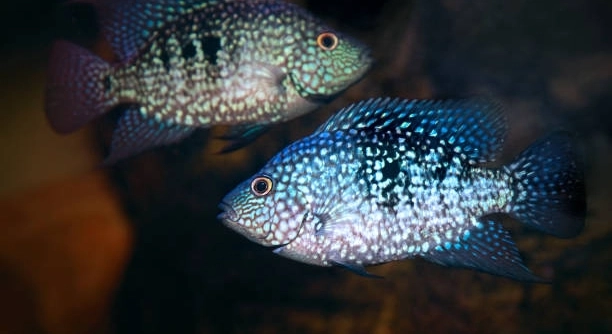
Have you ever noticed your Jack Dempsey fish shaking in one spot while swimming calmly around the tank? This unusual movement can be surprising for fish owners and may signal changes in their environment or health.
Jack Dempsey fish shake in one spot primarily due to stress, poor water conditions, or the presence of parasites. Addressing tank cleanliness, monitoring water parameters, and observing for illness are key to reducing this behavior and maintaining healthy fish.
Learning why this happens can help you provide better care and create a stable, comfortable environment where your fish can thrive happily.
Common Causes of Shaking in Jack Dempsey Fish
Jack Dempsey fish may shake in one spot for several reasons. Poor water quality is often the most noticeable factor. High ammonia, nitrite, or nitrate levels can irritate their gills and stress them, causing trembling or shaking. Temperature fluctuations also affect their comfort; water that is too cold or too warm can lead to unusual behavior. Stress from overcrowding or aggressive tank mates may make them defensive, resulting in shaking while they stay still. Parasites or skin irritations are another common cause. External parasites like ich can make the fish rub against objects, but internal parasites may lead to trembling without obvious physical signs. Observing your fish closely helps identify these issues early. Regular testing of water parameters, keeping a proper tank size, and providing hiding spaces can prevent shaking. Prompt treatment of parasites and stable conditions usually restore calm behavior.
Shaking in Jack Dempsey fish often signals environmental stress, illness, or irritation. Proper tank management and monitoring are essential for their well-being.
Maintaining a balanced aquarium routine is key to preventing shaking. Daily observation helps notice subtle changes in behavior. Cleaning the tank, performing water changes, and checking the filter ensures a healthy environment. Adjusting temperature gradually and avoiding sudden changes reduces stress. Feeding high-quality food and avoiding overfeeding also supports their immune system. Creating spaces for hiding and reducing aggressive tank mates prevents fear-induced shaking. If parasites or illness are suspected, early intervention with treatments can stop the problem from worsening. Over time, these practices build a stable habitat where Jack Dempsey fish can swim confidently without trembling.
How to Address Shaking Behavior
Observing and correcting environmental issues is the first step in stopping shaking.
Once shaking is noticed, testing water for ammonia, nitrite, nitrate, and pH is crucial. Water changes can quickly reduce harmful chemicals and improve comfort. Temperature stability is equally important; sudden drops or rises should be avoided. Checking for signs of parasites or disease can help determine if medication is needed. Adjusting tank population and removing aggressive fish prevents stress-induced shaking. Providing decorations or hiding spots gives Jack Dempsey fish areas to feel safe, reducing nervous behavior. Overfeeding should be avoided, as leftover food can decay and harm water quality.
In some cases, shaking may continue even after environmental changes. Observing diet, behavior, and interactions can reveal subtle health issues. Quarantining new fish before introducing them can prevent illness spread. For persistent shaking, consulting an experienced aquarist or veterinarian ensures proper diagnosis and treatment. Maintaining consistent care routines and monitoring water parameters over time reduces stress triggers, allowing the fish to settle and display normal swimming patterns. Proper care, attention, and quick responses to changes in behavior are vital for keeping Jack Dempsey fish healthy and calm.
Signs of Stress in Jack Dempsey Fish
Shaking is often a visible sign of stress. Other indicators include loss of appetite, hiding more than usual, rapid gill movement, or unusual color changes. Recognizing these signs early helps prevent more serious health problems and keeps your fish comfortable.
Stress in Jack Dempsey fish can result from several factors. Poor water quality, sudden changes in temperature, overcrowding, and aggressive tank mates all contribute. Even minor changes in their environment, such as moving decorations or new fish introductions, can trigger stress. Watching their behavior daily allows you to notice subtle differences. Addressing these issues quickly, like performing water changes or separating aggressive fish, helps reduce stress and prevents shaking from worsening. Stress management is key to healthy, active fish.
Physical signs often accompany shaking. Clamped fins, small white spots, or frayed tails indicate irritation or disease. Parasites like ich or skin infections can make them tremble while remaining still. By monitoring physical health along with behavior, you can determine whether environmental adjustments or medical treatment is needed. Combining proper tank maintenance, nutrition, and observation reduces stress and encourages natural swimming behavior in Jack Dempsey fish.
Environmental Adjustments to Reduce Shaking
Improving water quality and maintaining consistent temperature are the most effective ways to reduce shaking. Adding hiding spots also helps fish feel secure.
Regular water testing is critical to keep ammonia, nitrite, nitrate, and pH levels within safe ranges. Changing 20–30% of the water weekly reduces toxins and supports overall health. Keeping the temperature steady within 74–82°F prevents stress from sudden fluctuations. Adding rocks, plants, or caves provides shelter and lowers anxiety, reducing shaking behavior. Ensuring compatible tank mates avoids fights that could trigger trembling. Small adjustments in feeding, cleaning, and monitoring create a calm environment where Jack Dempsey fish can thrive without fear or irritation.
Observation and patience are essential for lasting results. Sudden changes can worsen stress, so make modifications gradually. Adjusting lighting, adding decorations, and rearranging plants should be done slowly to avoid startling your fish. Feeding high-quality food at consistent times supports their immune system and reduces nervous energy. In some cases, temporarily isolating a stressed fish in a separate tank allows it to recover without interference. Consistent care, proper environment, and monitoring behavior help maintain calm and healthy Jack Dempsey fish over time.
Feeding Habits and Shaking
Overfeeding can contribute to shaking by affecting water quality. Uneaten food decays, raising ammonia and stressing the fish.
Providing small, measured meals several times a day keeps Jack Dempsey fish healthy. Consistent feeding routines help reduce nervous energy and trembling, promoting calmer behavior in the tank.
Parasite-Related Trembling
External parasites like ich or skin flukes can cause fish to shake while remaining in one spot. These parasites irritate the skin and gills, leading to discomfort and visible trembling. Early detection and treatment are essential to prevent further stress and potential health complications.
Tank Size and Space
A cramped tank increases stress and shaking in Jack Dempsey fish. Sufficient space allows them to swim freely and feel secure, reducing anxiety-related trembling.
FAQ
Why is my Jack Dempsey fish shaking in one spot?
Shaking in one spot usually signals stress, poor water quality, or irritation from parasites. It can also result from sudden changes in temperature, overcrowding, or aggressive tank mates. Observing your fish and checking water parameters often helps pinpoint the cause quickly.
Can poor water quality cause trembling?
Yes, poor water quality is one of the main reasons Jack Dempsey fish shake. High levels of ammonia, nitrites, or nitrates irritate their gills and skin. Regular testing, partial water changes, and proper filtration are essential to keep water conditions safe and stable.
Do parasites make Jack Dempsey fish shake?
External parasites like ich or skin flukes can cause visible trembling. They irritate the skin and gills, making the fish rub against objects or shake while stationary. Internal parasites may also lead to shaking without obvious spots, requiring treatment and careful observation.
How does tank size affect shaking?
A small or overcrowded tank increases stress and triggers shaking behavior. Jack Dempsey fish need enough space to swim freely and establish territories. Providing hiding spots and maintaining proper stocking levels reduces anxiety and helps them feel secure.
Can temperature changes cause my fish to tremble?
Yes, sudden drops or rises in water temperature stress Jack Dempsey fish. Maintaining a consistent range between 74–82°F prevents temperature-related trembling. Using a reliable heater, thermometer, and gradual adjustments helps keep the fish comfortable and calm.
Will diet affect shaking behavior?
Overfeeding or inconsistent feeding can contribute to trembling. Leftover food decays, worsening water quality, while irregular meals increase stress. Feeding small, measured portions of high-quality food at consistent times supports their health and reduces nervous behavior.
Is shaking always a sign of illness?
Not always. While illness or parasites can cause trembling, stress from environmental factors often leads to similar behavior. Observing other signs such as color changes, clamped fins, or loss of appetite helps determine whether medical intervention is needed.
How can I help my Jack Dempsey fish stop shaking?
Improving water quality, stabilizing temperature, providing proper space, and reducing aggressive tank mates usually helps. Adding hiding spots and keeping consistent feeding schedules also reduces stress. Early detection of illness or parasites allows for faster treatment and recovery.
When should I seek professional help?
If shaking continues after correcting water conditions, improving tank environment, and observing diet, it may indicate underlying illness. Consulting a veterinarian or experienced aquarist ensures accurate diagnosis and appropriate treatment, especially if physical signs like lesions or frayed fins appear.
Are there preventive measures to reduce shaking?
Yes, maintaining a clean, stable environment, avoiding overcrowding, providing hiding spaces, feeding consistently, and quarantining new fish all help prevent shaking. Regular observation and care make it easier to notice changes early and keep Jack Dempsey fish healthy and calm.
Can stress from tank mates cause trembling?
Absolutely. Aggressive or overly active tank mates can intimidate Jack Dempsey fish, leading to shaking or hiding. Choosing compatible fish, arranging hiding spots, and separating aggressive individuals reduces stress-related trembling and promotes calmer behavior.
How long does it take for a fish to stop shaking after changes?
The timeline varies depending on the cause. Environmental adjustments like improved water quality or space can show results within days, while recovery from illness or parasites may take weeks. Consistency in care accelerates the process and helps fish regain normal behavior.
Is it normal for Jack Dempsey fish to shake occasionally?
Occasional, brief trembling can occur without serious issues, especially during feeding or territorial behavior. Persistent or frequent shaking, however, usually indicates stress, poor conditions, or health problems that need attention.
Can lighting affect my fish’s shaking?
Bright or inconsistent lighting can stress fish, especially if hiding spots are limited. Gradual light changes and shaded areas help Jack Dempsey fish feel secure and reduce trembling caused by environmental discomfort.
Do juvenile Jack Dempsey fish shake more than adults?
Juveniles are generally more sensitive to environmental changes, so they may shake more when stressed. Providing stable conditions, proper diet, and space appropriate for their size helps minimize trembling and supports healthy growth.
What are long-term effects if shaking continues?
Prolonged shaking indicates ongoing stress or illness, which can weaken the immune system and make fish more susceptible to disease. Addressing the root causes promptly ensures long-term health, reduces anxiety, and improves overall lifespan.
Can stress from moving the tank cause shaking?
Yes, relocating the tank or rearranging decorations can unsettle Jack Dempsey fish. Gradual adjustments and providing familiar hiding spots help them adapt and minimize stress-induced trembling.
Does water hardness play a role in shaking?
Extreme pH or water hardness levels can stress fish and contribute to shaking. Maintaining parameters within the recommended range for Jack Dempsey fish supports comfort and reduces nervous behavior.
How often should I observe my fish for signs of shaking?
Daily observation is ideal. Watching swimming patterns, feeding behavior, and interactions with tank mates helps detect early signs of stress, illness, or environmental issues, allowing for timely corrections.
Can shaking be genetic or inherited?
Shaking is generally environmental or health-related rather than genetic. However, some individuals may be more sensitive to stress. Providing stable care and optimal conditions helps even sensitive fish reduce trembling and maintain normal behavior.
Are there any supplements that help reduce shaking?
Vitamins and minerals in a balanced diet support overall health and immune function, indirectly reducing stress-related trembling. Specialized aquarium supplements may help, but they should complement proper tank care and not replace environmental management.
How do I know if shaking is serious?
Persistent shaking, combined with other symptoms like clamped fins, color fading, or loss of appetite, indicates a serious problem. Immediate action, such as water testing, isolation, or consulting an expert, is necessary to prevent worsening health issues.
Can quarantine help stressed or shaking fish?
Yes, isolating a stressed or sick Jack Dempsey in a separate tank reduces interactions with aggressive fish and allows controlled care. Quarantine supports recovery, prevents disease spread, and helps reduce nervous shaking.
What role does water circulation play in shaking?
Strong currents or poor flow can stress Jack Dempsey fish, causing trembling or shaking in one spot. Adjusting pumps or filters to create gentle, consistent movement reduces stress and promotes comfortable swimming behavior.
Are there behavioral signs besides shaking to watch for?
Yes, hiding excessively, erratic swimming, rubbing against objects, or avoiding food indicate stress or discomfort. Combining behavioral observation with physical checks helps identify causes and ensures timely interventions.
Does overstocking the tank cause shaking?
Overstocking increases competition for space and resources, creating stress and aggression. Providing enough space for each fish and monitoring population density reduces shaking and supports calmer behavior in Jack Dempsey fish.
Can poor oxygen levels lead to trembling?
Low dissolved oxygen stresses fish and can trigger shaking or rapid gill movement. Proper aeration, surface agitation, and monitoring oxygen levels help maintain a healthy environment and reduce trembling.
How do I track improvement after treatment?
Monitor daily for reduced shaking, normal swimming, regular feeding, and improved color. Gradual improvement indicates effective treatment, while persistent symptoms may require further adjustments or professional advice.
Is it normal for older Jack Dempsey fish to shake more?
Older fish may be more sensitive to environmental changes or minor health issues, showing occasional trembling. Maintaining stable water conditions, proper diet, and stress-free surroundings minimizes shaking and supports their comfort.
Can tank decorations cause stress and shaking?
Sharp, crowded, or poorly arranged decorations can frighten or injure fish, leading to shaking. Providing smooth surfaces, open swimming areas, and adequate hiding spots helps Jack Dempsey fish feel secure.
How do I prevent shaking before it starts?
Consistent care, proper tank size, stable water conditions, compatible tank mates, good diet, and hiding spaces all prevent stress-related shaking. Regular observation ensures issues are caught early, keeping Jack Dempsey fish healthy and calm.
What should I avoid to reduce trembling?
Avoid sudden water changes, abrupt temperature shifts, aggressive fish, overfeeding, overcrowding, and inconsistent lighting. These factors increase stress and shaking. Maintaining stable, balanced care prevents nervous behavior and promotes well-being.
Can weekly tank maintenance reduce shaking?
Yes, regular water changes, filter cleaning, and checking parameters prevent harmful chemical buildup. Consistent maintenance keeps the environment stable, minimizing stress and helping Jack Dempsey fish stop trembling.
Do hiding spots really make a difference?
Absolutely. Hiding spots allow fish to feel secure, reduce fear, and minimize shaking. Rocks, caves, or plants give Jack Dempsey fish places to rest and avoid aggression or stress triggers.
Can shaking indicate nutritional deficiencies?
Indirectly. Poor diet weakens the immune system and increases stress sensitivity. Providing varied, high-quality food supports health and reduces trembling caused by nutritional stress.
Is it common for multiple fish to shake together?
Yes, environmental stress, poor water quality, or parasites can affect several fish simultaneously. Identifying and correcting tank conditions promptly helps the entire group recover and reduces collective trembling.
How long should treatment take to stop shaking?
Depending on the cause, environmental corrections may show results in a few days. Parasite or illness treatments may take one to three weeks. Consistent care ensures lasting improvements and calmer behavior.
Can overactive tank mates trigger shaking at feeding time?
Yes, aggressive or fast feeders can intimidate Jack Dempsey fish, causing them to shake or retreat. Feeding in separate areas or adding hiding spaces reduces stress during meals.
Are there natural remedies for parasite-related shaking?
Salt baths, aquarium-safe treatments, and improving water quality help control parasites. Early detection and proper dosing prevent irritation and reduce trembling. Always follow guidance for safe use.
Can shaking return after treatment?
If the underlying issue is not fully addressed, shaking can return. Continued monitoring, proper environment, and follow-up treatments prevent relapse and keep Jack Dempsey fish healthy.
Do stress levels vary between individual fish?
Yes, some fish are naturally more sensitive. Individual temperament affects how they react to changes, tank mates, and feeding. Observing each fish’s behavior allows for tailored care and reduces shaking.
Can loud noises or vibrations cause trembling?
Sudden vibrations or loud sounds may startle Jack Dempsey fish, causing brief shaking. Minimizing disturbances and placing the tank in a quiet area helps maintain calm behavior.
How does quarantine help with parasite prevention?
Quarantining new fish for two to four weeks before introducing them prevents parasites from spreading. Observation during this period helps detect infections early and reduces shaking caused by infestations.
What is the most common long-term solution for shaking?
Maintaining stable water conditions, proper tank size, compatible tank mates, hiding spots, consistent feeding, and routine observation keeps Jack Dempsey fish calm. Preventive care is more effective than reactive treatment for long-term results.
Can stress cause other health problems besides shaking?
Yes, chronic stress weakens the immune system, reduces appetite, slows growth, and makes fish more susceptible to disease. Preventing stress through proper care supports overall health and reduces shaking.
Does water hardness impact behavior?
Extreme hardness or soft water can cause discomfort and stress. Maintaining recommended water hardness for Jack Dempsey fish reduces anxiety and trembling, ensuring a more stable environment.
Are tank filters important for reducing shaking?
Yes, filters remove toxins, circulate water, and maintain oxygen levels. Proper filtration prevents environmental stressors that lead to trembling and supports overall fish health.
Can shaking indicate pain or injury?
Yes, physical injuries, fin damage, or internal problems can cause trembling. Observing for cuts, frayed fins, or abnormal swimming helps determine if medical treatment is necessary.
Do different ages react differently to stress?
Juveniles and older fish are more sensitive to environmental changes. Adjusting care routines for different ages helps minimize shaking and supports healthy development.
Is regular observation essential for preventing shaking?
Absolutely. Daily checks for behavior, color, appetite, and interactions allow for early detection of stress or illness. Early intervention prevents prolonged shaking and promotes a stable, healthy tank environment.
Can shaking be seasonal?
Sometimes, temperature and light fluctuations between seasons can trigger stress. Maintaining stable conditions year-round helps Jack Dempsey fish remain calm and reduces trembling incidents.
How do I know if my interventions are working?
Reduced shaking, normal swimming, active feeding, and bright coloration indicate successful adjustments. If shaking persists, further observation or expert advice may be necessary.
Can overcrowding worsen shaking even with proper water quality?
Yes, too many fish increases competition and stress. Even with clean water, overcrowding triggers trembling. Maintaining proper stocking density is essential for calm behavior.
Do decorations help more than extra space?
Both are important. Space allows free swimming, while decorations provide security. A combination of adequate room and hiding spots reduces stress and shaking effectively.
How can I maintain calm behavior long-term?
Consistent water quality, stable temperature, proper diet, compatible tank mates, hiding spots, and regular observation help Jack Dempsey fish remain healthy and reduce trembling over their lifespan.
Is it normal for new tank setups to cause shaking?
Yes, new tanks often stress fish due to unfamiliar surroundings. Gradually introducing changes, acclimating fish, and maintaining stable water parameters help them settle and reduce shaking.
Can shaking indicate neurological issues?
Neurological problems are rare but possible. Persistent, erratic trembling combined with other abnormal movements may require veterinary evaluation to rule out disease or injury.
Does frequent water testing prevent shaking?
Yes, monitoring ammonia, nitrite, nitrate, pH, and temperature helps detect problems early. Prompt correction prevents stress-induced trembling and ensures a healthy, stable environment.
Are hiding spots more important for single or multiple fish?
Both benefit, but overcrowded tanks especially need sufficient hiding spaces to reduce stress. Single fish also use shelters to feel secure and minimize shaking.
Can shaking indicate boredom or lack of stimulation?
Sometimes, fish may display nervous behavior if their environment lacks variety. Providing decorations, plants, and open swimming areas helps reduce shaking caused by under-stimulation.
How do I balance hiding spots and open space?
Provide enough open swimming areas for activity and territories, while including shelters for retreat. Proper balance reduces stress and shaking, allowing natural behaviors.
Can water conditioners reduce shaking?
Yes, conditioners neutralize chlorine, chloramine, and heavy metals, improving water quality. Cleaner water reduces irritation and stress-induced trembling in Jack Dempsey fish.
Does shaking affect social behavior?
Shaking can make fish more defensive or withdrawn. Reducing stress improves interactions, allowing Jack Dempsey fish to swim confidently and establish territories without fear.
Can water changes alone stop shaking?
Water changes help but may not fully resolve shaking if other factors like stress, parasites, or overcrowding are present. A combination of care strategies is more effective.
Are there signs that indicate the shaking is temporary?
Brief trembling during feeding or mild environmental changes is often temporary. Persistent shaking with other symptoms indicates a deeper issue that requires attention.
Can gentle water flow reduce shaking?
Moderate, consistent flow creates comfort and oxygenation. Strong currents can stress fish, while gentle movement supports calmer behavior and reduces trembling.
Does tank location matter for reducing stress?
Yes, placing tanks away from loud noises, vibrations, or high traffic areas helps minimize environmental stressors that cause shaking.
Can other fish species trigger trembling?
Aggressive or fast-moving species can intimidate Jack Dempsey fish, leading to shaking. Choosing compatible tank mates reduces anxiety and improves behavior.
Is there a recovery period after parasite treatment?
Yes, recovery can take several days to weeks depending on parasite type and fish health. Continued observation ensures shaking decreases and normal swimming resumes.
Do hiding spots help more for shy fish?
Yes, shy or easily stressed fish rely on shelters to feel safe. Proper hiding areas reduce fear, nervousness, and shaking behavior.
Can shaking be seasonal in outdoor or partially exposed tanks?
Yes, outdoor tanks may experience temperature fluctuations or light changes that stress fish. Maintaining stable conditions helps reduce seasonal trembling.
Are handlings or tank cleaning stressful?
Handling or major cleaning can temporarily stress fish, causing brief shaking. Performing maintenance carefully and gradually minimizes impact and helps fish remain calm.
Do young fish adapt faster than adults?
Juveniles may adjust quicker to new environments but are also more sensitive to sudden changes. Gentle care and stable conditions support both age groups in reducing shaking.
Can water additives help reduce trembling?
Some safe additives improve water quality and support stress reduction. Always follow dosage instructions and prioritize stable tank conditions.
Is occasional shaking always harmful?
Brief, infrequent trembling is usually harmless, especially during feeding or mild disturbances. Persistent or frequent shaking, however, requires investigation and care.
Does tank lighting affect nervous behavior?
Bright or fluctuating lighting can stress fish. Gradual changes and shaded areas help Jack Dempsey fish feel secure and reduce shaking.
How do I monitor improvement after interventions?
Track daily behavior, swimming patterns, feeding, color, and interaction with tank mates. Reduced trembling and normalized activity indicate successful interventions.
Can shaking indicate gill problems?
Yes, irritation or infection in gills can cause trembling. Observing rapid breathing, gasping, or rubbing against surfaces may signal gill-related issues needing attention.
Do all Jack Dempsey fish react the same to stress?
No, individual temperament affects sensitivity. Some fish tolerate changes better, while others shake more. Observing each fish allows tailored care to reduce trembling.
How important is consistent feeding?
Consistent, high-quality feeding reduces stress and prevents nervous energy that can lead to shaking. Avoid overfeeding or skipping meals to maintain calm behavior.
Can water hardness fluctuations trigger shaking?
Yes, sudden changes in hardness or pH can stress fish. Maintaining stable conditions prevents discomfort and reduces trembling behavior.
Is it normal for a new tank setup to cause shaking?
Yes, new surroundings stress fish temporarily. Stable water, hiding spots, and gradual acclimation reduce nervous trembling and help fish settle.
Can aggressive tank mates trigger shaking during feeding?
Yes, competition and intimidation can cause trembling. Feeding separately or providing multiple feeding areas reduces stress and promotes calm behavior.
Do seasonal water changes affect shaking?
Seasonal temperature or chemical fluctuations during water changes can stress fish. Monitoring and gradual adjustments help prevent trembling during routine maintenance.
Are Jack Dempsey fish more sensitive than other species?
They are moderately sensitive. Environmental changes, aggressive tank mates, or poor conditions can cause shaking. Providing stable, calm surroundings supports their comfort.
Can stress-induced shaking lead to illness?
Yes, prolonged stress weakens the immune system, increasing susceptibility to disease. Preventing
Final Thoughts
Jack Dempsey fish are beautiful and interesting to watch, but their behavior can sometimes be confusing. Shaking in one spot is a common issue many fish owners notice. While it can be alarming, it is often a sign that the fish is reacting to its environment, water conditions, or stress. Understanding why this happens is important for maintaining a healthy aquarium. Many causes are environmental, such as water quality, temperature changes, overcrowding, or aggressive tank mates. By observing your fish carefully and keeping the tank stable, you can often reduce or eliminate shaking. Early attention to these factors makes a big difference in the overall health and comfort of your fish. Paying attention to behavior, water testing, and general care routines ensures that your Jack Dempsey fish can thrive and display their natural colors and personality without constant stress.
Proper tank management is key to preventing trembling and other stress-related behaviors. Water should be tested regularly for ammonia, nitrites, nitrates, pH, and temperature. Partial water changes help keep chemical levels balanced and reduce irritation that can cause shaking. Tank size and stocking levels also play an important role. Overcrowded tanks increase competition and stress, making fish more likely to tremble or hide. Providing decorations, plants, or hiding spots gives fish places to feel safe, which helps calm them. Feeding routines and diet also contribute to their well-being. Small, consistent meals of high-quality food reduce stress and prevent issues with water quality caused by uneaten food. Overfeeding or irregular feeding schedules can make fish more anxious and increase trembling behavior. A consistent, careful routine makes a noticeable difference in behavior over time.
Monitoring fish for signs of illness or parasites is equally important. Shaking can sometimes indicate an underlying health problem, such as ich, skin flukes, or internal parasites. Physical signs like clamped fins, faded color, or frayed tails often accompany trembling. Early detection and treatment of illness prevent prolonged stress and long-term damage. Quarantining new fish before introducing them to the main tank reduces the chance of spreading disease and adds security. Patience and observation are critical. Changes in behavior are often subtle at first, so daily checks help catch problems before they become serious. Overall, consistent care, stable conditions, and attention to both behavior and environment create a healthy, calm aquarium where Jack Dempsey fish can live comfortably and display their natural energy. By addressing stress factors and health concerns proactively, shaking can be reduced, allowing your fish to thrive and enjoy a better quality of life.

Hello,
If you enjoy the content that we create, please consider saying a "Thank You!" by leaving a tip.
Every little bit helps us continue crafting quality advice that supports the health, happiness, and well-being of pets around the world, for pets of all shapes, sizes, and species.
We really appreciate the kindness and support that you show us!