
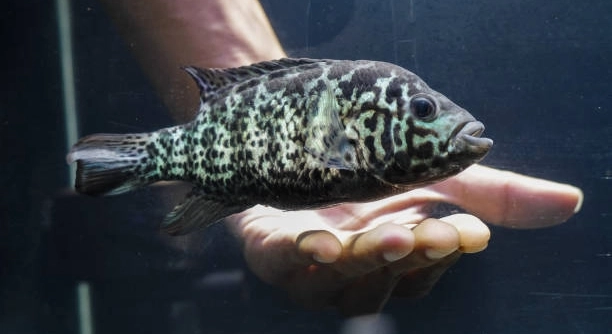
Jack Dempsey fish are known for their vibrant colors and lively personalities. Many aquarists enjoy keeping them, but sometimes they notice their fish favoring a single corner of the tank. Observing this behavior can reveal important patterns.
Jack Dempsey fish often dig in one corner due to a combination of territorial instincts, substrate preference, and environmental comfort. They establish a favorite area for nesting or foraging, which helps them feel secure and maintain control over their surroundings.
Understanding why these fish behave this way can improve tank setup, water conditions, and overall fish well-being, ensuring a healthier and more active aquatic environment.
Common Reasons Jack Dempsey Fish Dig in One Corner
Jack Dempsey fish often select one corner of the tank to dig for a few clear reasons. Substrate type plays a major role, as they prefer soft sand or fine gravel that allows easy movement and burrowing. The fish may feel more secure in a particular corner due to tank layout, hiding spots, or the position of decorations. Territorial instincts also influence digging behavior, as they mark their preferred space and protect it from perceived intruders. Lighting and water flow can make certain areas more comfortable, encouraging repeated activity in that spot. Additionally, they sometimes dig to create nests for breeding purposes. Observing patterns over time helps determine whether the behavior is natural or indicates stress. Providing adequate space and multiple hiding areas can reduce overly focused digging. Recognizing these habits allows you to manage the tank environment for both comfort and health.
Environmental factors such as temperature, current, and nearby tank neighbors can reinforce digging behavior in one corner.
Monitoring the fish daily reveals consistent preferences. Adjusting substrate and adding decor can encourage more balanced activity throughout the tank. Overcrowding or insufficient hiding spots often lead to repetitive digging, while maintaining stable water parameters supports natural behavior. Some fish simply prefer a specific corner, and gently rearranging elements can redirect attention without causing stress. Tracking these behaviors allows you to create a tank that suits the Jack Dempsey’s instincts.
How to Manage and Redirect Digging
Creating more appealing areas in the tank can help balance activity. Adding smooth rocks, plants, and varied substrate encourages exploration beyond the usual corner.
Providing multiple hiding spots and rearranging the environment gradually can reduce focused digging in one corner. Encourage the fish to explore by offering feeding locations in different parts of the tank. Ensure that substrate remains suitable for digging without sharp edges, which helps prevent injury. Monitoring water quality and maintaining stable conditions reduces stress-related behaviors. Limiting overcrowding allows the fish to claim space without obsessively defending one area. Observing interactions with tank mates helps identify if digging is territorial or comfort-driven. Small, consistent adjustments to the layout guide natural activity while keeping the tank visually balanced. Over time, the Jack Dempsey will utilize more areas, improving overall health and enriching its environment.
Observing Nesting Behavior
Jack Dempsey fish often dig in one corner when preparing a nest for eggs. This behavior is normal, especially during breeding periods, and usually indicates that the fish is healthy and exhibiting natural instincts.
The fish clears the substrate to create a flat, clean area suitable for laying eggs. Males are particularly active in digging and defending this spot, while females inspect the site before spawning. This corner becomes a central point for territorial behavior, and they may chase other fish away. Providing enough space and calm surroundings ensures that the fish can complete this process without excessive stress. Observation helps confirm whether the digging is reproductive or simply exploratory.
Nesting areas require gentle maintenance to avoid disturbing eggs. Avoid moving substrate or decorations once eggs are laid, as this can stress both parents and offspring. The fish may continue to dig and rearrange until the environment feels secure. Offering appropriate hiding spots nearby allows the pair to feel protected while guarding their nest. Monitoring water parameters during this time is crucial, as fluctuations can affect egg viability. Supporting natural instincts in this way encourages healthy development and reduces aggressive behavior.
Feeding and Digging Patterns
Feeding locations influence where Jack Dempsey fish dig. They often select corners near frequent feeding spots to sift through substrate for leftover food.
Consistent feeding in one area encourages the fish to treat that corner as a foraging zone. Jack Dempseys sift through sand or gravel, uncovering small particles or uneaten pellets. This behavior is intensified if tank mates compete for food, as the fish works to secure resources in its preferred space. Providing a balanced diet and scattering food in multiple areas can reduce concentrated digging and support natural foraging behavior. Tracking feeding patterns helps determine if the digging is purely hunger-driven or linked to other environmental factors.
Adjusting feeding routines can redirect activity and prevent excessive substrate disruption. Offering sinking pellets or live food in varied locations encourages exploration throughout the tank, keeping the fish engaged. Observing how the fish interacts with different feeding areas provides insight into its habits and preferences. Combined with environmental enrichment like plants or rocks, this approach ensures both mental stimulation and reduced territorial stress. Proper feeding management supports healthier behavior, decreases concentrated digging, and allows the Jack Dempsey to express natural instincts in multiple areas of the tank.
Territorial Instincts
Jack Dempsey fish often dig in one corner to mark and defend their territory. This behavior is natural, reflecting their instinct to claim a specific area as safe and secure within the tank environment.
Territorial digging helps the fish feel in control. They may chase or display to other fish approaching their chosen spot. This behavior is more common in males, especially when the tank is crowded or space is limited. Recognizing these patterns allows adjustments, such as adding more hiding spots or enlarging the tank, to reduce stress and aggressive behavior.
Substrate Preferences
Jack Dempsey fish prefer soft sand or fine gravel for digging. These materials allow easy movement and support natural foraging and nesting behaviors.
Water Conditions and Activity
Stable water conditions influence where Jack Dempsey fish dig. Areas with calm flow and consistent temperature are favored for repeated activity.
Encouraging Balanced Tank Activity
Providing varied substrate and multiple hiding places can help distribute activity. Changing decorations and feeding spots encourages exploration across the tank.
FAQ
Why does my Jack Dempsey fish only dig in one corner?
Jack Dempsey fish often select a single corner due to a combination of comfort, substrate preference, and territorial instincts. They feel secure in one area, especially if it has soft substrate or nearby hiding spots. This is natural behavior and usually not a concern.
Is this digging harmful to my tank setup?
In most cases, digging is harmless. Jack Dempseys move substrate around, which can shift decorations or plants, but it doesn’t damage the tank itself. Ensuring the substrate is smooth and free of sharp edges prevents injury to the fish. Heavy rearrangements may be needed if plants are uprooted.
Does this behavior indicate stress?
Not necessarily. Focused digging can be normal, particularly when creating nests or exploring the tank. Stress-related digging is often accompanied by other signs like rapid gill movement, hiding constantly, or aggression. Maintaining stable water conditions and providing enough space helps reduce stress-related behavior.
Should I change the substrate to stop digging?
Changing substrate is not always necessary. Jack Dempseys prefer sand or fine gravel that allows digging. If the substrate is uncomfortable or sharp, the fish may injure themselves. Providing multiple suitable areas can encourage more balanced activity without removing natural instincts.
How can I encourage the fish to explore other parts of the tank?
Redistributing decorations, adding hiding spots, and varying feeding locations can guide the fish to different areas. Scattering food in multiple spots encourages natural foraging throughout the tank rather than focusing in one corner. Gradual adjustments prevent stress and support healthy behavior.
Does tank size affect this behavior?
Yes. Smaller tanks can increase territorial digging as the fish claims a preferred area. Larger tanks with multiple hiding spots allow the Jack Dempsey to distribute activity more evenly. Adequate space is important to reduce aggressive tendencies and repeated digging in a single spot.
Is digging linked to breeding?
Often. Male Jack Dempseys dig in one corner to prepare nests. This behavior is strongest during breeding periods. Providing calm, secure corners with soft substrate allows natural nesting without disturbing the rest of the tank. Monitoring water parameters ensures eggs and fry remain safe.
How do I prevent substrate erosion from excessive digging?
Using heavier decorations or planting sturdy aquatic plants can stabilize areas. Avoiding overcrowding and providing multiple digging zones reduces erosion in one corner. This supports natural behavior while maintaining tank aesthetics.
Will digging disturb other fish?
It can. Territorial Jack Dempseys may chase smaller or less dominant fish near their preferred corner. Ensuring hiding spots and enough space for all tank mates helps reduce conflicts. Observing interactions allows intervention if aggression becomes a problem.
Are there health concerns linked to digging?
Generally, digging itself isn’t harmful, but repetitive stress digging could indicate water quality issues or overcrowding. Regular water testing and maintaining stable conditions prevent health problems. A healthy tank supports normal digging and reduces risk of injury or illness.
Can I train the fish to stop digging in one spot?
Training isn’t necessary. Behavior can be redirected by providing more appealing areas, scattered food, and rearranged decorations. Gradual changes encourage exploration without forcing unnatural behavior, allowing the fish to maintain natural instincts while balancing tank activity.
How often should I check the digging areas?
Daily observation is helpful. It allows monitoring of territorial behavior, nest preparation, and substrate condition. Adjusting tank setup as needed ensures a safe environment and prevents excessive damage or stress from repeated digging.
Do Jack Dempseys dig differently at night?
Yes, activity can vary with light cycles. Some fish are more active during low light periods, shifting substrate or exploring corners. Providing stable lighting and consistent feeding schedules helps regulate behavior and supports predictable activity patterns.
Can water flow affect where they dig?
Absolutely. Jack Dempseys prefer calm areas with minimal current. Corners with gentle flow or less turbulence often become preferred digging zones. Observing water movement helps identify why a fish favors a specific area and guides placement of decorations or plants.
Is digging a sign of intelligence or curiosity?
Digging reflects natural instincts more than intelligence. It shows environmental awareness and comfort with surroundings. Jack Dempseys interact with their tank actively, using digging to explore, forage, or nest. Supporting this behavior enhances well-being and tank enrichment.
How do I balance natural digging with tank maintenance?
Allow natural behavior while stabilizing decorations and plants. Use multiple digging areas, secure sensitive items, and monitor substrate depth. This approach ensures both fish health and tank appearance remain intact while respecting their instincts.
What should I do if digging becomes destructive?
Identify the cause first—stress, overcrowding, or insufficient space. Adjust tank layout, provide more hiding spots, and monitor water quality. Reducing stressors helps minimize excessive digging while maintaining a healthy environment.
Does age affect digging habits?
Younger fish may dig more actively as they explore and establish territory. Adults continue digging for nesting or comfort. Behavior tends to stabilize over time, but preferences for specific areas often remain.
Can multiple Jack Dempseys coexist without excessive corner digging?
Yes, with proper space and multiple hiding areas. Ensuring each fish can claim territory reduces conflicts. Observing interactions and adjusting decorations or feeding spots promotes balanced activity and reduces repetitive digging in one corner.
How long does a typical digging session last?
Sessions vary from minutes to hours depending on purpose. Nesting, foraging, or exploration can extend activity. Monitoring patterns allows insight into whether digging is natural or stress-related. Stable conditions support predictable and healthy behavior.
Are there signs that digging is abnormal?
Excessive or frantic digging, combined with aggression, loss of appetite, or erratic swimming, may indicate stress or poor water quality. Observing these signs early allows corrective action to prevent health issues.
Can I use plants to redirect digging?
Yes, plants provide obstacles and enrichment, encouraging exploration in different areas. Soft substrate around plants allows safe digging, while creating natural hiding spots reduces territorial concentration in one corner.
Do Jack Dempseys stop digging when full-grown?
Not entirely. Adult fish continue digging for comfort, territory, and breeding purposes. Activity may decrease compared to juveniles, but preferences for certain areas often remain consistent. Supporting natural instincts is important for overall well-being.
How can I make the tank more digging-friendly?
Use soft substrate, provide multiple hiding spots, scatter food, and arrange decorations to create safe zones. These adjustments allow natural digging behavior without damaging plants or stressing other fish.
Is digging affected by water temperature?
Yes, Jack Dempseys prefer stable, warm water. Sudden changes or low temperatures can reduce activity or increase stress-related digging. Maintaining consistent temperature encourages healthy, predictable behavior.
Should I intervene if the fish digs near glass or decorations?
Only if injury or damage is likely. Gentle adjustments to substrate or decoration placement can prevent harm. Otherwise, natural digging should be allowed, as it supports instincts and tank enrichment.
How long does it take for a Jack Dempsey to settle into a preferred corner?
It varies. Fish often choose a spot within a few days of introduction, but final preferences may take weeks. Observation ensures that the area meets their needs for comfort, safety, and natural activity.
Can digging be a sign of boredom?
Sometimes. Limited enrichment or lack of hiding spots can increase repetitive digging. Providing varied substrate, plants, and feeding opportunities helps reduce boredom and supports natural behavior.
Does tank cleanliness affect digging habits?
Yes. Accumulated debris or poor water quality can alter where the fish digs. Regular maintenance and substrate cleaning encourage healthy digging patterns and reduce stress.
Are there differences between male and female digging behavior?
Males often dig more intensely for territory and nesting, while females dig primarily during spawning periods. Recognizing these differences helps in managing tank setup and monitoring breeding behavior.
Can digging damage the tank filter?
If substrate is loose and near the intake, small particles may clog filters. Using a proper substrate depth and protective guards around intakes prevents interference while allowing natural digging.
How do I know if my Jack Dempsey is happy with its digging area?
Signs include calm behavior, regular foraging, and relaxed territorial displays. A happy fish explores safely, maintains its area without frantic digging, and interacts naturally with tank mates.
Is it necessary to provide multiple corners for digging?
Yes, multiple zones reduce territorial conflicts and encourage exploration. Offering several comfortable spots allows Jack Dempseys to express natural behaviors while minimizing concentrated digging in one corner.
Do tank decorations influence digging patterns?
Yes, rocks, plants, and hiding spots can attract or redirect digging. Strategically placing decorations supports natural instincts while preventing damage to sensitive areas of the tank.
How do I track if digging behavior is healthy?
Observe activity levels, territorial displays, interactions with tank mates, and substrate disturbance. Consistent patterns without signs of stress indicate healthy behavior. Adjustments may be made if aggression or excessive digging occurs.
Are there signs that digging is linked to disease?
Unusual or frantic digging accompanied by lethargy, faded color, or abnormal swimming may indicate illness. Early detection allows for water testing and treatment to prevent further health issues.
Can Jack Dempseys coexist with other digging species?
Yes, but careful monitoring is necessary. Providing multiple zones and hiding spots reduces competition. Observing interactions ensures that each species can express natural behavior without excessive conflict.
Does the size of the tank influence how focused the digging is?
Smaller tanks often lead to more concentrated digging due to limited territory. Larger tanks with varied substrate and hiding spots encourage more balanced distribution of activity. Proper tank size supports natural instincts.
Can seasonal changes affect digging?
Light, temperature, and breeding cycles can influence activity. Stable conditions reduce sudden shifts, while minor seasonal changes may increase nesting or foraging behavior temporarily.
How do I know if digging is related to feeding or comfort?
Observing patterns in relation to food delivery and resting areas clarifies the purpose. Digging near feeding spots suggests foraging, while digging in quiet corners indicates comfort or territorial preference.
Is repeated digging in one corner a sign of dominance?
Often, yes. Dominant fish claim preferred areas and display aggression toward others approaching. Providing multiple zones reduces competition and supports natural hierarchy without stress.
Can I use substrate mats to limit digging?
Substrate mats can reduce erosion but may limit natural behavior. Use with caution and ensure the fish still has soft areas for foraging and nesting to maintain well-being.
Does lighting affect digging behavior?
Yes. Bright or uneven lighting can influence preferred corners. Jack Dempseys often choose dimmer, calm areas for digging, especially when creating nests or exploring.
Can I let the fish dig freely?
Yes, within a safe tank setup. Allowing natural digging supports instincts, mental stimulation, and overall health. Observing behavior ensures no harm to the fish or tank elements.
How much space does a Jack Dempsey need for digging?
A minimum of 55 gallons for one fish is recommended, with open areas and soft substrate. Adequate space prevents territorial stress and supports balanced activity across the tank.
Does water hardness impact digging habits?
Moderate hardness is preferred. Extremely soft or hard water may alter substrate stability or comfort, influencing where the fish chooses to dig. Stable water conditions support natural behavior.
Are Jack Dempseys picky about corners?
Yes, they often select spots with calm water, soft substrate, and nearby hiding places. These preferences reflect natural instincts and help them feel secure.
Can digging affect plant growth?
Yes, repeated digging can uproot plants. Using heavier plants, planting in pots, or providing multiple substrate zones protects plants while allowing natural behavior.
How long should a nesting period last?
Egg incubation lasts about 3–5 days, depending on water conditions. Digging continues before and during this period as parents maintain the nest. Observing activity ensures eggs are protected.
Do Jack Dempseys ever dig for exercise or fun?
Exploratory digging serves mental stimulation and exercise. This activity keeps them active, reduces boredom, and supports natural instincts in a controlled environment.
Can frequent digging indicate boredom?
Yes, limited enrichment can lead to repetitive digging. Adding plants, rocks, and varied feeding areas reduces boredom and encourages healthy activity patterns.
Is substrate depth important?
Yes, a depth of 2–3 inches of sand or fine gravel allows natural digging while preventing exposure of underlying tank elements. Proper depth supports comfort and healthy behavior.
Do Jack Dempseys prefer corners near decorations?
Often, yes. Decorations provide cover and security. Corners with rocks or plants are favored for nesting, territorial display, and foraging. Proper arrangement supports natural behavior.
Can changing tank layout reduce focused digging?
Gradual changes can encourage exploration. Rearranging hiding spots, decorations, or feeding areas helps distribute activity without causing stress. Observing responses ensures adjustments are effective.
Should I monitor interactions with other fish during digging?
Yes. Territorial Jack Dempseys may chase or display aggression. Monitoring interactions ensures all fish remain safe and reduces stress-related digging.
Is digging more common in males than females?
Yes, males typically dig more for territory and nesting. Females dig mainly during breeding or for foraging. Recognizing this helps manage tank dynamics.
Can digging behavior be linked to water quality?
Poor water quality can increase stress, leading to frantic digging. Maintaining stable parameters supports normal behavior and reduces risk of illness or aggression.
How do I know if digging is normal?
Normal digging is steady, purposeful, and occurs in relation to substrate, nesting, or feeding. Excessive, frantic, or destructive digging may indicate stress, overcrowding, or poor conditions.
Can Jack Dempseys coexist with slow-moving fish while digging?
Yes, but careful monitoring is needed. Providing multiple zones and hiding spots reduces territorial conflicts and ensures slower fish remain safe.
How often should I provide new enrichment?
Every few weeks is sufficient. Rotating plants, rocks, or feeding areas encourages exploration, reduces boredom, and prevents repetitive digging in one corner.
Does digging behavior change with age?
Younger fish dig more frequently for exploration. Adults continue digging mainly for territory, nesting, or comfort, though activity may decrease slightly over time.
Can substrate color affect digging preferences?
Yes, darker or natural-colored substrates often feel safer. Fish may avoid bright or unnatural colors, preferring corners with comfortable visual conditions.
Is digging behavior influenced by tank mates?
Yes. Aggressive or competitive tank mates may increase territorial digging. Ensuring space and multiple hiding spots reduces conflicts and encourages natural distribution of activity.
Can digging damage aquarium equipment?
Loose substrate may reach filter intakes or pumps. Using guards and proper substrate depth prevents interference while allowing natural behavior.
Are Jack Dempseys more active during certain times of the day?
They tend to be more active during moderate light periods. Activity may increase in early morning or late afternoon when feeding and exploration occur.
Does digging help with fish health?
Yes, it provides exercise, mental stimulation, and allows expression of natural instincts. Healthy digging supports overall well-being.
How do I balance digging with aesthetic tank design?
Use multiple zones, secure decorations, and appropriate plants. This allows natural digging while maintaining a visually pleasing setup.
Can digging disturb eggs from other fish?
Yes. Territorial Jack Dempseys may unintentionally disturb eggs. Providing separate breeding areas or hiding spots minimizes risk and protects other species.
Should I separate a Jack Dempsey during nesting?
If aggression threatens other fish, temporary separation can protect tank mates. Otherwise, natural nesting behavior can continue safely within proper tank conditions.
Can digging indicate dominance over other fish?
Yes, repeated control of a corner often reflects hierarchy. Ensuring multiple zones reduces conflict and supports peaceful coexistence.
Is digging always substrate-related?
Mostly, but it can also involve rearranging decorations, exploring hiding spots, or nesting preparation. Observing patterns clarifies purpose.
How do I maintain a healthy digging environment?
Stable water, soft substrate, multiple hiding spots, and scattered feeding support safe, natural behavior. Regular observation ensures both fish and tank remain healthy.
Can frequent digging be a warning sign?
Excessive, frantic, or destructive digging, combined with aggression or abnormal behavior, may indicate stress, overcrowding, or poor water quality. Early intervention prevents further issues.
Does digging affect water clarity?
Yes, stirring substrate can temporarily cloud water. Adequate filtration and careful substrate management reduce lasting impact while allowing natural behavior.
Can Jack Dempseys learn to share digging spaces?
They can tolerate multiple zones with proper space and hiding spots. Territorial displays may still occur, but overall stress is reduced when resources are evenly distributed.
Is digging instinctive or learned?
It is largely instinctive. Jack Dempseys naturally explore, nest, and forage by moving substrate, though environment and experience can influence patterns.
Does digging increase during feeding?
Yes, fish often sift substrate near feeding spots to uncover leftovers. Varying feeding areas helps distribute activity.
How much substrate is ideal for digging?
2–3 inches of soft sand or fine gravel allows natural digging while preventing exposure of underlying tank elements. Proper depth ensures safety and comfort.
Can water flow or filtration affect preferred digging areas?
Yes, calm corners are favored over strong currents. Positioning decorations and equipment can help guide activity while maintaining tank efficiency.
Are Jack Dempseys more likely to dig in corners than open spaces?
Yes, corners provide security, reduced current, and nearby hiding spots. Fish feel safer establishing a preferred area there.
Does digging behavior require monitoring for health reasons?
Regular observation is helpful. It reveals patterns, stress signs, or territorial issues. Monitoring ensures the fish remains healthy and safe.
Can I reduce digging without harming natural behavior?
Yes, by providing multiple zones, varied substrate, scattered feeding, and hiding spots. Gradual adjustments encourage exploration without stress.
Do Jack Dempseys ever stop digging completely?
No, digging remains a natural activity for comfort, foraging, and nesting. Frequency may decrease with age or stable tank conditions.
How can I tell if digging is excessive?
Excessive digging disrupts substrate, decorations, or other fish, or occurs with stress signals. Regular observation helps differentiate normal from problematic behavior.
Does tank lighting affect preferred digging spots?
Yes, dimmer, calm corners are often favored. Lighting influences comfort, security, and activity patterns.
Are there seasonal effects on digging behavior?
Minor seasonal changes may affect activity, particularly for breeding. Stable tank conditions minimize drastic behavioral shifts.
Can digging behavior indicate compatibility with tank mates?
Yes, observing territorial displays and interactions during digging helps assess compatibility and adjust tank setup for peaceful coexist
Final Thoughts
Jack Dempsey fish are active and intelligent fish that show a variety of natural behaviors, and digging is one of the most noticeable. Digging in one corner is common and usually not a sign of a problem. It can indicate comfort, security, or territorial instincts. Many aquarists see this behavior as part of the fish’s personality. Observing where and how often a fish digs can give valuable insight into its preferences and needs. Patterns often emerge over time, showing that a specific corner is preferred for resting, nesting, or foraging. By understanding these tendencies, owners can adjust the tank environment to support the fish’s natural instincts.
Providing a proper setup is important for Jack Dempseys. Soft substrate, multiple hiding spots, and calm corners create a balanced environment that encourages healthy activity. Feeding locations also influence where the fish chooses to dig, so scattering food throughout the tank can promote exploration beyond a single area. Regular maintenance of water conditions is equally essential. Stable temperature, filtration, and clean water reduce stress, which can prevent destructive digging or excessive territorial behavior. With careful observation and minor adjustments, it is possible to support natural digging without compromising the overall appearance or safety of the tank.
Finally, digging is part of the Jack Dempsey’s natural behavior and should be seen as a positive aspect of keeping these fish. While it can sometimes shift substrate or disturb decorations, this activity is essential for mental stimulation and physical exercise. Encouraging exploration, providing enrichment, and monitoring interactions with other tank mates ensures that the fish remains healthy and comfortable. Each Jack Dempsey may have its own preferences and patterns, so patience and observation are key. Supporting these instincts allows the fish to thrive while maintaining a safe and organized tank environment. Observing, adjusting, and understanding digging behavior ultimately strengthens the relationship between the aquarist and their Jack Dempsey, creating a more balanced and harmonious tank for everyone involved.

Hello,
If you enjoy the content that we create, please consider saying a "Thank You!" by leaving a tip.
Every little bit helps us continue crafting quality advice that supports the health, happiness, and well-being of pets around the world, for pets of all shapes, sizes, and species.
We really appreciate the kindness and support that you show us!