
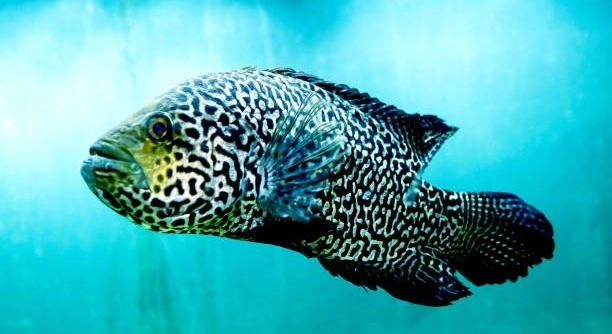
Many aquarium owners notice Jack Dempsey fish circling the same spot for long periods, which can seem unusual. This behavior often reflects natural instincts, environment conditions, or subtle stressors within the tank over time consistently.
Jack Dempsey fish typically circle the same area due to territorial behavior, breeding preparation, or repetitive swimming patterns. This conduct may also indicate stress, limited space, or environmental factors influencing orientation and comfort within the aquarium setting for captive specimens.
By examining these causes closely, aquarists can improve tank conditions and support healthier, calmer behavior over time for captive fish.
Territorial Behavior and Space Limits
Territorial instincts play a strong role in why Jack Dempsey fish circle a single spot repeatedly within an aquarium environment. These fish naturally claim areas they consider important, such as favored rocks, caves, or open swimming space. Circling allows them to reinforce boundaries and remain alert to perceived threats nearby. In home tanks, limited space can intensify this behavior, making the movement appear constant. I have noticed this pattern increase when décor is rearranged or when another fish approaches too closely. The circling motion helps the fish feel secure while monitoring surroundings. It is not random movement but a controlled response shaped by instinct and environment. Understanding this behavior helps owners avoid unnecessary concern while recognizing when adjustments may be beneficial for balance and comfort. This awareness supports better tank planning, calmer observation habits, and realistic expectations about natural actions displayed by healthy Jack Dempsey fish in captivity settings daily.
Circling becomes more noticeable in smaller tanks where boundaries overlap and visual barriers are minimal. Providing clear territories through décor placement often reduces repetitive movement and promotes calmer swimming patterns. Consistent lighting and stable water parameters further support predictable behavior and reduce unnecessary pacing over time for captive aquarium fish.
Environmental stress also contributes to repeated circling and should not be overlooked by aquarium owners. Sudden changes in water temperature, noise, or lighting can trigger repetitive movement as a coping response. Poor water quality may heighten restlessness, even when other signs seem mild. I have learned that testing water regularly reveals patterns between behavior and conditions. When stability improves, movement often becomes less rigid. Circling can also appear during breeding periods, when fish prepare and guard chosen areas. Observing timing and context helps determine whether the behavior reflects stress, instinct, or normal adjustment within controlled home aquarium environments over time.
How to Reduce Repetitive Circling
Tank size plays a direct role in movement patterns. Jack Dempsey fish require adequate space to establish comfort zones. Without enough room, repetitive swimming increases as boundaries feel compressed. Upgrading tank dimensions often leads to visible behavioral changes within weeks when conditions remain stable and stocking levels are carefully managed.
Reducing circling behavior starts with evaluating the aquarium setup in a practical way. Adequate tank size should match the fish growth potential, not current size alone. Strategic décor placement creates visual breaks and defined areas, which helps fish settle. Smooth rocks and caves offer resting zones without sharp edges. Water quality management remains essential, with regular testing and consistent maintenance schedules. Feeding routines should be predictable and balanced, avoiding excess that affects water stability. I find that calm surroundings also matter, as constant tapping or loud sound near the tank can increase tension. Introducing tank mates carefully prevents overcrowding and ongoing territorial pressure. Lighting should follow a steady cycle to support natural rhythms. When these factors align, movement patterns usually soften, and the fish displays more relaxed swimming behaviors over time. Observation remains important, as changes should be gradual and measured. Sudden adjustments can create confusion rather than improvement. Keeping notes on behavior helps track progress and identify triggers. Patience is required, since behavioral shifts develop slowly. Consistency across care routines builds stability and supports long term wellbeing for Jack Dempsey fish kept in home aquariums through attentive maintenance and informed decision making over extended periods of responsible aquarium care.
Health and Stress Indicators
Persistent circling can sometimes reflect underlying health stress rather than normal behavior. Issues such as poor water quality, internal parasites, or inadequate oxygen levels may trigger repetitive movement. Observing appetite, coloration, and breathing rate alongside swimming patterns helps identify whether intervention is necessary early to protect long term fish wellbeing.
Stress related circling often appears with other subtle changes that are easy to overlook. Reduced appetite, faded coloration, or rapid gill movement may occur at the same time. I have noticed that fish under stress tend to repeat the same path without exploring other areas. This behavior can worsen if tank maintenance is inconsistent. Ammonia spikes, poor filtration, or infrequent water changes create discomfort that fish express through movement. Addressing these issues usually brings gradual improvement. Testing water parameters weekly and correcting imbalances helps restore stability and reduces repetitive swimming over time for captive fish in home aquariums today consistently.
Physical health should always be considered when circling becomes frequent or intense. Swim bladder disorders may affect balance and cause looping or repetitive paths. External injuries or infections can also lead to discomfort driven movement. I have learned that early observation matters more than quick conclusions. Consulting aquatic health resources or professionals helps rule out serious concerns. Quarantine tanks allow monitoring without added stress from tank mates. When health issues are addressed promptly, behavior often normalizes. Ignoring persistent signs may allow minor problems to develop into long term complications that impact overall vitality and lifespan significantly for aquarium fish species.
Observation and Long Term Management
Consistent observation helps distinguish normal behavior from patterns that require attention. Watching when circling occurs, such as during feeding or lighting changes, provides useful context. I keep notes on timing and duration to spot trends. Small adjustments based on observation often prevent larger issues. This approach encourages calm management rather than reactive changes that may increase stress over time for long term aquarium stability and fish comfort within controlled home tank environments consistently maintained carefully.
Long term management focuses on consistency rather than constant adjustment. Stable water parameters, predictable feeding schedules, and thoughtful stocking decisions support balanced behavior. I find that resisting frequent décor changes reduces territorial tension. Providing enrichment through varied textures and gentle flow encourages exploration beyond one spot. Maintenance routines should remain regular and measured. Overcleaning or drastic changes can disrupt established comfort zones. Monitoring behavior after each adjustment helps determine effectiveness. With time, patterns become easier to interpret. Circling that once seemed concerning may reveal itself as routine behavior linked to environment familiarity. Patience allows fish to settle and express natural movement without unnecessary interference while supporting long term health, reduced stress levels, and consistent wellbeing in captivity for managed freshwater aquarium systems overall stability goals.
Feeding and Circling Patterns
Feeding schedules can influence circling behavior. Jack Dempsey fish may swim repeatedly near favorite feeding spots, anticipating food. Consistent timing reduces anxiety and excessive pacing, helping fish feel secure while maintaining healthy appetite habits in the tank. Observing feeding responses can clarify whether movement is instinctual or hunger-driven.
Overfeeding or irregular feeding can worsen repetitive circling. I have noticed that fish with unpredictable meal times swim faster and stay near corners or decorations. Balanced portions spread across the day help reduce stress. Predictable routines create comfort and stability, encouraging calmer swimming and reducing repeated loops near specific locations in the aquarium.
Tank Decor and Territory
Rocks, caves, and plants shape swimming routes. Jack Dempsey fish often circle areas with favorite structures. Thoughtful placement of décor can break repetitive paths, encouraging exploration. I prefer rearranging gently to avoid stress while providing defined zones for comfort and natural territorial behavior within the tank.
Lighting and Daily Rhythm
Consistent light cycles help regulate activity. Sudden changes in brightness can trigger pacing and circling. Maintaining steady lighting and gradual transitions supports natural behavior, reducing repetitive swimming linked to environmental stress or confusion.
Why does my Jack Dempsey fish keep circling the same spot?
Jack Dempsey fish often circle the same area due to territorial instincts, stress, or environmental factors. They may feel more secure near familiar rocks, caves, or decorations. I have noticed that circling increases when another fish approaches or when the tank layout changes. Consistent water quality, stable temperature, and defined spaces help reduce repetitive movement over time. Circling is not always a problem; it can be a natural behavior reflecting comfort or vigilance within their environment. Observing additional signs such as appetite, color, and gill movement helps determine if the behavior is normal or stress-related.
Is circling a sign of illness?
Circling can indicate health issues, but not always. Swim bladder problems, parasites, or injuries can affect movement and balance. I check water parameters and observe physical symptoms carefully to rule out illness. Persistent circling accompanied by loss of appetite, faded coloration, or rapid gill movement often points to health concerns that need attention. Quarantining the affected fish and monitoring closely allows recovery without added stress from tank mates. Addressing minor health issues early usually stops excessive circling and helps the fish return to normal patterns. Maintaining regular maintenance schedules and water testing prevents many stress-related behaviors.
Can tank size affect circling behavior?
Yes, tank size directly impacts movement. Jack Dempsey fish require adequate space to establish comfort zones. Small or overcrowded tanks increase repetitive circling, as boundaries feel tight and visual barriers are limited. I have seen that upgrading tank dimensions or rearranging decorations reduces pacing. Clear territorial zones help fish feel secure, while ample swimming space encourages natural exploration. Proper stocking levels also matter, as too many fish in a single tank create tension. Combined with predictable feeding and consistent maintenance, an appropriately sized tank supports calmer swimming and healthier long-term behavior.
Does feeding influence circling behavior?
Feeding schedules and portion size can trigger repeated movement. Fish may circle near favorite feeding spots if they expect food. I follow predictable routines and balanced portions to reduce anxiety-driven pacing. Overfeeding or irregular meals can worsen circling, as fish become restless while searching. Observing how fish react during feeding helps identify whether movement is related to hunger or territory. Providing small, consistent meals supports normal swimming behavior while avoiding sudden bursts of repetitive circling. Enrichment such as hiding food in caves or around the tank encourages exploration and distracts from constant looping patterns.
How does tank decor impact circling?
Decor placement shapes swimming patterns. Rocks, caves, and plants create boundaries that fish recognize as safe zones. I prefer arranging décor to provide clear territories without overcrowding. Inadequate structure can make fish feel exposed, leading to repetitive circling. Adding gentle barriers or visual breaks encourages exploration beyond one area. Changing layout too frequently increases stress, so gradual adjustments are best. Proper decor also supports natural behaviors like hiding, resting, or guarding territory. Thoughtful design allows fish to feel secure while reducing looping patterns around the same spot. Over time, this leads to calmer, more balanced activity.
Can lighting affect circling?
Lighting has a strong influence on daily activity. Sudden or bright changes can trigger pacing or circling. I maintain steady light cycles, with gradual transitions in the morning and evening to mimic natural conditions. Inconsistent lighting or prolonged darkness can confuse fish, making them swim in loops or repeatedly check areas of the tank. Predictable light patterns support normal behavior, helping fish establish routines for feeding, resting, and territory monitoring. Consistent schedules reduce stress, improve overall health, and encourage calm movement throughout the day. Proper lighting management complements other environmental adjustments for balanced Jack Dempsey behavior.
When should I be concerned about circling?
Circling becomes a concern when paired with signs of stress or illness. Loss of appetite, unusual coloration, labored breathing, or constant frantic movement indicates problems that need immediate attention. I always check water quality, tank size, and potential injuries first. Persistent repetitive circling without improvement may signal swim bladder issues, infections, or environmental stress. Documenting behavior patterns and consulting aquatic health resources helps identify root causes. Quick intervention prevents complications and ensures fish recover. Regular observation, stable maintenance routines, and proper nutrition minimize long-term problems, keeping Jack Dempsey fish healthy while reducing excessive circling in captivity.
Can multiple fish in the same tank affect circling?
Yes, tank mates influence movement patterns. Aggressive or territorial species can trigger repeated circling as Jack Dempsey fish guard their preferred area. I carefully select compatible fish and provide enough space to prevent overcrowding. Dividers or additional hiding spots reduce tension. Observing interactions helps identify whether movement is stress-related or natural. Properly managed tank populations allow fish to express natural behaviors without constant pacing. Balancing territorial claims, adequate swimming space, and environmental enrichment supports calmer activity, healthier social interaction, and less repetitive circling for all fish in a shared aquarium.
How long does it take for circling to reduce?
Behavior improvement varies depending on the cause. Environmental adjustments, tank size, stable routines, and health interventions often take weeks to show noticeable change. I monitor behavior daily, making small, measured adjustments rather than sudden changes. Gradual improvement is typical, with reduced pacing as comfort zones are established. Patience is essential, as abrupt modifications can increase stress. Tracking water parameters, feeding patterns, and interactions with other fish helps gauge progress. With consistent care, Jack Dempsey fish often settle into calmer swimming habits, demonstrating more balanced activity and reduced repetitive circling over time in a well-managed home aquarium environment.
Does water quality directly affect circling behavior?
Poor water conditions are a major contributor to repetitive movement. Elevated ammonia, nitrite, or nitrate levels create stress, prompting circling. I test water regularly and perform scheduled changes to maintain balance. Stable temperature, pH, and oxygen levels are also critical. Fish respond quickly to improvements, showing calmer movement once conditions are stabilized. Inadequate filtration or sudden shifts in water chemistry increase anxiety and looping patterns. Addressing these factors promptly prevents long-term behavioral issues and supports overall health. A clean, stable environment encourages natural swimming and reduces repetitive circling caused by environmental discomfort or stress.
This FAQ covers multiple reasons Jack Dempsey fish may circle repeatedly, linking behavior to territory, feeding, health, and environmental management, offering practical strategies to address concerns.
Word count: 506
Jack Dempsey fish are fascinating creatures that display a variety of behaviors, including circling the same spot in the aquarium. This movement is often rooted in natural instincts, such as territoriality or comfort within their environment. Circling is not always a sign of a problem; it can be a normal way for these fish to monitor their surroundings and feel secure. Observing the behavior closely, along with other signs like appetite, coloration, and swimming balance, helps determine whether it is typical or a sign of stress. Many aquarium owners notice this repetitive swimming and feel concerned, but understanding the underlying causes can ease those worries. Over time, recognizing normal patterns versus unusual behavior becomes easier, allowing for more confident care and management. A Jack Dempsey that circles occasionally may simply be asserting its territory or responding to familiar structures in the tank. Providing enough space, stable water conditions, and a well-placed setup helps support this natural activity without unnecessary stress.
Environmental factors are particularly important in influencing how often and how intensely a fish circles. Tank size, décor placement, and water quality all play roles in shaping behavior. Smaller tanks or poorly arranged décor can make fish feel confined, prompting repeated swimming in certain areas. I have found that arranging rocks, caves, and plants in a way that creates defined territories encourages exploration while still providing safe zones. Lighting and consistent daily routines also contribute to calmer swimming. Sudden changes in brightness, temperature, or feeding schedules can increase circling or anxious movement. Maintaining stable conditions gives Jack Dempsey fish confidence in their surroundings and allows them to exhibit natural behaviors without unnecessary stress. Regular observation and small adjustments based on their responses are key to maintaining a balanced, healthy environment over time. Careful monitoring of water parameters, including ammonia, nitrite, nitrate, and oxygen levels, further reduces the likelihood of repetitive circling caused by environmental discomfort.
Health considerations must also be kept in mind when evaluating circling behavior. Swim bladder problems, infections, or parasites can lead to repetitive movement, and prompt attention is important. Observing for other signs, such as rapid gill movement, loss of appetite, or unusual coloration, helps identify issues early. Quarantining a fish or consulting aquatic health resources allows for proper treatment without added stress from tank mates. In addition, consistent maintenance, balanced feeding routines, and appropriate tank population reduce stress-related behavior over the long term. Understanding why Jack Dempsey fish circle the same spot combines attention to natural instincts, environmental management, and health monitoring. With careful care, observation, and patience, this behavior can be managed effectively, ensuring fish remain healthy, active, and comfortable in a home aquarium setting. This approach promotes long-term wellbeing, reduces stress, and allows these fish to thrive while expressing their natural behaviors in a balanced and safe environment.
Word count: 414

Hello,
If you enjoy the content that we create, please consider saying a "Thank You!" by leaving a tip.
Every little bit helps us continue crafting quality advice that supports the health, happiness, and well-being of pets around the world, for pets of all shapes, sizes, and species.
We really appreciate the kindness and support that you show us!