
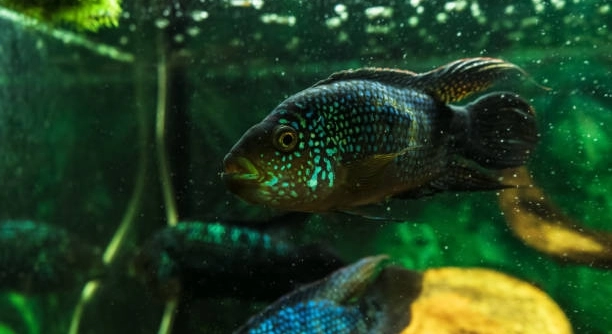
Have you ever noticed your Dempsey fish acting differently in its tank, moving less or hiding behind decorations more often than usual? These behaviors can indicate the fish may need some space to feel comfortable.
Dempsey fish exhibit several indicators that suggest a need for personal space, such as increased territorial behavior, frequent hiding, reduced feeding activity, and avoidance of interaction with other fish. Recognizing these signs ensures proper care and a balanced aquarium environment.
Paying attention to these behaviors can help maintain your fish’s well-being and create a calmer, healthier tank environment for everyone.
Aggressive Behavior Towards Tank Mates
When a Dempsey fish begins to chase or nip at other fish more than usual, it often signals a need for space. This aggression can increase if the tank is too small or overcrowded. Over time, constant stress from close proximity to other fish can lead to illness or injury. Providing hiding spots and rearranging decorations can help reduce territorial disputes. It is also helpful to monitor feeding times, as competition for food can heighten aggression. Consistent observation will allow you to notice subtle changes early, preventing prolonged stress. Adjusting the tank layout can give your Dempsey fish a sense of control over its environment, which reduces overall tension. Keeping an eye on interactions ensures the well-being of all the fish in the tank.
Aggression is often more noticeable during feeding or when new fish are added. Reducing stress can restore calm behavior.
Giving your Dempsey fish enough personal space can prevent constant conflict. Creating separate areas with plants, rocks, or caves allows it to retreat when needed. Avoiding overcrowding and maintaining a regular feeding schedule are also key. Over time, these changes can lead to a calmer, healthier fish that interacts normally with tank mates without unnecessary stress or aggression. Understanding and respecting these space needs will improve the overall balance and harmony in your aquarium.
Excessive Hiding
Excessive hiding is a clear sign that your Dempsey fish feels stressed or overwhelmed. If it spends most of its time behind rocks, plants, or decorations, this behavior indicates a need for personal space. Reducing disturbances in the tank and ensuring enough room to swim freely can help.
Hiding can also occur when the tank layout does not allow safe retreat spaces. Adjusting the environment often improves comfort.
Providing plenty of hiding spots in the tank gives your Dempsey fish options to feel secure. Dense plant clusters, caves, or rock formations can act as safe areas. However, hiding too much may also suggest illness or water quality issues, so regular monitoring is essential. Ensuring proper water conditions, temperature, and tank size will reduce stress and encourage natural behavior. Over time, your fish will begin to explore more openly and interact without fear. Creating a comfortable space balances safety and stimulation, allowing the Dempsey fish to thrive.
Loss of Appetite
A Dempsey fish that suddenly eats less or ignores food may be signaling stress or a need for space. Reduced feeding is often linked to feeling threatened or overcrowded in the tank.
Stress from nearby fish or changes in the tank environment can cause your Dempsey fish to eat less. When a fish feels its territory is being invaded, it may focus on hiding or defending itself rather than feeding. Poor water conditions, sudden temperature changes, or overcrowding can also affect appetite. Monitoring feeding behavior and adjusting the tank layout or population can help restore normal eating habits.
To encourage healthy eating, ensure your Dempsey fish has enough space to swim and retreat. Placing food in different areas of the tank can reduce competition and stress. Maintaining proper water quality, temperature, and routine feeding times also supports appetite. Over time, these adjustments help your fish feel safe and regain normal feeding behavior without forcing interaction.
Frequent Color Fading
When your Dempsey fish loses its vibrant colors, it often indicates stress or discomfort. Dull coloration can result from overcrowding, poor water quality, or constant interaction with other fish.
Stress reduces a fish’s ability to maintain bright coloration. Color fading can occur gradually, making it easy to miss at first. Water quality plays a major role; high levels of ammonia, nitrites, or sudden temperature shifts can cause stress responses. Overcrowded tanks leave less personal space, contributing to prolonged color dulling. Providing areas to retreat, adjusting tank mates, and monitoring water conditions help your Dempsey fish regain its natural colors.
Maintaining a balanced environment with proper lighting, clean water, and adequate hiding spaces supports both color and overall health. A stressed Dempsey fish may need weeks to fully recover its vibrancy. Regularly checking tank conditions and observing behavior ensures issues are addressed promptly, allowing the fish to feel secure and display its natural, rich colors consistently.
Rapid Gill Movement
Rapid gill movement in a Dempsey fish often signals stress or discomfort. When a fish breathes faster than usual, it may be reacting to overcrowding, poor water quality, or constant disturbances from tank mates.
This behavior can also indicate that the fish is feeling cornered or lacks personal space. Providing areas to retreat and improving tank conditions often reduces rapid gill movement.
Clamped Fins
Clamped fins occur when a Dempsey fish holds its fins close to its body, signaling stress or unease. This posture often appears in crowded tanks or when the fish feels threatened by other inhabitants. Proper tank adjustments and giving it room helps restore normal fin movement.
Restless Swimming
A Dempsey fish swimming back and forth along the tank glass repeatedly is showing signs of agitation. This behavior usually happens when the fish feels confined or stressed. Frequent restless swimming indicates that the fish may need more space, fewer tank disturbances, or a rearranged environment to feel secure.
Avoiding Interaction
When a Dempsey fish consistently avoids other fish or humans, it indicates a desire for space. This behavior shows the fish is prioritizing safety and may be experiencing stress from its surroundings, requiring adjustments to tank conditions or layout.
FAQ
How much space does a Dempsey fish need in a tank?
A Dempsey fish requires plenty of space to feel comfortable. Ideally, a single adult should have at least a 55-gallon tank. Providing more room helps reduce aggression, allows swimming freely, and prevents stress-related behaviors like hiding or clamped fins. Overcrowding often leads to constant conflict and can negatively affect health.
Why is my Dempsey fish hiding so much?
Excessive hiding usually indicates stress or fear. Your fish may feel threatened by other tank mates, sudden changes in its environment, or overcrowding. Adding caves, plants, and rock formations provides secure areas for retreat. Regular observation can help determine whether hiding is normal or a sign of illness.
What does rapid gill movement mean?
Rapid gill movement is a stress indicator. It can happen due to poor water quality, overcrowding, or constant disturbances. Ensure the tank has proper filtration, stable water temperature, and low ammonia and nitrite levels. Giving the fish more space and quiet areas often restores normal breathing.
How can I tell if my Dempsey fish is stressed?
Stress signs include loss of appetite, faded colors, clamped fins, restless swimming, and aggression. Observing behavior over time can help identify patterns. Adjusting tank size, layout, water quality, and minimizing conflicts with other fish can significantly reduce stress.
Can aggressive behavior be reduced?
Yes, aggression can often be managed. Providing hiding spots, rearranging the tank, and avoiding overcrowding are effective methods. Feeding in multiple locations reduces competition and tension. Introducing tank mates carefully and gradually also helps prevent unnecessary disputes and allows the Dempsey fish to establish its territory calmly.
What should I do if my fish stops eating?
Loss of appetite may indicate stress, illness, or water issues. Check water parameters, ensure the tank isn’t overcrowded, and provide safe hiding spaces. Offering a variety of high-quality foods and feeding in quiet areas can encourage eating. Monitoring behavior and environment adjustments usually restore normal feeding.
How long does it take for a stressed Dempsey fish to recover?
Recovery depends on the severity of stress and environmental improvements. Minor stress may resolve in a few days, while long-term stress could take several weeks. Consistent care, proper tank maintenance, and minimizing disturbances are key to helping your fish regain its natural behavior and vibrancy.
Can tank layout affect my Dempsey fish’s mood?
Absolutely. A poorly arranged tank can increase stress and aggression. Providing plants, rocks, and hiding areas helps the fish feel secure. Open swimming spaces combined with safe retreats create balance. Regularly adjusting the layout can reduce boredom, improve exploration, and maintain mental well-being for your fish.
Is it normal for a Dempsey fish to avoid humans?
Yes, avoidance is common when the fish needs space or feels stressed. Overhandling, sudden movements, or a noisy environment can cause it to retreat. Respecting its boundaries, limiting disturbances, and allowing gradual interaction helps build trust over time without forcing contact.
How can I maintain vibrant colors in my Dempsey fish?
Bright colors reflect good health. Proper diet, clean water, and low stress levels all contribute to vibrancy. Avoid overcrowding and provide hiding spots. Consistent lighting, stable temperature, and a well-maintained tank allow your fish to display its natural colors without fading due to stress or poor conditions.
What are the signs my Dempsey fish wants to be alone?
Key indicators include hiding frequently, clamped fins, loss of appetite, rapid gill movement, and avoiding tank mates or humans. Observing these behaviors early allows adjustments in tank layout, space allocation, and environmental enrichment to keep the fish healthy and comfortable.
Can Dempsey fish live peacefully with others?
Yes, with careful planning. Choose tank mates of similar size and temperament. Ensure sufficient space and hiding spots. Monitor interactions closely. Avoid small or overly passive fish, as they may be bullied. Proper care and environment management can help Dempsey fish coexist without constant conflict.
How often should I check water conditions?
Regular checks are essential. Weekly testing for ammonia, nitrites, nitrates, and pH levels helps maintain a safe environment. Temperature should be consistent, and partial water changes performed regularly. Healthy water conditions reduce stress, support appetite, and maintain coloration. Preventing sudden changes keeps your fish comfortable and calm.
What changes can make my fish feel safer?
Adding hiding spots, rearranging decorations, and ensuring ample swimming space improves security. Reducing noise, limiting tank disturbances, and avoiding overcrowding also help. Small adjustments can have a big impact, allowing your Dempsey fish to establish its territory and behave naturally without constant stress or aggression.
How do I know if behavior changes are serious?
Sudden changes in appetite, color, or activity can indicate stress, illness, or environmental problems. Persistent hiding, aggression, or rapid gill movement warrants attention. Monitor water quality, tank layout, and interactions. If behaviors continue despite adjustments, consulting a specialist or experienced aquarist is recommended to prevent long-term health issues.
Final Thoughts
Caring for a Dempsey fish requires careful observation and understanding of its behavior. These fish are known for their bold and sometimes aggressive personalities, but they also have clear ways of showing when they need space. Paying attention to signs like hiding, clamped fins, rapid gill movement, or changes in appetite can help you maintain a calm and healthy environment. Ensuring your tank provides enough room, hiding spots, and open swimming areas allows your Dempsey fish to feel secure. Adjusting the layout, monitoring water conditions, and providing proper feeding routines all contribute to reducing stress and encouraging natural behavior.
Stress can affect a Dempsey fish in multiple ways. Color fading, aggression, and avoiding interaction are all indicators that the fish may feel overwhelmed. Overcrowding, constant disturbances, or poor water quality can make these behaviors worse over time. By recognizing these signals early, you can make changes that benefit both the Dempsey and its tank mates. Simple steps, like rearranging rocks, adding plants, or creating quiet zones in the aquarium, often result in noticeable improvements. Giving your fish personal space doesn’t just help reduce negative behaviors; it also improves its overall health, appetite, and ability to display its natural, vibrant colors.
Maintaining a balanced and stress-free environment requires ongoing attention. Regularly checking water quality, keeping the tank at a suitable size, and carefully selecting compatible fish are all essential practices. Observing how your Dempsey interacts with its surroundings provides insight into its comfort level and well-being. Adjustments should be made gradually, allowing the fish to adapt naturally. Over time, these efforts help create an aquarium where your Dempsey feels secure and can thrive. Understanding and responding to your fish’s need for space is one of the most important aspects of responsible care, ensuring it remains healthy, active, and visually vibrant for years.

Hello,
If you enjoy the content that we create, please consider saying a "Thank You!" by leaving a tip.
Every little bit helps us continue crafting quality advice that supports the health, happiness, and well-being of pets around the world, for pets of all shapes, sizes, and species.
We really appreciate the kindness and support that you show us!