
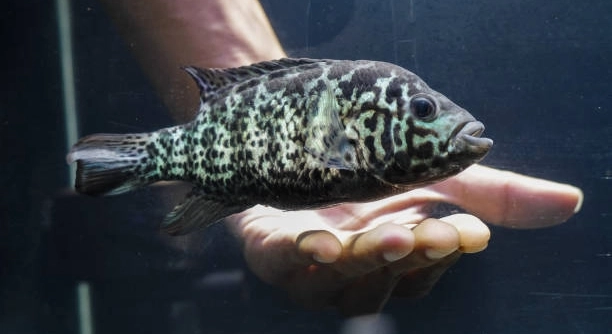
Jack Dempsey fish are known for their striking colors and bold personalities, but they can become visibly stressed when their environment is not ideal. Observing their behavior can help you understand when something is wrong.
When Jack Dempsey fish are uncomfortable, they exhibit specific behaviors such as hiding, rapid swimming, or aggressive displays. These responses indicate stress caused by water quality issues, tank size, temperature changes, or conflicts with other fish in their environment.
Recognizing these signs early allows for prompt adjustments to ensure their comfort and wellbeing in the aquarium setting.
Signs Your Jack Dempsey Fish Is Stressed
When Jack Dempsey fish feel uncomfortable, their behavior changes noticeably. They may retreat to corners of the tank, avoiding areas they usually explore. Rapid gill movement, frequent hiding, or sudden bursts of erratic swimming are common indicators. Colors may fade slightly, signaling stress. Aggressive behavior toward other fish can also appear, even if they usually coexist peacefully. These changes often occur when water conditions fluctuate, the tank becomes overcrowded, or temperature levels shift. Observing your fish daily helps you catch these signs early. Small adjustments, like improving water filtration or rearranging tank decorations to provide more hiding spaces, can reduce stress. Consistency in feeding schedules and avoiding sudden changes in light or tank setup also play a key role. Over time, understanding these subtle behaviors allows you to maintain a stable environment. Watching their daily patterns gives insight into their comfort and helps ensure they thrive.
Stress can impact health, leading to disease or reduced appetite if ignored.
Maintaining a calm environment is essential. Proper tank size, clean water, and stable temperatures reduce stress. Monitoring behavior regularly ensures problems are addressed quickly. Adjusting tank layout or reducing aggressive tank mates can restore balance. Providing consistent care and observing subtle behavioral cues keeps your Jack Dempsey happy and healthy.
Common Environmental Triggers
Temperature fluctuations are a frequent cause of discomfort in Jack Dempsey fish.
Water that is too cold or too warm can stress them, affecting metabolism and immune response. Sudden changes in water pH or hardness also cause unease. Overcrowding intensifies stress, especially if hiding spots are limited, forcing fish into constant confrontations. Noise or vibrations near the tank can make them skittish. Bright or inconsistent lighting may disturb their natural rhythm, causing erratic swimming or hiding. Lack of proper diet or infrequent feeding can also contribute. Stress often accumulates when multiple factors are present, leading to noticeable health decline. Observing how your fish reacts to their surroundings and making timely adjustments improves overall comfort and reduces aggressive tendencies.
Managing these triggers requires careful attention to tank conditions and regular maintenance. Gradually acclimating your Jack Dempsey to new setups prevents shock. Installing stable heaters, filters, and soft lighting helps create a calm environment. Providing plants, rocks, and caves gives secure spaces to hide, reducing anxiety. Regular water testing ensures pH, temperature, and hardness stay within safe limits. Feeding a balanced diet supports energy levels and resilience. Avoiding overcrowding by maintaining appropriate fish numbers improves harmony among tank mates. Observing behavior daily allows you to identify early signs of stress and act quickly. Simple changes in care routine can significantly improve comfort, color vibrancy, and natural behaviors. Over time, a consistent and attentive approach strengthens their health and reduces discomfort. Creating a stable and enriched environment is the most effective way to ensure Jack Dempsey fish remain active, colorful, and stress-free, allowing them to thrive in a home aquarium.
Adjusting Tank Conditions
Small changes in water temperature can quickly impact Jack Dempsey fish. Keeping the tank heater stable and monitoring daily prevents stress. Proper filtration ensures clean water and reduces toxins. Regular partial water changes support a healthier environment.
Consistent care is key for comfort. Maintaining a stable temperature between 74–80°F allows their metabolism and behavior to remain normal. Checking pH and hardness weekly prevents sudden shifts that cause hiding or aggression. Cleaning the tank without disturbing decorations too often keeps them calm. Rearranging plants or rocks provides secure hiding spots, which reduces tension among tank mates. Simple routines like this help your fish feel safe and behave naturally.
Lighting and noise also affect comfort. Soft, consistent light prevents startling them, while keeping the tank away from loud vibrations reduces stress. Even minor disturbances can trigger erratic swimming or hiding. Observing how they respond to changes allows you to make gradual adjustments, ensuring they remain relaxed. Feeding on a consistent schedule reinforces routine and stability. Over time, these small steps create a peaceful environment where Jack Dempsey fish thrive without tension or fear.
Interaction With Tank Mates
Aggression often increases when tank mates are too close or incompatible. Jack Dempsey fish require space to establish territory and avoid constant confrontations.
Choosing compatible species reduces stress and keeps the tank peaceful. Avoid overcrowding by monitoring the number and size of fish. Providing plants, rocks, and caves gives areas to retreat, preventing disputes. Observing interactions helps identify aggressive tendencies early, allowing timely separation if necessary. Introducing new fish slowly lets everyone adjust without sudden conflict. Proper planning ensures a balanced social environment where all fish can coexist comfortably.
Territorial behavior is natural for Jack Dempsey fish. Clear boundaries and adequate space prevent repeated chases or fights. Separating aggressive fish or adjusting tank layout often stops escalation. Monitoring feeding times ensures dominant fish don’t monopolize food, which reduces tension. Rotating decorations or creating visual barriers minimizes stress triggers. Maintaining calm water flow and stable temperature supports harmonious interactions. Regular observation allows small issues to be addressed before they develop into persistent problems. Overall, careful management of tank mates preserves their comfort, encourages natural behavior, and supports long-term health in the aquarium.
Recognizing Hiding Behavior
Hiding is one of the clearest signs that a Jack Dempsey fish is uncomfortable. They may stay behind rocks, plants, or decorations for long periods, avoiding open areas.
Frequent hiding can indicate stress from tank mates, water conditions, or sudden environmental changes. Monitoring how often they hide helps identify potential issues early.
Feeding Patterns
Changes in appetite often reflect discomfort. A stressed Jack Dempsey may eat less or refuse food entirely. Consistent feeding schedules and high-quality food help maintain normal behavior and overall health. Observing feeding habits allows you to detect subtle shifts in wellbeing before they escalate.
Color Changes
Faded or dull coloration often signals stress. Maintaining stable water conditions, proper diet, and a calm environment helps preserve their natural vibrancy.
FAQ
How do I know if my Jack Dempsey fish is stressed?
Stress in Jack Dempsey fish shows up in behavior and appearance. They may hide frequently, swim erratically, or show aggression toward tank mates. Faded colors, rapid gill movement, and loss of appetite are also common signs. Watching their daily patterns carefully helps identify stress early so you can make adjustments.
What environmental factors cause discomfort?
Temperature fluctuations, poor water quality, and overcrowding are common stressors. Sudden changes in pH, hardness, or lighting can also disturb them. Noise, vibrations, and insufficient hiding spaces increase stress. Consistently monitoring tank conditions and maintaining a stable setup helps prevent discomfort.
Can tank mates affect their comfort?
Yes, Jack Dempsey fish are territorial. Incompatible or overcrowded tank mates can trigger aggression and stress. Providing enough space and visual barriers, along with careful selection of compatible species, ensures a calmer environment and reduces conflicts.
How often should I clean the tank?
Regular cleaning supports comfort and health. Partial water changes of 20–25% weekly maintain water quality without shocking the fish. Removing uneaten food and debris prevents toxins from accumulating. Avoid over-cleaning decorations or gravel to minimize stress.
Does diet impact stress levels?
Yes, a balanced diet keeps Jack Dempsey fish healthy and resilient. High-quality pellets, occasional frozen or live food, and consistent feeding schedules prevent hunger-related stress. Avoid overfeeding, which can pollute the water and create tension among tank mates.
What role does hiding space play?
Hiding spots are essential for reducing stress. Rocks, plants, and caves allow fish to retreat when feeling uneasy. Adequate cover minimizes aggressive encounters and helps them feel secure. Rearranging decorations occasionally gives variety and reduces territorial disputes.
How do I manage aggressive behavior?
Aggression often comes from territorial instincts or discomfort. Providing enough space, separating aggressive fish, and using visual barriers reduces conflicts. Observing interactions and adjusting feeding routines ensures all fish get access to food without stress.
Can lighting affect their comfort?
Yes, bright or inconsistent lighting can cause anxiety. Soft, stable light helps maintain a natural rhythm and reduces sudden bursts of erratic behavior. Providing shaded areas lets them regulate exposure and feel safe.
How can I tell if water temperature is right?
Jack Dempsey fish prefer 74–80°F. Sudden deviations cause hiding, rapid gill movement, or lethargy. Using a reliable heater and thermometer ensures stable temperatures, which support normal behavior and comfort.
What should I do if my fish refuses to eat?
Refusal to eat often signals stress or illness. Check water conditions, tank mates, and diet. Offering high-quality, varied food and ensuring a calm environment can restore appetite. Monitor closely for signs of disease if the problem persists.
How important is daily observation?
Daily observation is crucial. Noticing subtle changes in behavior, appetite, or coloration helps address problems before they escalate. Keeping a routine allows for consistent monitoring and quick adjustments to maintain comfort and health.
Can stress affect their long-term health?
Yes, prolonged stress weakens immunity, slows growth, and makes fish prone to disease. Maintaining a stable environment, proper diet, and compatible tank mates is essential to ensure their long-term wellbeing.
How do I reduce noise and vibrations?
Placing the tank in a quiet area away from frequent movement or heavy foot traffic minimizes disturbances. Avoid tapping the glass or moving equipment abruptly. Calm surroundings help them feel secure and behave naturally.
Are there signs that indicate immediate danger?
Rapid gill movement, continuous hiding, erratic swimming, or sudden aggression may signal urgent stress or illness. Testing water conditions and isolating fish if needed can prevent further health decline. Immediate action preserves comfort and prevents serious issues.
Is gradual change better than sudden adjustments?
Absolutely. Sudden changes in water parameters, tank layout, or lighting can increase stress. Gradual adjustments allow Jack Dempsey fish to acclimate comfortably and maintain normal behavior without fear or agitation.
What is the best way to introduce new fish?
Introducing new tank mates slowly prevents stress and aggression. Quarantining newcomers and using visual barriers lets everyone adjust before full interaction. Observing early interactions ensures territorial conflicts are minimized.
How do I maintain water quality consistently?
Regular partial water changes, proper filtration, and monitoring pH, hardness, and ammonia levels ensure optimal water conditions. Avoid overcrowding and overfeeding to prevent pollution. Stable water quality directly supports their comfort and health.
Can environmental enrichment reduce stress?
Yes, adding plants, rocks, and caves gives options for hiding and exploration. Rearranging the layout occasionally keeps the environment stimulating and reduces territorial disputes. Enrichment promotes natural behavior and overall wellbeing.
How long does it take for fish to recover from stress?
Recovery depends on the cause and severity. Minor stress may resolve in a few days with stable conditions, while prolonged stress can take weeks. Maintaining a consistent environment, proper diet, and calm surroundings accelerates recovery.
Are there signs that stress is becoming chronic?
Chronic stress shows as faded colors, consistent hiding, poor appetite, and repeated aggression. Monitoring these signs helps prevent health decline. Early intervention with environmental adjustments and proper care is key to restoring comfort and preventing illness.
Jack Dempsey fish are sensitive to their surroundings, and maintaining a comfortable environment is essential for their wellbeing. Observing their behavior closely can give clear insight into how they are feeling. Signs like hiding, faded colors, erratic swimming, and changes in appetite are all indicators that something in their tank needs attention. Addressing these issues quickly helps prevent stress from turning into health problems. Simple steps like checking water temperature, maintaining proper pH levels, and providing enough space and hiding spots can make a significant difference in their overall comfort. Daily observation is a practical habit that allows you to notice even subtle changes in behavior, which can indicate potential issues before they escalate. By paying attention to these details, you create an environment that supports both the physical and emotional health of your fish.
Consistency in care is one of the most important factors in keeping Jack Dempsey fish comfortable. Regular feeding schedules, clean water, and stable tank conditions all contribute to a calm and secure environment. Overcrowding, sudden changes in lighting, or introducing new tank mates too quickly can create stress, even if everything else in the tank is ideal. By making gradual adjustments and maintaining routine care, you reduce the risk of stress and aggression. Providing environmental enrichment like plants, rocks, and caves not only gives your fish places to hide but also encourages natural behavior, which is essential for their mental and physical health. Monitoring interactions between tank mates helps prevent territorial disputes and keeps the social dynamic stable. These practices help your Jack Dempsey fish thrive while maintaining their natural behaviors and bright colors.
Understanding the needs of your Jack Dempsey fish allows for a more rewarding aquarium experience. Being aware of the signs of discomfort and knowing how to respond helps maintain their health over time. Stress is not always obvious, but small adjustments in tank conditions, feeding routines, and social arrangements can have a major impact. Ensuring stable water quality, providing proper space, and reducing environmental disturbances all contribute to their comfort. Over time, a calm, consistent, and thoughtfully arranged tank encourages natural behavior, bright coloration, and overall wellbeing. Careful observation, routine maintenance, and attention to detail create an environment where Jack Dempsey fish feel secure, safe, and healthy, allowing them to live a long, stress-free life.

Hello,
If you enjoy the content that we create, please consider saying a "Thank You!" by leaving a tip.
Every little bit helps us continue crafting quality advice that supports the health, happiness, and well-being of pets around the world, for pets of all shapes, sizes, and species.
We really appreciate the kindness and support that you show us!