
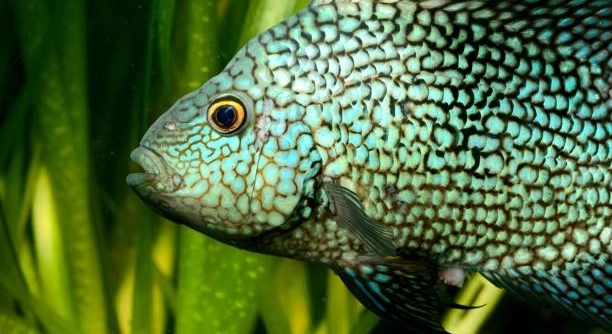
Have you ever set up a new aquarium and noticed your Jack Dempsey fish seemed restless without plants? Watching them swim in an empty tank can feel a little unsettling and reveal how much their environment matters.
Jack Dempsey fish do not experience loneliness as humans do, but the absence of plants can increase stress and aggression. Plants provide hiding spaces and environmental enrichment, which support natural behaviors and overall well-being in these fish.
Adding plants and decorations can transform the tank into a calmer, more stimulating environment, improving both the health and behavior of Jack Dempseys.
How Plants Affect Jack Dempsey Behavior
Jack Dempsey fish are naturally territorial, and their behavior changes noticeably depending on their surroundings. In tanks with plenty of plants, they feel secure and show calmer, more natural activity. Plants offer hiding spaces that reduce stress, making fish less aggressive toward tank mates. Without plants, these fish can become anxious, swim erratically, or claim large areas of the tank as their territory. Observing them in different setups shows how much environmental enrichment matters. Adding live or artificial plants encourages exploration and provides mental stimulation. Even small clusters of plants can give Jack Dempseys a sense of security and improve their overall well-being. Over time, tanks with plants tend to have healthier, more stable fish. The presence of greenery also helps balance the aquarium by supporting better water quality and offering surfaces for beneficial bacteria to grow, which contributes to a healthier environment overall for the fish.
Plants reduce stress and create natural hiding spots, which makes Jack Dempseys calmer and more confident.
A tank without plants can make these fish feel exposed, leading to constant movement and heightened aggression. Jack Dempseys are more likely to chase tank mates, guard territory aggressively, or display signs of nervousness. Stress from a bare environment can even affect their appetite and immune system, making them more prone to illness. Properly arranged plants break up open spaces, allowing the fish to claim small territories without constant conflict. Even simple setups with floating plants or a few tall stems can dramatically improve behavior. By observing how Jack Dempseys react to different environments, it becomes clear that plants are more than decoration—they are essential to the fish’s mental and physical health. Choosing plants that are hardy and flexible ensures they withstand the fish’s activity while still providing shelter and visual interest. A well-planted tank encourages natural behaviors like exploring, hiding, and resting.
Choosing the Right Plants for Jack Dempseys
Live plants are ideal because they offer oxygenation, filtration benefits, and realistic hiding spaces.
Hardy plants such as Anubias, Java Fern, and Amazon Sword work well with Jack Dempseys. These fish can be rough swimmers, so plants need sturdy leaves and strong roots. Floating plants also provide shade, which reduces stress by giving a feeling of shelter. When arranging plants, place taller species near the back or sides of the tank to create open swimming areas in the center. Dense clusters in corners allow the fish to hide and retreat if they feel threatened. Artificial plants can be used for similar effects but should be anchored securely to prevent tipping. By carefully selecting and arranging plants, you create a stable, stimulating environment that encourages natural behavior, reduces aggression, and promotes overall health. Taking the time to understand how plants interact with your Jack Dempseys ensures a balanced tank, where fish can thrive without unnecessary stress. Plants also contribute to water quality, creating surfaces for beneficial bacteria that help break down waste. Over time, the tank becomes easier to maintain, and the fish remain healthier and more active, displaying the vibrant colors and lively movement that make Jack Dempseys so appealing to observe.
Tank Setup Tips for Jack Dempseys
Plants should be placed to create hiding spots while leaving open swimming areas. Use a mix of tall and short plants to mimic a natural environment and reduce stress for territorial fish.
Spacing plants along the edges helps define territories without crowding the center of the tank. This allows Jack Dempseys to patrol their area comfortably while still having places to retreat. Hardscape elements like rocks or driftwood can be added alongside plants to give extra hiding options. Ensure plants are secured to prevent uprooting, and consider floating species for shade and additional shelter. Proper arrangement balances activity, reduces aggression, and promotes healthy behavior.
Regular maintenance is crucial. Trim overgrown plants to prevent them from dominating the tank and obstructing swimming paths. Replace any decaying leaves promptly to maintain water quality. Fertilizing and monitoring light levels helps live plants thrive, supporting both their growth and the fish’s environment. Observing the fish and adjusting plant placement over time ensures a harmonious tank setup that meets the needs of Jack Dempseys while keeping the aquarium visually appealing.
Monitoring Fish Behavior in a Planted Tank
Healthy behavior includes calm swimming, exploring, and using hiding spots. Signs of stress often appear in bare or poorly arranged tanks.
Watching Jack Dempseys regularly allows you to notice subtle changes in activity, appetite, and aggression. Fish that feel secure will use plants to rest, hide, and interact with their surroundings naturally. If a fish avoids certain areas or seems restless, it may indicate the need for additional cover or rearrangement. Plants help reduce conflicts by providing boundaries and visual barriers between territorial fish. By keeping the environment dynamic yet stable, you support mental and physical health, which is reflected in vibrant colors and steady growth.
Tracking changes over time is essential for long-term health. Monitor water parameters, plant growth, and fish behavior consistently. Adjusting plant placement, introducing new plant species, or thinning overgrown sections can reduce stress and maintain balance. Observing interactions between tank mates also helps prevent aggression before it escalates. A planted tank encourages natural behaviors, reduces stress, and allows fish to thrive. This approach ensures Jack Dempseys remain active, healthy, and visually striking while enjoying a comfortable, enriched environment that meets their needs.
Benefits of Hiding Spots
Hiding spots reduce stress and give Jack Dempseys a sense of security. Plants, rocks, and driftwood create natural retreats, allowing fish to rest or escape during aggressive encounters, which improves overall behavior and health.
Providing multiple hiding areas helps prevent territorial disputes. Fish feel safer and are less likely to chase tank mates, leading to a calmer tank environment with more balanced interactions.
Light and Plant Growth
Proper lighting supports plant growth and contributes to a healthier tank. Moderate light levels encourage sturdy plants without causing excessive algae. Too little light can weaken plants, reducing available hiding spots, while too much light increases algae, creating maintenance challenges.
Feeding Behavior in Planted Tanks
Jack Dempseys often feed more confidently in a planted tank. Plants provide cover, making fish feel safe while exploring for food, which encourages natural hunting behaviors and reduces stress during feeding times.
Plant Maintenance Tips
Regular trimming prevents overcrowding and ensures plants do not block swimming areas. Healthy plants maintain water quality and provide continuous hiding spots for fish, supporting a stable and comfortable environment.
FAQ
Do Jack Dempsey fish get lonely without plants?
Jack Dempseys do not feel loneliness the way humans do, but a tank without plants can increase stress and aggression. Plants act as hiding spots and visual barriers, giving fish a sense of security. Without them, Jack Dempseys may swim nervously, guard territory more aggressively, and show signs of stress that can affect their health. Even minimal plant coverage improves behavior and reduces conflict between tank mates.
What types of plants are best for Jack Dempseys?
Hardy plants like Anubias, Java Fern, and Amazon Sword are ideal because they can withstand the fish’s activity. Floating plants provide shade and additional cover, while dense clusters of stem plants allow the fish to hide. Avoid delicate or slow-growing plants, as Jack Dempseys may uproot them during normal movement or when defending territory. Combining tall, short, and floating plants creates a dynamic environment that supports both natural behavior and tank aesthetics.
Can artificial plants be used instead of live plants?
Yes, artificial plants can provide hiding spaces and visual barriers, which reduce stress and aggression. However, they do not contribute to water quality or oxygenation, and they must be anchored securely to avoid tipping. Live plants are generally better for long-term health and stability, but artificial plants are useful for beginners or when maintaining live plants is difficult. Using a mix of both can balance convenience and environmental enrichment.
How do plants affect Jack Dempsey feeding behavior?
Plants create safe spaces that encourage natural foraging and hunting behaviors. Fish feel less exposed while searching for food, reducing stress and competition. In a bare tank, Jack Dempseys may hesitate to eat or guard food aggressively. Providing plant cover allows them to feed confidently while maintaining social balance with tank mates. This helps support proper growth, health, and vibrant coloration.
How often should I trim or maintain plants in a Jack Dempsey tank?
Trimming should be done regularly to prevent overcrowding, maintain open swimming paths, and remove decaying leaves. Overgrown plants can block light and make the tank feel cramped, which increases stress. Maintenance also supports water quality by preventing decaying plant matter from affecting parameters. Observing plant growth weekly and trimming as needed ensures a stable environment that keeps Jack Dempseys healthy and comfortable.
Do Jack Dempseys prefer dense plant clusters or sparse arrangements?
A balanced arrangement works best. Dense clusters in corners or along tank edges provide hiding spots and territory boundaries, while open areas in the center allow swimming and activity. Sparse setups can leave fish feeling exposed, while overly dense tanks may restrict movement and increase territorial disputes. Arranging plants thoughtfully encourages natural behaviors and reduces stress.
Will Jack Dempseys damage plants in the tank?
They may disturb or uproot delicate plants while swimming or defending territory. Choosing hardy plants with strong roots or thick leaves minimizes damage. Floating plants or plants attached to rocks or driftwood are safer options. Even if minor damage occurs, plants still provide essential shelter and contribute to a healthier, more secure environment.
Do plants help reduce aggression between Jack Dempseys and other fish?
Yes, plants act as visual barriers that break up open space, reducing direct line-of-sight confrontations. Hiding spots allow subordinate fish to retreat, preventing constant chasing or fights. Proper plant placement helps establish natural territories and makes tank interactions calmer, benefiting all inhabitants.
How does lighting affect plant growth for Jack Dempseys?
Moderate lighting encourages healthy plant growth without promoting excessive algae. Too little light weakens plants, reducing hiding spaces, while too much light increases algae, which can make maintenance harder. Maintaining proper light levels ensures plants thrive, supporting a comfortable environment for Jack Dempseys.
Can a tank thrive with only artificial decorations instead of plants?
While artificial decorations provide some shelter, they do not improve water quality or oxygen levels. They can reduce stress but do not fully replace the benefits of live plants. Combining both live and artificial decorations offers security, enrichment, and easier maintenance for a balanced tank.
What is the overall benefit of keeping plants with Jack Dempseys?
Plants reduce stress, provide hiding spots, encourage natural behavior, and improve overall tank health. They support calmer interactions, better feeding habits, and mental stimulation. Whether using live or artificial plants, thoughtful placement and maintenance create an enriched environment where Jack Dempseys can thrive and display their natural colors and behaviors.
How do I know if my Jack Dempsey is stressed in a plant-free tank?
Signs include constant swimming, chasing tank mates, hiding in corners without rest, or refusing food. Stress can lead to dull colors, slower growth, and weaker immunity. Adding plants and observing behavior helps reduce these issues and creates a more comfortable, secure environment for the fish.
Can rearranging plants affect Jack Dempsey behavior?
Yes, moving plants can temporarily stress fish as they reestablish territory. Gradual changes are better, giving them time to adapt. Rearranging plants can also help manage aggression and improve hiding opportunities, creating a dynamic but stable environment that keeps fish active and healthy.
Are there any plants Jack Dempseys dislike?
Very delicate or soft-leaved plants may be uprooted or eaten. Slow-growing plants can be damaged during normal swimming or territorial behavior. Choosing sturdy plants ensures long-term survival and provides consistent shelter for fish. Hardiness, placement, and growth rate are key considerations when selecting plants.
How much plant coverage is ideal for a Jack Dempsey tank?
A mix of 40-60% plant coverage works well. This provides sufficient hiding spots and boundaries without overcrowding swimming space. Floating plants add shade, while clusters along edges create natural retreats. Maintaining open areas in the center ensures healthy activity, exploration, and social balance in the tank.
Do plants influence the health and lifespan of Jack Dempseys?
Yes, plants contribute to mental and physical health. By reducing stress, providing hiding spots, and improving water quality, plants help prevent disease, support appetite, and encourage natural behaviors. A well-planted tank promotes longer life and a healthier, more vibrant fish population overall.
Final Thoughts
Jack Dempsey fish are lively and interesting, but their behavior and overall well-being are strongly influenced by their environment. A tank without plants can leave them feeling exposed and stressed, which may cause aggression or nervous swimming. Adding plants, whether live or artificial, helps create a sense of security and provides places to hide. Even a few strategically placed plants can make a noticeable difference in how the fish act. Hiding spots allow them to rest, explore safely, and feel more confident in their surroundings. Observing Jack Dempseys in both planted and bare tanks shows how much these simple additions improve their behavior and reduce stress. Plants also break up open spaces in the aquarium, preventing constant confrontations between territorial fish, which is especially important if you have more than one Jack Dempsey in the same tank.
The type and arrangement of plants matter. Hardy plants with strong roots or thick leaves work best because they can withstand the fish’s activity without being uprooted. Tall plants at the back and corners provide natural boundaries, while shorter plants near the front allow open swimming areas. Floating plants can offer shade, giving the fish extra cover and a feeling of security. Regular maintenance, such as trimming overgrown plants or removing decaying leaves, ensures that the environment stays healthy and supportive. Proper lighting also helps plants thrive, supporting a more stable tank and better water quality. By carefully selecting, arranging, and maintaining plants, you create an enriched environment that supports natural behaviors, reduces stress, and encourages vibrant colors in your Jack Dempseys. Over time, a planted tank feels calmer and more balanced, which benefits both the fish and the overall health of the aquarium.
In addition to behavioral benefits, plants play an important role in supporting the physical health of Jack Dempseys. They provide surfaces for beneficial bacteria to grow, which helps break down waste and maintain water quality. This contributes to healthier fish, stronger immune systems, and reduced risk of disease. Feeding also improves in a planted tank because fish feel safe exploring for food among the leaves and hiding spots. Observing Jack Dempseys in a well-planted tank shows more natural activity, including resting, hiding, and patrolling their territory without constant stress. While artificial decorations can help provide shelter, live plants add both enrichment and environmental benefits. Overall, creating a tank with plants, proper lighting, and thoughtful placement ensures that Jack Dempseys remain healthy, confident, and visually striking, giving you a rewarding experience as an aquarium owner.

Hello,
If you enjoy the content that we create, please consider saying a "Thank You!" by leaving a tip.
Every little bit helps us continue crafting quality advice that supports the health, happiness, and well-being of pets around the world, for pets of all shapes, sizes, and species.
We really appreciate the kindness and support that you show us!