
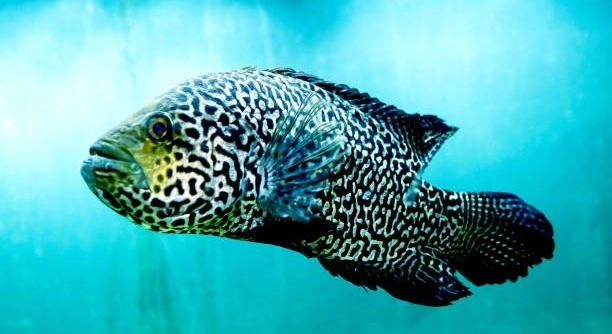
Jack Dempsey fish are striking and energetic, making them popular in home aquariums. Observing their behavior can be both fascinating and rewarding for fish keepers interested in breeding these vibrant cichlids. Spawning is a key part of their life cycle.
Jack Dempsey fish display several physical and behavioral changes before spawning, including increased territorial aggression, intensified coloration, nest-building behavior, pairing off with a mate, frequent cleaning of a chosen site, and changes in swimming patterns and appetite.
Recognizing these signs early helps aquarists provide the right environment for successful breeding and ensures the fish remain healthy throughout the process.
Aggressive and Territorial Behavior
As Jack Dempsey fish prepare to spawn, their behavior changes noticeably. Males become more aggressive, patrolling the tank and chasing away other fish. This territorial behavior ensures the safety of the spawning site and signals to females that the male is capable of defending offspring. Females may also display mild aggression, especially near the nest, to protect the chosen area. During this period, interactions with other tank mates can become tense, and it’s important to monitor the tank carefully. Providing plenty of hiding spots reduces stress and prevents injury. Observing these aggressive displays is a strong indication that the fish are preparing to breed. This change in behavior usually peaks just before spawning, making it a reliable sign for aquarists. Understanding and respecting this natural aggression helps maintain a healthy tank environment while supporting successful reproduction.
Aggression is a natural response tied directly to breeding readiness in Jack Dempsey fish.
Monitoring territorial behavior ensures the fish remain safe while encouraging proper spawning. Adjusting tank layout and minimizing external stressors allows them to focus on courtship and nesting.
Increased Pairing and Courtship
Pairing up is a clear sign of readiness.
Jack Dempsey fish begin forming tighter bonds with a chosen mate, often swimming closely and mirroring each other’s movements. Courtship behaviors such as circling, nudging, and synchronized swimming indicate compatibility. These actions strengthen their bond and prepare them for coordinated spawning. Males may display their full coloration, while females may tilt or fan their fins to signal acceptance. This phase can last several days, with the pair spending most of their time near the nesting site. During courtship, the fish communicate through subtle gestures and body movements, creating a rhythm that leads to successful egg laying. Environmental stability is crucial; consistent water temperature and minimal disturbances allow the pair to focus on their interactions. Aquarists who notice these behaviors can anticipate spawning and provide optimal care, including gentle observation and limited tank interference, to support this natural process.
Recognizing pairing and courtship is essential to anticipate and support the breeding process.
Observing these behaviors provides insight into the fish’s reproductive readiness. A stable environment encourages successful coordination between the pair. Limiting stress, maintaining water quality, and offering a secure nesting area are key to ensuring that the courtship leads to egg laying. The subtle signals between the male and female indicate they are synchronized and ready, making it easier to predict when spawning will occur. This attentiveness allows aquarists to manage the tank effectively, protect the eggs, and support the development of healthy fry. By understanding and responding to these pairing behaviors, the breeding process can proceed smoothly with minimal interference.
Frequent Cleaning of the Nest
Jack Dempsey fish constantly clean their spawning site to prepare for eggs.
They scrape debris off rocks or sand, fanning the surface with their fins to ensure it is spotless. Both male and female participate, with the male usually taking the lead while defending the area from other fish. This behavior reduces the risk of fungal infections on the eggs and creates an ideal environment for successful hatching.
Observing this cleaning behavior can help you gauge how close spawning is. It becomes more frequent as the eggs are about to be laid, with the pair spending most of their time around the nest. Providing smooth, flat surfaces for nesting supports this natural instinct and encourages proper egg adhesion.
Keeping the nest clean is vital for egg survival, and it also reflects the fish’s health and readiness to spawn.
Changes in Swimming Patterns
Jack Dempsey fish may alter their swimming when preparing to spawn, often staying close to the nesting site.
They patrol the area continuously, sometimes swimming in tight circles or hovering near the nest. The male frequently guards the perimeter, chasing intruders or less dominant fish away. Females stay near the eggs, inspecting and fanning the surface. This behavior ensures the safety and cleanliness of the site. These pattern changes become more pronounced as spawning approaches, signaling that the fish are focused on reproduction and protecting their future offspring.
Consistent swimming patterns indicate heightened awareness and preparation. By noting these movements, you can identify when the pair is most attentive. Adjusting tank conditions to minimize disturbances supports their natural behavior. Keeping water calm and providing adequate hiding spots helps the pair maintain these protective swimming routines, which are essential for successful fertilization and early egg care. Observing these patterns allows careful timing for interventions like tank maintenance, ensuring the breeding process proceeds smoothly.
Reduced Appetite
Jack Dempsey fish often eat less as spawning approaches.
This reduction in appetite is normal and linked to hormonal changes preparing them for reproduction. Males and females may focus more on guarding and cleaning the nest than on feeding.
Monitoring their eating habits helps gauge readiness for spawning. Small, frequent meals may encourage energy without stressing the fish.
Flaring Fins and Displaying
Flaring fins and spreading gill covers are common behaviors before spawning.
These displays serve as communication between the pair, signaling dominance, readiness, and attraction. The male often flares to assert control over the nest, while the female may respond to show acceptance or readiness to lay eggs. These visual signals are part of their courtship, helping coordinate mating efforts efficiently.
Guarding the Territory
Jack Dempsey fish stay near the nest, actively preventing intrusion.
Restlessness
The fish may swim quickly and unpredictably near the nest, showing readiness to spawn.
FAQ
What is the ideal tank setup for Jack Dempsey fish to spawn?
The tank should be spacious, at least 55 gallons for a pair, with stable water temperature between 78–82°F. Provide flat rocks or slate for nesting and plenty of hiding spots to reduce stress. Keep water parameters consistent, with a pH of 6.5–7.5 and moderate hardness. Minimal disturbances and low-flow filtration help the fish focus on spawning.
How can I tell when my Jack Dempsey pair is ready to lay eggs?
You will notice intensified coloration, frequent nest cleaning, and strong territorial behavior. The pair will stay near the chosen site, swim in synchronized patterns, and display fins while circling each other. Females may show a slight pinkish hue on the belly, and males will become darker and more vibrant.
Do Jack Dempsey fish need a separate breeding tank?
It is not mandatory, but using a separate tank can protect eggs from other fish. In a community tank, eggs or fry may be eaten. A dedicated breeding tank reduces stress, allows you to monitor water quality carefully, and makes it easier to observe behavior without interference.
How long does it take for the eggs to hatch?
After being laid and fertilized, Jack Dempsey eggs usually hatch within 3–5 days. The male and female guard the nest, fanning the eggs to keep them aerated and clean. Water temperature affects development speed—slightly warmer water may accelerate hatching, while cooler water can slow the process.
What should I feed my Jack Dempsey fish before spawning?
Provide high-protein foods like live or frozen brine shrimp, bloodworms, or quality pellets. A varied diet helps improve coloration and increases the chances of successful spawning. Avoid overfeeding, as leftover food can pollute the tank. Feed small portions multiple times a day to keep the fish healthy and energetic.
How do I care for the fry after hatching?
Once the fry are free-swimming, provide tiny foods such as newly hatched brine shrimp or specialized fry food. Keep the water clean and monitor for uneaten food to prevent water quality issues. Separate any aggressive tank mates or consider a breeding net to protect the fry during early development.
What common mistakes should I avoid when breeding Jack Dempsey fish?
Avoid sudden changes in water parameters, overcrowding, and aggressive tank mates. Don’t disturb the nest too often, as this can stress the pair and reduce survival rates. Ensure the tank is large enough for territory and that nesting surfaces are stable. Patience and observation are key to successful breeding.
Can Jack Dempsey fish spawn multiple times a year?
Yes, if kept in optimal conditions with proper diet and stable water quality, they can spawn multiple times per year. Allow the pair some recovery time between spawning events, and maintain consistent environmental conditions to encourage repeated breeding cycles.
How do I prevent the parents from eating their eggs or fry?
Providing a calm environment and enough hiding spots can reduce stress-related egg or fry predation. In some cases, removing the eggs to a separate tank is necessary if the parents are aggressive. Otherwise, stable water conditions and minimal disturbances help the pair focus on guarding rather than consuming their offspring.
Are there signs that spawning might fail?
Yes, dull coloration, lack of nest cleaning, disinterest in the mate, or aggressive behavior that results in injury are warning signs. Eggs may turn white or fungus may appear if water quality is poor. Observing these behaviors early allows you to take corrective actions, such as adjusting water parameters or relocating eggs.
These frequently asked questions cover the most common concerns about Jack Dempsey breeding, providing practical guidance on setup, care, and monitoring to improve success. Careful observation and consistent tank management play a crucial role in supporting natural behaviors and ensuring healthy offspring.
Breeding Jack Dempsey fish can be a rewarding experience if you pay close attention to their behavior and environment. These fish are active, vibrant, and strong-willed, and understanding their natural instincts makes all the difference. Observing changes like increased coloration, nest cleaning, territorial displays, and pairing behaviors can give clear signs of readiness to spawn. Each change serves a purpose, from attracting a mate to protecting the eggs and fry. Paying attention to these signs not only helps ensure successful spawning but also helps keep the fish healthy and less stressed. A stable tank with proper water conditions, adequate hiding spots, and smooth surfaces for nesting makes a significant difference in whether the breeding process goes smoothly or encounters problems.
Feeding the fish correctly before and during the spawning phase is just as important as their environment. High-protein foods, like brine shrimp or bloodworms, support their energy needs and help intensify their colors, which plays a role in mating success. However, overfeeding can quickly lead to water quality problems, which can harm eggs, fry, and adults alike. Observing reduced appetite or changes in feeding behavior is normal and often indicates that the fish are focusing on preparing the nest and guarding their territory. Consistency in diet, tank maintenance, and minimal disturbances encourages natural behavior and helps the pair perform their reproductive tasks efficiently. Keeping track of all these small details may feel meticulous, but they are crucial for a smooth breeding experience.
Even with careful observation and preparation, challenges can arise. Eggs may fail to hatch, fry might be at risk from other tank mates, or the parents may behave aggressively. Being prepared to adjust the environment, monitor water quality, or provide additional protection for eggs and fry ensures the highest chance of success. Each breeding attempt is also a learning opportunity, as every pair may have slightly different behaviors and preferences. Patience, observation, and responsiveness allow aquarists to support natural instincts without interference, resulting in healthier fish and stronger offspring. Over time, these experiences make it easier to predict behaviors, create optimal conditions, and enjoy the satisfaction of witnessing a successful spawn. Observing Jack Dempsey fish closely and providing consistent care not only improves breeding outcomes but also fosters a deeper understanding of their habits and needs.

Hello,
If you enjoy the content that we create, please consider saying a "Thank You!" by leaving a tip.
Every little bit helps us continue crafting quality advice that supports the health, happiness, and well-being of pets around the world, for pets of all shapes, sizes, and species.
We really appreciate the kindness and support that you show us!