
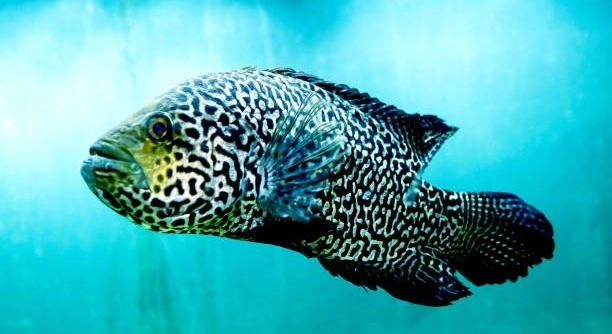
Have you ever noticed how Jack Dempsey fish move around their tank with cautious grace? Their bright colors and curious behavior make them captivating, but they also need safe spots to retreat and feel secure within their environment.
Jack Dempsey fish commonly use rocks, dense plants, caves, driftwood, overhanging decorations, PVC pipes, and thick substrate as hiding places. These structures reduce stress, prevent aggression, and recreate natural habitats, promoting healthy and natural behavior in captive fish.
Knowing how these fish hide helps create a comfortable and balanced aquarium that supports both their activity and well-being.
Rocks and Pebbles
Rocks and pebbles provide Jack Dempsey fish with reliable hiding spots in any aquarium. Large, flat rocks can form overhangs that give fish a shaded area to rest and feel secure. Smaller pebbles can be arranged to create crevices, allowing fish to slip away from view when they feel stressed. The texture and size of the rocks matter, as rough surfaces mimic natural riverbeds and help fish maintain balance and orientation. Arranging rocks in clusters also encourages natural behavior, such as exploring, digging, and territorial display. Placement should avoid sharp edges to prevent injuries, and stability is key so the fish cannot topple them while moving. Combining different rock types, sizes, and colors adds visual interest to the tank while meeting the fish’s instinctual needs. Observing the fish will reveal which areas they prefer, helping improve their comfort and overall well-being in a controlled environment.
Rocks create secure, natural spaces that reduce stress and give Jack Dempsey fish confidence to explore their tank safely.
Using rocks in the aquarium is not just decorative; it encourages behaviors that are natural and necessary. Fish use these spaces for resting, retreating during aggression, and even breeding. They may dig around pebbles or move smaller rocks to shape their preferred hiding area. Rocks also influence water flow and can provide shaded areas that reduce light intensity, which Jack Dempsey fish appreciate. The placement of rocks affects territorial boundaries, helping minimize conflicts between multiple fish. Over time, the fish will adapt to these structures, using them consistently and showing more relaxed behavior. Proper maintenance of rock formations is important to prevent algae buildup and ensure safety. Combining rocks with other hiding elements, like plants or driftwood, creates a balanced environment where fish feel secure but still have space to swim freely. A thoughtful arrangement encourages health, activity, and natural instincts in the aquarium.
Plants and Foliage
Dense plants offer both shelter and visual barriers for Jack Dempsey fish.
Plants such as Java fern, Anubias, or Amazon swords provide thick foliage that creates shaded, secure spaces. Fish hide among the leaves to feel safe from perceived threats. Live plants improve water quality and oxygenation while giving the aquarium a natural feel. Artificial plants can also be used if maintenance is a concern, but care should be taken to avoid sharp edges. Strategic placement allows the fish to choose hiding spots at different tank levels. Plants soften aggressive interactions and give fish a sense of territory, promoting calm behavior. Observing which areas the fish prefer can help refine plant arrangement, improving comfort and encouraging natural behaviors like exploring and resting. Combining plants with rocks or driftwood enhances both aesthetics and functionality. Dense clusters mimic riverbeds or lakeshores, making the aquarium environment more familiar to Jack Dempsey fish, ultimately reducing stress and encouraging healthy activity.
Caves and Hollow Decorations
Caves give Jack Dempsey fish a secure retreat. Fish often hide inside hollow structures to reduce stress and feel protected. These can be ceramic, resin, or natural stones shaped into caves, offering both shade and a private space within the tank.
Caves encourage natural territorial behavior and provide a place for fish to rest or escape during aggression. Jack Dempsey fish are known to claim specific caves as their own, using them consistently. Properly sized entrances prevent larger fish from entering and causing conflicts. Positioning caves at different tank levels gives the fish choices and encourages exploration. The interior should be smooth to avoid injuries, and stability is essential to prevent collapse when the fish moves around. Combining caves with rocks and plants creates a layered environment, satisfying both shelter and visual appeal. Observing fish interactions with these structures helps refine placement for safety and comfort.
Hollow decorations can serve as breeding sites or resting areas. Fish feel secure inside and are less stressed, promoting healthier behavior. Multiple caves reduce aggression among tank mates, and varying sizes accommodate different fish preferences. They also enhance the visual depth of the aquarium, making it look more natural while supporting the fish’s instinctual hiding needs.
Driftwood and Overhangs
Driftwood provides shaded, secure areas that Jack Dempsey fish use to hide and rest. It creates natural overhangs and nooks that mimic their native habitat while adding texture to the tank.
Driftwood impacts water chemistry slightly, releasing tannins that lower pH and create a more natural environment. Its structure allows fish to swim beneath or around it, offering protection from light and stress. Placing driftwood near rocks or plants creates layered hiding areas, encouraging fish to explore while having safe retreats. Driftwood also supports biofilm growth, which can become a minor food source. Careful positioning is essential to prevent floating or toppling. Sand or gravel anchoring can stabilize larger pieces. Observing fish preferences helps refine arrangement, ensuring the wood provides comfort and territorial boundaries.
Overhanging driftwood allows fish to rest underneath without being exposed. It complements caves and plants, providing additional shelter and shading areas. Driftwood also adds visual interest, breaking up open space while giving fish control over their environment. It promotes natural behavior, reducing stress and supporting healthier, calmer activity.
PVC Pipes
PVC pipes offer Jack Dempsey fish a simple and safe hiding spot. Their smooth surfaces prevent injuries, and the tubular shape mimics natural crevices, giving fish a secure area to retreat when feeling stressed.
These pipes can be cut to different lengths and diameters to suit various fish sizes. They are easy to clean and can be positioned horizontally or vertically in the tank. Using multiple pipes allows more than one fish to have a private space. PVC blends well with rocks and plants, making it functional without disrupting the tank’s aesthetic. Anchoring the pipes under rocks or substrate ensures stability while maintaining safety.
Thick Substrate
A deep, thick substrate allows Jack Dempsey fish to dig and create small depressions or burrows. This behavior gives them a sense of security and helps mimic natural riverbed conditions.
Overhanging Decorations
Overhanging decorations provide shaded areas where fish can hide and feel protected. They create natural boundaries and encourage calmer, less aggressive behavior in the aquarium.
FAQ
What are the best hiding spots for Jack Dempsey fish in an aquarium?
The most effective hiding spots include rocks, caves, driftwood, dense plants, PVC pipes, and overhanging decorations. Each type provides shade, shelter, and a sense of safety. Arranging these elements at different tank levels allows fish to choose their preferred retreat and encourages natural exploration.
Can Jack Dempsey fish use multiple hiding spots at once?
Yes, they often rotate between hiding spots depending on comfort, light levels, and perceived threats. Providing multiple options reduces stress and aggression, allowing fish to establish temporary territories while maintaining a sense of security.
Do Jack Dempsey fish need live plants for hiding?
Live plants are helpful but not mandatory. Thick artificial plants can also provide cover and reduce stress. Live plants add extra benefits like oxygenation and water filtration, while artificial plants require less maintenance and still offer hiding areas.
How deep should substrate be for digging behavior?
A substrate depth of two to three inches is ideal. It allows fish to dig shallow depressions for resting or hiding without risking injury or disrupting the tank structure. Soft sand or fine gravel works best to support this natural behavior.
Are caves necessary for breeding purposes?
Yes, caves are commonly used as breeding sites. Jack Dempsey fish feel secure when laying eggs in enclosed spaces. Providing multiple caves helps reduce competition and ensures both male and female have appropriate locations to spawn.
Does driftwood affect water quality?
Driftwood can slightly lower pH and release tannins, creating a more natural environment similar to native habitats. This can reduce stress for the fish. Proper preparation, like soaking or boiling, helps prevent excessive discoloration and ensures safety.
Can hiding spots reduce aggression among tank mates?
Absolutely. By creating separate areas for each fish, hiding spots reduce territorial disputes. Fish can retreat without being chased, lowering overall aggression and promoting healthier, calmer behavior in a community tank.
How do I know if my Jack Dempsey fish is using hiding spots properly?
Observe behavior. Fish using hiding spots regularly will appear calmer, less skittish, and may establish preferred retreats. Aggression and stress behaviors tend to decrease when they have safe spaces. Rotate decorations to see which areas they favor.
Are PVC pipes safe for Jack Dempsey fish?
Yes, PVC pipes are smooth, non-toxic, and durable. They prevent injuries and provide customizable hiding spaces. Pipes can be positioned in various ways and combined with rocks or plants to make them feel natural while offering privacy.
Should hiding spots be cleaned regularly?
Yes, regular cleaning prevents algae buildup and keeps the environment healthy. Smooth surfaces like PVC and rocks are easier to maintain. Live plants may require gentle trimming to avoid disturbing fish hiding underneath. Proper cleaning ensures safety and comfort.
Do overhanging decorations benefit small and large Jack Dempsey fish alike?
Yes, overhangs create shaded areas for all sizes. They provide comfort, reduce exposure to light, and allow fish to rest or hide without being fully exposed. Overhangs work best when combined with other structures to create layered environments.
Can Jack Dempsey fish survive without hiding spots?
While they can survive, the absence of hiding spots increases stress, aggression, and health issues. Providing shelters is essential for promoting natural behavior, comfort, and overall well-being. Fish with proper hiding areas tend to be more active and less aggressive.
How do I arrange hiding spots for maximum effectiveness?
Place hiding spots at multiple levels, mix types like rocks, plants, and caves, and avoid overcrowding. Ensure each structure is stable and safe. Observing fish preferences allows adjustments to create the most comfortable and natural environment.
Do Jack Dempsey fish prefer shaded or open hiding spots?
Shaded hiding spots are preferred because they reduce light exposure and simulate natural environments. Overhangs, caves, and dense plants provide shelter from bright lighting, helping fish feel secure and relaxed.
Can hiding spots encourage natural exploration and activity?
Yes, well-placed hiding spots motivate fish to swim, explore, and interact with the environment. They can establish territories, investigate structures, and engage in natural behaviors, which enhances both physical and mental health.
Are artificial hiding spots as effective as natural ones?
Artificial decorations can be equally effective if they are smooth, safe, and offer similar shelter to natural elements. Combining artificial and natural options allows flexibility, easier maintenance, and a balanced habitat that meets fish needs.
How often should I rotate or change hiding spots?
Rotating structures occasionally can stimulate exploration and prevent boredom, but drastic changes should be avoided. Fish need consistent safe spaces, so move items gradually to maintain comfort while encouraging natural curiosity.
Do hiding spots help new fish adjust to a tank?
Yes, new Jack Dempsey fish rely heavily on shelters to feel secure. Multiple hiding areas reduce stress, allowing them to acclimate to water conditions, tank mates, and overall environment without constant exposure or aggression.
Can too many hiding spots be harmful?
Excessive hiding spots may limit swimming space and make maintenance difficult. Balance is key: provide enough shelters for security without overcrowding, ensuring both comfort and freedom to swim.
Are there seasonal or behavioral changes in hiding preferences?
Yes, during breeding or molting, fish may spend more time hidden. Stressful events like water changes or new tank mates can also influence hiding behavior. Observing these patterns helps ensure the tank meets their evolving needs.
Do Jack Dempsey fish share hiding spots?
They may share some areas, especially if multiple shelters are limited. However, dominant fish often claim preferred spots, so providing multiple options prevents conflicts and ensures all fish have access to safe retreats.
How do I combine hiding spots for the best effect?
Use a mix of rocks, plants, caves, driftwood, and PVC pipes. Place them at various levels and areas of the tank. This layered approach provides variety, encourages exploration, and supports natural instincts while reducing stress.
Can hiding spots influence feeding behavior?
Yes, fish feel safer when shelters are available, making them more willing to leave hiding areas to feed. Fear and stress decrease, leading to more consistent eating habits and healthier growth.
Do juveniles and adults use hiding spots differently?
Juveniles spend more time hidden to avoid aggression, while adults may rotate between shelters based on territorial needs. Providing varied sizes and types ensures all ages have suitable retreats for safety and comfort.
Are there any special considerations for breeding pairs?
Yes, breeding pairs need private caves or secluded spaces. Overcrowding can disrupt spawning, so multiple hiding areas reduce stress and allow the pair to establish a territory, protecting eggs and fry during development.
Do hiding spots affect water circulation or filtration?
They can slightly influence flow around structures, but careful placement ensures proper circulation. Avoid blocking filters or creating stagnant areas. Balanced placement allows both safety for fish and effective tank maintenance.
How long do Jack Dempsey fish typically stay hidden?
Time varies depending on personality, stress levels, and tank environment. Some fish retreat briefly after changes, while others spend hours in shelters, especially during bright lighting or aggressive interactions. Observation is key to understanding individual behavior.
Can hiding spots reduce mortality rates in aquariums?
Yes, by lowering stress and aggression, shelters contribute to healthier, calmer fish. Reduced injuries, improved feeding, and natural behavior support overall survival and long-term well-being in captivity.
What is the easiest hiding spot to maintain?
PVC pipes and smooth caves are easiest to clean and arrange. Rocks and driftwood require occasional maintenance, and live plants need care, but all provide essential safety and enrichment for Jack Dempsey fish.
Do hiding spots improve fish coloration or health?
Yes, reduced stress and natural behavior can enhance coloration and overall health. Fish that feel secure are more active, feed better, and show brighter colors compared to stressed individuals without adequate hiding spaces.
Are there signs that a hiding spot is unsuitable?
Sharp edges, unstable placement, or inadequate size can make shelters unsafe. Fish may avoid such areas, showing signs of stress or hesitation. Observation helps identify problems and adjust or replace unsafe structures.
Can hiding spots be decorative while functional?
Absolutely. Carefully chosen rocks, plants, driftwood, and hollow decorations can enhance the aquarium’s appearance while providing essential shelter, combining aesthetics with the fish’s need for security and natural behavior.
How do I encourage shy Jack Dempsey fish to use hiding spots?
Place multiple shelters near areas of frequent activity. Gradual exposure and a mix of shaded and open spaces help shy fish gain confidence while maintaining safety. Avoid sudden changes or overcrowding to encourage consistent use.
Do hiding spots affect tank mate selection?
Yes, well-placed shelters reduce aggression toward smaller or passive species, allowing better coexistence. Fish can retreat when threatened, improving harmony and creating a more balanced aquarium environment.
How important is variety in hiding spots?
Variety ensures fish can choose spots that match their comfort and mood. Different textures, heights, and shapes encourage exploration, reduce stress, and support natural instincts, making the tank more engaging and healthier overall.
Can hiding spots be used in small tanks effectively?
Yes, even small tanks benefit from carefully placed rocks, plants, or small caves. Prioritize stability and accessibility while maintaining swimming space. Multiple compact hiding areas prevent stress without overcrowding, providing essential security for Jack Dempsey fish.
How long does it take for fish to adapt to new hiding spots?
Adaptation varies. Some fish explore immediately, while others may take days or weeks. Consistent placement and gradual adjustments encourage safe use, helping fish integrate new shelters into their environment comfortably.
Can hiding spots influence aggression during feeding?
Yes, shelters reduce competition by allowing fish to retreat if threatened. This minimizes stress and ensures weaker fish can access food, promoting healthier eating habits and balanced social interactions in the tank.
Are certain hiding spots better for nocturnal activity?
Shaded caves, overhangs, and dense plants provide safe areas for resting during the day and moving at night. These spots help regulate behavior and give fish control over light exposure, supporting natural rhythms and comfort.
Can hiding spots be used to separate aggressive individuals temporarily?
Yes, creating multiple retreats helps manage conflicts. Aggressive fish can claim one area while others have access to alternate spaces, reducing stress and preventing injuries without needing physical barriers or tank separation.
Do Jack Dempsey fish prefer natural or artificial hiding spots?
They generally use both types as long as the shelters are safe and provide adequate space. Natural elements add realism and subtle environmental benefits, while artificial options are easy to maintain and customize for the tank.
How do I balance hiding spots and swimming space?
Provide enough shelters to reduce stress while keeping open areas for swimming and activity. Avoid overcrowding by arranging structures along tank edges and corners, leaving central space free for movement and interaction.
Can hiding spots encourage breeding behavior naturally?
Yes, private caves and secluded areas create the sense of security needed for spawning. Fish use these shelters to lay eggs and protect fry, supporting successful reproduction in captivity.
Are hiding spots necessary for single Jack Dempsey fish?
Even solitary fish benefit from shelters. They reduce stress, provide shaded areas for resting, and allow the fish to feel secure in the tank, promoting healthier behavior and activity.
How do hiding spots affect water temperature regulation?
Shaded areas under caves, driftwood, or plants help fish avoid direct exposure to heater outputs or light, creating microclimates within the tank. This offers comfort and prevents overheating or stress from temperature fluctuations.
Can hiding spots reduce boredom in Jack Dempsey fish?
Yes, varied shelters encourage exploration, digging, and interaction with the environment. Mental stimulation through navigating hiding areas keeps fish engaged, reducing lethargy and promoting natural instincts and healthy behavior.
Should hiding spots be checked for wear or damage regularly?
Yes, regular inspection ensures safety. Rocks can chip, PVC can crack, and driftwood may decay over time. Maintaining integrity prevents injuries and keeps the aquarium secure for Jack Dempsey fish.
Do hiding spots need to be placed near feeding areas?
Not necessarily, but nearby shelters allow shy or timid fish to retreat quickly after feeding. This reduces stress during competition and ensures safe, comfortable access to food.
Can hiding spots be rearranged safely without stressing fish?
Yes, if done gradually. Sudden changes may increase stress, so adjust one structure at a time, observe behavior, and maintain some familiar areas to provide continuity while refreshing the tank layout.
How do I choose the right size for caves or pipes?
Select sizes slightly larger than the fish to allow movement without getting stuck. Avoid overly large spaces that feel exposed. Proper sizing ensures comfort, safety, and encourages consistent use.
Do Jack Dempsey fish mark their favorite hiding spots?
Yes, dominant individuals may claim preferred shelters as territory. Multiple options prevent disputes and ensure all fish have access to safe spaces without constant conflict.
Can hiding spots help reduce stress during water changes?
Yes, having accessible retreats lets fish avoid sudden activity, providing security during temporary disturbances. This reduces panic, protects delicate fins, and maintains calmer behavior during routine maintenance.
Are hiding spots necessary for aggressive tank mates?
Absolutely. Shelters give submissive fish a place to escape and reduce conflicts, promoting harmony and preventing injuries in tanks with multiple aggressive or territorial species.
Do hiding spots affect oxygen flow or circulation significantly?
Generally, no, if placed thoughtfully. Avoid blocking filter outputs. Open areas and layering of shelters maintain adequate circulation while providing safe retreats. Observation ensures balance between shelter and water movement.
How do hiding spots influence the overall tank environment?
They create a dynamic, layered habitat where fish feel secure and display natural behavior. Hiding spots reduce stress, aggression, and lethargy while enhancing exploration, activity, and visual appeal. Well-planned shelters improve both fish health and aquarium aesthetics.
Can hiding spots be combined with lighting effects?
Yes, shaded areas under caves, driftwood, or dense plants enhance contrast and create comfortable retreats. Adjusting lighting can encourage fish to use shelters appropriately while highlighting open swimming areas.
Are there seasonal or behavioral changes in hiding spot use?
Fish may spend more time hidden during breeding, molting, or when tank conditions fluctuate. Observing these patterns helps adjust shelter availability and maintain a comfortable environment throughout the year.
Do hiding spots affect social hierarchy in Jack Dempsey fish?
Yes, safe retreats reduce aggressive encounters and allow fish to establish territories. Multiple hiding options ensure subordinate fish have access to shelters, supporting a balanced social structure and reducing stress-related conflicts.
Can hiding spots help improve long-term health?
Providing secure spaces reduces chronic stress, supports natural behavior, and encourages proper feeding and activity. Overall, consistent access to shelters contributes to longer, healthier lives for Jack Dempsey fish.
Are there any risks associated with hiding spots?
Improper placement, sharp edges, or unstable structures can injure fish. Overcrowding may restrict swimming space. Careful selection, monitoring, and maintenance prevent these issues while providing safe, functional shelters.
How do hiding spots interact with tank decorations aesthetically?
When arranged thoughtfully, shelters like rocks, driftwood, and plants enhance visual depth while supporting fish needs. Layered and varied structures provide both functionality and a natural, appealing appearance.
Do hiding spots influence fish confidence and exploration?
Yes, access to secure areas reduces fear, encouraging exploration, interaction with the environment, and natural behaviors. Fish feel more in control and exhibit healthier, more active habits.
Can hiding spots reduce fin damage or injuries?
Yes, shelters prevent constant chasing, collisions, and exposure to aggressive tank mates. Smooth surfaces and stable structures further reduce the risk of physical damage while providing protective retreats.
Are there alternatives to traditional hiding spots?
Yes, items like coconut shells, clay pots, or hollow logs can be effective. They mimic natural crevices and caves while offering variety and enrichment for Jack Dempsey fish.
How do hiding spots affect feeding strategies in community tanks?
Shelters allow timid fish to feed safely without constant intimidation. Fish can retreat if threatened, reducing stress during feeding and supporting balanced nutrition and healthier social interactions.
Do hiding spots encourage natural digging or rearranging behavior?
Yes, substrates and loose decorations stimulate digging, burrowing, and minor rearrangement. These activities fulfill instinctual needs and reduce boredom, keeping fish engaged and promoting physical activity.
Can hiding spots support multiple fish species in the same tank?
Yes, providing diverse shelters accommodates different temperaments and sizes, helping subordinate species avoid conflict while maintaining safe areas for all tank inhabitants.
Are hiding spots more important for juveniles or adults?
Both benefit, but juveniles rely more on frequent hiding to avoid aggression, while adults use shelters for territory, resting, or breeding purposes. Offering varied options supports all life stages effectively.
Do hiding spots affect fish aggression during breeding seasons?
Yes, sufficient shelters reduce territorial disputes and provide private spaces for breeding pairs. This minimizes stress and ensures eggs and fry are better protected.
Can hiding spots be layered vertically in tall tanks?
Yes, vertical arrangement maximizes space, allowing fish to choose preferred levels. Combining caves, plants, and driftwood at different heights supports exploration and natural vertical movement.
Do Jack Dempsey fish ever ignore hiding spots?
Some fish may initially avoid new structures until they feel secure. Gradual introduction and placement near familiar areas encourage adoption, ensuring shelters are used effectively.
Are there specific hiding spots for nocturnal activity?
Shaded caves, overhangs, and dense plants provide safe nighttime retreats. Fish feel secure while resting or moving under low light, supporting natural activity patterns and comfort.
Can hiding spots help reduce territorial disputes during feeding?
Yes, shelters allow subordinate fish to retreat, reducing conflict and ensuring all fish access food safely. Multiple hiding areas balance space and prevent dominance-related stress.
Do hiding spots improve long-term behavior and temperament?
Consistent access to secure shelters reduces aggression, stress, and lethargy, promoting calmer, more confident, and naturally active fish over time.
Are there maintenance tips for hiding spots?
Regular cleaning, checking stability, and inspecting for wear prevent injuries and maintain functionality. Soft substrates, smooth edges, and anchored structures ensure ongoing safety. Proper care keeps the aquarium both safe and visually appealing.
Do hiding spots influence fish growth?
Yes, reduced stress and safer conditions encourage consistent feeding and healthier activity, supporting optimal growth and development for Jack Dempsey fish.
Can hiding spots be personalized for individual fish preferences?
Observation helps identify preferred types, locations, and sizes. Adjusting shelters based on behavior ensures each fish has a comfortable retreat, supporting health, comfort, and natural instincts.
Are hiding spots necessary in heavily planted tanks?
Even dense plants may not fully replace caves, rocks, or driftwood. Multiple structure types provide choice, reduce stress, and create layered environments for natural exploration and comfort.
Do hiding spots reduce aggression in mixed-species tanks?
Yes, they allow subordinate
Jack Dempsey fish thrive when they have access to adequate hiding spots. These shelters are essential for their physical and mental well-being, providing areas to rest, reduce stress, and avoid conflict with other tank mates. Rocks, caves, driftwood, dense plants, PVC pipes, and overhanging decorations all serve this purpose effectively. Each type of hiding spot offers unique benefits, such as shade, protection, or opportunities for natural behaviors like digging, exploring, and establishing territories. When these structures are thoughtfully arranged, they allow the fish to choose their preferred spaces while maintaining an environment that feels safe and comfortable. Observing the fish regularly helps identify which spots they favor, and adjustments can be made to ensure all fish have access to adequate shelter. Over time, well-placed hiding spots contribute to calmer, more confident fish that display healthier activity patterns and natural instincts.
Providing a variety of hiding spots also has practical benefits for aquarium maintenance and social dynamics. Multiple shelters reduce aggression and territorial disputes, allowing fish to coexist more peacefully and preventing injuries. Juveniles benefit particularly from frequent retreats, while adults use hiding spots for resting, establishing dominance, or breeding. Substrate, caves, and overhangs create layered environments that mimic natural riverbeds and lake habitats, helping fish feel secure. Driftwood and rocks can offer visual depth, while plants provide shaded areas that improve both water quality and comfort. PVC pipes or hollow decorations offer low-maintenance, safe alternatives for those who prefer simpler solutions. A combination of natural and artificial hiding spots can create a balanced, visually appealing tank that meets both aesthetic and functional needs. Proper placement and stability are critical, as unstable structures or sharp edges can cause stress or injuries. Regular cleaning and observation ensure the hiding spots remain effective and safe over time, supporting the fish’s long-term health and well-being.
Ultimately, understanding the importance of hiding spots allows aquarists to create a thriving environment for Jack Dempsey fish. Fish that feel secure are more active, display brighter coloration, and engage in natural behaviors like exploring, digging, and territorial displays. Providing multiple options at various tank levels accommodates different personalities, preferences, and life stages, from shy juveniles to dominant adults. Shelters reduce stress during routine activities like feeding, water changes, or introducing new tank mates, creating a calmer atmosphere for everyone in the aquarium. When hiding spots are well-designed and thoughtfully arranged, they not only support the fish’s health but also enhance the overall functionality and appearance of the tank. Maintaining a balanced mix of rocks, caves, plants, driftwood, and artificial structures ensures that Jack Dempsey fish can thrive in captivity while displaying behaviors that reflect their natural instincts. By prioritizing hiding spots, you provide both safety and stimulation, helping these vibrant fish lead healthier, more comfortable lives.

Hello,
If you enjoy the content that we create, please consider saying a "Thank You!" by leaving a tip.
Every little bit helps us continue crafting quality advice that supports the health, happiness, and well-being of pets around the world, for pets of all shapes, sizes, and species.
We really appreciate the kindness and support that you show us!