
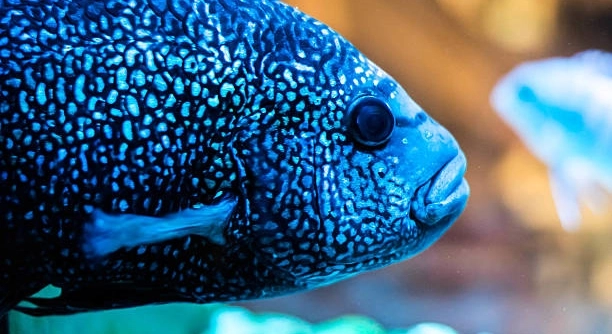
Jack Dempsey fish are striking freshwater cichlids known for their bold colors and active behavior. They are often kept in home aquariums, where their territorial instincts become evident, especially around open water areas. These fish are highly observant of their surroundings.
Jack Dempsey fish guard open water primarily due to their territorial nature. They monitor and defend areas from intruders, ensuring access to resources such as food and shelter. This behavior is an adaptive strategy rooted in survival and reproduction.
Observing these behaviors provides insight into their natural instincts and highlights the importance of understanding territorial patterns in aquarium management. It is fascinating to see their protective tendencies in action.
Territorial Behavior in Jack Dempsey Fish
Jack Dempsey fish display strong territorial behavior, often staking claim over open water areas in their tank. They patrol these regions regularly, ensuring no other fish encroach on their space. This behavior is most noticeable during feeding times or when they sense potential threats nearby. The fish use visual cues, body posture, and subtle movements to warn intruders, creating clear boundaries within the aquarium. Maintaining distinct territories helps reduce conflict among tank mates. These boundaries are crucial for their comfort and stress management, especially in smaller tanks where space is limited. Over time, owners may notice patterns, such as repeated paths or specific zones favored by each fish. Understanding these habits allows for better tank organization, placement of decorations, and feeding strategies. Observing territorial instincts gives a window into their natural behavior and helps maintain a peaceful aquarium environment. These instincts are deeply rooted and rarely change, even in captivity.
Territorial behavior is a natural instinct for Jack Dempsey fish, helping them survive, feed, and protect their chosen areas efficiently.
When Jack Dempsey fish guard their territory, it reflects both instinct and environmental adaptation. They respond to other fish by flaring their fins, opening their mouths, or swimming aggressively to establish dominance. These behaviors are not random but serve as communication tools within the tank. By marking open water, they reduce direct conflict and stress. Territorial defense also ensures access to resources, especially prime spots for food, hiding places, or potential breeding sites. Tank size, number of fish, and environmental complexity all influence how aggressively a Jack Dempsey defends its space. Observing their interactions provides insight into hierarchy formation, stress signals, and social dynamics. Creating a well-structured tank with adequate hiding spots, visual barriers, and proper spacing helps minimize aggressive encounters. Owners can manage territorial tendencies by monitoring introductions, maintaining balanced populations, and providing enrichment that satisfies the fish’s instinct to patrol and claim open water.
Environmental Factors Influencing Guarding
Tank size, layout, and décor significantly impact Jack Dempsey fish guarding behavior. A cramped tank often intensifies territorial instincts, while adequate space allows smoother coexistence among fish.
Environmental conditions shape territorial behaviors in Jack Dempsey fish. Temperature, water quality, and lighting affect activity levels, feeding, and defense patterns. Tanks with abundant hiding spaces, plants, and rocks give fish multiple zones to claim, reducing overall stress and aggression. In contrast, sparse tanks concentrate activity in limited areas, often triggering constant patrolling and skirmishes. Observing natural hiding and feeding preferences allows owners to design tanks that accommodate individual personalities, providing safe zones and escape routes. Additionally, environmental stability is crucial; sudden changes in water chemistry or temperature can provoke defensive reactions even in calm fish. Adjusting tank setups gradually helps maintain balance and reduces anxiety-driven guarding. Regular maintenance, including cleaning, water changes, and careful introduction of new fish, also supports peaceful coexistence. Understanding these environmental triggers enables owners to anticipate guarding tendencies and create conditions where Jack Dempsey fish can display natural instincts without excessive aggression, ensuring both their health and the overall harmony of the aquarium.
Feeding and Guarding Behavior
Jack Dempsey fish become especially protective during feeding times, defending open water areas to secure access to food. Their aggressive displays and chasing behaviors are most prominent when multiple fish compete for the same resources.
Feeding routines strongly influence territorial behavior. Jack Dempsey fish learn to associate certain areas of the tank with food, often patrolling these zones in advance. They may flare fins, swim rapidly, or nudge other fish to maintain dominance over feeding spots. This behavior is not just about food; it establishes social hierarchy and reinforces control over preferred areas. Owners can observe patterns, noting which fish consistently guard the feeding zone and how others respond. Proper distribution of food and maintaining multiple feeding points can reduce aggressive encounters. Understanding their feeding-driven guarding helps manage stress and keeps tank dynamics balanced.
Guarding behavior during feeding is reinforced over time. Jack Dempsey fish remember locations that reliably provide food and will patrol these areas daily. Their vigilance ensures minimal interference from tank mates, and this territorial consistency strengthens overall confidence and reduces unexpected aggression elsewhere.
Interaction with Tank Mates
Jack Dempsey fish establish clear boundaries with other species, often asserting dominance through displays and controlled aggression to protect open water areas.
Interactions with tank mates vary depending on size, species, and temperament. Jack Dempsey fish may tolerate smaller, non-aggressive fish but often chase or corner similarly sized fish to maintain territory. Social hierarchy forms quickly, with dominant individuals controlling prime areas. Stress signals, such as rapid darting or hiding, indicate tension among tank mates. Owners can manage these interactions by providing visual barriers, separate zones, or hiding spaces, minimizing constant confrontation. Observation is key to understanding compatibility and predicting potential conflicts. By adjusting tank setup and monitoring behavior, aggressive encounters can be reduced, creating a more balanced environment. Properly introduced fish adapt more smoothly, while overcrowding or poor tank design exacerbates territorial guarding.
Breeding and Open Water Guarding
During breeding, Jack Dempsey fish become intensely protective of open water areas around their nest. Both males and females display heightened vigilance, ensuring eggs and fry remain safe from other fish.
Guarding behavior peaks during this period, with frequent chasing and fin flaring. The fish establish a clear perimeter, patrolling constantly.
Influence of Tank Size
Tank size directly affects territorial behavior. Larger tanks allow Jack Dempsey fish to claim personal space without frequent conflicts, while smaller tanks often intensify guarding and aggression, making careful planning essential for coexistence.
Signs of Stress from Over-Guarding
Over-guarding can stress Jack Dempsey fish, indicated by constant darting, loss of color, or hiding. Recognizing these signs helps maintain fish health and harmony.
Adjusting Environment to Reduce Aggression
Providing hiding spaces, visual barriers, and multiple zones for feeding or resting reduces territorial tension. Adjustments create a calmer, more balanced environment for Jack Dempsey fish.
FAQ
Why does my Jack Dempsey fish guard open water more aggressively than others?
Aggressive guarding often depends on the fish’s temperament, tank size, and the presence of other fish. Some individuals are naturally more territorial, and smaller tanks or limited hiding spaces can intensify this behavior. Older or more dominant fish may also patrol more frequently to reinforce their control.
Can Jack Dempsey fish guard territory without threatening other fish?
Yes, it is possible to reduce aggression while maintaining territorial behavior. Providing multiple hiding spots, visual barriers, and enough space allows the fish to patrol without constant confrontations. Feeding in multiple areas also minimizes competition. This helps them feel secure while coexisting peacefully.
Do Jack Dempsey fish guard territory even when alone?
Yes, they may still patrol open water as a natural instinct. Even without competitors, the behavior is part of their survival strategy, reinforcing boundaries in their environment. Alone or not, they often display regular swimming patterns that mimic guarding behaviors.
How can I tell if guarding is causing stress?
Stress signs include constant darting, loss of color, erratic swimming, and prolonged hiding. Fish may stop eating or appear lethargic. Observing these behaviors helps identify when territorial instincts are affecting well-being. Addressing environmental factors can reduce stress and aggression.
Does tank size affect guarding intensity?
Absolutely. Smaller tanks often increase aggression, while larger tanks allow Jack Dempsey fish to establish territories without frequent conflicts. Sufficient space gives them the ability to patrol open water and retreat when needed, which reduces stress for both the guardian and tank mates.
Can Jack Dempsey fish guard their territory over multiple areas?
Yes, they may establish several zones, especially in larger tanks with abundant structures. Each area may be patrolled according to perceived importance, such as feeding spots or resting areas. Dividing the tank visually and physically helps manage multiple territories efficiently.
Will other fish respect the territory of a Jack Dempsey?
Other fish may learn to avoid the primary territory if the Jack Dempsey is dominant. Less aggressive or smaller species usually stay clear, while similarly sized fish may challenge boundaries, especially if space or resources are limited. Understanding these dynamics helps maintain balance.
How does feeding influence guarding behavior?
Feeding is a key trigger for territorial defense. Jack Dempsey fish often patrol feeding zones before and after meals to secure access. Multiple feeding points can prevent repeated aggression, while predictable feeding routines reinforce natural behaviors without excessive competition.
Do Jack Dempsey fish guard territory year-round?
They do, though intensity varies. Breeding periods heighten vigilance, while environmental stability or lack of competitors may reduce aggressive patrolling. Guarding remains part of their natural instincts, but the degree of effort depends on external and internal factors.
What steps can I take to reduce over-guarding?
Providing visual barriers, separate zones, and multiple hiding spots is effective. Ensuring the tank is large enough and feeding areas are spread out also helps. Gradual introduction of new fish and careful monitoring prevents heightened aggression and stress, supporting a calmer environment.
Can guarding behavior indicate health issues?
Occasionally, excessive or sudden changes in territorial behavior may signal stress or illness. Observing patterns, appetite, and color changes helps distinguish natural guarding from health-related agitation. Timely adjustments to the environment or veterinary advice can prevent further complications.
Are all Jack Dempsey fish equally territorial?
No, individual personalities vary. Some are naturally calm and only patrol occasionally, while others remain vigilant constantly. Environmental factors, age, and tank composition influence how territorial each fish becomes, making observation essential for proper care.
Does breeding increase guarding permanently?
Breeding temporarily intensifies territorial behavior. Once fry are independent or eggs are no longer present, guarding typically reduces, though dominant individuals may maintain some level of vigilance in preferred zones. Monitoring behavior ensures balance among tank mates.
How do I balance multiple Jack Dempsey fish in one tank?
Ensure the tank is large with clear zones and hiding spots. Introduce fish gradually and monitor interactions. Providing separate feeding areas and visual barriers reduces conflicts while allowing natural territorial instincts to remain intact. Proper management prevents stress and maintains harmony.
Can decorations reduce guarding conflicts?
Yes, rocks, plants, and other structures create boundaries that help divide the tank visually and physically. These elements allow fish to patrol areas without constant interference, reducing stress and providing safe retreats for subordinate or smaller species.
Is guarding behavior similar in juvenile and adult Jack Dempsey fish?
Juveniles may exhibit less intense guarding, focusing more on shelter and feeding zones. Adults are more confident and assertive, patrolling larger areas and defending multiple zones. Tank design and environmental enrichment influence how both juveniles and adults display territorial behavior.
How long does it take for a Jack Dempsey to settle into a territory?
It varies by individual, tank size, and introduction method. Typically, fish begin establishing clear boundaries within days to weeks. Providing consistent feeding, stable water conditions, and visual barriers accelerates the process and reduces conflict.
Can environmental changes trigger new guarding behavior?
Yes, altering tank layout, adding new fish, or changing feeding locations may trigger increased patrols. Gradual adjustments help minimize stress, while sudden changes can lead to persistent aggression or repeated over-guarding incidents.
How do Jack Dempsey fish communicate during guarding?
They use body posture, fin flaring, and sudden movements to signal dominance and establish boundaries. Visual and subtle behavioral cues indicate control of territory without always resorting to physical aggression. Recognizing these signals helps in managing tank dynamics effectively.
What is the best way to observe guarding without causing stress?
Observe from a distance or behind natural barriers. Avoid tapping the tank or sudden movements. Recording patterns over time allows better understanding of their patrol habits, feeding zones, and interactions with other fish, helping maintain a calm environment.
Final Thoughts
Jack Dempsey fish are fascinating creatures, and their territorial instincts are a key part of their behavior. Guarding open water is not a sign of aggression for no reason; it is a natural way for them to feel secure, protect resources, and manage their environment. Observing their patterns over time helps you understand which areas they prefer, how they interact with other fish, and when they are most active. These behaviors can seem intense, especially in smaller tanks, but they are rooted in survival instincts that have evolved over generations. Recognizing that territorial behavior is normal can help you respond calmly and make adjustments that benefit both the fish and the overall tank environment.
Maintaining a well-structured aquarium is essential to support Jack Dempsey fish and reduce conflicts. Providing enough space, hiding spots, and visual boundaries allows fish to patrol without constant confrontation. Feeding practices also play a large role in shaping behavior; spreading food across multiple areas prevents competition and keeps stress levels lower. Environmental stability is equally important. Sudden changes in temperature, lighting, or water chemistry can trigger increased vigilance and over-guarding. By keeping a consistent schedule for feeding, water changes, and general tank maintenance, you give Jack Dempsey fish the confidence to maintain their territory naturally, without excessive aggression. Careful observation is key. Watching how they patrol, respond to other fish, and use hiding spots provides insight into what adjustments may be needed to keep the tank balanced and peaceful.
Understanding Jack Dempsey fish behavior goes beyond just managing aggression. It allows you to appreciate their intelligence, instincts, and the ways they adapt to their environment. Guarding open water is a part of their identity, and learning to work with it rather than against it makes aquarium care more rewarding. Each fish has its own personality, and even small differences in temperament can change how they establish and defend territories. With proper tank setup, monitoring, and patience, it is possible to create an environment where Jack Dempsey fish thrive while coexisting with other species. Their territorial behavior, when managed correctly, becomes a fascinating aspect of keeping these fish, highlighting both their natural instincts and the care required to maintain a harmonious aquarium.

Hello,
If you enjoy the content that we create, please consider saying a "Thank You!" by leaving a tip.
Every little bit helps us continue crafting quality advice that supports the health, happiness, and well-being of pets around the world, for pets of all shapes, sizes, and species.
We really appreciate the kindness and support that you show us!