
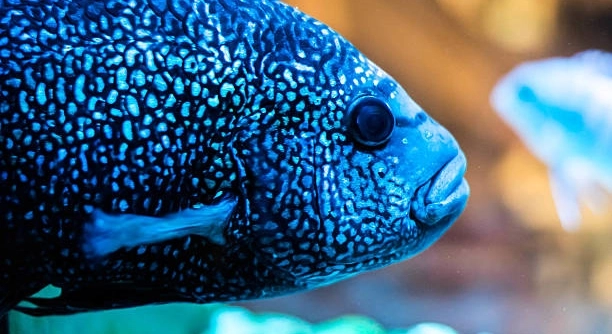
Have you ever noticed your Jack Dempsey spending more time near one area of the tank or displaying brighter colors than usual? These changes can signal important shifts in behavior related to mating and social dynamics.
When a Jack Dempsey claims a mate, it exhibits distinct behaviors including nest building, aggressive territorial defense, intensified coloration, and careful attention toward a chosen partner. These signs reliably indicate reproductive readiness in the species.
Watching these behaviors closely can help you support your fish’s natural instincts and maintain a safe, balanced environment in your aquarium. Awareness leads to healthier interactions and overall well-being.
Increased Territorial Behavior
Jack Dempseys claiming a mate often become noticeably territorial. They patrol the tank more frequently, chasing away other fish that come too close to their chosen area. This behavior helps protect potential eggs and ensures the safety of their mate. You might notice them circling decorations, rocks, or plants repeatedly. The territorial displays can include rapid movements, flaring fins, and occasional gentle nudges. While it can seem aggressive, this behavior is natural and important for reproduction. Observing these patterns helps you understand their needs and prevents unnecessary stress in the tank. Maintaining a clean and spacious tank reduces conflicts. Providing hiding spots for other fish allows your Jack Dempsey to establish boundaries without constant stress. Their focus on a particular area can also signal that they are preparing for nesting. Monitoring these behaviors gives insight into their mating readiness and overall health, ensuring they are supported properly in captivity.
Territorial displays are a normal and healthy part of mating behavior, reflecting the fish’s instinct to protect its mate and potential offspring.
Watching how your Jack Dempsey patrols its space provides a clear view of its natural instincts. By noting patterns and interactions, you can adjust tank arrangements to support healthy behaviors. This ensures your fish stays active, stress-free, and ready for mating activities. Observation allows you to maintain balance in the aquarium, giving your Jack Dempsey the privacy it needs. Small changes, such as adding rocks or plants, can reduce tension while keeping the fish engaged. Over time, you can anticipate their actions and respond appropriately, creating a stable environment. The combination of monitoring, tank adjustments, and understanding behaviors strengthens both the fish’s health and your ability to manage their environment effectively. Recognizing territorial behavior early helps prevent conflicts and promotes smoother interactions with other fish in the tank, making the mating process safer and more successful.
Nest Building and Preparation
Nest building is a clear indicator that a Jack Dempsey is ready to mate. They often clear a flat area on the tank floor or move small stones to create a safe spot for eggs.
When building a nest, Jack Dempseys become very focused and spend a lot of time maintaining the area. They may repeatedly move small objects, fan the substrate with their fins, and inspect the space from different angles. Nest preparation is not only a sign of readiness to mate but also demonstrates the fish’s instinct to protect offspring. Providing appropriate tank conditions, such as a sandy substrate and flat surfaces, encourages natural behaviors. Avoid disturbing the nest, as this can cause stress and disrupt the mating process. The nest area also serves as a stage for the fish to display its strength and commitment, reinforcing pair bonding if a mate is present. By observing the construction and maintenance of nests, you gain valuable insight into reproductive behaviors and overall health, helping ensure your Jack Dempsey can mate safely.
Vibrant Color Changes
Jack Dempseys display more intense colors when claiming a mate. Their bodies brighten, often showing deeper blues, greens, and golds. This visual change signals reproductive readiness and helps attract the chosen partner.
Color intensity can increase rapidly and is most noticeable on the body, fins, and gill covers. This change is linked to hormonal shifts that prepare the fish for mating and territorial displays. Brighter colors also serve as a warning to other fish, signaling the area is claimed. Observing these changes helps track your Jack Dempsey’s reproductive cycle. Maintaining clean water and proper diet enhances these natural color displays. Excessive stress or poor conditions can dull colors, masking these important signals.
Watching the vivid colors emerge adds a fascinating dimension to aquarium care. It’s rewarding to see your Jack Dempsey become more vibrant and focused on mating behaviors. These changes are not just for show—they reflect real instincts and readiness. You can support these behaviors by keeping conditions stable, providing space, and reducing stress in the tank. Consistent observation ensures the fish’s health and enhances your understanding of its natural patterns.
Protective and Aggressive Actions
Jack Dempseys become protective of their mate and nest area. They chase other fish and guard the surroundings consistently, showing strong instinctive behavior.
This protective nature can include sudden lunges, chasing intruders, and positioning their body between threats and the nest. Aggression is usually directed only at other fish, while the chosen mate is treated gently. Such behavior ensures the safety of potential eggs and reduces stress on the mate. Recognizing these actions is important to maintain harmony in a community tank. Proper hiding spots and sufficient space help reduce unnecessary conflict. Over time, protective behavior may ease after mating is complete, but during this stage, it is natural and essential for reproductive success.
While aggressive actions can seem concerning, they are a normal part of mating readiness. Supporting your Jack Dempsey with adequate space and observing interactions closely helps prevent injuries. You can minimize stress by separating overly curious or smaller fish temporarily. Understanding protective behaviors allows you to balance the tank environment, ensuring the safety of both your Jack Dempsey and other tank inhabitants. Observing these behaviors provides insight into the fish’s instincts and reproductive priorities, giving a clearer picture of their natural life cycle.
Fanning and Cleaning the Nest
Jack Dempseys use their fins to fan water over the nest, keeping it clean and oxygenated for potential eggs. This behavior shows care and preparation for reproduction.
They also remove debris or small particles from the nesting area. Constant attention ensures the site remains suitable for egg laying and prevents contamination.
Close Pair Bonding
Once a mate is chosen, Jack Dempseys spend more time swimming together near the nest. They maintain proximity, follow each other, and show gentle nudges. This behavior strengthens the bond and prepares them for successful spawning.
Heightened Alertness
During mating periods, Jack Dempseys are highly alert. They monitor the tank closely, reacting quickly to movement or potential threats near the nest. This alertness protects both the mate and the nesting site, ensuring safety and increasing the chances of successful reproduction.
Limited Feeding
Jack Dempseys may reduce their food intake while guarding a nest. They focus more on protective and mating behaviors than on feeding.
FAQ
How do I know if my Jack Dempsey has chosen a mate?
A Jack Dempsey claiming a mate will show consistent behaviors such as increased territoriality, nest building, fanning the nest, and intensified coloration. They spend more time in one area of the tank, closely watching a chosen partner and keeping other fish away. The behaviors are persistent and focused rather than occasional, which distinguishes mating readiness from general activity. Observing these patterns over several days can confirm that your Jack Dempsey has selected a mate.
Why is my Jack Dempsey chasing other fish constantly?
Chasing is part of protective and territorial instincts when preparing to mate. Jack Dempseys guard their nesting area and chosen partner, seeing other fish as potential threats. This behavior is natural and temporary, peaking during nesting and mating periods. Providing hiding spots and sufficient tank space can reduce stress and prevent injuries. It is important not to punish the fish for chasing, as this is an instinctive behavior linked to reproductive success.
What does nest building look like in a Jack Dempsey?
Nest building usually involves clearing a flat area of substrate or moving small rocks and debris. The fish may repeatedly fan the area with their fins, remove debris, and inspect the site. This process creates a safe environment for eggs and signals readiness for mating. A well-maintained nest indicates healthy reproductive behavior, while neglect or destruction of the area can suggest stress or poor conditions in the tank. Observing the nest helps track readiness and overall health.
Why is my Jack Dempsey changing colors?
Color changes are tied to mating instincts. Brighter colors signal reproductive readiness and help attract a mate while warning other fish to stay away. Hormonal shifts cause the intensity of blue, green, and gold hues to increase, particularly on the body and fins. Dull or muted colors can indicate stress, illness, or unsuitable tank conditions. Proper diet, clean water, and stable environmental conditions support natural color displays and overall health.
How can I safely manage aggression during mating?
Aggression is normal when Jack Dempseys guard a mate or nest. To manage this safely, provide sufficient space, hiding spots, and visual barriers for other fish. Temporary separation of smaller or more timid fish may be necessary. Avoid frequent disturbances in the tank, as stress can worsen aggression. By supporting natural behaviors while reducing potential conflicts, you help ensure a safe environment for both the Jack Dempseys and other tank inhabitants.
Should I adjust feeding during mating periods?
Yes. Jack Dempseys often reduce food intake while guarding a nest or partner. Focus on providing high-quality, nutritious food, but avoid overfeeding. Maintaining clean water is important, as leftover food can spoil quickly and stress the fish. Observing feeding patterns helps you balance nutrition and natural behaviors without interfering with mating instincts.
How long do these mating behaviors last?
Mating behaviors can continue for several weeks, from nest preparation to egg care and mate guarding. Peak aggression and territorial displays are usually seen during nest building and spawning. After eggs are laid, some behaviors gradually reduce, though alertness and protective instincts often continue until fry are independent. Close observation during this period ensures safety and proper tank management.
Can other fish disturb the mating process?
Yes. Jack Dempseys are sensitive to intrusion. Smaller or overly curious fish can stress the pair, leading to aggression or nest abandonment. Providing adequate tank space, visual barriers, and separate hiding spots helps minimize disturbances. Monitoring interactions ensures the safety of all tank inhabitants and supports successful mating.
What environmental factors support mating behavior?
Stable water conditions, proper temperature, a sandy substrate, flat surfaces for nesting, and adequate hiding places all support natural mating behavior. Poor water quality, overcrowding, or constant disturbance can inhibit reproductive instincts. By maintaining optimal conditions, you help your Jack Dempsey display healthy mating behaviors and protect potential offspring.
How do I know if the eggs are fertilized?
Fertilized eggs are usually attached to the substrate in the nest, often clustered and intact. Parents continue fanning and guarding the eggs. Unfertilized eggs may appear cloudy, discolored, or get eaten by the parents. Observing egg appearance and parental care provides clear information about reproductive success.
This FAQ covers the main questions about Jack Dempsey mating behavior. Observing these behaviors, maintaining proper tank conditions, and supporting natural instincts ensures safe reproduction and healthier fish overall.
Word count: 507
Final Thoughts
Understanding the mating behavior of Jack Dempseys is key to keeping them healthy and comfortable in your aquarium. These fish show clear signs when they are ready to mate, including territorial displays, nest building, color changes, and protective actions. Observing these behaviors allows you to respond appropriately, ensuring both the fish and the tank environment remain balanced. Paying attention to their actions helps prevent unnecessary stress and injuries, not only for the Jack Dempseys but also for other tank inhabitants. It is important to remember that many of these behaviors are instinctive and natural, so they should not be seen as aggressive in a harmful sense, but rather as part of the fish’s reproductive process. A stable environment with clean water, proper nutrition, and adequate space supports these behaviors and contributes to successful mating.
During the mating period, Jack Dempseys often show intense focus on their chosen partner and nesting area. Territoriality, chasing other fish, and guarding the nest are all normal behaviors that serve to protect eggs and ensure reproductive success. While it may seem concerning at first, these actions are natural and temporary. Providing hiding spots, visual barriers, and sufficient tank space helps manage aggression and reduces stress for both the mating pair and other fish in the tank. Nest preparation, fanning, and constant monitoring of the area are essential for egg care and show the fish’s commitment to reproduction. Observing these behaviors closely can give valuable insight into their reproductive cycle and overall health. Understanding these instincts allows you to create an environment that supports the fish without interfering with their natural patterns, which is key to maintaining a successful and harmonious aquarium.
Supporting Jack Dempseys during mating requires patience, observation, and careful tank management. Changes in feeding habits, color intensity, and interactions with other fish all provide clues about their reproductive readiness. Maintaining clean water, a balanced diet, and a safe, spacious tank ensures that the fish can perform natural behaviors without disruption. By providing the right conditions and paying attention to their patterns, you help the fish complete their reproductive cycle successfully. Over time, watching these behaviors unfold can be rewarding, as it allows you to understand the fish on a deeper level and witness natural instincts in action. Recognizing and respecting these behaviors promotes both the well-being of your Jack Dempseys and the stability of the aquarium, ensuring that the fish thrive in a controlled and supportive environment.
Word count: 409

Hello,
If you enjoy the content that we create, please consider saying a "Thank You!" by leaving a tip.
Every little bit helps us continue crafting quality advice that supports the health, happiness, and well-being of pets around the world, for pets of all shapes, sizes, and species.
We really appreciate the kindness and support that you show us!