
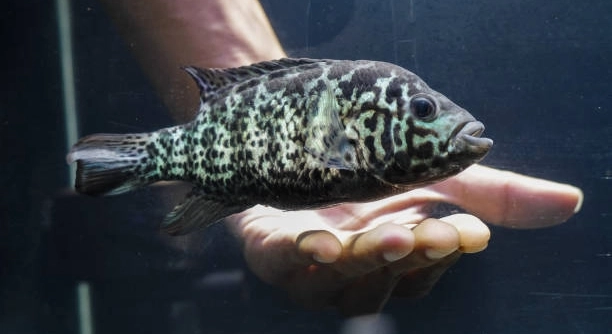
Have you ever noticed your Dempsey acting restless because of other fish in the tank? These cichlids can be sensitive to tankmates that crowd, chase, or compete for food, making daily care more stressful.
The best way to make tankmates less annoying to Dempseys is by selecting compatible species, creating sufficient hiding spaces, maintaining proper tank dimensions, and regularly observing fish behavior. These measures minimize aggression and help maintain a stable and healthy aquarium environment.
Applying these steps can lead to calmer interactions and a more balanced tank. Small changes in setup and monitoring can greatly improve daily life for all fish.
Choose Compatible Tankmates
Selecting fish that can coexist peacefully with Dempseys is essential. Avoid overly aggressive or tiny species that may provoke stress or be targeted. Medium to large-sized, non-territorial fish are usually safer options. Consider fish with similar water requirements, such as temperature and pH, to reduce environmental stress. Compatibility reduces constant chasing, nipping, and hiding, allowing Dempseys to display natural behavior without interference. Observing potential tankmates before introducing them can prevent long-term problems. Introductions should be gradual, using separate compartments if necessary, to allow all fish to adjust. Proper selection reduces aggression and creates a more balanced, calm aquarium. Paying attention to size differences is important, as a significant mismatch can lead to bullying or injury. Even with careful planning, occasional disputes may occur, but they are easier to manage when the tank is thoughtfully arranged. Choosing compatible species is the first step toward a stable and enjoyable tank environment for Dempseys.
Careful tankmate selection prevents ongoing stress and helps maintain peace. Observing behavior before and after introduction ensures long-term stability.
Creating a tank where Dempseys thrive means considering personality, size, and temperament of other fish. Avoid overcrowding and provide visual barriers, plants, or caves for retreats. This reduces confrontations and allows fish to establish territories naturally. Introducing tankmates slowly gives Dempseys time to adjust without feeling threatened, while still allowing them to explore freely. Attention to water parameters and feeding routines ensures all species remain healthy. Even minor adjustments, like rearranging decorations or adding plants, can reduce tension. Understanding fish behavior, like chasing or dominance displays, helps anticipate conflicts before they escalate. Overall, compatibility planning combined with thoughtful tank design promotes calmer interactions, healthier Dempseys, and a more balanced aquarium environment.
Provide Plenty of Hiding Spots
Hiding spaces reduce stress by giving Dempseys and other fish places to retreat when they feel threatened. Rocks, caves, and dense plants are effective options.
Offering various hiding spots allows Dempseys to establish safe zones and reduces constant chasing. It supports natural behaviors and lowers aggression.
Hiding areas break sight lines, which decreases territorial disputes. They give fish time to rest and recover, especially after brief skirmishes. Varying the size and location of these spaces allows multiple fish to use them simultaneously. Materials should be safe for aquarium use and arranged to prevent collapses or injuries. By strategically placing caves, driftwood, and plants, you create a more dynamic environment that feels natural. Fish can explore freely while maintaining their comfort zones. Hiding spots also enhance visual appeal, making the tank look lively without compromising safety. Consistently monitoring fish usage of these spaces helps identify stress points and improve layout. Thoughtful placement ensures calmer interactions and a more peaceful tank for Dempseys and their tankmates.
Maintain Proper Tank Size
A spacious tank reduces stress and limits aggressive encounters. Dempseys need enough room to swim freely without constantly bumping into other fish.
Providing sufficient swimming space allows Dempseys to establish territories without feeling crowded. Overcrowding increases tension, which can lead to nipping or chasing. A tank that is too small forces fish into repeated confrontations, causing chronic stress and potential injury. Larger tanks give fish the ability to explore, retreat, and interact more naturally. Minimum tank size should be considered based on adult Dempsey size and the number of tankmates. Incorporating height, depth, and width variations also helps distribute fish evenly, minimizing competition for prime spots. Proper water circulation and filtration complement tank size, ensuring stable conditions. Overall, giving fish adequate space supports calmer behavior, healthier development, and a more enjoyable aquarium environment.
Adjusting tank dimensions for both length and width allows Dempseys and tankmates to coexist more peacefully. Providing distinct zones reduces stress and encourages natural interactions, improving overall tank dynamics.
Monitor Feeding Times
Consistent feeding routines reduce aggression around food. Dempseys and their tankmates respond better when meals are predictable and evenly distributed.
Unequal food distribution often causes competition, with Dempseys chasing or dominating smaller fish. Spreading food across multiple areas allows all fish to eat comfortably, minimizing stress. Feeding at the same times each day creates stability, so fish know when to expect meals. Varying diet types, such as pellets, flakes, or frozen foods, ensures all species receive proper nutrition. Observing eating behavior helps identify if certain fish are being bullied or left hungry. Adjusting the number of feeding spots and monitoring for leftover food prevents water quality issues. Maintaining calm feeding routines improves overall harmony and reduces conflicts in the tank.
Meal management also involves controlling portion sizes and preventing overfeeding. Overcrowding around food or rapid feeding can escalate aggression. By monitoring consumption, you ensure Dempseys remain healthy and that all tankmates get proper nutrition. Consistent observation allows for timely intervention if one fish becomes overly dominant. Minor adjustments, like staggering feeding times or using feeding rings, can help reduce stress. Incorporating a mix of slow-sinking and floating foods accommodates different species’ feeding habits. Over time, disciplined feeding routines strengthen tank stability and encourage more balanced social interactions. Well-planned feeding practices contribute to calmer, healthier, and more predictable aquarium behavior for every fish.
Rearrange Decorations Regularly
Changing the layout prevents Dempseys from becoming overly territorial. New arrangements create fresh boundaries and reduce repeated confrontations.
Moving rocks, plants, and caves occasionally breaks established dominance zones. This encourages exploration and lowers tension among all fish in the tank.
Avoid Overcrowding
Overcrowding increases stress and leads to more aggressive behavior. Each fish needs enough space to swim and hide comfortably.
Use Calm, Non-Aggressive Tankmates
Pairing Dempseys with peaceful, medium-sized fish reduces conflicts. Aggressive species provoke stress and constant chasing, while calmer fish coexist more harmoniously.
Maintain Stable Water Conditions
Sudden changes in temperature, pH, or hardness can irritate Dempseys and tankmates alike. Consistent water parameters support healthier behavior and minimize aggression.
FAQ
What are the most common reasons Dempseys get annoyed by tankmates?
Dempseys often become irritated when tankmates crowd their space, chase them, or compete aggressively for food. Overcrowding, incompatible species, and lack of hiding spots are frequent triggers. Even small behaviors, like darting near a Dempsey’s territory, can create stress over time. Maintaining proper tank size, compatible fish selection, and structured feeding routines significantly reduces these conflicts.
How can I tell if my Dempsey is stressed by other fish?
Signs include hiding more often, refusing food, displaying rapid gill movements, or chasing less aggressively than usual. You may also notice frayed fins or unusual coloration. These behaviors indicate that tankmates are causing tension. Adjusting the tank layout, providing hiding spots, and monitoring interactions can help reduce stress.
Which fish are best to keep with Dempseys?
Medium to large, non-aggressive species are usually safest. Examples include larger tetras, certain catfish, and peaceful cichlids that won’t provoke the Dempsey. Avoid very small fish or highly territorial species, as they can trigger stress or be targeted by Dempseys. Always consider adult size, temperament, and water requirements when choosing companions.
How many hiding spots should I provide?
The more hiding spaces, the better. Caves, plants, and driftwood should be spread throughout the tank to allow multiple fish to retreat simultaneously. This reduces direct confrontations, provides security, and allows Dempseys to explore without constant interference. Rotate or rearrange these spaces occasionally to keep territories flexible.
How do feeding routines affect Dempsey behavior?
Inconsistent or limited feeding often causes aggression and chasing. Spreading food across multiple areas and feeding at predictable times prevents competition. Varying diet types, including pellets, flakes, and frozen foods, ensures all fish receive nutrition. Monitoring who eats first and adjusting portions helps prevent dominance issues.
Can tank size really impact Dempsey stress?
Yes. Small tanks force repeated encounters, increasing tension and aggression. Larger tanks give fish room to swim, retreat, and establish territories without constant conflict. Consider tank dimensions relative to adult Dempsey size and total tank population for a more peaceful environment.
What water conditions help reduce aggression?
Stable water parameters are crucial. Sudden changes in temperature, pH, or hardness can irritate Dempseys, making them more aggressive. Regular monitoring and gradual adjustments help maintain calm behavior. Clean water with proper filtration also prevents stress-induced disputes among tankmates.
Should I separate Dempseys if aggression persists?
If conflicts continue despite adjustments, temporarily separating Dempseys or aggressive tankmates can prevent injury. Using dividers or quarantining new fish until they acclimate reduces stress. Observation during reintroduction ensures safer coexistence.
How often should I monitor fish interactions?
Daily observation is ideal, especially after introducing new tankmates or rearranging the tank. Early detection of aggression or stress allows for quick interventions, such as adding hiding spots or adjusting feeding routines. Consistent monitoring supports a balanced and healthy aquarium.
Are there environmental tricks to calm Dempseys?
Yes. Soft lighting, plants, and visual barriers reduce constant exposure to tankmates, helping Dempseys feel secure. Driftwood, rocks, and caves create natural territories. Occasional rearrangement keeps fish from becoming overly territorial. Maintaining calm water flow and minimizing sudden disturbances also supports peaceful behavior.
How long does it take for Dempseys to adjust to new tankmates?
Adjustment can take several days to a few weeks. Introducing fish gradually, providing hiding spaces, and keeping a consistent feeding schedule speeds up adaptation. Monitoring interactions during this period helps identify stress points and ensures a smoother transition.
Can diet changes influence aggression?
Yes. A balanced diet keeps Dempseys healthy and reduces irritability. Underfed or overfed fish may become more aggressive around food. Including protein-rich options and ensuring all fish have access to meals prevents competition and promotes calmer interactions.
What should I do if a tankmate is constantly bullied?
If a fish is repeatedly chased, increase hiding spots, spread out feeding areas, or separate the fish temporarily. Reintroducing the tankmate slowly allows both species to coexist with less stress. Monitoring behavior closely ensures no long-term harm occurs.
Are some Dempseys naturally more aggressive than others?
Yes. Individual temperament varies. Some Dempseys tolerate tankmates well, while others are more territorial. Understanding your fish’s personality helps in planning tankmates, spacing, and feeding routines to reduce conflicts and maintain a stable environment.
How often should I rearrange the tank?
Rearranging decorations every few weeks can help prevent territorial disputes. Changing caves, plants, and hiding spots encourages exploration and keeps fish from becoming overly dominant in one area, reducing tension between Dempseys and their companions.
Can using slow-moving tankmates help?
Yes. Slow-moving or less active fish reduce chasing incidents. Fast or hyperactive species can provoke stress. Combining calm fish with Dempseys encourages a peaceful environment, allowing everyone to coexist with fewer confrontations.
What is the best overall strategy to keep Dempseys calm?
A combination of compatible tankmates, adequate hiding spots, proper tank size, stable water conditions, structured feeding, and regular observation ensures Dempseys remain relaxed. Gradual introductions and environmental adjustments help maintain harmony, creating a calmer, healthier aquarium.
This FAQ addresses common concerns and practical solutions to reduce Dempsey stress and ensure a balanced, peaceful tank environment. Consistency and observation are key to long-term success.
Keeping Dempseys in a community tank can be rewarding, but it requires careful planning and attention to detail. These cichlids are naturally territorial and can become stressed or aggressive if their environment is not properly managed. Choosing compatible tankmates is one of the most important steps. Fish that are peaceful, medium to large in size, and have similar water requirements tend to coexist more successfully with Dempseys. Avoiding small, hyperactive, or highly aggressive species prevents constant chasing or bullying. Observing behavior before and after introducing new fish can help identify potential issues early, giving you a chance to make adjustments before conflicts escalate. Proper introductions, along with gradual acclimation, give all fish time to adapt to their surroundings.
Providing enough space and hiding spots is equally important. Overcrowding forces Dempseys and their tankmates into repeated confrontations, which increases stress and can result in injuries. A well-planned tank layout with caves, driftwood, and dense plants gives fish areas to retreat and establish their own territories. Rearranging decorations occasionally also helps prevent long-term dominance issues and encourages natural exploration. Proper feeding routines reduce aggression, as Dempseys can become territorial around food. Feeding at predictable times, spreading food across multiple areas, and using a balanced diet ensures all fish get adequate nutrition while minimizing competition. Maintaining stable water conditions is another critical factor, as sudden changes in temperature, pH, or hardness can trigger irritability and aggressive behavior.
Observation and consistent care are key to maintaining a calm aquarium. Daily monitoring allows you to notice early signs of stress or tension, so you can respond with small adjustments to tank setup, feeding, or water parameters. Sometimes, even with careful planning, minor disputes may occur, but a calm, structured environment helps keep these incidents brief and manageable. Over time, following these steps creates a more harmonious tank where Dempseys can thrive alongside their companions. While every fish has its personality and some level of territorial behavior is natural, applying these practices ensures your aquarium remains a balanced, healthier, and more enjoyable space for all species. With patience and attention, Dempseys and their tankmates can coexist peacefully, reducing stress and allowing their natural behaviors to flourish.

Hello,
If you enjoy the content that we create, please consider saying a "Thank You!" by leaving a tip.
Every little bit helps us continue crafting quality advice that supports the health, happiness, and well-being of pets around the world, for pets of all shapes, sizes, and species.
We really appreciate the kindness and support that you show us!