
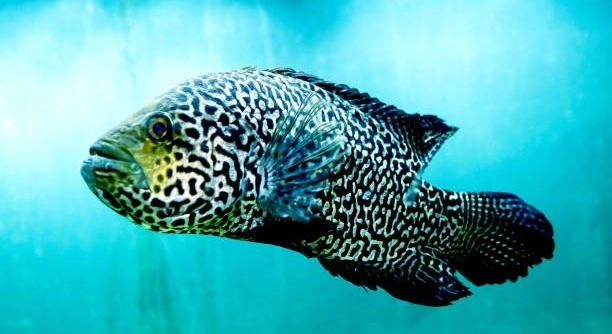
Breeding Jack Dempsey fish indoors can be both exciting and challenging. These colorful cichlids require careful attention to water quality, temperature, and diet, making indoor breeding a task that demands patience and consistent care.
Successfully breeding Jack Dempsey fish indoors involves managing water conditions, tank setup, nutrition, and behavior. Ensuring optimal temperature, pH balance, and proper feeding routines is critical, as any imbalance can prevent spawning or lead to stress and mortality.
Understanding these challenges will help you create a healthier environment and increase your chances of successful breeding outcomes. Careful planning and attention make all the difference in maintaining thriving fish indoors.
Maintaining Stable Water Conditions
Jack Dempsey fish are very sensitive to changes in water quality. Sudden shifts in temperature or pH can stress them, causing illness or preventing breeding. It’s important to monitor ammonia, nitrite, and nitrate levels regularly, keeping them within safe ranges. Using a reliable water testing kit makes this task easier. Temperature should remain steady around 78–82°F, as fluctuations can disrupt spawning behavior. Filtration is essential to maintain cleanliness, but strong currents should be avoided because these fish prefer calmer waters. Water changes are necessary to keep toxins low, but they should be done gradually to avoid shocking the fish. Consistency in water parameters supports healthier fish and increases the likelihood of successful breeding. Even small mistakes can have a big impact, so it is better to plan carefully and maintain a routine. Over time, monitoring and adjusting water conditions becomes easier and helps the fish feel secure in their environment.
Regular water checks and gradual adjustments keep fish healthy and calm, which improves breeding success and overall tank stability.
Creating a stable aquatic environment starts with proper filtration, heating, and regular testing. It’s helpful to use a thermometer and digital pH meter for precise readings. Avoid overcrowding, as too many fish can raise stress levels and affect water quality. When performing water changes, replace only 20–30 percent at a time to prevent sudden swings. Observing fish behavior can indicate if water conditions are ideal; healthy fish swim actively and show interest in food. By carefully controlling these variables, you reduce stress, encourage natural behavior, and improve spawning chances. Over time, this stability allows you to focus on other aspects of breeding, like pairing compatible fish and providing the right nesting spaces. Consistency in water maintenance is key to keeping Jack Dempsey fish thriving indoors.
Selecting Compatible Breeding Pairs
Choosing compatible Jack Dempsey pairs is essential for successful breeding. Fish that are aggressive or stressed may refuse to spawn or harm each other.
Proper pairing starts with observing behavior. Look for fish that show interest in each other without excessive aggression. Introduce them slowly in a neutral tank to prevent territorial disputes. Size matters too; ideally, males should be slightly larger than females. Healthy, well-fed fish have better chances of successful mating. Once a pair is established, provide hiding spots and flat surfaces for egg laying. Keep the tank quiet and avoid sudden disturbances, as stress can interrupt spawning. Sometimes, a pair may not bond immediately and might need more time together. Monitoring their interactions carefully helps you make adjustments, such as separating overly aggressive individuals or changing tank layout. A compatible pair reduces stress and increases the likelihood of fertilized eggs and healthy fry, making the breeding process smoother. By focusing on behavior, health, and environment, you can support natural breeding habits and improve overall outcomes.
Providing Proper Nutrition
Jack Dempsey fish need a balanced diet to stay healthy and ready for breeding. Feeding high-quality pellets, live foods, and occasional vegetables supports growth and energy, which is essential for spawning.
A diet rich in protein helps stimulate reproductive behavior. Live foods such as brine shrimp, bloodworms, and small insects provide essential nutrients and encourage natural hunting instincts. Supplementing with pellets ensures consistency in feeding and covers basic dietary needs. Occasional vegetables, like blanched spinach or peas, contribute fiber and support digestion. Feeding small portions multiple times a day prevents overfeeding and keeps water quality stable. Proper nutrition strengthens immunity and increases egg production, giving the fish a better chance at successful breeding.
Consistency in feeding routines is important. Irregular feeding or low-quality food can reduce energy levels, stress the fish, and hinder spawning. By maintaining a steady, nutritious diet, you support both adult fish health and the development of fry, making the breeding process more manageable.
Managing Tank Environment
Jack Dempsey fish require specific tank setups to breed successfully. Providing hiding spaces, proper substrate, and stable lighting encourages natural behavior and reduces aggression.
Caves, rocks, and flat surfaces serve as breeding sites and help reduce territorial disputes. Soft sand or fine gravel substrate protects eggs and allows fish to dig nests. Proper tank size is crucial; a 55-gallon tank or larger gives enough room for a pair to establish territories without constant conflict. Lighting should mimic natural day and night cycles to regulate activity and spawning behavior. Avoid sudden changes in lighting or decoration, as this can stress the fish. Regular cleaning and careful monitoring prevent harmful bacteria or algae buildup that may impact eggs and fry survival. By managing these environmental factors, you create a comfortable space that supports reproductive behavior and overall well-being.
Controlling Aggression
Jack Dempsey fish can become very aggressive during breeding. Separating overly hostile individuals helps prevent injury and stress.
Providing enough space and hiding spots reduces fights. Monitoring behavior closely allows timely intervention, ensuring both fish remain healthy and capable of spawning.
Monitoring Egg and Fry Development
Eggs should be checked regularly for signs of fungus or predation. Healthy eggs appear clear or slightly yellow, while fungus appears as white cottony patches. Removing affected eggs promptly prevents spread. Fry should be watched for proper development, feeding response, and growth. Maintaining clean water and proper nutrition supports survival.
Preventing Disease Outbreaks
Disease can quickly destroy a breeding attempt. Quarantining new fish, maintaining water quality, and observing behavior helps reduce risk.
Adjusting Water Temperature
Water temperature affects spawning readiness. Slight increases within the recommended range can encourage breeding behavior, while sudden changes may stress the fish and halt spawning.
FAQ
How often should I change the water when breeding Jack Dempsey fish?
Regular water changes are essential to maintain a healthy environment. Replace about 20–30 percent of the tank water weekly. Doing it gradually prevents sudden shifts in temperature or pH that could stress the fish. Consistency keeps ammonia, nitrite, and nitrate levels low.
What is the best tank size for breeding Jack Dempsey fish?
A 55-gallon tank or larger is ideal for a breeding pair. Larger tanks reduce aggression, provide enough territory, and allow space for hiding spots, flat surfaces for egg-laying, and proper swimming areas. Overcrowding increases stress and decreases spawning chances.
Can I breed Jack Dempsey fish with other cichlids?
It’s not recommended. Different cichlid species may fight aggressively or hybridize, creating weaker offspring. Breeding with the same species ensures better compatibility, healthier eggs, and fry with predictable traits.
How do I know if my pair is ready to breed?
Mature fish show courtship behavior, including cleaning flat surfaces and displaying vibrant colors. Males become territorial, and females may dig small pits in the substrate. Observing these behaviors helps identify readiness without disturbing them.
What foods are best for breeding Jack Dempsey fish?
High-protein foods like live brine shrimp, bloodworms, and quality pellets are ideal. These foods provide energy for spawning and egg development. Occasional vegetables such as blanched spinach or peas support digestion. Feeding small amounts multiple times a day encourages activity and health.
How can I prevent aggression between the pair?
Provide hiding spots, caves, and enough space to reduce fights. Monitor interactions closely, and separate overly aggressive individuals if necessary. Calm and stable environments help the pair focus on spawning rather than defending territory.
How long does it take for eggs to hatch?
Jack Dempsey eggs usually hatch within 3–5 days, depending on water temperature. Fry remain near the nest under parental protection for several days before becoming free-swimming. Maintaining clean water and monitoring conditions ensures high survival rates.
Should I remove the parents after hatching?
It depends on the pair’s behavior. Many Jack Dempsey parents care for their fry, protecting them from fungus and predators. However, if the parents show excessive aggression or eat the eggs, removing them temporarily may increase fry survival.
How do I feed the fry?
Start with infusoria or liquid fry food for newly hatched fry. After a few days, introduce freshly hatched brine shrimp or finely crushed high-quality flakes. Feeding small amounts multiple times a day encourages healthy growth and reduces water contamination.
What water parameters are ideal for breeding?
Maintain a temperature of 78–82°F and a pH of 6.5–7.5. Stable water hardness and low levels of ammonia and nitrite are critical. Regular testing and gradual adjustments help avoid stress that could prevent spawning.
Can Jack Dempsey fish breed more than once a year?
Yes, with proper care, nutrition, and stable tank conditions, they can spawn multiple times. Allowing rest periods between breeding cycles helps maintain fish health and egg quality.
How can I identify unhealthy eggs?
Fungus appears as white cotton-like patches, while infertile eggs turn opaque or gray. Remove affected eggs promptly to prevent spreading and protect healthy eggs. Maintaining clean water reduces fungus growth.
What should I do if fry are not growing well?
Check water quality, feeding routines, and possible disease. Adjust temperature slightly, provide proper nutrition, and remove leftover food. Healthy fry need consistent care to develop strong immune systems and reach maturity safely.
How important is tank décor for breeding?
Caves, flat rocks, and soft substrate encourage natural behavior and egg-laying. Proper décor reduces stress, limits aggression, and provides secure hiding spots for both parents and fry, improving overall survival rates.
How do I know when fry are ready to be separated?
Fry become free-swimming and independent after about 2–3 weeks. At this stage, they can be moved to a grow-out tank if needed. Separation prevents overcrowding, ensures proper feeding, and reduces parental aggression.
Can I use tap water for breeding tanks?
Tap water is acceptable if treated to remove chlorine and chloramines. Using a water conditioner and testing pH and hardness ensures a safe environment. Untreated tap water can stress fish and harm eggs or fry.
Is it necessary to use live foods only?
Live foods are highly beneficial for stimulating breeding behavior, but high-quality frozen or prepared foods can also support nutrition. A varied diet ensures balanced growth and energy for both adults and fry.
How long do Jack Dempsey fish typically care for their fry?
Parents usually protect fry for 1–2 weeks. During this time, they guide the fry, keep them safe, and fan the eggs to provide oxygen. Observing parental care helps decide when intervention is needed.
What is the most common reason eggs fail to hatch?
Eggs often fail due to poor water quality, fungal infections, or aggressive behavior from parents. Maintaining stable conditions, monitoring for fungus, and ensuring compatible pairs greatly improve hatch rates.
How often should I test water during breeding?
Test water at least twice a week for ammonia, nitrites, nitrates, pH, and temperature. Frequent monitoring prevents sudden changes that can stress fish and reduce spawning success.
How can I tell if my Jack Dempsey fish are stressed?
Signs include hiding constantly, loss of appetite, color fading, or erratic swimming. Stress affects spawning, so adjusting water conditions, diet, or tank layout helps them feel secure.
Can Jack Dempsey fish breed in a community tank?
It’s not ideal. Aggression and predation risks are higher in community setups. Breeding pairs thrive in dedicated tanks where environmental conditions, space, and safety are controlled.
What steps ensure maximum fry survival?
Maintain clean water, provide proper nutrition, monitor parents, and protect eggs from fungus or predation. Gradual water changes, stable temperature, and careful feeding routines increase survival and promote healthy growth.
How do I know when the pair is done breeding?
Once spawning slows, aggression decreases, and eggs or fry are fewer, the pair may be finished. At this point, focus on fry care and continue monitoring water quality to support development.
Can I breed more than one pair in the same tank?
It’s risky. Multiple pairs increase aggression and stress, reducing success. Separate tanks for each pair provide safer conditions and higher hatch rates.
What is the ideal substrate for breeding?
Fine sand or smooth gravel allows fish to dig nests and protects eggs. Avoid sharp or rough substrates that could damage eggs or fry. Substrate choice directly affects reproductive behavior and egg survival.
How long does it take for fry to grow into adults?
Under proper care, fry reach juvenile size in about 3–4 months. Full adult size may take 12–18 months depending on diet, water quality, and tank conditions. Consistent care ensures healthy growth and stronger breeding potential.
Can stress prevent Jack Dempsey fish from spawning?
Yes, stress from poor water quality, overcrowding, or sudden changes can halt spawning. Maintaining a stable, calm environment supports natural behavior and encourages breeding.
What is the best way to introduce a new breeding pair?
Use a neutral tank to reduce territorial disputes. Monitor interactions closely, provide hiding spots, and separate if aggression becomes extreme. Gradual introduction increases bonding and successful spawning chances.
How do I encourage egg-laying behavior?
Provide flat surfaces, caves, or rocks, maintain stable water conditions, and feed high-protein foods. Observing courtship behaviors and maintaining calm surroundings also encourages natural egg-laying activity.
Are there signs that eggs are fertilized?
Fertilized eggs are clear or slightly yellow and attached to surfaces. Infertile eggs often appear cloudy or gray and may be removed to prevent fungus. Careful observation ensures only healthy eggs are left.
What should I do if parents eat their eggs?
Remove eggs quickly and consider using a separate breeding or hatching tank. Adjusting tank décor, feeding, or separating aggressive individuals may prevent repeated egg loss.
How can I reduce fungus growth on eggs?
Keep water clean, provide gentle water flow, and remove dead eggs promptly. Some breeders use antifungal treatments, but maintaining excellent water quality is the most reliable method.
Can Jack Dempsey fry survive without parental care?
Yes, if you provide proper feeding, clean water, and protection. While parental care increases survival, fry can thrive with careful attention in a separate rearing tank.
Is it necessary to adjust temperature for spawning?
Slightly increasing temperature within the safe range can stimulate spawning behavior. Sudden or extreme changes should be avoided, as they stress fish and reduce reproductive success.
How long should I wait before introducing new fish to the breeding tank?
Wait until the current pair finishes spawning and fry are removed. Introducing new fish too soon increases stress, aggression, and the risk of predation. Gradual, controlled introductions maintain stability and health.
What is the most important factor for successful breeding?
Stable water conditions, proper nutrition, compatible pairs, and careful monitoring of eggs and fry are all crucial. Consistency in care and environment directly impacts breeding success.
Can Jack Dempsey fish breed year-round?
With proper care, nutrition, and environmental control, they can breed multiple times per year. Allowing rest periods between cycles helps maintain fish health and egg quality.
How do I know when fry are ready to eat solid foods?
Fry typically begin accepting finely crushed flakes or newly hatched brine shrimp after a few days. Gradually increase food size as they grow to support proper development.
What is the best way to feed multiple fry at once?
Use small portions several times a day to prevent overfeeding and water contamination. Spread food evenly to ensure all fry get adequate nutrition.
How do I prevent overcrowding in a breeding tank?
Move excess fry to a grow-out tank once they are free-swimming. Overcrowding increases stress, reduces growth rates, and raises the risk of disease or aggression.
Can breeding stress cause color changes in Jack Dempsey fish?
Yes, stressed fish may lose vibrant coloration. Maintaining calm, stable conditions and proper nutrition helps retain their natural colors and encourages breeding behavior.
How do I maintain water quality with many fry?
Perform frequent, small water changes and remove uneaten food promptly. Using a sponge filter helps maintain oxygen and cleanliness without harming fry. Regular monitoring prevents spikes in ammonia or nitrites.
What are the risks of breeding Jack Dempsey fish indoors?
Indoor breeding requires careful control of water, temperature, diet, and behavior. Aggression, disease, and poor water quality are common risks. Close monitoring and proper planning minimize these challenges and increase chances of success.
Can Jack Dempsey fish breed naturally in captivity without intervention?
Yes, if water conditions, diet, and environment are ideal. Providing space, hiding spots, and suitable surfaces allows natural courtship, egg-laying, and parental care to occur.
What is the recommended pH for breeding tanks?
Maintain a pH of 6.5–7.5 for optimal health and spawning behavior. Regular testing ensures stability and reduces stress on both adults and fry.
How do I know if my breeding setup is effective?
Successful setups have healthy, active fish, clear eggs, and growing fry. Minimal aggression, stable water parameters, and proper feeding routines indicate an effective breeding environment.
Can Jack Dempsey fish breed in a small tank?
Small tanks increase aggression and stress, reducing spawning success. Larger tanks with proper space, hiding spots, and stable conditions provide safer, more productive environments for breeding pairs.
What is the ideal temperature fluctuation during breeding?
Temperature should remain stable within 78–82°F. Slight, gradual increases may encourage spawning, but sudden changes can stress fish and prevent breeding.
How do I prevent parental aggression toward fry?
Provide enough space and hiding spots. Monitor behavior, and separate parents if they show excessive aggression. Proper feeding reduces the likelihood of egg or fry predation.
Are there seasonal effects on breeding indoors?
While indoor tanks allow year-round breeding, natural seasonal changes like daylight length or temperature fluctuations may influence behavior. Maintaining consistent conditions minimizes these effects and supports continuous breeding.
What is the best way to clean the breeding tank without disturbing eggs or fry?
Use gentle water changes and avoid strong currents. Remove debris carefully, and monitor water quality with minimal disturbance to maintain safety for eggs and fry.
Can stress from other fish in the house affect breeding?
Noise, vibrations, and sudden movements may stress Jack Dempsey fish. Placing the breeding tank in a calm, low-traffic area helps maintain a stable environment conducive to spawning.
How do I improve egg survival rates?
Ensure stable water conditions, proper nutrition, compatible pairs, and safe nesting sites. Removing fungus, monitoring parental behavior, and controlling tank parameters all contribute to higher egg survival.
How long should I keep fry in the breeding tank?
Keep fry with parents until they are free-swimming and feeding independently, usually 2–3 weeks. At this stage, transfer to a grow-out tank for better growth and space management.
What is the role of lighting in breeding success?
Consistent day-night cycles regulate activity and spawning behavior. Avoid sudden changes or overly bright lighting, as this may stress fish and disrupt natural breeding routines.
Can Jack Dempsey fish recognize each other as breeding partners?
Yes, compatible pairs exhibit courtship and protective behavior. Observing interactions helps determine compatibility, reducing aggression and increasing the likelihood of successful spawning.
How often should I feed adults during breeding?
Feed small, high-protein meals 2–3 times daily. Regular feeding maintains energy, supports egg production, and encourages courtship behaviors. Avoid overfeeding to prevent water quality issues.
How can I reduce mortality in newly hatched fry?
Maintain clean water, provide proper nutrition, and protect them from aggressive adults. Gentle water flow and safe hiding spots increase survival rates during the critical early stages of development.
What are the early signs of healthy fry?
Active swimming, strong response to food, and gradual growth indicate healthy fry. Poor activity or discoloration may signal water quality or feeding issues that need attention.
Can Jack Dempsey fish breed with artificial nesting sites?
Yes, flat rocks, clay pots, or artificial caves work well. These provide secure surfaces for egg-laying and help reduce aggression between parents, supporting successful breeding.
How do I monitor water parameters effectively?
Use digital pH meters, thermometers, and test kits for ammonia, nitrite, and nitrate. Regular measurements help detect issues early and prevent stress or loss of eggs and fry.
Can overfeeding affect breeding success?
Yes, leftover food can degrade water quality, leading to stress and illness. Feed small amounts multiple times a day and remove uneaten portions to maintain clean water and encourage spawning behavior.
What are the key factors for indoor breeding success?
Stable water conditions, proper nutrition, compatible pairs, safe tank layout, and careful monitoring of eggs and fry are essential. Attention to detail and consistency significantly increase the chances of a successful breeding experience.
Final Thoughts
Breeding Jack Dempsey fish indoors is a task that requires patience, attention, and careful planning. These fish are colorful and fascinating, but they have very specific needs. Maintaining stable water conditions, providing proper nutrition, and observing behavior are all essential for successful breeding. Even small changes in temperature, pH, or tank setup can stress the fish and reduce the chances of spawning. By focusing on these basic requirements, you create an environment that supports natural behaviors and allows the pair to thrive.
Careful observation is one of the most important aspects of indoor breeding. Watching the fish interact helps you understand their temperament, compatibility, and readiness to spawn. Aggression is natural, especially during breeding, but it must be managed through tank layout, hiding spots, and monitoring interactions. Providing flat surfaces, caves, and suitable substrate encourages egg-laying and helps reduce conflict. Paying attention to the smallest details, such as how the fish respond to feeding or changes in lighting, can make a significant difference in the success of the breeding process.
Consistency and routine are key to maintaining a healthy breeding environment. Regular water changes, testing parameters, feeding high-quality foods, and cleaning the tank contribute to the well-being of both adults and fry. Keeping a calm and stable environment reduces stress and encourages natural breeding behaviors. While indoor breeding comes with challenges, careful planning and attention to these factors can lead to a rewarding experience. Over time, managing a breeding tank becomes more intuitive, and you will be better able to support healthy fish, strong fry, and a thriving tank ecosystem.

Hello,
If you enjoy the content that we create, please consider saying a "Thank You!" by leaving a tip.
Every little bit helps us continue crafting quality advice that supports the health, happiness, and well-being of pets around the world, for pets of all shapes, sizes, and species.
We really appreciate the kindness and support that you show us!