
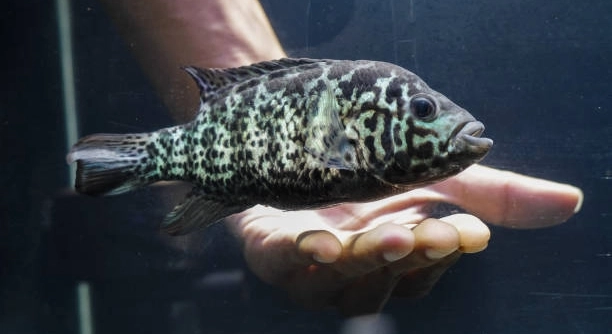
Jack Dempsey fish are popular for their bold colors and active behavior. Many aquarists enjoy watching them interact with their environment and other fish in community tanks. Their behavior can sometimes seem playful or curious.
Jack Dempsey fish do not truly “play” with fry. Observed interactions, such as chasing or nudging, are primarily territorial or predatory behaviors. Fry are considered potential food, and any gentle contact is usually accidental rather than intentional social play.
Understanding these behaviors can help you manage your tank more effectively. Observing their natural instincts provides insights into maintaining a safe and healthy environment for all fish.
How Jack Dempsey Fish Interact with Fry
Watching Jack Dempsey fish can be fascinating. They are strong and territorial, and their behavior toward fry is instinct-driven. When fry are present, adult Jack Dempseys may swim close, inspect them, or even nudge them around. This is not play in the sense we usually think of. Their actions are guided by instinct, including protecting their territory or establishing dominance. In some cases, adults may eat fry if they feel hungry or perceive them as intruders. Understanding these behaviors helps aquarists create safer environments. Many hobbyists separate fry into breeding tanks to prevent accidental loss. By observing carefully, it is possible to notice subtle signs of stress in the adults or fry. Lighting, tank decorations, and hiding spots can influence how much interaction occurs. Proper tank setup reduces negative encounters and supports healthy development for the fry, making their early life safer and less stressful.
Adult Jack Dempsey behavior toward fry is mostly instinctual. Interaction is rarely gentle or playful.
Providing hiding spaces and separating fry when necessary helps prevent predation and reduces stress, keeping both adults and fry calmer in shared tanks.
Managing Fry in a Jack Dempsey Tank
Separating fry is often the safest approach to ensure survival. Fry are vulnerable to adult aggression.
Using a breeding box or a separate nursery tank allows fry to grow without constant threat. Adults may continue showing territorial behavior, but physical harm is avoided. Feeding adults sufficiently reduces their interest in fry as food. Hiding places like plants or mesh structures give fry areas to explore and feel safe. Monitoring water quality and maintaining proper nutrition for both adults and fry is crucial, as stress can make aggression worse. Tank size matters too; a cramped environment increases conflict, while a spacious tank provides room for all fish to coexist. Observation is key—over time, patterns of behavior emerge that help determine the best management strategy. By combining separation, adequate feeding, and tank design, fry survival rates increase significantly, and adult Jack Dempseys remain healthy, showing natural behaviors without posing unnecessary risk to younger fish.
Feeding Behavior Around Fry
Adult Jack Dempseys often see fry as potential food rather than companions. Even small nudges or gentle touches are usually exploratory or predatory in nature. Feeding adults well can reduce their interest in fry, but instinct may still drive occasional chasing.
Providing a varied diet for adults helps minimize aggressive tendencies toward fry. High-protein foods like pellets, live worms, or small insects keep adults occupied and less focused on young fish. Fry require smaller, softer foods like infusoria or finely crushed flakes to thrive. Observation is key—watching for chasing or sudden lunges allows timely intervention. Hiding spots and dense plant areas give fry safe spaces to avoid adult attention, ensuring they grow without constant stress or risk. Tank layout and feeding schedule directly influence interactions between adults and fry, making careful planning essential for a peaceful environment.
Even with proper feeding, some adults may continue displaying predatory instincts. Fry still need protection in shared tanks, as instinctual behaviors are difficult to suppress completely. Creating zones where fry can safely hide and grow allows them to develop without constant threats. This approach helps balance natural adult behavior with fry survival, maintaining overall tank harmony while respecting their instincts.
Environmental Factors Affecting Fry Safety
Tank size and structure play a major role in fry survival. Small or crowded tanks increase adult-fry interactions, while larger tanks with plenty of hiding spots reduce stress.
Dense plants, rocks, and artificial caves provide shelter for fry, giving them areas to escape adult attention. Open swimming areas allow adults to maintain territory without constantly confronting fry. Water quality is also critical—unstable conditions increase aggression and stress in adults. Proper filtration and regular maintenance help create a stable environment. Monitoring temperature, pH, and cleanliness ensures both adults and fry remain healthy. By combining adequate space, strategic hiding spots, and stable water conditions, fry survival rates improve, and adult Jack Dempseys exhibit natural behaviors without causing unnecessary harm.
Recognizing Stress in Fry
Signs of stress in fry include hiding constantly, reduced movement, and poor feeding response. Stress can slow growth and increase vulnerability to disease. Observing fry behavior closely helps identify issues early, allowing adjustments to tank setup or feeding to keep them safe and healthy.
Overcrowding and frequent chasing by adults often trigger stress. Providing hiding spaces, reducing adult aggression, and maintaining stable water conditions help fry feel secure. Stress management is essential for their development and survival in a tank shared with Jack Dempseys.
Separation Strategies for Fry
Using breeding boxes or nursery tanks allows fry to grow without interference from adults. Temporary separation is simple and highly effective in preventing predation. Adults maintain their natural behaviors without harming the young, ensuring both groups thrive in the aquarium environment.
Monitoring Adult Behavior
Regular observation of adult Jack Dempseys helps spot early signs of aggression. Quick intervention prevents fry loss and maintains a balanced tank environment.
FAQ
Do Jack Dempsey fish ever play with fry?
Jack Dempsey fish do not play with fry in the way we think of play. Any interaction is usually territorial or predatory. Nudging or chasing fry is instinct-driven, not a social or playful behavior. Fry are small and vulnerable, and adults treat them as part of their environment or potential food.
Can fry survive in a tank with adult Jack Dempseys?
Fry can survive if precautions are taken. Using a separate nursery tank or breeding box helps protect them from adult aggression. Adding plants, rocks, and hiding spots provides additional safety. Proper feeding for adults reduces interest in fry, increasing their chances of survival in shared tanks.
How should I feed Jack Dempseys to reduce fry predation?
Adults should get a high-protein diet like pellets, live worms, or small insects. Feeding frequently and in sufficient quantity keeps adults occupied and less focused on fry. Fry need softer foods like finely crushed flakes, infusoria, or specially formulated fry food to grow safely without competition.
What signs show that fry are stressed?
Stress in fry appears as constant hiding, reduced movement, and poor feeding. Overcrowding, chasing, or aggressive adults trigger stress. Fry under stress may grow slowly, develop health issues, or even die. Observing behavior daily helps prevent problems before they become serious.
How do I set up a tank to protect fry?
Use plenty of plants, rocks, and small caves for fry to hide. Larger tanks reduce adult-fry conflict. Proper filtration and regular water maintenance keep conditions stable. Temperature and pH should be monitored closely. A well-planned tank allows adults to behave naturally without threatening fry constantly.
Is temporary separation necessary for fry survival?
Yes, temporary separation is often the most reliable way to protect fry. Breeding boxes or nursery tanks allow fry to grow safely. Adults remain in the main tank and continue their natural behavior. Separation minimizes loss while giving fry a chance to develop strength and size before reintroduction.
Will adult Jack Dempseys ever ignore fry naturally?
Some adults may occasionally ignore fry, especially if well-fed and the tank has enough hiding spots. However, predatory instincts remain, and accidental harm can still occur. Consistent monitoring and environmental management are more reliable than expecting adults to avoid fry on their own.
How long should fry stay separated?
Fry should remain in a protected environment until they are large enough to avoid predation, usually several weeks to a few months. Size and strength are key factors. Gradual reintroduction into the main tank reduces stress and allows them to adapt safely to adult presence.
Can stress affect adult behavior toward fry?
Yes, stressed adults may become more aggressive toward fry. Poor water quality, overcrowding, or lack of hiding spots increases tension. Reducing stress through proper tank setup, regular maintenance, and sufficient feeding lowers aggression and helps maintain a safer environment for fry.
Are there other ways to improve fry survival without separation?
Providing a heavily planted tank with multiple hiding areas and consistent feeding can help. Large tanks allow adults to maintain territories while fry stay hidden. Monitoring behavior closely and intervening when aggression appears is important. Combining these measures improves survival but separation remains the most reliable method.
How do I know when it is safe to reintroduce fry?
Fry should be strong, healthy, and large enough to evade adults. Observing interactions in a controlled manner helps determine readiness. Gradual acclimation, starting with short supervised periods in the main tank, reduces risk. Consistent observation ensures fry adapt without injury.
What is the most common mistake when keeping fry with adults?
Assuming adults will naturally ignore fry is the most frequent error. Fry are highly vulnerable to instinctual predatory behavior. Failing to provide hiding spaces, sufficient food, or temporary separation often results in high fry mortality. Proper planning and careful monitoring prevent these losses.
Can tank size influence fry survival?
Yes, larger tanks reduce encounters between adults and fry. More space allows adults to patrol their territory without constantly interacting with young fish. Small tanks increase stress, aggression, and predation risk. Combined with hiding spots, tank size is a crucial factor for fry safety.
How often should I check on fry behavior?
Daily observation is recommended. Fry are sensitive to changes, and early signs of stress or predation can be addressed quickly. Watching how fry interact with hiding spaces, feed, and respond to adults ensures a safe and healthy environment.
What long-term benefits come from protecting fry early?
Protecting fry early increases survival, reduces stress, and promotes healthy growth. Strong, well-fed fry are more resilient and adapt better when reintroduced to the main tank. Preventing early losses also improves confidence in tank management and supports a stable, balanced aquarium ecosystem.
Final Thoughts
Raising Jack Dempsey fry can be both challenging and rewarding. These fish are naturally bold and territorial, which makes their behavior around fry predictable but sometimes harsh. Understanding that adults do not “play” with fry, and that any interaction is driven by instinct, is important. Observing their behavior carefully helps you take steps to protect the young. Even small nudges or chasing can be dangerous for fry, so preparation and planning are key. Setting up the tank with hiding spaces, plants, and decorations gives fry a chance to grow safely while allowing adults to express natural behaviors without causing harm.
Separation is often the most effective way to ensure fry survival. Breeding boxes or nursery tanks allow young fish to grow without constant exposure to adult predatory instincts. Adults remain in the main tank, continuing their natural behavior while fry develop strength and size. Feeding adults properly reduces their focus on fry, but instinctual behavior can still occur, making separation a reliable safety measure. Watching fry closely, monitoring stress signs, and maintaining stable water conditions all contribute to a healthier, calmer environment. Fry that grow with minimal stress are more likely to thrive once they are reintroduced to the main tank, creating a balanced ecosystem.
Patience and observation are essential for anyone raising Jack Dempsey fry. Every tank is different, and understanding your fish’s individual behavior is crucial. Tank size, structure, and hiding places all influence interactions between adults and fry. Regular monitoring and adjustments, such as providing extra plants or moving fry temporarily, can prevent loss and improve survival rates. Protecting fry not only ensures their growth and safety but also creates a more harmonious environment for all fish in the tank. With consistent care and attention, raising Jack Dempsey fry can be a rewarding experience that highlights the importance of understanding natural behavior, proper tank setup, and careful management.

Hello,
If you enjoy the content that we create, please consider saying a "Thank You!" by leaving a tip.
Every little bit helps us continue crafting quality advice that supports the health, happiness, and well-being of pets around the world, for pets of all shapes, sizes, and species.
We really appreciate the kindness and support that you show us!