
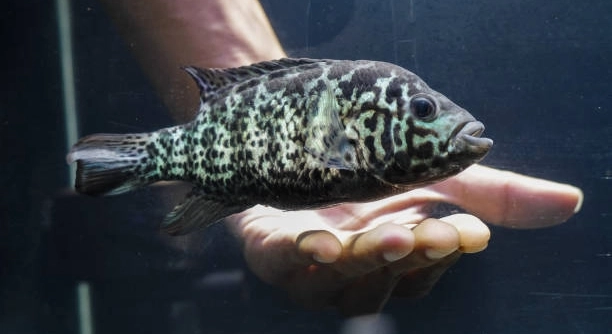
7 Common Misconceptions About Their Behavior
Jack Dempsey fish are often misunderstood by many aquarium owners. Their behavior can appear unusual or aggressive, leading to assumptions that may not reflect their true nature or natural instincts in captivity.
Many common beliefs about Jack Dempsey fish behavior are inaccurate. Misinterpretations arise from observing defensive displays, territorial actions, and feeding habits without understanding context, environmental factors, or species-specific social interactions, leading to misconceptions among hobbyists and researchers alike.
Learning the reality behind their actions can improve care and foster a healthier, more harmonious aquarium environment for both the fish and their owners.
Misunderstanding Aggression
Jack Dempsey fish are often labeled as aggressive, but this is not always accurate. Their behavior is largely territorial. When they flare fins or chase other fish, they are protecting their space, not necessarily attacking without reason. Observing them in a small tank can exaggerate these behaviors. Environmental stress, overcrowding, or sudden changes in water conditions can also make them appear more hostile than usual. It is important to remember that aggression in Jack Dempseys is usually situational. When provided with ample space, hiding spots, and stable water conditions, their interactions with tank mates are calmer. Misreading their defensive displays as constant hostility leads to incorrect assumptions about their behavior. Understanding their natural instincts helps owners set up a tank that reduces unnecessary stress. In larger tanks, conflicts are often minimal, and fish can coexist peacefully, showing that their temperament is flexible and influenced by their environment. Observing them closely over time gives a clearer picture of their real behavior.
Aggression is typically a response to environmental stress or territorial needs, not an inherent problem with Jack Dempsey fish behavior.
Taking time to adjust tank setup and introducing compatible species carefully can improve interactions. Regular observation and minor changes in environment often resolve perceived issues.
Misinterpreting Social Behavior
Jack Dempsey fish can seem solitary because they often spend time alone or near shelters. Their social patterns are misunderstood when owners expect constant interaction or display of schooling behavior.
These fish have defined social hierarchies and may display dominance behaviors, which are misread as hostility. Juveniles may hide more frequently until confident in their territory, while adults often establish zones within the tank. Watching from a distance can help identify true social tendencies. Feeding time may highlight competition, but it does not indicate overall social incompatibility. Pairing with compatible species in the same water parameters can reduce unnecessary conflicts. Regular monitoring of interactions, careful tank arrangement, and providing multiple hiding places encourages natural social behaviors. Over time, Jack Dempseys reveal complex communication through subtle fin displays, color changes, and movements that owners often miss at first. Appreciating these cues allows better care and fewer mistaken conclusions about their temperament and social needs.
Overestimating Predatory Instincts
Jack Dempsey fish are not constantly hunting smaller tank mates. Their predatory behavior is mostly opportunistic and influenced by hunger or environment. They do not actively seek out other fish to attack.
They may chase smaller fish when food is present, but this does not mean they are inherently dangerous predators. In a well-fed tank with proper diet, they often ignore smaller species. Many perceived attacks result from territorial displays rather than actual predation. Misinterpreting these actions can lead to unnecessary tank rearrangements or stress for both the fish and the owner. Observing feeding habits carefully helps distinguish between real threats and normal behavior. Providing enrichment, hiding spots, and balanced nutrition reduces chasing and encourages calmer interactions. Over time, Jack Dempseys adapt to their tank mates when introduced gradually and under stable conditions. Understanding their feeding patterns is key to maintaining peace in a community tank.
Even when kept with compatible species, monitoring is necessary to ensure all fish have access to food and adequate space, minimizing stress and reinforcing proper tank dynamics.
Misreading Color Changes
Color changes in Jack Dempsey fish are often mistaken for signs of illness or distress. These changes usually reflect mood, environment, or breeding conditions rather than health problems.
Stress, water quality, and lighting can influence pigmentation. When they feel threatened, their colors may darken as a defensive mechanism. During courtship or when establishing dominance, their vibrant hues intensify, signaling readiness or confidence. Temporary dulling of color is often harmless and reversible. Recognizing these natural fluctuations helps owners avoid unnecessary worry or interventions. Tracking patterns over days or weeks provides better insight than reacting to sudden shifts. Adjusting tank conditions like pH, temperature, and lighting can stabilize colors, but variations are often part of normal behavior.
Understanding that these changes are mostly behavioral allows owners to interpret signals correctly, enhancing care and preventing misjudgments about the fish’s health or mood. Proper observation ensures a balanced environment that supports natural coloration and reduces stress for Jack Dempseys.
Mistaking Flashing for Illness
Jack Dempsey fish often flash against surfaces, which is commonly misread as a sign of parasites or sickness. In many cases, this behavior is normal and not linked to poor health.
Flashing can be a response to irritation from minor debris, sudden water changes, or routine grooming. Observing water quality and tank conditions helps determine if flashing is harmless or a warning.
Confusing Breeding Displays
During breeding, Jack Dempseys show exaggerated colors and fin movements. These displays are often misinterpreted as aggression, but they are part of mating rituals. Proper observation reveals that these behaviors are temporary and context-specific.
Overlooking Environmental Stress
Sudden changes in temperature, pH, or tank layout can stress Jack Dempsey fish. Stress may amplify behaviors like chasing, flashing, or hiding, leading owners to misread them as innate problems rather than environmental responses. Monitoring and maintaining stable conditions helps reduce unnecessary tension.
Misinterpreting Hiding Behavior
Jack Dempseys frequently hide behind rocks or plants, which is natural and not a sign of fear or illness. Providing multiple shelters supports their comfort and normal behavior.
FAQ
Why does my Jack Dempsey fish flash against surfaces?
Flashing is often misread as a sign of illness, but it is frequently a normal behavior. Fish may rub against decorations, rocks, or substrate to relieve minor irritation or remove debris from their skin. Water quality changes, such as shifts in pH or small amounts of particulate matter, can trigger this response. Observing the fish over several days will help distinguish normal flashing from signs of parasites or disease. Regular water testing and keeping the tank clean reduce unnecessary flashing.
Is it normal for Jack Dempsey fish to chase other fish?
Chasing is typically a territorial or feeding behavior rather than true aggression. In crowded tanks or during feeding, Jack Dempseys may chase smaller or slower fish. Providing enough space, hiding spots, and a balanced diet helps minimize chasing. Over time, they usually establish boundaries with tank mates and reduce constant pursuit. Understanding this behavior prevents unnecessary worry about compatibility.
Why do their colors change suddenly?
Color changes reflect mood, environmental conditions, or breeding readiness. When stressed or threatened, colors may darken as a defensive signal. Vibrant colors often appear during courtship or dominance displays. Temporary dulling is usually harmless and reversible. Consistent water quality, stable lighting, and proper nutrition support natural coloration. Tracking color patterns over time gives better insight than reacting to sudden changes.
Do Jack Dempsey fish get along with other species?
They can coexist with compatible species if the tank is large enough and territories are established. Avoid keeping them with very small fish that can be seen as prey or overly aggressive species that might provoke stress. Introduce new fish slowly and monitor interactions carefully. Providing multiple hiding places reduces conflicts and ensures peaceful coexistence.
Why do they hide so often?
Hiding is a natural behavior to feel safe or establish territory. Juveniles may hide more frequently as they gain confidence. Adults use shelters to manage stress or avoid confrontation. Multiple hiding spots allow them to explore the tank safely and reduce tension among tank mates.
How often should I feed Jack Dempsey fish?
Feed them once or twice daily with a balanced diet of pellets, occasional live or frozen food, and vegetables. Avoid overfeeding, which can cause water quality problems and promote aggression. Observing their feeding habits ensures all fish get enough food and helps maintain a calm tank environment.
Can stress affect their behavior?
Yes, stress significantly impacts their actions, including flashing, chasing, hiding, and color changes. Causes include sudden water changes, poor water quality, overcrowding, and incompatible tank mates. Maintaining stable water parameters, proper tank size, and regular monitoring reduces stress and promotes natural, calm behavior.
How do I know if flashing is serious?
Look for additional signs like frayed fins, lethargy, loss of appetite, or visible spots. If these appear alongside flashing, it may indicate parasites or disease. Otherwise, brief rubbing against surfaces is often harmless. Regular tank maintenance and observation help distinguish normal behavior from health concerns.
What is the best tank setup for Jack Dempseys?
They need a spacious tank with hiding spots, stable water parameters, and moderate lighting. Rocks, plants, and driftwood help create territories and reduce conflicts. Clean water, consistent temperature, and proper filtration ensure a healthy environment and minimize stress-induced behaviors.
Are Jack Dempsey fish always aggressive?
Not always. Aggression is context-dependent, often triggered by territorial needs, breeding, or stress. In well-planned tanks with adequate space and compatible species, their temperament is calm. Observing natural behaviors and adjusting the environment allows them to coexist peacefully with other fish.
How can I reduce chasing and territorial disputes?
Provide a larger tank with multiple hiding spots, separate territories, and slow introductions for new fish. Maintaining stable water conditions and feeding on a regular schedule prevents resource competition. Over time, fish adapt and display less aggressive behavior while maintaining natural instincts.
Do they need a specific water temperature or pH?
Yes, Jack Dempseys thrive in water between 74–80°F and pH 6.5–8.0. Stable conditions prevent stress, color changes, and abnormal behaviors. Sudden fluctuations can trigger hiding, flashing, or chasing, so monitoring water parameters regularly ensures their comfort and health.
Can they live in community tanks?
Yes, with careful planning. Select tank mates of similar size and temperament. Avoid small or very passive fish that could be harassed. A well-structured tank with hiding spots and ample space allows Jack Dempseys to coexist with others while reducing stress and aggression.
How do I know when they are ready to breed?
Mature males display intensified coloration and erect fins, while females may show a rounded belly. They become territorial and perform courtship dances. Recognizing these cues helps owners separate breeding pairs if needed, ensuring safety for other fish in the tank.
What foods are best for maintaining their natural behavior and color?
A varied diet of high-quality pellets, frozen or live foods like shrimp, and occasional vegetables supports vibrant color and proper growth. Balanced nutrition reduces chasing due to hunger and encourages natural behaviors like foraging, territorial displays, and mating signals.
Are hiding and flashing connected behaviors?
They can be. Stress or irritation often triggers both. Hiding provides a safe space, while flashing may relieve minor skin discomfort. Observing when and how these behaviors occur helps distinguish normal activity from potential health issues. Proper tank setup and care reduce unnecessary stress.
How do I handle tank changes without stressing them?
Introduce changes gradually, such as moving decorations slowly, adjusting water parameters step by step, and adding new fish one at a time. Sudden changes increase flashing, hiding, and aggression. Patience and observation ensure smooth adaptation while preserving their natural behaviors.
Can Jack Dempsey fish show affection or recognition?
They are capable of recognizing owners and responding to feeding routines. While not affectionate like mammals, they display curiosity and familiarity through swimming patterns, following movements, or showing calm behavior near regular caretakers. Understanding this helps owners interact appropriately and reduces misinterpretation of behavior.
How long do they live in captivity?
With proper care, Jack Dempsey fish can live 8–10 years or longer. Stable water conditions, balanced nutrition, and minimal stress contribute to longevity. Observing behaviors over time provides insight into their health and helps maintain a supportive environment for a long, healthy life.
How often should I clean the tank?
Partial water changes weekly or biweekly and careful substrate cleaning prevent buildup that can trigger stress, flashing, and chasing. Avoid full tank cleanings, which can disrupt beneficial bacteria and increase stress levels. Regular maintenance supports both water quality and natural behavior.
What signs indicate a compatible tank mate?
Compatible tank mates are similar in size, temperament, and activity level. They coexist without constant chasing or hiding. Observing initial interactions and providing ample space allows peaceful social dynamics. Avoid fish that are too small, overly passive, or highly aggressive, as these factors can trigger conflict.
How do I monitor behavior effectively?
Watch daily for color changes, chasing, hiding, flashing, and feeding patterns. Recording notes helps identify deviations from normal behavior. Gradual observation and attention to context prevent misinterpretation and ensure appropriate responses to environmental or health concerns.
What should I do if behavior seems abnormal?
Check water parameters, diet, tank size, and potential stressors. Isolate affected fish if needed and consult care guides or professionals. Abnormal behavior often has environmental causes, so adjusting conditions typically restores balance without drastic intervention.
Can Jack Dempsey fish live alone?
Yes, they tolerate solitary living well, especially if aggressive tendencies pose risks in a community tank. Providing enrichment, hiding spots, and proper diet ensures mental stimulation and reduces stress in single-fish setups.
Final Thoughts
Jack Dempsey fish are often misunderstood, and many misconceptions about their behavior come from misreading natural instincts. Their territorial displays, color changes, and occasional chasing are not signs of inherent aggression or poor temperament. Instead, these actions are normal ways for the fish to communicate, manage stress, and establish boundaries in their environment. Understanding these behaviors helps owners provide better care, create a stable tank setup, and ensure the fish feel secure. Observing their habits over time allows for clearer interpretation of what is normal versus what may indicate stress or health issues. This perspective shifts how owners approach tank management and interactions with Jack Dempseys, promoting a more harmonious environment.
Providing the right environment plays a major role in shaping behavior. Tank size, hiding places, water quality, and compatible tank mates all influence how Jack Dempseys act. In cramped or poorly maintained conditions, they may appear aggressive, chase constantly, or flash excessively. On the other hand, well-structured tanks with sufficient space, clean water, and proper feeding routines reduce these behaviors significantly. Adding rocks, driftwood, and plants helps establish territories, giving each fish a sense of safety. Gradually introducing new fish and monitoring interactions also minimizes conflict. These practical steps not only prevent misinterpretation of behavior but also improve the overall well-being of the fish. Proper planning and careful observation are key to keeping a peaceful and balanced tank.
Awareness and patience are essential for managing Jack Dempsey fish. Misunderstanding their actions often leads to unnecessary worry or interventions. By learning to recognize flashing, hiding, color changes, and social interactions as normal or situational behaviors, owners can focus on providing stable care rather than reacting to every movement. Consistent monitoring, maintaining stable water parameters, and providing balanced nutrition support both physical health and natural behavior. Over time, the fish adapt to their environment, and owners gain a deeper understanding of their personality and habits. Appreciating their instincts and needs makes it easier to foster a healthy, calm, and visually vibrant tank where Jack Dempseys can thrive comfortably.

Hello,
If you enjoy the content that we create, please consider saying a "Thank You!" by leaving a tip.
Every little bit helps us continue crafting quality advice that supports the health, happiness, and well-being of pets around the world, for pets of all shapes, sizes, and species.
We really appreciate the kindness and support that you show us!