
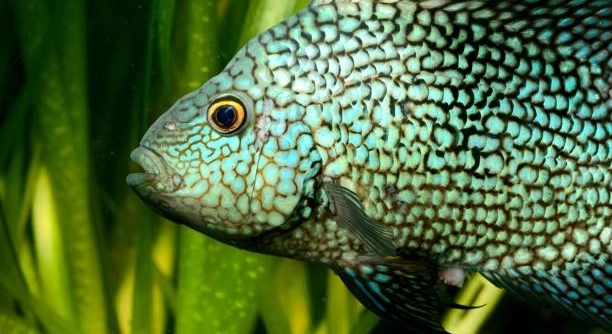
Introducing a new Dempsey to your aquarium can bring both excitement and challenges. Observing their first interactions, feeding patterns, and overall behavior is key to helping them adjust while keeping your tank balanced and healthy.
After introducing a new Dempsey, careful monitoring of aggression, territorial behavior, feeding responses, and signs of stress is essential. Prompt observation and management support smooth integration, minimize injuries, and maintain the stability of your aquarium’s social environment.
Watching closely during this period helps ensure both your new and existing fish remain healthy and content in their shared habitat.
Understanding Dempsey Behavior
Dempseys are naturally territorial fish, and introducing a new one can quickly shift the dynamics in your tank. Watching how they interact with each other is crucial in the first few days. Signs of aggression can include chasing, nipping, or flaring fins. Even subtle tension, like one fish avoiding another, can indicate stress. Feeding times are particularly revealing, as dominant fish may block access to food, leaving others underfed. Observing body color changes is another key indicator. A healthy Dempsey shows vibrant colors, while stress can dull its appearance. Providing plenty of hiding spots and visual barriers can reduce conflict. Decorations like rocks, plants, or caves create separate territories, which help minimize tension. Water quality also plays a role in behavior. Clean, well-maintained water reduces stress and supports healthy interactions. Adjusting tank conditions and observing closely can prevent injuries and long-term stress for all your fish.
Pay attention to both physical and behavioral cues. Immediate responses can prevent serious aggression and promote balance in the tank.
Managing aggression requires patience and consistent monitoring. If conflicts persist, consider temporary separation or rearranging the tank layout. Sometimes, adjusting feeding schedules or adding extra hiding spaces is enough to calm tensions. Each Dempsey is unique, and patterns may take several days to stabilize. Keeping a record of behavior changes helps identify trends and potential triggers. Over time, most Dempseys will settle into their social hierarchy, but ongoing observation is important. Stress from poor water quality or overcrowding can amplify aggression, so maintaining optimal conditions is critical. Recognizing early signs of dominance or submission helps protect weaker fish. Regular water testing, careful feeding practices, and thoughtful tank design create a safer environment. Over weeks, interactions usually normalize, allowing all fish to coexist with minimal conflict. Understanding and responding to these behaviors ensures a harmonious, healthy aquarium.
Feeding and Health Checks
Providing the right diet supports both growth and calm behavior in Dempseys.
Regular observation during feeding can reveal health issues. Uneaten food or unusual appetite may indicate stress or illness. Monitoring growth and physical appearance, such as fin condition and coloration, helps detect early problems. Consistent feeding times reduce competition and aggression. Balanced nutrition strengthens the immune system, making fish more resilient to environmental changes. Offering varied food types, including high-quality pellets, occasional live or frozen foods, ensures dietary needs are met. Avoid overfeeding, as leftover food can degrade water quality and trigger disputes. Recording feeding habits and portions helps track health trends over time. Health checks, combined with careful observation of behavior, create a safer environment for both new and established fish.
Regular care, proper diet, and attention to subtle signs of stress or illness are essential for maintaining a stable, thriving tank. Observing patterns in feeding, swimming, and social interactions allows timely adjustments. Simple steps like separating aggressive fish, cleaning filters, or rotating hiding spots can prevent escalation. Awareness of water parameters, including pH, temperature, and ammonia levels, ensures optimal conditions for all fish. Keeping notes on behavior, feeding, and any minor injuries allows early intervention. Providing enrichment, such as plants, rocks, or varied terrain, helps reduce boredom and aggression. When issues arise, addressing them quickly minimizes long-term stress. A structured routine and vigilant monitoring create a healthier and calmer environment for your Dempseys. By combining these strategies, you can support both their physical health and social stability, ensuring they thrive together in the tank.
Monitoring Tank Environment
Keeping the tank environment stable is essential after adding a new Dempsey. Regularly check temperature, pH, and ammonia levels. Fluctuations can stress fish and increase aggression. Ensuring proper filtration and water flow helps maintain a calm, healthy habitat for both new and established fish.
Proper water conditions reduce stress and aggression in Dempseys. Sudden changes in temperature or chemical levels can trigger defensive behaviors and health issues. Maintaining consistent lighting and a regular cleaning schedule supports overall well-being. Decorations and hiding spots should be arranged to provide territories and reduce direct confrontations. Observing how fish move and interact within the space can highlight problem areas that may need adjustments. Continuous monitoring allows for quick intervention if signs of stress or illness appear, keeping all fish healthier and calmer.
Paying attention to subtle changes in behavior can reveal environmental issues. Uneven swimming patterns, hiding excessively, or sudden color loss often indicate stress. Regular water testing combined with visual checks ensures that your tank remains safe and stable. Adjustments like moving decorations or adding additional hiding spaces can help reduce tension. Consistent maintenance routines, including partial water changes and filter cleaning, prevent the buildup of harmful chemicals. Watching how fish respond to feeding, water flow, and territorial shifts gives insight into their comfort levels. A stable environment supports peaceful interactions and helps the new Dempsey integrate successfully with existing fish.
Recognizing Stress Signs
Dempseys under stress may show rapid gill movement, loss of appetite, or hiding. Early detection allows prompt intervention to prevent worsening health or aggression.
Stress can also appear as fading colors, clamped fins, or frequent darting around the tank. These behaviors indicate discomfort or fear and can result from aggression, overcrowding, or poor water quality. Monitoring interactions closely helps identify which fish are causing or experiencing tension. Temporary separation, rearranging decorations, or improving water conditions often alleviates stress. Feeding patterns are also a key indicator. Fish that stop eating or compete aggressively during meals may need closer observation. By noticing these signs early, corrective measures can be applied to restore calm and maintain overall health.
Observing physical and behavioral changes helps prevent long-term problems. Stress weakens the immune system, making fish more prone to illness. Signs like fin erosion, rapid breathing, or lethargy often accompany environmental or social stress. Recording patterns in behavior, feeding, and color changes helps track progress and effectiveness of interventions. Adjustments to water quality, tank layout, or social separation can reduce tension. Maintaining consistent routines for feeding, cleaning, and monitoring encourages a stable environment. Gradual acclimation and patience are key when a new Dempsey joins the tank. Addressing stress proactively ensures both new and existing fish remain healthy, vibrant, and safe in their shared habitat.
Adjusting Tank Layout
Rearranging decorations and plants can help reduce aggression. Providing multiple hiding spots gives fish space to establish territories without constant conflict.
Separating open areas and creating visual barriers helps the new Dempsey feel secure. Rocks, caves, and plants can break lines of sight, lowering stress and allowing fish to interact more calmly.
Observing Feeding Behavior
Monitor how the new Dempsey and established fish eat. Dominant fish may try to block others, so ensure everyone gets access to food. Use multiple feeding points or spread food across the tank to reduce competition and prevent underfeeding.
Temporary Separation
If aggression escalates, consider using a tank divider. This allows fish to see each other without direct contact, reducing stress and potential injuries.
FAQ
How long does it take for a new Dempsey to settle in?
Most Dempseys need at least one to two weeks to adjust to a new tank. During this period, monitor behavior closely, looking for signs of stress or aggression. Some fish may take longer depending on personality, tank size, and the number of established fish. Patience is key to ensuring smooth integration. Providing hiding spots and maintaining stable water conditions helps the new Dempsey feel secure while reducing tension in the aquarium.
What are the main signs of aggression to watch for?
Aggression can appear as chasing, fin nipping, flaring, or cornering other fish. Even subtle behaviors, like one fish avoiding another or displaying dull colors, indicate stress. Watching these interactions during feeding and free-swimming periods allows early detection. Intervening early by rearranging the tank or adding barriers prevents injuries and helps maintain balance among all fish.
How can I prevent feeding conflicts?
Feeding conflicts are common when introducing a new Dempsey. Spread food in multiple locations to ensure all fish have access. Use sinking pellets or small portions to reduce competition. Observe which fish are dominant and adjust feeding strategies as needed. Maintaining a consistent feeding schedule also helps reduce tension. Overfeeding or underfeeding can trigger aggression, so monitor portions carefully. Temporary separation during mealtime may also help if dominant fish block access consistently.
When should I consider separating a new Dempsey?
Separation becomes necessary if aggression results in injuries, persistent chasing, or stress signs like faded colors or hiding. Using a divider or quarantine tank allows fish to acclimate safely. Temporary separation provides time for the new Dempsey to adjust to its surroundings and for existing fish to accept the newcomer. Monitor interactions regularly and reintroduce gradually once tensions decrease. This prevents long-term stress and ensures healthier social dynamics.
What role does tank size play in integration?
Larger tanks reduce territorial disputes by providing more space for multiple territories. Small tanks can amplify aggression and stress because fish feel crowded. Ideally, each Dempsey should have enough space to establish its own territory. Rearranging decorations to break up open swimming areas helps even in smaller tanks. Monitoring behavior in different areas of the tank identifies potential problem zones. Proper space management improves overall health and reduces the risk of fights or injuries.
How often should I check water parameters after adding a new fish?
Check water conditions daily for the first week and every other day for the second week. Monitor ammonia, nitrite, nitrate, pH, and temperature. Stress from poor water quality increases aggression and susceptibility to disease. Stable water conditions support smooth acclimation and overall health. If issues arise, perform partial water changes and adjust filtration as needed. Keeping a record of readings allows you to spot trends and prevent problems before they affect your fish.
What are common health concerns when introducing a new Dempsey?
Stress from aggression or poor water quality can weaken the immune system, making Dempseys prone to fin rot, fungal infections, or parasitic outbreaks. Early detection through observing appetite, color, and swimming patterns is essential. Prompt intervention and maintaining clean water reduces risk. Quarantining new fish before introduction also helps prevent disease transmission. Regular health checks ensure all fish remain strong and resilient in their shared environment.
Can multiple new Dempseys be added at once?
Adding more than one new Dempsey simultaneously can reduce focus on a single fish and lower aggression from established fish. However, it requires careful observation to ensure all newcomers feed properly and avoid stress. Gradual introduction in a divided tank may still be needed if personalities clash. Providing multiple hiding spots and maintaining optimal water conditions supports a smoother integration process. This strategy can help balance social dynamics when introducing several fish at once.
How do decorations and hiding spots influence behavior?
Decorations create visual barriers and establish territories. Rocks, caves, and plants allow fish to claim spaces and escape confrontations. Rearranging items after a new Dempsey is added can prevent established fish from dominating previously claimed areas. Hiding spots reduce stress, allow recovery after minor conflicts, and encourage natural behavior. Regularly evaluating the layout ensures all fish have access to shelters and sufficient space for swimming freely, promoting harmony in the tank.
What should I do if aggression persists after weeks?
Persistent aggression may require long-term strategies. Consider permanent separation, rearranging the tank, or adjusting the number of fish. In some cases, choosing fish with more compatible temperaments may be necessary. Observe interactions during feeding, resting, and swimming periods to identify triggers. Maintaining optimal water quality and providing enrichment helps reduce stress. Interventions should focus on safety and well-being, ensuring all fish remain healthy, comfortable, and able to coexist in the shared aquarium.
Final Thoughts
Introducing a new Dempsey into an established tank is always a careful process. These fish are naturally territorial, and the first days can be tense. Observing interactions closely is crucial to preventing injuries and stress. Watching how fish respond to feeding, swimming, and resting gives insight into their comfort levels. Small changes in behavior, like hiding, flaring fins, or color fading, can indicate stress or aggression. Addressing these issues early helps maintain harmony in the aquarium. Consistent monitoring allows you to make adjustments to tank layout, feeding strategies, or temporary separation when needed. The goal is to support a smooth integration while keeping all fish safe and healthy. By providing a stable environment, you reduce the chances of long-term conflicts and promote a calmer, more predictable social dynamic among your Dempseys.
Maintaining optimal water conditions is equally important. Regular testing for pH, ammonia, nitrites, nitrates, and temperature ensures the environment is suitable for both new and established fish. Clean, stable water supports the immune system, helping fish handle stress and adapt more easily. Decorations, hiding spots, and visual barriers play a significant role in reducing aggression by allowing fish to establish territories and retreat when needed. Spacing out feeding areas prevents dominant fish from blocking access, ensuring everyone gets enough nutrition. Even small adjustments, such as moving rocks or plants or adding extra hiding spaces, can make a noticeable difference in behavior. Patience is key during this period. Every Dempsey has a unique personality, and some may take longer to settle than others. Gradual observation and careful intervention help maintain balance without causing additional stress.
Behavioral observation and proper tank management go hand in hand. Tracking changes in color, appetite, swimming patterns, and interactions helps identify issues before they escalate. If aggression persists, temporary or permanent separation may be necessary to protect weaker fish. Consistent feeding schedules, routine maintenance, and careful layout adjustments all contribute to a stable environment. Over time, most Dempseys will establish their social hierarchy and coexist peacefully. Maintaining this balance requires ongoing attention, but it ensures a healthier, calmer tank where all fish can thrive. Supporting both the new and existing Dempseys with proper care creates a more predictable and harmonious aquarium that benefits every fish.

Hello,
If you enjoy the content that we create, please consider saying a "Thank You!" by leaving a tip.
Every little bit helps us continue crafting quality advice that supports the health, happiness, and well-being of pets around the world, for pets of all shapes, sizes, and species.
We really appreciate the kindness and support that you show us!