
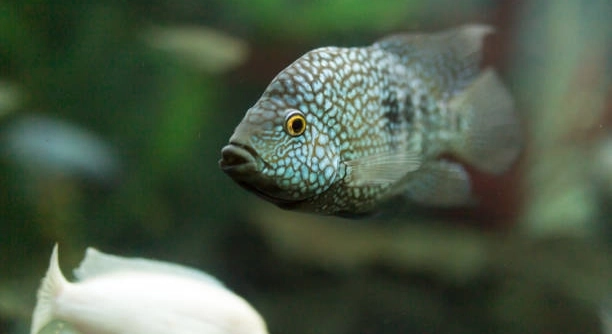
Many Dempsey fish owners create tanks with good intentions, yet certain design choices quietly increase stress, aggression, and discomfort, affecting daily behavior, appetite, and long term health without being immediately obvious to attentive aquarium keepers.
The poorest tank designs for Dempsey fish include undersized aquariums, harsh lighting, excessive decorations, sharp substrates, unstable layouts, poor water flow, and constant reflections, which disrupt territorial balance, limit movement, elevate stress hormones, and contribute to long term behavioral decline.
Recognizing these problems helps shape better habitats, promoting calmer fish, healthier routines, and a more stable aquarium environment overall daily.
Tanks That Are Too Small
I often see Dempsey fish kept in tanks that are far too small for their natural size and behavior. These fish are active, territorial, and need room to swim, turn, and establish boundaries. When space is limited, stress builds quickly and shows through aggression, hiding, and reduced appetite. Small tanks also concentrate waste faster, making water quality harder to control even with regular maintenance. Over time, cramped conditions weaken immune responses and shorten lifespan. Many owners mistake temporary calmness for comfort, but it usually signals suppressed behavior. Providing adequate space allows natural movement, clearer social structure, and more stable water parameters. A properly sized tank supports physical growth, mental stimulation, and consistent routines that help Dempsey fish remain confident, alert, and healthy throughout their lives. This simple change often transforms daily behavior and makes aquarium care feel calmer, more predictable, and rewarding for attentive keepers over long periods of time.
A tank that is too small restricts movement and increases conflict. Dempsey fish rely on space to feel secure. Without it, stress responses rise quickly, leading to health issues that routine feeding and cleaning alone cannot resolve. This problem is common in beginner setups and often overlooked during setup phases.
I have learned that upgrading tank size often brings immediate improvements. Fish explore more, colors deepen, and aggression softens as territory becomes clear. Larger tanks also dilute waste better, keeping ammonia and nitrate levels steadier between water changes. This stability reduces sudden stress spikes that affect feeding and immunity. Proper space allows decorations to be arranged thoughtfully, creating shelter without crowding. When Dempsey fish feel secure, they display stronger appetite, consistent activity, and calmer interactions. Tank size is not an aesthetic choice but a foundation that supports long term health, predictable behavior, and easier maintenance for owners over many years.
Excessive Decorations and Clutter
Overdecorated tanks overwhelm Dempsey fish and reduce usable swimming space. Too many rocks, ornaments, and plants create visual stress and block natural movement patterns. Instead of feeling sheltered, fish may feel trapped, leading to tension and defensive behavior. This setup often looks appealing but functions poorly for cichlids like Dempseys.
I prefer balanced layouts that offer open swimming areas combined with clearly defined shelter. Dempsey fish use space to patrol and rest, and clutter interrupts these routines. Excess decorations also trap debris, increasing maintenance demands and reducing water clarity. When items are packed tightly, water flow becomes uneven, allowing waste to settle in hidden areas. This contributes to unstable conditions that stress fish over time. Simplifying the layout improves circulation and visibility while still supporting natural behavior. Strategic placement of caves and rocks gives shelter without closing off movement paths. Plants should complement space, not dominate it. A thoughtful design helps fish feel secure without constant stimulation. From my experience, fewer decorations often result in more confident behavior and easier upkeep. Clear sightlines reduce surprise encounters, lowering aggression. An organized tank supports predictable routines, calmer interactions, and a healthier environment that benefits both fish and owner on a daily basis. This approach creates visual calm and allows monitoring health changes more easily. It also makes cleaning faster, reduces missed waste pockets, and supports stable parameters, which I find especially helpful during busy weeks and long term aquarium care when consistency matters most for sensitive cichlid species in home aquariums everywhere.
Harsh Lighting Choices
Bright lighting overwhelms Dempsey fish and removes their sense of security. Constant exposure increases stress, disrupts resting periods, and encourages hiding or aggression. Tanks placed near windows or fitted with strong LEDs often amplify this issue without owners realizing the long term impact on their daily behavior and health overall.
I have noticed that softer, adjustable lighting creates calmer behavior and steadier routines. Dempsey fish prefer moderate brightness that mimics natural conditions rather than constant intensity. Excessive light can exaggerate reflections, causing repeated confrontations with their own image. This drains energy and increases anxiety. Timers help establish predictable light cycles, supporting feeding and rest. Floating plants or shaded areas also reduce glare. When lighting feels balanced, fish move confidently instead of darting between shadows. This change often improves appetite and coloration. Lighting should support visibility without dominating the environment or forcing fish to remain alert at all times constantly indoors.
Strong lighting also raises water temperature slightly, which can compound stress in smaller tanks. Combined with poor flow, this creates uneven conditions that Dempsey fish struggle to escape. I have found that reducing brightness encourages exploration and natural posture. Fish spend less time hiding and more time patrolling space calmly. Balanced lighting highlights patterns without startling sudden movements. It also allows owners to observe behavior clearly without sacrificing comfort. Over time, stable lighting reduces aggression spikes and supports consistent daily rhythms. This stability plays a quiet but important role in overall tank success for long term care and fish being.
Inappropriate Substrate Choices
Rough or sharp substrates damage fins and stress Dempsey fish during routine movement. Gravel with jagged edges discourages natural digging behavior and increases infection risk. Bare bottoms can also feel unnatural, offering no traction or visual comfort. Substrate should support movement, exploration, and waste control without creating physical harm or constant irritation. Poor choices often lead to repeated injuries and long term stress patterns that affect behavior and health over time in home aquariums daily.
I prefer smooth sand or rounded gravel that allows Dempsey fish to interact naturally with the tank floor. These fish dig, shift, and rest along the bottom, and the substrate plays a direct role in comfort. Fine sand reduces fin wear and supports natural posture. It also helps waste settle visibly, making maintenance easier. Darker substrates often calm behavior by reducing reflections and glare. In my tanks, fish show stronger coloration and more confident movement with proper substrate. Choosing the right base layer may seem minor, but it supports health, reduces injury, and encourages natural routines that improve long term stability and ease of care. This foundation choice influences daily behavior more than many decorations and lighting decisions combined within the overall aquarium setup design.
Poor Water Flow
Weak or uneven water flow frustrates Dempsey fish and disrupts natural swimming patterns. Stagnant areas encourage debris buildup and reduce oxygenation, which can lead to stress, lethargy, and increased susceptibility to disease if not addressed promptly in daily tank maintenance.
Strong, unbalanced currents can also overwhelm these fish, causing fatigue and hiding behavior. Properly positioned filters and gentle circulation create a comfortable environment, supporting consistent activity, feeding, and long term health. Adjusting flow to suit tank size helps fish navigate confidently and maintain regular routines without constant effort or stress.
Overcrowded Tanks
Overcrowding intensifies territorial disputes among Dempsey fish. Multiple fish in a limited space raise stress, increase aggression, and complicate feeding. Each individual requires adequate room to patrol and establish a hierarchy without constant conflict. Dense populations make maintenance and water quality management more difficult, further stressing the fish.
Constant Reflections
Reflective surfaces inside or outside the tank confuse Dempsey fish, making them perceive rivals constantly. This triggers repeated displays of aggression and defensive behavior. Mirrors, glass reflections, or highly polished ornaments can amplify stress. Reducing reflections with background colors or strategic decoration placement supports calmer routines and prevents unnecessary tension over time.
Sharp or Unsafe Decorations
Sharp rocks, glass, or resin ornaments pose injury risks. Dempsey fish can scrape fins or scales, causing infections. Safe, smooth decorations allow natural exploration without harm, maintaining physical integrity and consistent daily behavior.
FAQ
What size tank is ideal for a Dempsey fish?
A Dempsey fish needs a tank of at least 55 gallons for a single adult, with extra space if keeping multiple fish. Adequate room reduces stress, allows natural swimming patterns, and supports territorial behavior. I have noticed fish become calmer and more confident when they have plenty of open space, making feeding and observation easier. Smaller tanks lead to constant aggression and can reduce lifespan, even with regular maintenance.
Can lighting affect my Dempsey fish’s behavior?
Yes. Harsh or bright lighting stresses Dempsey fish, making them hide or act aggressively. I prefer moderate, adjustable lighting that mimics natural day-night cycles. Using timers and shaded areas helps maintain calm behavior and consistent routines, which improves appetite, coloration, and overall health over time.
How important is substrate choice for Dempsey fish?
Substrate is critical. Rough or sharp gravel can damage fins and scales, while bare bottoms feel unnatural. I use smooth sand or rounded gravel, which supports natural digging, resting, and movement. Darker substrates reduce reflections, keep fish calm, and make monitoring waste easier. Proper substrate prevents injuries and encourages natural behavior, creating a healthier tank environment.
Do decorations influence stress levels?
Absolutely. Overcrowded or sharp decorations block swimming space and confuse fish. I arrange a few caves or rocks strategically, leaving open areas for movement. Excessive clutter increases debris buildup and reduces water flow. A balanced layout supports territory establishment, reduces hiding, and keeps Dempsey fish active and confident.
What is the best water flow for Dempsey fish?
Gentle, even water flow works best. Weak or stagnant areas trap debris and reduce oxygen, causing stress. Too strong a current fatigues fish. I adjust filters to create steady, moderate circulation, which allows swimming, feeding, and resting without unnecessary effort. Proper flow supports consistent routines and long-term health.
Are reflections in the tank a problem?
Yes. Constant reflections make Dempsey fish see false rivals, triggering repeated aggression. Mirrors, polished ornaments, and shiny backgrounds amplify stress. I use darker backgrounds or place decorations strategically to reduce glare. Limiting reflections helps fish focus on real interactions, maintaining calmer behavior and predictable routines.
How many Dempsey fish can I keep together?
Overcrowding increases conflict and stress. Each fish needs enough territory to patrol and establish hierarchy. I usually recommend a single adult per 55-gallon tank, adding space for more fish. Overpopulated tanks raise aggression, make feeding uneven, and create more water quality issues. Proper spacing supports social balance and calmer behavior.
Do Dempsey fish need hiding spots?
Yes, but not excessive. Small caves or shelters help them feel secure, reducing stress during territorial disputes or resting periods. I avoid overcrowding these spaces, leaving open swimming areas. Too many hiding spots encourage hiding and reduce visibility, while limited, well-placed shelters support confident and healthy behavior.
How often should I clean a Dempsey fish tank?
Regular cleaning is essential. I perform partial water changes weekly, remove debris from substrate, and monitor filter efficiency. Overcrowded or cluttered tanks require more frequent attention. Consistent maintenance prevents ammonia spikes, stabilizes water parameters, and reduces stress, keeping fish active, healthy, and displaying natural behavior.
Can tank size and layout affect growth?
Definitely. Cramped or cluttered tanks slow growth and increase stress hormones. I have seen fish in well-sized, organized tanks develop brighter colors, stronger fins, and more consistent activity. Proper space, smooth substrate, gentle flow, and balanced decorations create an environment that promotes natural growth patterns and long-term vitality.
How do I reduce aggression in Dempsey fish?
Adequate space, moderate lighting, balanced decorations, and smooth substrate help reduce tension. I also ensure proper flow and limit reflections. Observing daily interactions allows early intervention before fights escalate. Structured territory and environmental stability create calmer behavior, reducing stress and promoting consistent routines.
What common mistakes should I avoid?
Common errors include small tanks, overcrowding, harsh lighting, excessive decorations, sharp substrates, poor flow, and reflective surfaces. I have found addressing even one of these issues improves behavior and health dramatically. Attention to these details ensures a calm, thriving environment, preventing stress-related problems before they escalate.
Can Dempsey fish thrive in community tanks?
They can, but careful planning is necessary. I pair them with larger, similarly tempered species and avoid overcrowding. Proper territory, hiding spots, and flow management are essential. Community tanks require monitoring to prevent dominance issues, but with the right setup, Dempsey fish remain healthy, active, and visually striking.
How do I know if my Dempsey fish is stressed?
Signs include hiding, aggression, reduced appetite, faded coloration, and erratic swimming. I check for reflections, cramped spaces, harsh lighting, and poor water flow. Adjusting these factors quickly restores calm behavior and normal routines. Early recognition prevents long-term health issues and supports a stable, comfortable environment.
Is tank decoration more important than tank size?
No. Space is always more critical than decoration. I prioritize a large, open tank first, then arrange minimal, safe decorations. Decorations complement space, not replace it. This approach ensures swimming freedom, territorial balance, and predictable behavior while still offering comfort and shelter for the fish.
How can I improve long-term health for Dempsey fish?
Consistent water quality, adequate space, smooth substrate, moderate lighting, gentle flow, and balanced decorations are key. I monitor behavior daily, adjust the environment when needed, and maintain predictable routines. Small changes, like reducing reflections or rearranging clutter, have significant positive effects on long-term vitality and daily well-being.
This FAQ addresses the most common concerns I have seen while keeping Dempsey fish. Applying these principles consistently helps create a calm, healthy environment where the fish thrive, display natural behavior, and maintain strong color and energy. Each adjustment builds toward stability and makes aquarium care more manageable and satisfying over time.
Final Thoughts
Creating a comfortable and healthy tank for Dempsey fish requires careful attention to multiple details that are often overlooked. Space, lighting, substrate, decorations, water flow, and reflections all play a role in shaping daily behavior and overall health. Small or cramped tanks, harsh lighting, sharp gravel, excessive clutter, uneven currents, and constant reflections quietly increase stress and aggression. Even experienced keepers sometimes focus only on water quality and feeding, forgetting that the environment itself strongly influences activity, appetite, and immunity. Each element of the tank contributes to comfort or tension, and small adjustments often create noticeable improvements in fish behavior. I have seen Dempsey fish become calmer, more confident, and more colorful simply by expanding swimming space, softening light, and reducing clutter. These changes are straightforward but have lasting effects, improving long-term vitality without complicated interventions.
Consistency is another key factor for maintaining a balanced aquarium. Regular maintenance, monitoring water parameters, and maintaining predictable routines for feeding and lighting help reduce stress over time. Dempsey fish are sensitive to environmental changes, so sudden rearrangements or shifts in flow, decorations, or lighting can trigger aggression or hiding behavior. I prefer gradual adjustments when improving a tank, such as slowly introducing new decorations or modifying water flow incrementally. This approach allows fish to adapt naturally while maintaining confidence in their territory. Stable routines combined with thoughtful tank design support not only physical health but also mental well-being. Confident, calm fish are easier to observe, feed, and care for, and they display more natural behaviors that make the aquarium environment feel alive and balanced.
Finally, it is important to remember that creating the ideal Dempsey tank is about balance, not perfection. Overthinking design choices can lead to unnecessary clutter or overly cautious setups that limit natural behavior. The goal is to provide enough space, shelter, and comfort for the fish to thrive while keeping the tank manageable for maintenance. I have found that simplicity often works best: smooth substrate, moderate lighting, strategic decorations, and gentle circulation are enough to meet the fish’s needs. Paying attention to reflections, overcrowding, and territorial balance further enhances daily life in the tank. Thoughtful adjustments over time create an environment where Dempsey fish are healthy, active, and confident. By focusing on these factors, the aquarium becomes a stable, supportive habitat that encourages long-term well-being, predictable behavior, and a calmer, more enjoyable experience for both the fish and the keeper.

Hello,
If you enjoy the content that we create, please consider saying a "Thank You!" by leaving a tip.
Every little bit helps us continue crafting quality advice that supports the health, happiness, and well-being of pets around the world, for pets of all shapes, sizes, and species.
We really appreciate the kindness and support that you show us!