
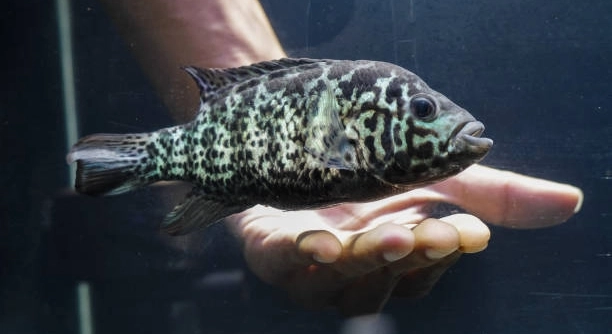
Dempsey fish are known for their striking colors and lively personalities, which often draw attention in any aquarium. These fish can be curious and interactive, sometimes exhibiting behaviors that make them stand out among other tank inhabitants.
Dempsey fish may show off around humans due to a combination of territorial instincts and social interaction. Display behaviors such as flaring fins, vibrant color changes, and swimming close to observers are common indicators of this attention-seeking conduct.
Understanding why Dempsey fish act this way can help you foster a more engaging and comfortable environment for them in your aquarium. Observing their behavior closely reveals patterns you might not notice at first.
Understanding Dempsey Fish Behavior
Dempsey fish are naturally territorial, which often explains why they show off around people. When they see a human near the tank, they may flare their fins or display bright colors to assert dominance. This behavior is not aggression but a natural instinct to protect their space. In addition, Dempsey fish are curious and intelligent, often recognizing regular visitors and reacting differently than to strangers. Some will swim close to the glass, follow movements, or perform small displays to get attention. Their vibrant patterns can intensify during these moments, making their presence more noticeable. Observing these behaviors consistently can help you understand their mood and comfort level. Providing hiding spots and enough space can reduce stress and prevent overstimulation. It also encourages healthy interactions without triggering excessive display behavior. Over time, you can notice patterns that reveal when your fish is feeling secure or trying to communicate.
Recognizing these patterns early helps maintain a calm and healthy environment for your Dempsey fish.
Monitoring and adjusting the tank setup can enhance their natural behaviors. Proper space, water quality, and environmental enrichment allow them to feel confident and safe. For instance, including rocks or plants creates boundaries and visual barriers, reducing constant display or agitation. Feeding routines also play a role. Dempsey fish may show off more if they anticipate food or if mealtime becomes a highlight in their day. Interaction with humans can be stimulating but must remain consistent and gentle to avoid stress. Over time, you may see your fish developing specific signals or routines in response to your presence, showing signs of recognition and attachment. Keeping track of these responses provides insight into their preferences, comfort zones, and social tendencies. This information helps in tailoring care practices, ensuring they thrive in captivity.
Displaying Colors and Movements
Dempsey fish often enhance their coloration and posture when near humans as part of their natural display patterns.
Color changes and fin movements serve multiple purposes, including attracting attention, signaling readiness, or expressing confidence. When observing these displays, it’s important to remain calm and avoid sudden movements. Lighting and water quality can influence how intense their colors appear, and stress can dull them. By providing a stable environment and respecting their space, you encourage healthy, expressive behaviors. Monitoring these patterns allows you to better understand their individual personality and predict when they are likely to show off. Consistent care and interaction strengthen their comfort level, reducing unnecessary stress displays while maintaining their lively nature in the aquarium.
Feeding and Attention
Dempsey fish often show off when it’s feeding time. They may swim closer to the glass, flare their fins, or display brighter colors in anticipation of food. These behaviors indicate excitement and recognition of routine.
Feeding routines strongly influence how Dempsey fish interact with humans. When they associate your presence with meals, they tend to perform display behaviors more frequently. Flared fins, intensified coloration, and active swimming toward the observer are common responses. Over time, they learn to anticipate feeding moments and may even “pose” near the glass, showing off their colors and size. Maintaining consistent feeding times and avoiding sudden changes helps keep them comfortable. It also reduces aggressive displays toward other tank mates. Observing their behavior around meals provides insight into their health, mood, and social tendencies.
Attention from humans can act as stimulation, encouraging playful and expressive behaviors in Dempsey fish. When approached calmly, they may follow movements or swim alongside the glass, showing off colors and fins. Over time, consistent interaction helps them feel secure and confident. Too much sudden activity, however, can stress them, causing color dulling or hiding. Balancing attention and maintaining stable routines supports their natural display behaviors while keeping them relaxed and healthy.
Environmental Influence
Tank setup directly affects Dempsey fish behavior, including display tendencies. Proper space, hiding spots, and decorations reduce stress and encourage confident movement.
Water quality, temperature, and lighting also play a critical role in their displays. Clean water and stable temperatures enhance natural colors and promote active swimming. Bright lighting can intensify their coloration, making displays more vivid, but it should be balanced to avoid overstimulation. Decorations such as rocks, plants, or caves create boundaries and provide comfort, helping them feel secure while showing off. Overcrowding can lead to aggression, reducing positive display behaviors and increasing stress. Adjusting the environment thoughtfully ensures Dempsey fish remain confident, expressive, and healthy, allowing natural behaviors to appear consistently.
Interaction with Tank Mates
Dempsey fish may show off more when other fish are present. They display fins and colors to assert dominance and establish territory, especially around similarly sized tank mates.
Observing interactions helps identify social hierarchies. Aggressive displays are part of natural behavior, while peaceful coexistence reduces stress and maintains balanced tank dynamics.
Recognizing Stress Signals
When a Dempsey fish is stressed, its behavior changes noticeably. Dull colors, rapid swimming, or hiding indicate discomfort.
Monitoring these signals is essential. Stress can stem from poor water quality, overcrowding, or sudden changes in the environment. Responding promptly ensures their health and encourages confident display behaviors.
Consistency in Care
Routine and consistency influence Dempsey fish behavior. Regular feeding, stable water conditions, and predictable interaction help them feel secure.
Human Presence Effects
Dempsey fish can become more vibrant and active when humans approach the tank. Calm movements encourage confident display behaviors, while sudden actions may cause hiding or subdued colors.
FAQ
Why does my Dempsey fish flare its fins at me?
Flaring fins is a natural behavior for Dempsey fish. It is usually a display of confidence, dominance, or curiosity rather than aggression. When they see a human approaching, they may flare to assert their presence in the tank. Regular observation helps determine whether the behavior is playful or stress-related.
Why do Dempsey fish show brighter colors around people?
Color intensification is often linked to excitement, attention, or readiness to interact. When they recognize a familiar human, their colors can brighten as part of their display behavior. Proper lighting and healthy water conditions also make these colors more visible and consistent.
Is my Dempsey fish showing off because it is hungry?
Yes, anticipation of food is a common reason for display behavior. They may swim closer, flare fins, or increase activity near the glass when expecting a feeding. Maintaining consistent feeding routines reduces stress and encourages healthy responses during mealtime.
Can Dempsey fish recognize individual humans?
Dempsey fish are intelligent and can distinguish familiar people from strangers. They may respond differently depending on who approaches, showing more attention or vibrant displays to recognized humans while being more cautious around new visitors.
Why does my Dempsey hide sometimes but show off at other times?
Hiding and displaying are both normal behaviors. Hiding often occurs when they feel threatened, stressed, or need rest. Displaying happens when they are confident, curious, or anticipating interaction. The balance between the two reflects their comfort level and environmental conditions.
Do Dempsey fish show off more in certain environments?
Yes, tank size, decorations, lighting, and water quality all influence display behavior. A spacious tank with hiding spots and proper lighting encourages confident movement and vibrant displays. Overcrowding or poor water conditions can suppress natural behaviors and increase stress.
Is aggressive behavior a form of showing off?
Sometimes, yes. Aggression toward tank mates can be a form of dominance display. However, excessive aggression may indicate stress or lack of space. Monitoring interactions and adjusting tank conditions can help reduce tension while allowing natural displays.
How can I encourage healthy display behavior?
Consistent feeding schedules, stable water conditions, and safe interaction encourage confident displays. Avoid sudden movements or overcrowding, and provide hiding spots to allow them to feel secure while expressing their natural behaviors.
Do Dempsey fish show off more during certain times of the day?
They may be more active during feeding times or when humans approach the tank. Lighting cycles and predictable routines influence when they display colors and fins, reflecting their natural activity patterns.
Can Dempsey fish become stressed from showing off too often?
Yes, overstimulation or repeated attention without rest can cause stress. Signs include dull colors, erratic swimming, or hiding. Maintaining a balanced environment and limiting excessive interaction helps them remain healthy while still showing off naturally.
Why do some Dempsey fish show off more than others?
Individual personality, age, size, and past experiences affect how often a fish displays. Some are naturally more curious and confident, while others are reserved. Understanding each fish’s behavior helps in predicting and supporting healthy display patterns.
Can showing off indicate good health?
Often, yes. Vibrant colors, active swimming, and confident displays suggest that a Dempsey fish is healthy and comfortable in its environment. Sudden changes in these behaviors may indicate stress or illness and require attention.
Is it normal for Dempsey fish to follow my movements?
Yes, following movements is part of their social interaction and curiosity. They may interpret your presence as a stimulus or a routine signal, such as feeding time, making them more likely to display colors and fins near the glass.
How long does it take for a Dempsey fish to get used to human presence?
The adjustment period varies but typically takes a few weeks of consistent interaction. Calm, predictable presence allows them to recognize humans and respond with confidence rather than fear, showing off their colors and behaviors naturally.
Do Dempsey fish show off differently when alone?
Yes, they may display less when alone. Interaction with humans or other fish often triggers more vibrant and active behavior. When alone, they focus on exploration and maintaining territory rather than attention-seeking displays.
How can I tell if my Dempsey fish is stressed while showing off?
Even when displaying, signs of stress include rapid breathing, frequent hiding, loss of color vibrancy, or erratic swimming. Observing their overall routine and environment helps distinguish between confident displays and stress responses.
Are there ways to reduce aggressive showing off?
Providing adequate space, hiding spots, and compatible tank mates reduces aggressive displays. Consistent feeding and predictable interaction also minimize stress-induced showing off while allowing natural behaviors to continue.
Do lighting and tank decorations affect display behavior?
Yes, proper lighting enhances colors and encourages natural movement. Decorations and hiding spots provide security, allowing fish to feel comfortable while displaying. Overly bright or dim lighting can reduce color intensity or provoke stress.
Can showing off indicate readiness to breed?
Sometimes, yes. Males in particular may intensify colors and display fins to attract females or establish dominance. Observing patterns and pairing behavior helps in understanding whether breeding instincts are influencing display behavior.
Is it safe to touch the tank while a Dempsey is showing off?
It is best to move slowly and calmly. Sudden movements can startle the fish, causing them to hide or lose color temporarily. Consistent, gentle interaction encourages positive display behavior.
How do I know if showing off is becoming a problem?
Excessive aggression, constant hiding, or changes in eating habits may indicate stress. Regular observation, proper tank setup, and consistent care help maintain healthy display behaviors while minimizing negative effects.
What role does water quality play in showing off?
High-quality water with stable temperature, pH, and cleanliness supports vibrant colors and confident displays. Poor water conditions can dull colors, increase stress, and reduce the frequency of showing off. Regular maintenance is essential.
Can multiple Dempsey fish in one tank affect showing off behavior?
Yes, social hierarchy influences display behavior. Dominant fish may show off more to assert territory, while submissive fish may display less or hide. Proper spacing and compatible tank mates help balance these behaviors naturally.
Are there signs that showing off indicates excitement rather than stress?
Yes. Bright colors, smooth swimming, and engagement with the environment usually indicate excitement. Stress signs include dull colors, erratic movement, or prolonged hiding. Knowing these differences helps interpret behavior accurately.
How can I safely encourage showing off without causing stress?
Maintain consistent routines, provide space and hiding spots, interact calmly, and monitor water quality. This balance allows fish to display naturally while avoiding overstimulation or discomfort.
Do Dempsey fish ever show off for attention alone?
Yes, they may perform displays simply to engage with humans, especially if they associate presence with interaction or positive stimuli. Observing individual patterns helps identify attention-seeking behaviors.
Can tank size influence display behavior?
Yes, larger tanks with adequate space encourage confident, expressive behaviors. Crowded tanks often increase stress and reduce the frequency of healthy displays. Proper planning ensures both comfort and vibrant behavior.
Do younger Dempsey fish show off differently than adults?
Juveniles may display less intensity than adults. As they mature, their colors and fin displays become more pronounced, reflecting growth, confidence, and social status within the tank.
What is the safest way to observe showing off behavior?
Calm, slow movements and consistent routines allow for observation without startling the fish. Avoid tapping on the glass or sudden gestures, and provide a stable, comfortable environment for natural displays.
Can showing off behavior change over time?
Yes, as fish grow, adapt to their environment, or experience changes in tank mates or routines, display behavior may increase, decrease, or shift in style. Monitoring helps maintain healthy, confident expressions.
Do Dempsey fish respond to hand gestures or motions outside the tank?
They can recognize patterns of movement and may follow gestures or react by displaying colors. Consistent, gentle motions encourage interaction while avoiding stress responses.
How often should I check for signs of stress during display behavior?
Regular daily observation is recommended. Checking for color changes, fin posture, hiding, or erratic swimming ensures that displays remain healthy and that any issues are addressed promptly.
Can showing off indicate overall happiness?
Often, yes. Confident swimming, bright colors, and interactive behavior generally reflect comfort and well-being. Sudden changes may indicate environmental or health issues that require attention.
Are there natural variations in display behavior among Dempsey fish?
Yes, personality, age, and environmental factors create differences in how often or intensely fish show off. Understanding each fish individually helps tailor care and interaction to support their natural behavior.
What should I do if showing off becomes aggressive toward humans or other fish?
Ensure proper tank size, adequate hiding spots, and compatible tank mates. Adjust feeding routines and approach calmly. Persistent aggression may require separating individuals to prevent stress or injury.
Do Dempsey fish show off in the absence of humans?
They may, especially around tank mates, during feeding, or when exploring. Human presence often amplifies these behaviors, but natural displays occur independently as part of their daily activity.
Can environmental enrichment increase display behavior?
Yes, adding plants, rocks, and varied hiding spots encourages natural exploration and confident displays. Enrichment supports mental stimulation while reducing stress and boredom.
How can I differentiate showing off from aggression?
Showing off includes color changes, flaring fins, and active swimming, often without harm. Aggression involves chasing, biting, or persistent intimidation. Observing the context and interactions clarifies the intent.
Is it normal for Dempsey fish to show off after a tank change?
Yes, they may react to new surroundings by displaying more as they explore and establish territory. Gradual adjustments help reduce stress while encouraging natural behavior.
Do male and female Dempsey fish show off differently?
Males often display more intense coloration and fin movements, particularly during territorial or mating behaviors. Females may display less frequently but still use color and posture to communicate.
How long do display behaviors usually last?
Displays can last from a few seconds to several minutes depending on stimuli, excitement, or interactions with humans or tank mates. Observing frequency and duration helps identify normal versus stress-induced behavior.
Can showing off be a sign of readiness to mate?
Yes, particularly in males. Bright colors, fin flaring, and territorial behavior can indicate courtship or breeding instincts. Monitoring behavior in context ensures proper interpretation.
Does feeding type affect display behavior?
Yes, live or high-quality food often triggers more intense displays. Predictable feeding routines and preferred foods can enhance attention-seeking and confident behavior in the tank.
How can I encourage natural displays without overstimulating the fish?
Provide space, hiding spots, stable conditions, and calm interaction. Limit excessive stimuli, such as tapping or rapid movements, to maintain confidence without causing stress.
Are there seasonal changes in display behavior?
Seasonal shifts in light, temperature, or routines can slightly affect activity and display patterns. Maintaining stable conditions minimizes stress and encourages consistent behavior.
Do Dempsey fish show off more when they feel safe?
Yes, confident displays are a sign of comfort. When they feel secure, they swim actively, flare fins, and intensify colors, showing natural personality and health.
Can showing off indicate curiosity?
Absolutely. Following movements, exploring the tank, and vibrant displays often reflect curiosity and engagement with their surroundings. Encouraging this behavior supports mental stimulation and well-being.
How can I record and track showing off behavior?
Keep a simple journal noting times, triggers, and intensity of displays. This helps identify patterns, recognize stress signs, and improve care practices.
Is it normal for showing off to peak at feeding times?
Yes, feeding anticipation is a major trigger. Fish often become more active, colorful, and interactive, making this the most visible and frequent display period in their daily routine.
Do Dempsey fish communicate through showing off?
Yes, flaring fins, color changes, and posture serve as signals to humans and tank mates. These behaviors indicate mood, confidence, or territorial intentions, offering insight into their social and emotional state.
What environmental factors most influence showing off behavior?
Tank size, water quality, lighting, decorations, and social structure all play roles. Stable, enriched environments support confident, frequent displays, while poor conditions suppress natural behaviors.
Can showing off behavior change with age?
Yes, as fish mature, their displays become more pronounced, colors intensify, and confidence increases. Juveniles show subtler displays, which develop into stronger patterns over time.
How can I make showing off a positive part of daily interaction?
Maintain calm routines, provide space and enrichment, and offer consistent feeding. Respecting their comfort while encouraging interaction enhances natural behavior without causing stress.
Are there common mistakes owners make regarding showing off?
Tapping the glass, sudden movements, overcrowding, or inconsistent routines can cause stress or misinterpretation of displays. Observing carefully and providing stable conditions ensures healthy behavior.
Do showing off behaviors ever indicate illness?
Sudden loss of color, lethargy, or unusual hiding combined with reduced display behavior may indicate health issues. Regular monitoring and water maintenance are essential for early detection and treatment.
Can showing off be a way to bond with the fish?
Yes, consistent, calm interaction can build recognition and trust. While it may not be bonding in a human sense, fish respond positively to predictable presence, showing confidence and interest.
How do I balance showing off with other tank activities?
Provide enrichment, space, and stable conditions. Feeding, interaction, and exploration should be structured to allow natural displays without overwhelming the fish, ensuring overall well-being.
What is the ideal tank setup to encourage healthy showing off?
A medium to large tank with hiding spots, varied decorations, clean water, and consistent lighting supports confident displays. Proper spacing between fish reduces aggression while allowing natural behaviors to flourish.
How often should I interact with my Dempsey fish?
Daily, calm, and predictable interaction is beneficial. Overstimulation should be avoided. Short, consistent sessions help fish recognize humans and respond confidently without stress.
Does showing off indicate happiness or just instinct?
It is a combination. Displays reflect both natural instincts like territory and dominance, and positive responses to attention or comfort in their environment. Observing context helps interpret intent.
Can showing off behaviors be trained or influenced?
Yes, predictable routines, consistent feeding, and calm interaction encourage positive responses. While not training in a strict sense, repetition reinforces confident and expressive behaviors.
Are there any signs that showing off is too frequent?
Persistent aggression, loss of color vibrancy, hiding, or erratic swimming indicate overstimulation. Adjusting the environment and interaction helps restore balance.
Do Dempsey fish ever show off for no apparent reason?
Yes, curiosity, exploration, or natural territorial instincts can trigger displays even without direct human interaction. These moments reflect healthy, active behavior.
Can showing off behaviors vary between individual Dempsey fish?
Absolutely. Each fish has unique personality traits that influence frequency, intensity, and style of displays. Recognizing individuality helps tailor care to support natural behavior.
Is showing off linked to diet quality?
Yes, a nutritious diet supports color vibrancy and energy levels, enhancing natural displays. Poor nutrition can dull colors and reduce active behaviors.
How can I create a safe environment for showing off?
Stable water conditions, adequate space, hiding spots, compatible tank mates, and calm human interaction ensure fish can display naturally without stress or risk.
Do Dempsey fish show off more with certain types of tank mates?
Yes, similarly sized or confident fish can trigger more frequent displays, while passive or timid tank mates may reduce competitive behavior. Proper pairing maintains healthy interactions.
Can showing off be used to monitor health?
Yes, consistent observation of display frequency, color, and fin posture provides insight into mood, energy levels, and overall health. Sudden changes may indicate stress or illness.
Do showing off behaviors change with water temperature?
Yes, stable, appropriate temperatures encourage natural activity and color intensity. Sudden shifts or extremes can reduce displays and cause stress or hiding behavior.
How long do Dempsey fish typically display at one time?
Displays can last from a few seconds to several minutes, depending on stimuli, excitement, or interactions with humans or other fish. Observing duration helps gauge mood and comfort.
Can showing off behaviors indicate readiness for breeding?
Yes, males often intensify colors and fin movements to attract females or assert dominance during breeding periods. Observing interactions and patterns helps identify these moments.
Is it normal for showing off to increase after tank cleaning?
Yes, new or refreshed surroundings can trigger more frequent displays as fish explore and reestablish territory. Gradual adjustment reduces stress while supporting natural behavior.
Do showing off behaviors differ between male and female Dempsey fish?
Males usually display more vivid colors and pronounced fin movements, particularly during dominance or breeding behaviors. Females also display but typically less intensely.
How can I prevent showing off from becoming stressful?
Maintain consistent routines, avoid sudden movements, provide space, and include hiding spots. Balanced interaction supports confident, natural behavior without overstimulation.
Can showing off indicate excitement rather than stress?
Yes, vibrant colors, smooth swimming, and engagement indicate excitement. Stressed fish show dull colors, erratic swimming, or prolonged hiding, helping distinguish between the two.
Do Dempsey fish ever show off at night?
Typically, activity and display behaviors decrease at night. They rest during dark periods, conserving energy and reducing interaction. Displays are more common during daylight or feeding times.
Is showing off behavior consistent across different aquariums?
Behavior can vary depending on tank size, setup, mates, and environment. Proper conditions allow confident, natural displays, while poor setups can suppress or alter behavior.
How do I interpret subtle showing off behaviors?
Slight fin flaring, small color changes, or following movements indicate curiosity or mild attention-seeking. Observing patterns over time helps distinguish normal displays from stress or aggression.
Can showing off behavior indicate dominance in the tank?
Yes, especially with similarly sized tank mates. Flaring fins, chasing, and color displays establish hierarchy and territory, helping maintain social balance within the aquarium.
Do Dempsey fish show off more in community tanks?
Yes, the presence of other fish can trigger displays to assert territory or engage socially. Individual personality and tank dynamics influence frequency and intensity of displays.
Can showing off behavior be modified by changing the environment?
Yes, adding hiding spots, adjusting lighting, or altering tank mates can increase or reduce display behaviors. Monitoring responses ensures changes are beneficial.
Do Dempsey fish show off differently when feeding live versus prepared food?
Live or
Final Thoughts
Dempsey fish are fascinating and lively pets that often show off their colors, fins, and movements around humans. These displays are part of their natural behavior, reflecting curiosity, confidence, and territorial instincts. Observing these behaviors closely helps owners understand their fish’s personality and mood. Each Dempsey is different, and what may be a display in one fish might be a sign of excitement or stress in another. Paying attention to how and when your fish shows off provides valuable insight into its comfort and well-being. It is important to recognize that showing off is a normal, healthy part of their daily behavior when the environment is appropriate.
Maintaining a proper aquarium setup is essential for encouraging natural display behavior while keeping the fish comfortable and stress-free. Adequate space, hiding spots, decorations, and consistent routines all contribute to a confident fish that feels secure in its surroundings. Water quality, temperature, and lighting are also important factors. Healthy water conditions and stable temperatures help Dempsey fish maintain bright colors and active movement, making displays more noticeable and enjoyable to observe. Overcrowding, poor water conditions, or inconsistent routines can lead to stress, reducing the frequency and intensity of natural behaviors. Providing a balanced environment ensures your fish can engage confidently with both its surroundings and human interaction, without negative effects.
Regular observation and gentle interaction are key to building a positive relationship with your Dempsey fish. Calm, consistent human presence allows them to recognize you and respond with confident displays rather than fear or hiding. Feeding routines, environmental enrichment, and compatible tank mates also play a role in encouraging healthy, expressive behavior. Understanding the balance between attention and rest is important, as overstimulation can lead to stress or aggressive behavior. By monitoring your fish and adjusting care practices as needed, you create an environment where natural behaviors, including showing off, can thrive. Ultimately, these displays are an opportunity to connect with your Dempsey fish, appreciate its personality, and ensure it remains healthy and active in its home. Observing and supporting their natural tendencies allows them to live a full, vibrant life while providing an enjoyable and engaging experience for the owner.

Hello,
If you enjoy the content that we create, please consider saying a "Thank You!" by leaving a tip.
Every little bit helps us continue crafting quality advice that supports the health, happiness, and well-being of pets around the world, for pets of all shapes, sizes, and species.
We really appreciate the kindness and support that you show us!