
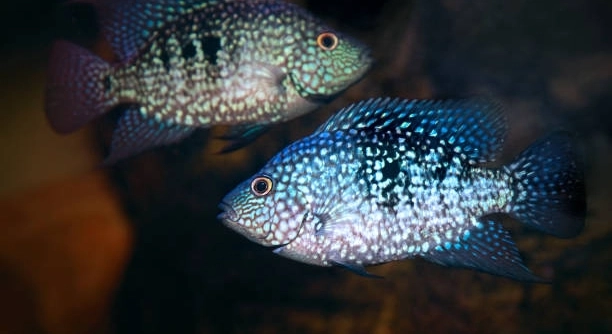
Do you ever notice how Dempsey fish interact with their partners in aquariums? These colorful fish are known for their strong pair bonds, and losing a mate can significantly change their behavior and daily routines.
After losing a mate, Dempsey fish may display signs of stress and isolation. They often become less active, hide more frequently, and reduce social interactions with other fish, which can impact feeding and overall health in captivity.
Observing these behavioral changes provides insight into their emotional and social needs, helping owners better support their fish during this challenging period.
Behavioral Changes After Losing a Mate
When a Dempsey fish loses its mate, its behavior can shift noticeably. Many fish become withdrawn, spending more time hiding behind decorations or in corners of the tank. Their usual active swimming patterns may slow, and they often ignore interactions they once enjoyed. Some may even become slightly aggressive toward other fish, asserting dominance in a way they did not before. Feeding habits also change, as loss can reduce appetite or make the fish hesitant during mealtime. Owners may notice that the fish no longer responds to stimuli like it used to. Environmental enrichment, such as rearranging tank decor or adding hiding spaces, can help ease stress. Maintaining stable water conditions is crucial, as fluctuations can worsen their anxiety. Careful observation during this period helps identify which behaviors are temporary reactions and which may indicate health issues, allowing for timely interventions and better support for the fish.
Behavioral shifts after a mate’s loss are temporary for some fish, but constant monitoring ensures long-term health and reduces stress.
Supporting a Dempsey fish through these changes requires attention to both environmental and social factors. Providing a quiet and stable environment minimizes stress. Adding new hiding spots can make the fish feel secure, while maintaining consistent feeding schedules encourages normal eating habits. Avoid introducing aggressive tankmates during this time, as additional stress can exacerbate behavioral issues. Observing interactions and adjusting care routines helps the fish regain confidence. Some Dempsey fish eventually adapt, showing increased activity and curiosity once the initial stress subsides.
Social Interactions and Recovery
Dempsey fish may avoid social contact for a while after losing a mate.
Reintroducing social elements gradually helps them adjust. Tank decorations or neutral companions can encourage gentle interaction without overwhelming the fish. Over time, observation and careful management of their environment allow the fish to regain confidence and return to more normal behaviors. Consistent care and a calm atmosphere support both emotional and physical recovery, ensuring the fish remains healthy and comfortable in its habitat.
Feeding Habits After Loss
Loss can make a Dempsey fish eat less than usual. They may seem disinterested in food or take longer to approach during feeding times.
Reduced appetite is common after losing a mate, as stress can affect digestion and energy levels. Offering smaller, more frequent meals can encourage eating. High-quality, easily digestible foods help maintain nutrition without overwhelming their system. Observing how the fish responds to different types of food can guide adjustments. Sometimes, hand-feeding or placing food near hiding spots can prompt them to eat. Patience is essential, as recovery may take days or weeks, and forcing feeding can increase stress. Maintaining a calm, stable tank environment supports both appetite and overall well-being during this period.
Tracking feeding behavior closely allows you to notice any serious changes. Consistent routines, combined with careful observation, help the fish regain regular eating patterns and maintain health.
Tank Environment Adjustments
Stress from losing a mate makes tank setup crucial. Hiding spots and visual barriers can reduce anxiety and aggressive tendencies.
Adding plants, rocks, or ornaments gives the fish a sense of security, letting them explore without feeling exposed. Rearranging the tank can also provide mental stimulation, preventing boredom during recovery. It is important to avoid sudden changes, as abrupt adjustments may worsen stress. Water quality must remain stable, including temperature, pH, and cleanliness, to support recovery. Gentle filtration and minimal disturbances help the fish feel safe. Over time, these environmental improvements encourage activity, restore confidence, and promote healthier interactions with other tankmates. Creating a calm and predictable habitat directly impacts the fish’s ability to recover emotionally and physically.
Stress Reduction Techniques
Providing gentle care helps reduce stress in a Dempsey fish after losing a mate. Keeping the tank environment calm and stable is key.
Minimizing sudden movements around the tank and avoiding loud noises can make the fish feel secure. Consistent feeding schedules and regular water maintenance also contribute to lowering stress levels.
Interaction With Other Fish
Gradual social reintroduction can help a Dempsey fish regain confidence. Avoid forcing interactions, as this may increase anxiety. Slowly allowing the fish to observe and interact with tankmates encourages normal social behavior. Patience is essential, as some fish need more time than others to adjust.
Monitoring Health
Watch for signs of illness or prolonged stress. Appetite loss, lethargy, or unusual swimming patterns may indicate problems. Consistent observation ensures early detection and timely care.
Mental Stimulation
Providing objects and opportunities for exploration keeps the fish engaged. Simple rearrangements or new ornaments can encourage activity and prevent boredom.
FAQ
How long does it take for a Dempsey fish to recover after losing a mate?
Recovery time varies depending on the fish’s personality and environment. Some Dempsey fish may start showing normal behaviors within a week, while others may take several weeks. Consistent care, a calm environment, and gradual reintroduction to social interactions all support faster recovery. Stress management and proper nutrition are key factors in helping the fish regain its usual activity levels and appetite. Patience is essential, as forcing interactions or changing the tank setup too quickly can slow progress. Observing daily behavior provides insight into their adjustment process and helps identify if additional support is needed.
Will a Dempsey fish become aggressive after losing a mate?
Some Dempsey fish may show increased aggression, particularly toward other tankmates, as they attempt to reestablish dominance. This behavior often results from stress and uncertainty in their social environment. Providing hiding spots and visual barriers can reduce confrontations. Avoid introducing new tankmates during this period, as unfamiliar fish may trigger more aggressive displays. Monitoring interactions closely ensures that aggression does not escalate to serious injury. Gradually, as stress decreases and confidence returns, aggression usually subsides, and the fish can return to normal social behavior without constant conflict.
Should I change the tank setup after a Dempsey fish loses a mate?
Adjustments can be beneficial but should be done gradually. Adding new hiding spots, rearranging decorations, or including plants can help reduce stress and encourage exploration. Sudden changes may increase anxiety, so it is important to maintain water quality, temperature, and filtration consistently. Introducing these changes slowly gives the fish time to adapt and feel secure. Observing how the fish reacts to the new environment allows owners to fine-tune the setup for comfort. Over time, small, intentional adjustments can improve mental stimulation and promote healthier behavior.
Is it normal for a Dempsey fish to hide more after losing a mate?
Yes, hiding is a natural response to stress. Dempsey fish may retreat to corners, plants, or ornaments to feel safer. This behavior helps them manage anxiety and avoid confrontations with other tankmates. Providing multiple hiding spots can encourage a sense of security, while also allowing the fish to observe its surroundings without feeling exposed. Over time, as stress decreases and confidence returns, the fish typically resumes normal swimming patterns and interacts more with the environment. Hiding should be monitored, but occasional retreats are not a sign of illness if the fish is otherwise active.
How can I encourage a Dempsey fish to eat after losing a mate?
Stress can reduce appetite, so offering smaller, more frequent meals may help. High-quality, easily digestible foods encourage eating without overwhelming the fish. Placing food near hiding spots or gently hand-feeding can prompt the fish to feed. Maintaining a calm, consistent environment supports normal feeding habits. Observing which foods are most appealing can guide adjustments. Patience is important, as forcing the fish to eat may increase stress. Over time, with gentle encouragement and proper nutrition, the fish’s appetite usually returns to normal.
Can a Dempsey fish bond with a new mate after losing the previous one?
Yes, though it depends on the fish’s temperament and the social environment. Introducing a compatible mate gradually, in a calm and neutral tank space, allows the fish to adjust without feeling threatened. Observing interactions closely ensures the pair develops a stable bond. Some fish may take longer to form new attachments, while others adapt more quickly. Ensuring the tank remains stress-free and providing adequate hiding spots supports positive social behavior. Patience and careful monitoring are essential, as forcing pair bonding too soon can create aggression or prolonged stress.
What signs indicate prolonged stress in a Dempsey fish?
Signs include continuous hiding, refusal to eat, lethargy, rapid gill movement, or unusual swimming patterns. Aggression toward tankmates, clamped fins, and dull coloration may also indicate stress. Identifying these signs early allows for intervention through environmental adjustments, improved nutrition, and reduced disturbances. Prolonged stress can affect health, so timely action is crucial. Monitoring behavior and making incremental changes can help the fish recover more quickly.
Can Dempsey fish recover emotionally without human intervention?
Some fish may gradually adjust on their own if the tank environment is stable, quiet, and enriched with hiding spots and stimulation. However, attentive care accelerates recovery. Ensuring proper feeding, clean water, and gradual social reintroduction supports both emotional and physical health. Observing behavior helps determine when extra support is necessary. While natural adjustment occurs over time, proactive care reduces risk of prolonged stress and improves overall well-being.
Final Thoughts
Losing a mate can have a noticeable impact on a Dempsey fish, and it is important to understand that their reactions are normal. Stress, changes in behavior, and reduced social interaction are common responses. These fish form strong pair bonds, so the absence of a mate can affect both emotional and physical well-being. Owners should observe their fish carefully during this period, noting any changes in activity, appetite, or social behavior. Paying attention to these signals helps determine whether the fish is adjusting naturally or requires extra support. While the initial period of loss may be challenging, many Dempsey fish gradually adapt when provided with a stable, calm environment that meets their basic needs.
Providing a consistent and enriched environment plays a major role in supporting a Dempsey fish after losing a mate. Hiding spots, plants, and decorations can give them a sense of security while encouraging gentle exploration. Maintaining stable water quality, temperature, and regular feeding schedules helps reduce stress and promote overall health. Gradual reintroduction to social interactions with other fish or a new mate can also help rebuild confidence and restore normal behavior. Stress reduction techniques, such as minimizing loud noises or sudden movements around the tank, are equally important. Consistent observation and careful adjustments allow the fish to regain its usual activity levels without feeling overwhelmed, which supports both emotional recovery and physical health over time.
It is also essential to remember that recovery is a gradual process, and patience is key. Some Dempsey fish may resume normal behavior within a few days, while others may take weeks to adjust. Owners should avoid forcing interactions or sudden changes, as these actions can increase stress and slow progress. Observing feeding habits, activity levels, and social behavior provides valuable information for assessing their recovery. Providing gentle encouragement, environmental enrichment, and consistent care ensures that the fish remains healthy and comfortable during this period. Over time, with careful attention and support, most Dempsey fish can regain confidence, resume normal behaviors, and continue to thrive in their tank environment. This process highlights the importance of understanding the emotional and social needs of these fish, allowing them to live healthier, more balanced lives.

Hello,
If you enjoy the content that we create, please consider saying a "Thank You!" by leaving a tip.
Every little bit helps us continue crafting quality advice that supports the health, happiness, and well-being of pets around the world, for pets of all shapes, sizes, and species.
We really appreciate the kindness and support that you show us!