
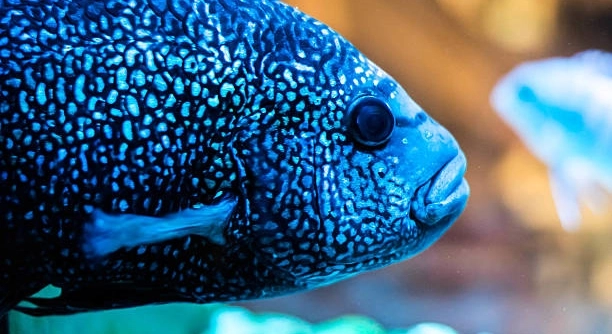
Have you ever noticed the unique patterns on Jack Dempsey fish and wondered if they show favoritism toward certain spots? These colorful fish are known for their striking markings and lively behavior in home aquariums.
Research suggests that Jack Dempsey fish may exhibit preferences for specific spots or territories within their tank. These preferences are influenced by factors such as shelter availability, water conditions, and social interactions with other fish.
Observing these behaviors can reveal important insights into their habits and help create a more comfortable environment for your aquarium.
Understanding Jack Dempsey Fish Behavior
Jack Dempsey fish are naturally territorial and show strong preferences for specific areas in an aquarium. These spots often provide shelter, access to food, or proximity to other fish they feel comfortable around. Observing their movement patterns can reveal how they claim certain areas and defend them. Their markings can also play a role in interactions, as brighter or more distinct patterns may indicate dominance or confidence. Even minor changes in lighting or décor can influence which spots they favor. Fish may shift their preferred areas based on tank size, decorations, or water flow, showing adaptability in their behavior. Over time, owners can notice consistent patterns, indicating stable preferences. Recognizing these preferences helps maintain a healthier environment and reduces stress for the fish. Paying attention to subtle signals, like fin displays or resting positions, gives insight into their comfort levels and overall well-being.
Spot preferences are often linked to safety and comfort rather than random choice.
Jack Dempsey fish can be selective about their surroundings. Certain spots may provide a sense of security or easier access to food. They may avoid open areas if they feel exposed. Social interactions also affect their choices. A less dominant fish may choose a hiding spot near decorations or plants to avoid conflict. Changes in tank conditions, like lighting or temperature, can shift these preferences. Owners who observe and adjust accordingly can encourage healthier behaviors. Recognizing patterns early allows for arranging the tank in a way that satisfies each fish’s needs. Over time, these preferences become more predictable. They may even develop favorite spots near certain decorations or corners of the tank. Understanding these habits makes it easier to maintain harmony among multiple fish and create a stable environment.
Factors Influencing Spot Selection
Tank layout and decorations play a major role in where Jack Dempsey fish choose to settle.
Water parameters, lighting, and food distribution strongly influence the spots fish prefer. Temperature and flow affect comfort and resting areas. Social hierarchy in the tank determines which fish occupy prime spots. Dominant fish usually claim the safest or most central areas, while less dominant individuals take corners or shaded regions. Even slight changes, like moving a rock or plant, can alter their behavior. Observing these reactions helps in arranging the tank for minimal stress. Patterns of aggression or avoidance often emerge based on these factors. Feeding areas also guide fish to preferred zones over time. The combination of environmental and social elements makes spot selection a complex, but understandable, behavior. Keeping conditions stable allows fish to establish and maintain consistent preferences. Adjusting tank elements thoughtfully ensures all fish feel secure and confident. Over time, these considerations lead to a healthier, more balanced aquarium ecosystem.
Recognizing Preferred Spots
Jack Dempsey fish often return to the same areas repeatedly, signaling their preferred spots. These areas usually offer shelter, low stress, and easy access to food. Watching these patterns can help adjust tank setup to match their comfort needs.
Frequent visits to particular spots are a sign of territory or comfort. Fish often linger near decorations, plants, or shaded areas, avoiding open spaces where they feel vulnerable. Dominant fish may claim central locations, while less dominant individuals stick to corners or behind objects. Observing how they interact with their environment helps understand which areas are most important to them. Adjusting tank layout to maintain these favored spots encourages natural behaviors and reduces stress, contributing to overall health. Preferences can change over time, but repeated patterns indicate consistent choice.
Understanding the cues fish give when choosing spots is important. Resting positions, movement patterns, and interactions with other fish all indicate comfort levels. These signs reveal which areas are safe or desirable. Changes in environment may alter choices, but careful observation allows owners to support stable behavior. Recognizing favorite spots ensures that fish feel secure and confident in their surroundings, promoting better health and activity. Consistent care and observation help maintain these preferences over time.
Impact of Environment
Tank decorations and plant placement directly affect spot selection. Fish choose areas that feel secure and familiar, which can reduce stress and aggression.
Water quality, lighting, and space influence behavior and comfort. Poor water parameters can force fish to avoid certain areas, while consistent, clean conditions encourage exploration. Flow patterns and temperature variations also affect where fish spend their time. Social hierarchy determines which individuals occupy prime locations, and moving decorations can shift their preferences. Feeding schedules guide them toward certain zones repeatedly, reinforcing spot selection. Observing how fish interact with environmental factors helps in arranging a tank that supports natural behavior, reduces conflicts, and provides safe, consistent spaces for all fish.
Stable tank conditions foster predictable preferences and healthier interactions. Fish adjust their movements according to comfort and safety, often returning to familiar spots. Environmental consistency allows them to form territories without unnecessary stress. By monitoring how lighting, flow, and space affect behavior, owners can optimize layout to meet each fish’s needs. Changes in decorations or water parameters can shift these choices, so careful planning is key. Maintaining stability ensures that Jack Dempsey fish feel secure, confident, and less prone to aggression or stress, supporting their overall well-being and natural activity patterns in the aquarium.
Observing Social Influence
Jack Dempsey fish often choose spots based on interactions with other fish. Dominant individuals claim the safest or most central areas, while less dominant ones settle near hiding places. Watching these dynamics helps in understanding their comfort levels and social hierarchy.
Group behavior can shape spot preferences. Fish may adjust their location to avoid conflict or seek proximity to certain companions. These patterns show how social interactions directly influence which areas are favored. Recognizing these tendencies allows for better tank management and reduces stress among fish.
Feeding Areas and Spot Selection
Feeding locations strongly influence where Jack Dempsey fish spend time. Fish often linger near areas where food is consistently available, creating habitual spots. Over time, these feeding zones can become preferred areas for resting or social interaction. Understanding this behavior helps arrange feeding and tank layout.
Effects of Tank Size
Larger tanks offer more options for spot selection. Fish can establish multiple preferred areas, reducing competition and stress. Smaller tanks may limit choices, increasing territorial disputes. Observing how tank size impacts behavior is key to providing a comfortable environment.
Behavior Changes Over Time
Jack Dempsey fish may shift their preferred spots as they grow or adapt to changes. Observing these adjustments reveals how they respond to their environment. Recognizing evolving patterns ensures their habitat remains suitable and supports their well-being.
FAQ
How can I tell which spots my Jack Dempsey fish prefers?
Observing behavior over several days helps identify preferred spots. Fish will often linger in certain areas, return repeatedly, or show relaxed body language near specific decorations, plants, or shaded corners. Resting positions, interactions with other fish, and feeding responses are key indicators.
Do Jack Dempsey fish always stay in the same spot?
Not necessarily. While they have favorite areas, preferences can shift due to environmental changes, tank rearrangements, or social dynamics. Dominant fish may claim new spots, or a fish may move if a preferred area becomes uncomfortable. Monitoring over time helps recognize stable choices.
Can tank decorations influence spot selection?
Yes, decorations play a major role. Rocks, caves, and plants provide shelter and security, encouraging fish to stay nearby. Changing these elements can shift preferences, while consistent placement helps reinforce stable spots. Variety allows multiple fish to claim safe zones, reducing conflicts.
Do other fish affect which spots Jack Dempsey fish choose?
Social interactions heavily influence behavior. Dominant fish occupy prime locations, while less dominant individuals seek hiding spots or corners. Observing interactions helps understand how hierarchy affects their choices. Providing multiple secure areas allows coexistence and reduces stress.
Does feeding location determine preferred spots?
Repeated feeding near certain areas encourages fish to linger there. These zones may also become resting or social areas. Rotating feeding locations or maintaining consistent spots can influence movement patterns and promote natural behaviors.
How does tank size affect spot preferences?
Larger tanks provide more options for establishing multiple preferred areas. Fish can avoid conflict and feel secure. In smaller tanks, limited space may lead to competition or increased territorial behavior. Observing fish movement ensures the environment meets their spatial needs.
Will Jack Dempsey fish change their preferences over time?
Yes. Growth, changes in lighting, water flow, or tank rearrangements can shift choices. Fish adapt to new conditions, and previously favored spots may be abandoned. Tracking these changes allows owners to maintain comfort and reduce stress.
Are certain water conditions linked to spot selection?
Temperature, flow, and water quality influence comfort. Fish avoid areas with strong currents or unstable conditions. Consistent, clean water promotes exploration and stable preference patterns. Minor changes may alter choices, highlighting the need for steady tank maintenance.
Can stress affect where fish settle?
Stress strongly impacts behavior. Fish may hide, avoid open areas, or cling to specific spots when stressed. Factors include aggression from tankmates, sudden changes, or poor water quality. Observing unusual spot patterns often signals a need to check environmental conditions.
How can I support my fish in maintaining their preferred spots?
Maintain stable water parameters, consistent decorations, and secure hiding areas. Observe social interactions to minimize conflict and ensure feeding routines meet their needs. Gradual changes and careful monitoring help fish feel safe, encouraging natural, repeated use of preferred spots.
Do Jack Dempsey fish prefer shaded areas over open spaces?
Generally, yes. Shaded areas provide security and reduce stress. Fish often choose spots near plants, caves, or corners rather than open areas. These safe zones allow resting, feeding, and observing tankmates with reduced vulnerability.
Can lighting influence their choices?
Lighting affects visibility, comfort, and activity patterns. Bright light may drive fish toward shaded or covered areas. Gradual adjustments and observing their response ensures their preferred spots remain comfortable without disrupting behavior.
Are territorial disputes common in shared tanks?
Yes. Jack Dempsey fish are naturally territorial. Multiple fish in the same tank may compete for preferred spots, especially if decorations are limited. Providing multiple hiding spots and careful observation reduces aggression and maintains peace.
Does age impact preferred spots?
Young fish may be more flexible in their choices, exploring various areas. Mature fish often settle into consistent spots that offer safety and comfort. Observing changes with age helps maintain an environment that supports stable preferences and well-being.
How do I know if a preferred spot is causing stress?
Signs include frequent darting, hiding excessively, or aggression toward other fish. If a fish avoids its usual spot or shows unusual behavior, environmental factors may be the cause. Adjusting décor, flow, or lighting can restore comfort and reduce stress.
Can water flow or current influence spot selection?
Yes. Strong currents may push fish away from certain areas. Calm zones, corners, or behind decorations are favored. Monitoring their movements relative to flow helps optimize tank setup and ensures they can maintain preferred spots comfortably.
Do Jack Dempsey fish prefer areas near the surface or bottom?
Preferences vary but are often influenced by shelter, feeding, and social interactions. Many choose mid to bottom levels where they feel secure and have access to hiding spaces. Observing where they spend the most time shows true preference.
Can spot preference affect feeding behavior?
Yes. Fish often eat near safe areas or familiar zones. Feeding routines that align with these spots encourage regular activity and reduce stress. Providing consistent access to food supports both preference stability and overall health.
How often should I monitor their preferred spots?
Daily observation is ideal. Fish may adjust habits based on environment, health, or social factors. Tracking patterns over time ensures their habitat remains suitable, safe, and supportive of natural behavior.
Do tankmates ever influence changes in preferred spots over time?
Yes. Introducing new fish, shifts in hierarchy, or aggressive interactions can cause previously favored areas to be abandoned. Providing multiple secure zones helps all fish maintain comfort and reduces territorial conflicts.
Are there signs of strong attachment to certain spots?
Repeated use, resting, and protective behavior indicate attachment. Fish may return to the same area consistently and show confidence while there. Recognizing these signs helps maintain a stable, supportive environment.
Is it normal for Jack Dempsey fish to change spots seasonally or with tank changes?
Yes. Adjustments in temperature, lighting, or tank layout can shift behavior. Fish adapt to these changes, and observing how they respond ensures continued comfort and reduces stress in their environment.
Can stress from other species affect spot preference?
Aggressive or overly active tankmates can force Jack Dempsey fish into less desirable areas. Observing interactions and separating incompatible fish maintains safe spaces, allowing preferred spots to remain accessible and stress-free.
Do Jack Dempsey fish show loyalty to certain spots?
Yes. While adaptable, they often return to areas that provide security, food access, or comfort. This repeated behavior demonstrates a form of spatial loyalty, influenced by environmental stability and social dynamics.
How can I encourage natural spot selection in my tank?
Provide varied decorations, secure hiding places, and consistent water conditions. Observe interactions, reduce stressors, and maintain stable feeding routines. These steps allow fish to establish and maintain preferred spots naturally, supporting healthy behavior and well-being over time.
Can spot preference indicate health issues?
Sudden avoidance of a usual spot or unusual lingering may signal illness or stress. Monitoring changes in location or behavior can help identify health problems early, allowing prompt care and adjustment of tank conditions.
How long does it take for a Jack Dempsey fish to establish preferred spots?
It varies. Some fish choose spots within days, while others may take weeks to show consistent patterns. Observing behavior over time provides insight into stable preferences and environmental comfort.
Do preferred spots differ between male and female Jack Dempsey fish?
Yes. Males often claim more central or prominent areas to assert dominance, while females may favor sheltered zones. Recognizing these differences helps maintain harmony and proper territory distribution in mixed tanks.
Are multiple preferred spots common in one tank?
Larger tanks or complex layouts allow fish to develop several favored areas. Multiple spots provide choice, reduce conflict, and offer alternatives if conditions change, helping maintain stable behavior and comfort.
How do I handle sudden changes in preferred spots?
Identify potential triggers like rearranged decorations, new fish, or water parameter shifts. Restore stability gradually, monitor interactions, and adjust the environment to support comfort. Fish usually readjust when safe zones and conditions are consistent.
Is it normal for fish to share preferred spots?
Yes, especially if multiple areas are available. Social tolerance, size differences, and decorations influence whether fish share or avoid spots. Observing behavior ensures that sharing does not lead to stress or aggression.
Can preferred spots improve overall well-being?
Consistent, comfortable areas reduce stress, encourage natural behavior, and improve health. Supporting these preferences ensures fish feel secure, confident, and active, promoting long-term well-being and stability in the aquarium environment.
Do Jack Dempsey fish prefer quiet areas over active zones?
Generally, yes. Fish often avoid high-traffic zones near filters or decorations with strong movement. Calm areas provide security and rest opportunities, shaping their choice of favorite spots.
Can environmental enrichment change their preferred spots?
Yes. Adding or rearranging plants, caves, or decorations can create new favored areas. Enrichment encourages exploration and natural behaviors, while maintaining some stable zones ensures comfort and reduces stress.
How important is consistency in tank layout for spot preferences?
Very important. Stable layouts reinforce familiar safe zones, reduce stress, and allow predictable patterns. Sudden changes can lead to conflict, hiding, or avoidance, making consistency key to supporting preferred spots and natural behavior.
Do Jack Dempsey fish ever abandon a previously favored spot permanently?
Yes. Factors such as stress, illness, new tankmates, or environmental changes can lead to permanent shifts. Observing these changes ensures adjustments can be made to maintain comfort and safety.
Can monitoring spot selection help with breeding?
Yes. Recognizing which areas fish favor allows for strategic placement of breeding sites and nesting areas, supporting natural behavior and reducing conflicts during breeding periods.
How do I balance multiple fish’s spot preferences in one tank?
Provide varied hiding places, decorations, and feeding zones. Observe interactions and adjust as needed. Multiple secure options reduce competition, ensuring each fish can establish preferred spots while maintaining harmony.
Are there differences in spot preference between young and mature fish?
Yes. Younger fish explore more and are flexible in their choices. Mature fish tend to settle into consistent, secure zones. Observing development helps create a suitable environment for all life stages.
Do Jack Dempsey fish show signs of comfort when in their preferred spot?
Yes. Relaxed posture, slow swimming, and occasional resting indicate comfort. Fish may also interact confidently with tankmates or feed nearby. Recognizing these signs confirms the area meets their needs.
Can temperature changes affect spot selection?
Yes. Fish may seek warmer or cooler areas depending on tank conditions. Gradual adjustments and consistent temperatures ensure comfort and prevent frequent shifts in preferred locations.
Is spot preference linked to activity levels?
Yes. Active fish may patrol larger territories or move between favored areas, while less active fish remain in secure, sheltered zones. Observing movement helps gauge comfort and energy levels.
Do Jack Dempsey fish recognize the same spots over time?
Yes. They form spatial memory, returning to areas that provide safety, feeding opportunities, and comfort. Maintaining familiar spots supports stability, reduces stress, and encourages natural behavior patterns.
How can I use knowledge of spot preference to improve tank design?
Arrange decorations, plants, and feeding zones based on observed preferences. Provide multiple secure areas, ensure consistent water flow, and minimize stressors. This supports natural behavior, reduces conflict, and enhances overall health and well-being.
Can observing preferred spots indicate environmental problems?
Yes. Avoidance, unusual clustering, or aggression may signal poor water quality, strong currents, or insufficient hiding places. Adjusting conditions helps restore comfort and stable behavior.
Do Jack Dempsey fish ever compete for the same spot?
Yes, especially in limited spaces or small tanks. Dominant fish claim prime areas, while others are forced to secondary zones. Providing multiple secure spots reduces conflict and maintains harmony.
How long should I wait to notice consistent spot preferences?
Patterns often appear within days, but stable preferences may take weeks to fully develop. Observing behavior regularly ensures accurate understanding of favored areas.
Can spot preference affect health or stress levels?
Absolutely. Access to safe, comfortable areas reduces stress, prevents aggression, and encourages normal behavior. Supporting these preferences promotes long-term health and well-being in the aquarium environment.
Are there common mistakes owners make regarding spot preferences?
Frequent rearrangements, overcrowding, and ignoring social hierarchy are common mistakes. These disrupt natural behavior, increase stress, and may force fish away from preferred areas. Consistency, observation, and proper tank setup prevent these issues.
Can I encourage fish to use multiple spots?
Yes. Adding enrichment, multiple hiding places, and varied feeding locations encourages exploration. Offering alternatives reduces competition and stress while allowing natural territorial behavior.
Do preferred spots differ in single-species versus community tanks?
Yes. Single-species tanks allow more predictable, consistent spot selection. In community tanks, interactions, aggression, and territorial disputes influence choices, making observation and careful layout essential.
How can I tell if a spot is truly preferred or just temporary?
Repeated use, relaxed behavior, and consistent visits indicate true preference. Temporary spots may only be used occasionally or during specific circumstances, such as feeding or avoiding aggression.
Are there seasonal changes in preferred spots?
Minor seasonal shifts can occur due to temperature or light changes. Gradual adjustments allow fish to maintain comfort without stress, though stable preferred areas generally remain consistent.
Do Jack Dempsey fish remember their preferred spots after relocation?
Yes, they often quickly identify familiar features in a new tank and settle in similar areas, provided environmental conditions and security remain consistent.
Can stress reduction improve spot preference behavior?
Yes. Stable water quality, consistent layout, secure hiding areas, and minimized aggression allow fish to confidently claim and maintain preferred spots, supporting overall well-being and natural behavior.
Is it normal for fish to patrol multiple favorite spots?
Yes. Active or territorial individuals may move between zones, checking boundaries and interacting with others. This behavior reflects comfort and engagement with their environment, rather than stress.
How do I balance spot preferences and feeding needs?
Align feeding routines with safe, accessible areas. Consistency allows fish to eat comfortably while maintaining control over their preferred spots. Multiple feeding zones reduce competition and support natural behavior.
Are some spots used only for resting and others for activity?
Yes. Fish often rest in sheltered, quiet areas, while more open or central zones may be used for exploration, feeding, or interaction. Observing these patterns helps optimize tank layout.
Do Jack Dempsey fish show signs of enjoyment in certain spots?
Signs include relaxed swimming, frequent visits, and confident behavior. These indicate comfort, security, and satisfaction with the chosen environment, confirming the spot meets their needs.
Can spot preference be used to monitor health?
Yes. Changes in location, avoidance, or unusual lingering may indicate stress or illness. Regular observation helps detect problems early and ensures timely care.
How important is variety in spots for long-term well-being?
Providing multiple areas prevents boredom, reduces conflict, and supports natural behavior. Variety encourages exploration and allows fish to adjust to environmental changes without stress.
Do Jack Dempsey fish ever form temporary territories for feeding?
Yes. Fish may defend areas near food during feeding times, temporarily increasing use of specific zones. After feeding, they often return to their usual preferred spots.
Can observing spot preferences improve aquarium management?
Absolutely. Monitoring behavior helps adjust layout, reduce stress, prevent aggression, and support health. Understanding these patterns ensures the tank meets the fish’s environmental and social needs consistently.
Are some spots preferred at certain times of day?
Yes. Light levels, feeding schedules, and activity patterns influence location choice. Fish may favor shaded areas during bright periods and open zones when active. Recognizing these trends helps optimize tank setup.
Does water temperature gradient create spot preferences?
Yes. Fish often seek areas with comfortable temperature. Gradients influence where they rest, feed, or interact. Stable temperature ensures consistent and safe spot selection.
Can spot preference predict future behavior?
Observing favorite areas provides insight into territoriality, social interactions, and comfort. Consistent patterns indicate stable habits, helping anticipate movements and responses to changes.
Do Jack Dempsey fish ever abandon preferred spots due to aggression?
Yes. Aggression from dominant tankmates may force relocation. Providing multiple secure areas helps mitigate stress and allows all fish to maintain comfort zones.
How do I encourage natural spot selection without stressing the fish?
Introduce gradual changes, maintain water quality, and provide multiple hiding spots. Observe behavior and adjust slowly, ensuring fish remain confident and secure while exploring preferred areas.
Is consistent observation necessary for maintaining preferred spots?
Yes. Daily or regular observation allows recognition of changes, early detection of stress or health issues, and ensures the environment continues to support natural behavior.
Can spot preference influence breeding behavior?
Yes. Preferred safe areas may serve as nesting or courtship zones. Understanding these preferences allows for better placement of breeding sites and reduces territorial disputes.
Do Jack Dempsey fish ever share favorite spots with other species?
Occasionally, depending on tankmates and space. Peaceful cohabitation occurs if areas are sufficient, while overcrowding may cause avoidance or stress. Observation ensures comfort for all fish.
Can rearranging the tank reset spot preferences?
Yes. Fish may explore new layouts and form new favored areas. Gradual rearrangements prevent stress and help maintain comfort while encouraging natural exploration.
Are some spots used more during night than day?
Yes. Fish may retreat to sheltered areas at night for security and rest, while exploring preferred open or central zones during the day for feeding and interaction.
Do Jack Dempsey fish recognize specific features in preferred spots?
Yes. Fish use visual cues from plants, rocks, or corners to identify safe zones. Familiar features provide security and influence repeated use of areas.
Can spot preference indicate compatibility in community tanks?
Yes. Observing which areas fish occupy, avoid, or share reveals social dynamics. Adjusting tank layout based on these behaviors promotes harmony and reduces stress.
How important is observing preferred spots for long-term tank success?
Observation is crucial. Understanding where fish feel safe, rest, and interact helps maintain environmental stability, reduce conflict, and support overall health, behavior, and well-being consistently.
Do Jack Dempsey fish prefer spots near filtration or aeration devices?
It depends on comfort and flow. Some may avoid strong currents near filters, while others stay close if conditions are favorable. Observation ensures optimal placement of these devices without disrupting preferred areas.
Can tracking spot preference reveal individual personalities?
Yes. Some fish are bold and occupy central zones, while others are shy and stick to sheltered corners. Recognizing these traits allows tailored tank management for each fish.
Are preferred spots fixed or flexible in new tanks?
They are flexible initially. Fish explore before settling. Familiar features and stable conditions help them establish consistent zones over time.
Can spot preference influence social hierarchy?
Yes. Dominant fish often claim prime locations, while less dominant ones adapt by
Jack Dempsey fish are fascinating creatures, and understanding their behavior can make caring for them easier and more rewarding. One of the key behaviors to observe is their preference for specific spots within the tank. These choices are influenced by several factors, including shelter, food availability, water conditions, lighting, and interactions with other fish. Fish often return to areas where they feel safe and comfortable. Over time, these preferred spots become familiar zones where the fish can rest, eat, and monitor their surroundings. Paying attention to these behaviors is not only interesting but also practical, as it helps in creating an aquarium environment that meets their needs and reduces stress. Consistent observation allows you to notice changes in habits, which can indicate environmental shifts or health issues. Recognizing favorite areas and the reasons behind these preferences provides insight into the fish’s daily routines and well-being.
Tank layout plays a major role in shaping these preferences. Rocks, caves, plants, and shaded corners all offer security, and fish often choose spots near these features. The size of the tank also matters; larger tanks provide more options for multiple preferred areas, reducing conflicts between fish, while smaller tanks may increase competition for prime spots. Social dynamics are equally important. Dominant fish often claim central or open areas, while less dominant individuals tend to seek corners or hidden spaces to avoid aggression. Feeding routines also contribute to spot selection, as repeated access to food reinforces certain zones as safe and desirable. Monitoring these patterns over time allows you to arrange the tank in a way that supports natural behavior, ensures all fish feel secure, and promotes harmony within the tank.
Spot preferences are not fixed and can change based on environmental conditions, growth, or social shifts. For example, a fish may abandon a previously favored area if water conditions change, if a new fish is introduced, or if decorations are moved. Recognizing these changes helps maintain a stable environment by adjusting the tank setup, feeding routines, and shelter availability. Ensuring consistent water quality, lighting, and flow is essential for supporting the fish’s comfort and safety. By respecting their natural tendencies and creating an environment that aligns with their preferences, owners can encourage healthy behavior and reduce stress. Observing and responding to these behaviors ultimately benefits the fish, leading to a more balanced, confident, and active aquarium environment. Understanding Jack Dempsey fish spot preferences is a simple yet effective way to improve their quality of life while making fishkeeping more enjoyable.

Hello,
If you enjoy the content that we create, please consider saying a "Thank You!" by leaving a tip.
Every little bit helps us continue crafting quality advice that supports the health, happiness, and well-being of pets around the world, for pets of all shapes, sizes, and species.
We really appreciate the kindness and support that you show us!