
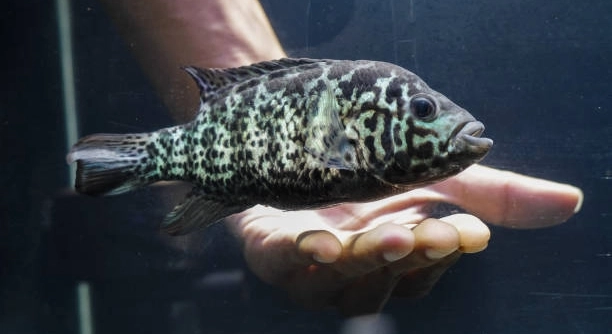
Jack Dempsey fish are popular among aquarium enthusiasts for their vibrant colors and active behavior. Watching them move around the tank, chase smaller fish, or interact with their environment can be both entertaining and fascinating to observe.
Jack Dempsey fish chase for multiple reasons, including territorial defense, establishing dominance, and natural hunting instincts. While their behavior may appear aggressive, it is often a combination of instinctual drive and environmental stimulation rather than pure hostility.
Observing these behaviors closely can help you better understand their needs and maintain a healthy, balanced aquarium environment.
Understanding Jack Dempsey Fish Behavior
Jack Dempsey fish are naturally territorial and often show chasing behavior as part of their daily interactions. They tend to swim quickly after smaller fish, especially if space in the tank feels limited. This chasing can be more noticeable during feeding times when they are more alert and active. The fish also establish a hierarchy in the tank, and chasing helps them define dominance among other fish. Lighting, tank size, and hiding spots can influence how often they chase. Providing proper cover and keeping the tank environment consistent reduces stress and helps manage aggressive behavior. Their bright colors and movement patterns make it easy to notice subtle changes in behavior. Regular observation helps identify if chasing is playful, defensive, or a sign of stress. Over time, understanding these signs can improve the interactions between different fish in the same aquarium.
Chasing is often instinctual rather than purely aggressive, and recognizing patterns helps prevent unnecessary stress for the fish.
Keeping an eye on tank conditions and social structure is crucial. Offering enough space and hiding places allows Jack Dempsey fish to express natural behaviors without overwhelming other fish. Feeding schedules, tank decorations, and compatible tank mates play an important role in maintaining balance. By observing their movements, owners can predict potential conflicts and adjust the environment accordingly. This attentiveness helps the fish stay healthy, active, and less stressed. Over time, a well-planned setup reduces excessive chasing and fosters a more peaceful aquarium, where Jack Dempsey fish can show personality without causing harm to others.
Reasons Behind Chasing Behavior
Chasing can be triggered by multiple factors in their environment.
The chasing behavior of Jack Dempsey fish is primarily linked to territorial instincts, feeding response, and breeding readiness. When a fish feels its space is threatened, it will pursue intruders to assert dominance. Similarly, they chase smaller fish or moving objects during feeding due to predatory instincts, which is a natural part of their diet-driven behavior. During breeding periods, males become more protective of their nesting areas, often chasing others away to safeguard eggs or fry. Environmental factors such as overcrowding, lack of hiding spots, or inconsistent lighting can also increase chasing frequency. Observing when and how they chase helps identify the cause. Adjustments to tank size, placement of decorations, and pairing with compatible fish species can minimize stress-induced chasing while allowing natural behaviors to continue. Understanding these triggers ensures a healthier and more stable aquarium setting for both the Jack Dempsey and other tank inhabitants.
Managing Aggression in Jack Dempsey Fish
Aggression in Jack Dempsey fish is common but manageable with the right tank setup. Providing sufficient space, hiding spots, and compatible tank mates reduces stress. Observing interactions closely helps determine whether chasing is playful or territorial.
Adjusting the tank environment is key to reducing aggressive behavior. A larger tank gives fish room to establish territories without constant confrontation. Adding plants, rocks, and caves creates hiding spots, which allow less dominant fish to avoid conflicts. Choosing tank mates with similar size and temperament prevents smaller fish from becoming targets. Regular monitoring of feeding times ensures all fish receive enough food, preventing competition-driven aggression. Keeping water conditions stable also reduces stress, which can escalate chasing.
Behavioral enrichment can further minimize aggression. Introducing varied decorations, rearranging tank items occasionally, and offering live or frozen foods can redirect chasing into exploration and hunting instincts. Social structure in the tank often stabilizes once fish have enough territory and hiding places. Avoiding overcrowding and maintaining a consistent routine encourages calm interactions. With careful observation and adjustments, chasing behavior can become less intense, allowing Jack Dempsey fish to coexist more peacefully while still displaying natural activity patterns.
Feeding and Chasing Patterns
Jack Dempsey fish often chase during feeding due to instinctual hunting behavior and excitement over food.
Feeding schedules influence chasing behavior significantly. Fish become more active and alert when food is introduced, often pursuing smaller fish or floating food rapidly. Using slow-dispensing methods or feeding in multiple areas can reduce competition and intense chasing. Providing a balanced diet that includes protein-rich foods supports healthy activity levels and reduces frustration. Observing which fish consistently chase can help adjust portion sizes and feeding locations, ensuring less dominant fish still receive nutrition. Over time, consistent feeding routines help moderate excitement-driven chasing while allowing fish to express natural predatory behaviors safely.
Understanding the link between diet and chasing allows for better tank management. When chasing occurs primarily during meals, adjustments to feeding methods, timing, and food type can minimize stress and prevent injuries. Live or frozen foods, such as small shrimp or bloodworms, satisfy hunting instincts without over-stimulating aggression toward tank mates. Feeding multiple times a day in small amounts keeps fish engaged and less likely to target slower or smaller companions. Tank layout also affects behavior during feeding; scattered decorations and hiding spots give less dominant fish safe zones. By considering diet, environment, and social structure together, chasing behavior becomes predictable and manageable.
Tank Size and Space
A larger tank helps Jack Dempsey fish reduce chasing and territorial disputes. Providing enough room allows each fish to establish its own area and lowers stress levels.
Space also encourages natural behavior. Overcrowding increases aggression, so choosing an appropriately sized tank is essential for their well-being.
Hiding Spots and Decorations
Rocks, plants, and caves give Jack Dempsey fish safe areas to retreat when feeling threatened. These hiding spots prevent constant chasing and allow less dominant fish to rest. Proper decoration placement helps balance territory, keeping the tank peaceful and giving each fish a sense of security.
Breeding and Chasing
During breeding periods, male Jack Dempsey fish become more protective and chase intruders aggressively. This behavior ensures eggs and fry remain safe from other fish. Monitoring the tank and separating fry if necessary helps maintain a healthy breeding environment without excessive stress for all fish.
Social Dynamics
Jack Dempsey fish establish a hierarchy through chasing and displays of dominance. Recognizing these social structures helps prevent serious conflicts. By observing interactions, owners can adjust tank mates and layout to maintain harmony while allowing natural behaviors to continue safely.
FAQ
Why do Jack Dempsey fish chase other fish?
Jack Dempsey fish chase for several reasons, including territorial instincts, dominance, and hunting behavior. They naturally patrol their space and may pursue smaller or similarly sized fish to assert control. Chasing can also occur during feeding or when new tank mates are introduced, as they assess their surroundings.
Is chasing always a sign of aggression?
Not necessarily. While chasing can indicate aggression, it is often part of normal behavior. Fish may chase playfully, to explore, or to maintain social hierarchy. Observing body language, fin positions, and frequency helps determine whether the behavior is dangerous or routine interaction.
How can I reduce chasing in my tank?
Providing a larger tank and plenty of hiding spots is key. Adding rocks, plants, and caves creates boundaries and safe zones. Ensuring compatible tank mates and avoiding overcrowding helps reduce tension. Feeding in multiple areas can also prevent competition-driven chasing.
Do Jack Dempsey fish chase only during feeding?
Chasing can happen anytime but is more noticeable during feeding. The excitement of food triggers their hunting instincts, leading them to pursue smaller fish or moving objects. Regular feeding schedules and distributing food in different locations can reduce intense chasing episodes.
Does tank size affect chasing behavior?
Yes. Smaller tanks increase territorial disputes and stress, leading to more frequent chasing. Larger tanks give each fish room to establish territory and move freely. Proper tank size allows natural behaviors without constant conflict, improving overall tank harmony.
Can chasing harm other fish?
Chasing can sometimes injure smaller or weaker fish, especially in confined spaces. Scratches, torn fins, and stress are common results. Providing hiding places and monitoring interactions reduces the risk of injury while allowing natural behavior to continue safely.
Does breeding increase chasing?
Yes. Male Jack Dempsey fish become protective during breeding, chasing intruders to defend eggs and fry. This behavior is instinctual and necessary for reproduction. Separating fry or providing additional space helps maintain a calm environment while supporting successful breeding.
Are there signs that chasing is dangerous?
Frequent biting, constant harassment, or visible injuries indicate harmful behavior. Fish that hide continuously or show stress symptoms may be at risk. Adjusting tank layout, decorations, and social groups can prevent escalation. Observing interactions carefully ensures the tank remains safe for all inhabitants.
Do Jack Dempsey fish chase out of boredom?
Sometimes. Lack of stimulation can lead fish to chase others for activity. Introducing environmental enrichment, rearranging decorations, and offering live or frozen foods can redirect energy toward constructive behaviors and reduce unnecessary chasing.
Can changing tank mates help?
Yes. Choosing fish with similar size and temperament reduces stress-induced chasing. Avoiding very small or passive species prevents them from becoming constant targets. Gradual introductions and monitoring behavior ensure the tank remains balanced and peaceful.
How long does chasing typically last?
Chasing frequency varies by fish and tank setup. New fish may experience more chasing initially until social hierarchy is established. With proper space, hiding spots, and compatible tank mates, chasing usually stabilizes over time, becoming less frequent and less aggressive.
Is it normal for Jack Dempsey fish to chase each other?
Yes. Chasing within the same species helps establish dominance and maintain social structure. As long as it does not lead to injury, this behavior is a normal part of their interactions and allows them to express natural instincts in a controlled environment.
Does diet influence chasing behavior?
Yes. A protein-rich diet satisfies hunting instincts, reducing food-related aggression. Feeding in small, frequent portions prevents competition and frustration. Balanced nutrition keeps energy levels steady and prevents chasing driven by hunger or stress, supporting calmer interactions.
Can decorations reduce chasing?
Absolutely. Rocks, caves, and plants break up line-of-sight and create safe zones. Strategic placement allows less dominant fish to avoid conflicts while giving Jack Dempsey fish room to patrol territory. Rearranging decorations occasionally also stimulates exploration and redirects energy.
How do I know if chasing is playful or aggressive?
Playful chasing is usually brief, with fish returning to normal activity afterward. Aggressive chasing involves prolonged pursuit, flared fins, and biting. Monitoring behavior over time and checking for injuries helps distinguish between harmless activity and serious aggression, guiding appropriate tank adjustments.
Is it better to keep Jack Dempsey fish alone or with others?
It depends on tank size and personality. They can live alone peacefully but may become stressed in very small spaces with tank mates. With sufficient space and proper social management, they can coexist with compatible species while showing natural behaviors without excessive conflict.
Can water quality affect chasing?
Yes. Poor water conditions increase stress, making fish more prone to aggression and chasing. Regular water changes, proper filtration, and stable parameters help maintain calm behavior and overall health. A well-maintained tank supports balanced interactions and reduces conflict.
Do male and female Jack Dempsey fish chase differently?
Males tend to chase more during breeding and territorial displays, while females are generally less aggressive. Both sexes may show chasing during feeding or exploration, but understanding gender-specific behavior helps manage interactions and maintain a harmonious tank environment.
How can I safely introduce new fish to a tank with Jack Dempsey fish?
Introduce new fish gradually using a separate quarantine area or divider. Monitor interactions and allow the Jack Dempsey to adjust to the new presence. Providing extra hiding spots during introductions reduces chasing and stress, ensuring smoother integration into the tank.
What is the best way to observe chasing behavior?
Watching the tank regularly and taking note of patterns helps identify triggers. Recording behavior during feeding, breeding, and social interactions allows you to make informed adjustments to tank layout, decorations, or feeding routines. Consistent observation ensures a healthier, less stressful environment.
Can stress increase chasing?
Yes. Stress from overcrowding, poor water quality, or incompatible tank mates often leads to more frequent and aggressive chasing. Addressing environmental stressors, providing hiding spots, and maintaining a proper routine helps reduce tension and keeps behavior predictable.
Do Jack Dempsey fish ever stop chasing?
Chasing may never fully disappear, but proper tank management minimizes its intensity and frequency. Over time, a stable environment with enough space, hiding spots, and compatible fish allows chasing to become a controlled, natural behavior rather than a source of stress.
Are there long-term effects of excessive chasing?
Excessive chasing can lead to injuries, stress, weakened immune systems, and reduced lifespan. Monitoring social dynamics, tank setup, and feeding routines helps prevent chronic stress and supports healthier interactions for all tank inhabitants.
How can I redirect chasing behavior?
Environmental enrichment, such as rearranging decorations or offering live foods, redirects energy into exploration or hunting. This satisfies natural instincts while reducing stress on other fish, making interactions safer and more predictable within the tank.
Does light or noise affect chasing?
Yes. Sudden changes in lighting or loud noises can startle fish, increasing chasing or aggressive behavior. Maintaining a consistent lighting schedule and minimizing disturbances helps Jack Dempsey fish feel secure, lowering unnecessary pursuit of tank mates.
Can I predict which fish will be chased most?
Smaller, weaker, or slower fish are more likely to be targets. Observing the tank hierarchy and individual personalities helps anticipate conflicts, allowing adjustments to decorations, tank mates, or feeding to protect vulnerable fish and maintain peace.
Is chasing more common in young or adult Jack Dempsey fish?
Juveniles may chase more as they establish hierarchy and explore territory. Adults typically have settled social structures, but chasing can still occur during feeding, breeding, or environmental changes. Understanding age-specific behavior guides tank management.
How important is monitoring behavior regularly?
Consistent observation is critical. Noticing patterns in chasing helps identify stressors, aggression, or health issues early. Adjusting tank setup, feeding, and social interactions based on careful monitoring ensures a balanced and safe environment for Jack Dempsey fish.
Can tank layout changes reduce chasing?
Yes. Rearranging decorations changes territories and sightlines, giving fish new paths to explore and reducing predictable conflicts. Rotating hiding spots keeps the environment engaging and redirects chasing into exploration rather than harassment of other fish.
Do Jack Dempsey fish ever chase for fun?
Some chasing is playful, especially when fish interact without causing harm. This behavior helps them exercise and express natural instincts while maintaining social structure. Differentiating playful from aggressive chasing is important for managing the tank effectively.
How does temperature affect chasing behavior?
Higher water temperatures increase activity levels, making chasing more frequent and intense. Maintaining stable, appropriate temperatures keeps metabolism and energy levels steady, helping reduce unnecessary aggression and promoting calmer interactions.
Can I prevent chasing completely?
Chasing is a natural behavior that cannot be fully eliminated. Proper tank size, hiding spots, compatible fish, and routine management help control intensity and frequency, allowing Jack Dempsey fish to express instincts safely without causing harm.
Does chasing change with age?
Young fish chase more to establish dominance and explore. Adults may chase less once social hierarchies are stable. Environmental factors, feeding, and breeding cycles can influence chasing throughout their lifespan, making observation key to management.
What are safe tank mates for Jack Dempsey fish?
Medium to large, equally assertive fish work best. Avoid very small or passive species, as they may become targets. Compatible fish reduce stress, prevent injury, and help maintain a balanced social structure in the tank, keeping chasing manageable.
Is chasing affected by time of day?
Yes. Chasing is often more noticeable during active periods such as feeding times or early daylight hours. Nighttime behavior is usually calmer. Observing patterns helps plan feeding and interactions to reduce conflicts and stress.
Can introducing more fish reduce chasing?
Sometimes. Increasing the number of similar-sized fish can diffuse attention and reduce targeted chasing. However, overcrowding can worsen aggression, so careful consideration of tank size and compatibility is necessary to maintain a healthy balance.
Are certain personalities more prone to chasing?
Yes. Some Jack Dempsey fish are naturally more dominant or active. Recognizing individual temperaments helps plan tank setup, decorations, and social groupings to minimize conflict while respecting natural behavior.
Does water flow influence chasing?
Moderate water flow encourages natural swimming and activity, which can distract from chasing. Excessive flow may stress fish and increase aggression. Maintaining stable, gentle circulation supports healthy behavior and reduces unnecessary pursuit of tank mates.
How long should I observe new fish for chasing?
Monitoring closely for the first few weeks is crucial. New fish may provoke initial chasing as hierarchy is established. Providing hiding spots and observing interactions ensures safe integration and allows adjustment before aggression becomes problematic.
Can chasing cause permanent injuries?
Yes. Biting, fin tearing, and scratches can become infected if unchecked. Quick intervention, tank adjustments, and care for injured fish prevent lasting damage while maintaining a stable environment.
Does breeding success depend on chasing behavior?
Partly. Territorial chasing during breeding is natural and helps protect eggs and fry. Ensuring sufficient space and hiding areas allows safe breeding while minimizing harm to other fish, supporting reproductive success.
Can I train Jack Dempsey fish to chase less?
Not in the traditional sense. Adjusting environment, feeding, and tank mates helps manage chasing. While instincts cannot be eliminated, thoughtful tank management directs energy toward safe activities and reduces unnecessary aggression.
How often should I check for chasing-related injuries?
Daily checks are ideal, especially after feeding or introducing new fish. Early detection of scratches or torn fins prevents infection and helps maintain a healthy, peaceful tank environment for all inhabitants.
Can chasing indicate illness?
Sometimes. Sudden changes in chasing patterns, lethargy, or excessive aggression may signal stress or illness. Monitoring water quality, diet, and interactions helps identify health concerns early and ensures timely care.
Is chasing more frequent in planted tanks?
Planted tanks provide hiding spots that often reduce aggression, though chasing still occurs. Plants create boundaries, distract from conflicts, and allow less dominant fish to escape, balancing natural behavior with safety.
Do Jack Dempsey fish chase fish of the same size more?
Yes. Fish of similar size are often seen as competitors for territory or dominance. Smaller fish may be chased less intensely but can still experience stress if space is limited or hiding spots are scarce.
How long does it take for chasing to stabilize?
Typically a few weeks to months, depending on tank size, number of fish, and social dynamics. Providing proper space, hiding spots, and compatible tank mates accelerates stabilization, reducing stress and maintaining peaceful interactions.
Does chasing change with tank lighting?
Bright or sudden changes in lighting can trigger more chasing by startling fish. Consistent lighting schedules and gradual transitions help reduce stress-driven pursuit and support predictable, calmer behavior patterns.
Can I use barriers to prevent chasing?
Yes. Dividers or temporary partitions during introductions or breeding periods can prevent injury. Barriers allow fish to adjust to each other safely, minimizing stress and aggressive encounters while establishing social hierarchy.
Does chasing impact fish health long-term?
Excessive chasing increases stress, which weakens immune systems and can shorten lifespan. Managing tank size, environment, and social interactions ensures healthy development and longevity for all Jack Dempsey fish.
Is chasing different in community tanks?
Yes. In mixed-species tanks, chasing is often influenced by size, temperament, and territorial instincts. Carefully selecting compatible fish and providing sufficient hiding spots helps reduce conflict and allows natural interactions to occur safely.
How can I tell if chasing is normal?
Normal chasing is brief, does not result in injury, and is part of feeding, social, or breeding behavior. Aggressive chasing is prolonged, involves bites, and causes stress or damage. Observing patterns and adjusting the tank helps maintain a healthy balance.
Do Jack Dempsey fish chase in groups or alone?
They may chase alone when asserting dominance or feeding, but group chasing can occur during social interactions or territorial disputes. Understanding these patterns helps manage behavior and prevent stress among tank mates.
Can seasonal changes affect chasing?
Seasonal changes in temperature or daylight may influence activity levels, increasing chasing temporarily. Maintaining stable tank conditions reduces environmental stress and keeps behavior consistent throughout the year.
Does age affect chasing intensity?
Young fish chase more as they explore and establish dominance. Adults may chase less once hierarchy is established. Environmental factors, feeding, and breeding cycles also influence chasing throughout their lifespan.
How can I safely monitor chasing at night?
Using dim lighting or infrared observation allows monitoring without disturbing fish. Nighttime checks help identify stress, injury, or unusual chasing patterns, ensuring all fish remain safe and healthy.
Can chasing indicate stress in the tank?
Yes. Excessive or prolonged chasing is often a stress indicator. Identifying stressors such as overcrowding, poor water quality, or incompatible fish allows adjustments to reduce aggression and promote a healthier tank environment.
How often should I rearrange decorations to manage chasing?
Occasionally, every few weeks, is enough. Rearranging boundaries refreshes territories, redirects energy, and encourages exploration while preventing predictable conflict patterns. Overdoing it can stress fish, so balance is important.
Does chasing ever stop completely?
No. Chasing is a natural instinct for Jack Dempsey fish. Proper tank management ensures it remains controlled and safe, allowing natural behaviors without harming other fish.
What should I do if chasing becomes dangerous?
Increase hiding spots, separate aggressive fish temporarily, and monitor interactions closely. Adjusting tank mates, space, and feeding routines helps prevent injuries and restores balance in the tank.
Are there signs that chasing is playful?
Playful chasing is short, without biting or injury. Fish often return to normal activity afterward. Recognizing this helps differentiate harmless activity from aggressive behavior that requires intervention.
Does tank size matter more than decorations for chasing?
Both matter, but adequate space is crucial. A larger tank reduces territorial stress, while decorations provide boundaries and enrichment. Together, they create an environment where natural behavior occurs safely.
Can chasing behavior indicate dominance hierarchy?
Yes. Chasing establishes and maintains social ranking among Jack Dempsey fish. Observing these interactions helps manage tank balance and prevents excessive stress for less dominant fish.
Does feeding method influence chasing?
Yes. Dispersing food in multiple locations, using slow-release feeders, or offering live or frozen foods can reduce competition-driven chasing while satisfying natural hunting instincts safely.
How do I know if chasing is harming my fish?
Look for torn fins, scratches, or constant hiding. Stress signs, lethargy, and loss of appetite indicate harm. Adjusting the tank setup, hiding spots, and feeding practices helps mitigate risks and protect all fish.
Can chasing be redirected into exercise?
Yes. Environmental enrichment and feeding techniques redirect energy into exploration and hunting behaviors, allowing fish to remain active without harming others, supporting both physical and mental stimulation.
Does the number of fish affect chasing frequency?
Yes. Too few fish may focus aggression on one individual, while too many can create overcrowding and constant chasing. Balancing population size with tank space and hiding spots ensures a healthier environment.
Is chasing more noticeable with certain colors or patterns?
Brighter or more contrasting fish may attract more attention. While color does not cause chasing, visually distinct fish can become targets for territorial or playful pursuit, especially in smaller tanks.
Can temperature fluctuations increase chasing?
Yes. Sudden changes in water temperature can stress fish and trigger more frequent or aggressive chasing. Maintaining stable temperature levels helps reduce stress-driven behavior.
How can I safely introduce breeding pairs?
Provide a separate breeding area or use dividers to prevent excessive chasing from other fish. Adequate hiding spots and monitoring interactions ensures protection of eggs and fry while reducing stress on adults.
Does chasing ever indicate illness in Jack Dempsey fish?
Sudden or unusual chasing, combined with lethargy, discoloration, or lack of appetite, can signal illness. Monitoring behavior and water quality ensures early detection and proper treatment.
Can I use plants to reduce chasing?
Yes. Dense plants create visual barriers, break line-of-sight, and offer safe areas for less dominant fish. They reduce stress, provide territory boundaries, and encourage natural behavior without conflict.
Is chasing more intense in smaller tanks?
Yes. Limited space increases territorial disputes and stress, resulting in more frequent and aggressive chasing. Larger tanks reduce conflict and allow natural behavior without harming other fish.
Do Jack Dempsey fish chase differently in freshwater vs. brackish tanks?
Behavior is mostly consistent, as chasing is instinctual. However, water conditions influence activity levels. Maintaining proper freshwater parameters ensures predictable behavior and reduces stress-driven aggression.
Can chasing indicate compatibility issues with other fish?
Yes. Persistent targeting of specific tank mates suggests incompatibility. Adjusting fish selection, tank layout, or providing additional hiding spots helps restore balance and reduce stress for all inhabitants.
Does chasing affect tank cleanliness?
Indirectly. Chasing can stir substrate, dislodge plants, and increase debris. Regular maintenance and careful decoration placement prevent these effects and maintain a clean, healthy tank environment.
Final Thoughts
Jack Dempsey fish are fascinating to keep because they show strong personalities and active behavior. Their chasing may look aggressive, but it is usually part of natural instincts. Understanding why they chase—whether for territory, dominance, feeding, or breeding—is important for maintaining a healthy tank. Watching their interactions closely helps distinguish normal behavior from harmful aggression. By observing patterns, you can identify when adjustments are needed to reduce stress and protect other fish in the tank. Chasing is not a problem in itself; it becomes an issue only when it leads to injury or constant stress.
Proper tank setup plays a key role in managing chasing behavior. A larger tank gives each fish space to establish territories and reduces frequent conflicts. Decorations, plants, and hiding spots create boundaries and safe zones for less dominant fish, making interactions more balanced. Consistent water conditions, proper filtration, and stable temperature also support calm behavior. Feeding techniques, such as spreading food in multiple areas or offering live or frozen options, satisfy natural hunting instincts without escalating aggression. Choosing compatible tank mates that are similar in size and temperament prevents repeated harassment and ensures a peaceful environment for all fish. Paying attention to these details allows Jack Dempsey fish to express their natural behaviors safely.
Chasing can never be fully eliminated, as it is part of their social and predatory instincts. However, careful observation, proper management, and thoughtful adjustments can make it predictable and manageable. Breeding periods, feeding times, and introduction of new fish may increase chasing temporarily, but with space, hiding spots, and compatible companions, the tank can remain balanced. Monitoring injuries, stress, and behavior patterns ensures that all fish stay healthy. Ultimately, keeping Jack Dempsey fish requires patience and attentiveness, but it is rewarding to see them thrive and interact naturally. By understanding their needs and instincts, chasing becomes less of a problem and more a part of observing their interesting, active personalities.

Hello,
If you enjoy the content that we create, please consider saying a "Thank You!" by leaving a tip.
Every little bit helps us continue crafting quality advice that supports the health, happiness, and well-being of pets around the world, for pets of all shapes, sizes, and species.
We really appreciate the kindness and support that you show us!