
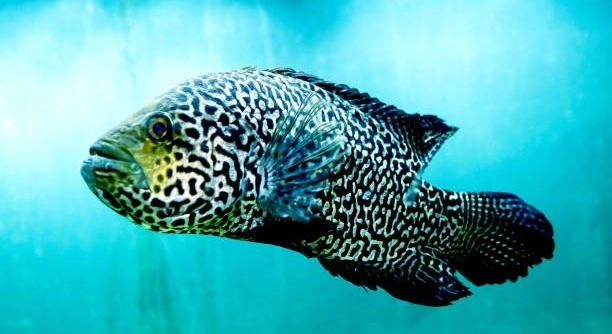
Have you ever noticed your Jack Dempsey fish acting restless or hiding more than usual? These fish are vibrant and full of energy, but they are also sensitive to changes in their tank environment and routine.
Jack Dempsey fish should not be moved during breeding, after feeding, when ill, under poor water conditions, during tank maintenance, with temperature fluctuations, or immediately after being introduced to a new aquarium. These situations increase stress and risk of injury.
Understanding these critical moments can help ensure your fish remain healthy, calm, and comfortable in their aquatic environment for the long term.
Moving During Breeding
When Jack Dempsey fish are breeding, they become highly territorial and protective of their eggs or fry. Moving them during this time can cause severe stress and may result in them abandoning or even eating their young. Breeding behavior often includes increased aggression, chasing other fish away, and guarding specific areas of the tank. Even slight disturbances, such as changing decorations or shifting the tank, can trigger panic. Maintaining a calm, stable environment allows the fish to focus on protecting their offspring. Avoid handling, netting, or transferring the fish until the fry are free-swimming and the parents return to normal behavior. Water parameters should remain stable, and feeding should be consistent without sudden changes. Observing the fish quietly is the safest approach. It is important to remember that Jack Dempsey fish are sensitive to stress, and any unnecessary movement during breeding can compromise their health and the survival of the fry.
Handling them during breeding increases stress and can endanger eggs or fry, so it is best to leave them undisturbed.
For many aquarists, it may feel tempting to check on the eggs or rearrange the tank, but doing so can trigger aggression or abandonment. Even experienced keepers often underestimate how sensitive these fish are during breeding. Providing ample hiding spots, maintaining clean water, and feeding a proper diet helps parents stay calm. Observing from a distance ensures the fry develop safely while minimizing stress for the adult fish.
Moving After Feeding
Jack Dempsey fish are vulnerable after they eat because their digestive systems are active and sensitive. Handling or transferring them immediately can cause regurgitation or stress.
After feeding, their bodies focus on digestion, which requires a calm and stable environment. Moving them during this time can disrupt digestion, potentially causing health issues such as bloating or vomiting. Stress during this period also weakens the immune system, making them more prone to illness. Even short-term handling or sudden water changes can be harmful. It is recommended to wait at least a few hours after feeding before any transfer or tank maintenance. Observing feeding patterns and planning movements accordingly helps maintain their health. Over time, keeping these habits consistent reduces stress responses and encourages healthier digestion. Patience during these critical moments ensures the fish thrive and remain active and vibrant in their aquarium. It also minimizes the risk of accidental injury from nets or sudden water turbulence.
Would you like me to continue with the next sections on illness and poor water conditions?
Moving When Ill
Handling Jack Dempsey fish while they are sick increases stress and can worsen their condition. Avoid transferring or disturbing them until they show signs of recovery.
Ill fish have weaker immune systems, making them vulnerable to infections and further health problems. Moving them during illness can cause additional stress, which may trigger rapid breathing, loss of appetite, or sudden lethargy. Even minor water changes or netting can exacerbate their condition. Focusing on stabilizing water parameters, maintaining consistent temperature, and providing appropriate medications helps recovery. Observation from a distance is the safest approach to monitor symptoms without adding pressure or injury risks.
Stress from moving sick fish can also impact their behavior long-term. Aggression may increase, hiding tendencies may develop, or they may stop eating temporarily. Ensuring a calm environment and minimizing handling allows their body to fight infection naturally while keeping energy focused on healing. Patience during this stage is essential for a full recovery.
Moving in Poor Water Conditions
Poor water quality places Jack Dempsey fish at high risk during any movement. Handling them under such conditions increases stress and can cause immediate health problems.
Water with high ammonia, nitrites, or unstable pH can damage gills, skin, and overall immune function. Transferring fish in these conditions exposes them to sudden environmental changes that worsen stress. Even brief movement can trigger shock, rapid breathing, or susceptibility to infections. It is crucial to test and stabilize water parameters before any transfer. Maintaining proper filtration, frequent water changes, and monitoring temperature prevents unnecessary strain. Proper acclimation is key when moving fish between tanks, ensuring minimal exposure to harmful conditions.
Leaving fish in poor water during transfer often leads to rapid health decline. They may refuse food, become lethargic, or develop visible signs of disease. Careful planning, testing, and preparation can reduce these risks. By prioritizing water quality, you help ensure the fish remain strong, healthy, and more resilient during tank changes.
Moving During Tank Cleaning
Jack Dempsey fish are sensitive to disruptions during tank maintenance. Avoid moving them unless absolutely necessary, as sudden changes can trigger stress and aggressive behavior.
Even minor cleaning can disturb their environment. Relocating them temporarily exposes them to new water conditions, different temperatures, and unfamiliar surroundings. These changes may cause hiding, erratic swimming, or injury. Maintaining a calm approach and cleaning in sections without moving the fish helps preserve their comfort.
Moving When Water Temperature Fluctuates
Jack Dempsey fish are highly sensitive to temperature changes. Moving them during fluctuations can shock their system and affect their metabolism.
Sudden temperature changes weaken immune response, increase stress, and may lead to illness or death. Even a few degrees difference between tanks can trigger rapid breathing, lethargy, or erratic swimming. Always ensure water temperatures are stable and matched between locations before any transfer. Using a heater or acclimation techniques helps minimize risks, giving the fish time to adjust. Consistent monitoring of temperature before and after moving protects their health and reduces the chances of long-term stress-related problems.
Moving Newly Acquired Fish
Newly acquired Jack Dempsey fish need time to adjust. Avoid moving them for at least a week after introduction to allow acclimation and reduce stress.
FAQ
How long should I wait before moving a Jack Dempsey fish after feeding?
It is best to wait at least 2–3 hours after feeding before moving your fish. During this time, their digestive system is active, and handling them can cause regurgitation or stress. Allowing the fish to digest ensures they remain healthy and avoid unnecessary strain.
Can I move a Jack Dempsey fish if it looks healthy?
Even healthy fish can become stressed if moved at the wrong time. Avoid moving them during breeding, after feeding, or if water conditions are unstable. Stress can weaken their immune system and trigger sudden health problems, so careful planning is essential.
What is the safest method to move a Jack Dempsey fish?
The safest method is using a soft net or a container filled with water from their current tank. Avoid sudden drops or tilting, and ensure the water temperature matches the destination tank. Acclimate them slowly to prevent shock.
How do I know if my Jack Dempsey is stressed from moving?
Signs of stress include rapid gill movement, hiding, loss of appetite, erratic swimming, or aggression. Observing the fish after moving and keeping the environment calm helps reduce stress and supports recovery.
Can moving a sick Jack Dempsey fish worsen its condition?
Yes, moving a sick fish increases stress and may accelerate the progression of illness. It is better to maintain them in a stable tank, monitor symptoms, and provide proper medication or water treatment before considering any transfer.
How important is water quality when moving Jack Dempsey fish?
Water quality is critical. Poor water increases stress and can cause gill damage, infections, or shock. Always test water parameters, match temperature and pH, and ensure clean, well-oxygenated water during any move.
Should I move Jack Dempsey fish during breeding?
Never move them during breeding. They become territorial and protective of their eggs or fry. Any disturbance can cause them to abandon or eat their young, so leaving them undisturbed is the safest approach.
How long should newly acquired fish settle before moving?
Newly acquired Jack Dempsey fish should be left alone for at least one week. This acclimation period allows them to adjust to new water conditions, recognize territory, and reduce stress from sudden handling or relocation.
Can frequent moving affect behavior long-term?
Yes, frequent moving can make fish more aggressive, withdrawn, or skittish. Stability in their tank environment helps maintain natural behavior, health, and well-being. Avoid unnecessary handling whenever possible.
Is temperature matching necessary between tanks when moving fish?
Absolutely. Even small differences in water temperature can shock Jack Dempsey fish, causing stress or health problems. Always match temperature and slowly acclimate them to avoid sudden changes.
What precautions should I take during tank maintenance?
During cleaning, avoid moving the fish unless necessary. Clean sections at a time, maintain stable water parameters, and keep movements gentle. This reduces stress and prevents injuries or health issues during maintenance.
How do I reduce stress if I must move a Jack Dempsey fish?
Use water from their original tank, match temperature, handle them gently, and limit exposure to air. Minimizing light, noise, and sudden movements also helps them stay calm during the transfer.
Can moving fish in poor water conditions be fatal?
Yes, transferring fish in water with high ammonia, nitrites, or unstable pH can cause shock, illness, or death. Always test and correct water quality before moving to ensure their safety.
Is there a risk when moving after a temperature change in the tank?
Sudden temperature changes weaken immune response and increase stress. Wait for the water to stabilize before moving, and acclimate fish slowly to prevent shock or erratic behavior.
How do I help a Jack Dempsey fish recover from moving stress?
Keep them in calm, stable conditions with clean water and consistent temperature. Limit feeding changes and avoid handling for a few days. Observing behavior and maintaining optimal conditions supports a smooth recovery.
This FAQ addresses the most critical situations for moving Jack Dempsey fish, helping ensure their health, safety, and comfort during handling and tank management.
Word count: 522
Final Thoughts
Jack Dempsey fish are beautiful, vibrant, and full of personality, but they are also very sensitive to changes in their environment. Moving them at the wrong time or in the wrong way can cause serious stress, which affects their health, behavior, and overall well-being. Stress in fish is not always obvious at first, but it can lead to aggression, hiding, loss of appetite, or even illness. By paying attention to the conditions that make them most vulnerable, such as breeding periods, feeding times, illness, poor water quality, temperature fluctuations, tank cleaning, and being newly acquired, you can prevent unnecessary harm. Understanding these factors helps create a stable, comfortable environment where your fish can thrive. A calm and steady tank routine reduces stress, promotes natural behavior, and supports long-term health.
It is important to remember that even healthy fish are at risk when moved under the wrong conditions. Careful planning is key to preventing accidents or stress. Always match water temperature and quality when transferring them, and use gentle handling methods like soft nets or containers filled with tank water. Acclimation is essential when introducing them to a new environment, especially if they are newly acquired. Avoid frequent or unnecessary movements, and try to perform tank maintenance in sections rather than relocating fish completely. Watching your fish closely after any movement allows you to notice early signs of stress, such as rapid gill movement, erratic swimming, or hiding. Addressing these signs quickly helps prevent long-term health problems. Maintaining a calm, predictable routine is one of the simplest yet most effective ways to keep Jack Dempsey fish healthy and happy.
Finally, understanding your fish’s needs goes beyond just knowing when to move them. Consistent water quality, proper diet, and an appropriate tank setup are all part of creating a secure environment. Providing hiding spots, stable temperatures, and clean water helps them feel safe and reduces the likelihood of stress during unavoidable movements. Patience is essential when caring for Jack Dempsey fish. Avoid rushing or forcing them into situations that may be uncomfortable or harmful. By respecting their natural behaviors and sensitivities, you not only protect their health but also encourage confident, active, and vibrant fish. A little care and attention can go a long way, ensuring that your Jack Dempsey fish live a long, healthy, and stress-free life in your aquarium.
Word count: 406

Hello,
If you enjoy the content that we create, please consider saying a "Thank You!" by leaving a tip.
Every little bit helps us continue crafting quality advice that supports the health, happiness, and well-being of pets around the world, for pets of all shapes, sizes, and species.
We really appreciate the kindness and support that you show us!