
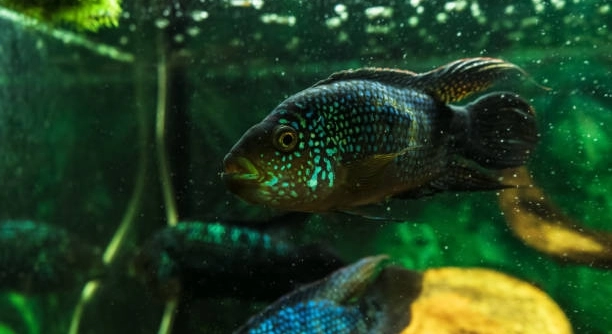
Do you ever notice how fish seem to act differently depending on the time of day or the season? Natural light changes can have a surprising effect on their swimming patterns and feeding habits.
Fish behavior is strongly influenced by shifts in natural light. Changes in sunlight intensity, angle, and duration can alter feeding times, social interactions, migration patterns, and even reproductive activity, demonstrating a direct connection between light conditions and fish activity.
Observing these light-driven changes can help you better understand and care for your fish in any environment.
Early Morning Light
In the early hours of the day, fish often become more active as the first light touches the water. The soft, gentle glow signals the start of feeding time and exploration. Species that rely on visual cues tend to swim closer to the surface, searching for food. Shadows are minimal, which reduces stress and allows them to move freely without hiding. Even predators adjust their hunting patterns during this time, taking advantage of the calm and the slightly cooler water. For aquarists, early morning can be the best time to observe natural behaviors, as fish are alert but not overwhelmed by strong sunlight. The movement patterns are steady, and interactions between fish are calmer. This light shift helps maintain a balanced rhythm in their daily routine, supporting overall health and activity levels. Watching this transition can reveal how sensitive fish are to subtle changes in lighting, making small adjustments in artificial tanks more effective.
Fish respond quickly to the gradual increase in early morning light, often showing heightened activity and alertness in these hours.
Adjusting lighting schedules to mimic natural dawn can encourage feeding and movement in fish. Early light creates a calm environment, reduces stress, and allows fish to maintain natural rhythms, improving both physical health and social behavior. Observing these patterns helps identify which species prefer surface activity or shelter during low-light periods.
Midday Brightness
During the brightest part of the day, many fish retreat to shaded areas or deeper water. The intense light can increase stress in some species, while others remain active near plants or rocks. Fish that prefer low-light conditions reduce movement, resting until light levels soften.
Midday brightness can influence aggression and territorial behavior, as dominant fish may claim shaded zones, and others adjust their positions.
Managing aquarium lighting to replicate natural midday brightness helps prevent overexposure. Bright conditions trigger natural hiding and reduce competition, maintaining balance within groups. Feeding patterns can also shift, as some species eat less under strong light. Observing these changes allows caretakers to provide structures or plants to mimic shade, keeping fish comfortable. Additionally, light intensity affects coloration, with many species showing brighter hues or fading slightly under peak light. This period is critical for energy conservation, helping fish stay healthy for later activity when light softens toward evening. Properly timed midday brightness enhances natural behavior, improving both visual appeal and welfare in fish habitats.
Sunset Glow
Fish often change their activity as the sun begins to set. Many species move closer to the surface, while others seek shelter among plants and rocks. Feeding patterns shift, and some become more social or active before nightfall.
The changing colors and dimming light during sunset signal fish to prepare for nighttime. Predatory species may take advantage of the low light to hunt, while smaller fish become more cautious and move toward cover. This period often sees increased movement and interaction, as the fading light stimulates activity without the intensity of midday brightness. Fish rely on this natural cue to balance energy, regulate feeding, and adjust social interactions. In aquariums, simulating a gradual sunset helps maintain these natural rhythms, preventing stress and promoting healthy behaviors. Observing sunset activity gives insight into species-specific habits and how light timing affects overall fish behavior.
Sunset light encourages fish to transition from daytime activity to nighttime routines. Adjusting tank lighting to replicate this period can support natural behavior and reduce stress in fish. Watching these patterns provides clues about preferred hiding spots, feeding activity, and social dynamics.
Overcast or Cloudy Days
Fish respond to dim, diffused light on overcast days by slowing their activity and seeking shelter. The softer light reduces stress, and many species feed less while staying closer to shaded areas.
Cloudy conditions create a consistent, gentle lighting environment that affects swimming and social behavior. Fish often show calmer movement patterns, with reduced aggression and territorial disputes. This light shift can influence feeding schedules, as lower brightness can make visual cues less effective for locating food. Many species remain closer to cover, using plants or structures for security. In aquariums, simulating overcast conditions occasionally helps maintain variety in light exposure and supports natural rhythms. Observing these behaviors highlights how sensitive fish are to sudden brightness changes and why gradual transitions in lighting can improve welfare.
Artificially mimicking overcast conditions in tanks helps maintain natural activity cycles and prevents overstimulation. Fish benefit from these dimmer periods by balancing energy, reducing stress, and encouraging realistic behavior.
Moonlight Influence
Fish often become more active under moonlight, especially nocturnal species. The soft glow allows them to feed and explore without the risks of full daylight, while some rely on it for navigation.
Moon phases can change movement patterns, with fish swimming closer to the surface during fuller nights. These subtle light shifts guide feeding, schooling, and even mating behavior.
Seasonal Daylight Changes
Longer or shorter days significantly impact fish behavior. Extended daylight can increase activity, feeding, and growth, while shorter days often reduce movement and trigger resting or spawning routines. Adjusting light exposure in tanks helps mimic these seasonal effects and maintain natural rhythms.
Artificial Light Exposure
Excessive artificial light can confuse fish, leading to disrupted sleep, feeding schedules, and increased stress. Managing light duration and intensity is key for healthy behavior.
FAQ
How does natural light affect fish feeding habits?
Natural light plays a major role in fish feeding. Many species rely on visual cues to locate food, so brighter light can stimulate activity and make feeding more efficient. Conversely, dim or low light often slows feeding, as fish feel less secure and are more cautious. Adjusting feeding times to match natural light shifts helps maintain regular eating patterns and prevents overfeeding or stress in aquarium settings. Observing these changes allows you to see which species prefer surface feeding versus bottom feeding.
Can artificial lighting replicate natural light effects?
Yes, artificial lighting can mimic natural light patterns if carefully managed. Gradual increases in brightness can simulate dawn, while reducing light intensity can replicate sunset. Using timers ensures consistent day-night cycles, helping fish maintain natural behaviors. Overexposure to bright artificial light may increase stress or aggression, so providing shaded areas and variation in light intensity is essential. Full-spectrum lights that mimic sunlight can enhance colors and encourage normal activity patterns.
Why do fish hide during bright daylight?
Bright daylight can trigger stress in certain species, especially those adapted to shaded or deeper water. Hiding among plants, rocks, or decorations provides protection and reduces exposure to intense light. This behavior is normal and shows fish are responding to environmental cues. In aquariums, providing adequate shelter and controlling light intensity helps prevent stress and encourages healthy social interactions. Fish may emerge gradually as light softens, balancing safety with feeding and exploration.
How do moon phases influence nocturnal fish behavior?
Moonlight affects nocturnal and crepuscular species by providing subtle illumination at night. Fish may feed more actively, explore, or engage in mating behaviors during fuller moons. Dimmer phases reduce visibility, encouraging hiding and conserving energy. Simulating moon phases in controlled environments can help maintain these natural cycles, supporting both behavior and reproductive health. Observing these patterns provides insight into the timing of activity and how light influences energy distribution.
Does seasonal daylight impact breeding cycles?
Seasonal changes in day length can directly influence reproduction. Longer days often trigger spawning and increased activity, while shorter days encourage resting and energy conservation. Fish adapt their internal rhythms to these changes, and replicating seasonal light variations in aquariums helps maintain reproductive cycles and overall wellbeing. Awareness of seasonal patterns allows better timing of feeding, social grouping, and breeding conditions.
Can too much light be harmful to fish?
Excessive light can cause stress, disrupt sleep cycles, and increase aggression. Fish may overheat, lose appetite, or develop abnormal behavior if lighting is constant or too intense. Providing naturalistic day-night cycles, shaded areas, and moderate brightness ensures fish remain comfortable and active. Balancing light exposure helps maintain immune health, coloration, and normal activity patterns.
How quickly do fish adapt to light changes?
Adaptation depends on the species, light intensity, and previous exposure. Most fish adjust gradually to daylight shifts, but sudden changes can trigger hiding, reduced feeding, or erratic swimming. Gradual adjustments and consistent timing support natural rhythms and reduce stress. Monitoring behavior during transitions provides insight into their comfort level and helps optimize aquarium lighting schedules.
Are schooling fish affected differently by light changes?
Yes, schooling fish rely on group coordination and visual cues. Changes in light can alter swimming patterns, spacing, and overall cohesion. Brighter light may encourage tighter schooling for protection, while dim light can scatter groups. Maintaining consistent and moderate lighting ensures the school behaves naturally and reduces stress-induced aggression or isolation.
What is the best way to observe fish behavior under different light conditions?
Observing fish requires patience and minimal disturbance. Gradually adjusting light intensity and noting responses during dawn, midday, sunset, cloudy days, and moonlight can reveal natural patterns. Recording feeding, social interaction, and movement provides insight into preferences and stress points. Adjusting artificial lighting to reflect these observations improves well-being and supports natural behavior.
Do all fish respond the same to light shifts?
No, responses vary by species, habitat, and natural behavior. Predatory fish, nocturnal species, and schooling fish each react differently to light changes. Understanding species-specific needs allows proper tank setup, lighting adjustments, and environmental enrichment, supporting healthy routines and minimizing stress. Observing and documenting behavior is essential to meet these unique requirements.
Understanding how natural light affects fish behavior is essential for anyone caring for them, whether in an aquarium or observing them in nature. Fish respond to changes in light with noticeable shifts in activity, feeding, and social interaction. Early morning light tends to increase alertness and movement, while midday brightness can cause some species to seek shelter or reduce activity. Sunset signals a transition toward nighttime routines, and moonlight provides subtle illumination for nocturnal activity. Even cloudy or overcast days influence swimming patterns and feeding habits, showing how sensitive fish are to variations in light. Recognizing these natural cues helps maintain a balanced environment, ensuring fish remain healthy, active, and stress-free.
Adjusting artificial lighting to mimic natural cycles can greatly improve fish welfare in aquariums. Gradual changes that replicate dawn, midday, and sunset allow fish to maintain their internal rhythms and behave naturally. Providing shaded areas, varied lighting intensity, and structures to hide among helps reduce stress during brighter periods. Seasonal adjustments can also influence growth and reproductive behavior, reflecting how daylight changes in the wild. Moonlight simulations or dim lighting during nocturnal hours encourage natural feeding and social interactions. Consistent observation of how fish respond to these light changes allows for small but meaningful adjustments, helping fish stay comfortable and active while supporting their overall health.
Awareness of light’s influence on fish behavior also improves understanding of their needs and patterns. Not all species respond the same way—nocturnal fish, schooling species, and predators each react differently to shifts in light intensity and timing. Watching these behaviors provides insight into preferred activity levels, hiding spots, and feeding routines. By replicating natural light patterns and observing responses, caretakers can reduce stress, improve health, and create an environment that encourages natural behaviors. These strategies not only benefit the fish but also make the experience of keeping and observing them more engaging and informative, allowing a closer connection to their rhythms and habits.

Hello,
If you enjoy the content that we create, please consider saying a "Thank You!" by leaving a tip.
Every little bit helps us continue crafting quality advice that supports the health, happiness, and well-being of pets around the world, for pets of all shapes, sizes, and species.
We really appreciate the kindness and support that you show us!