
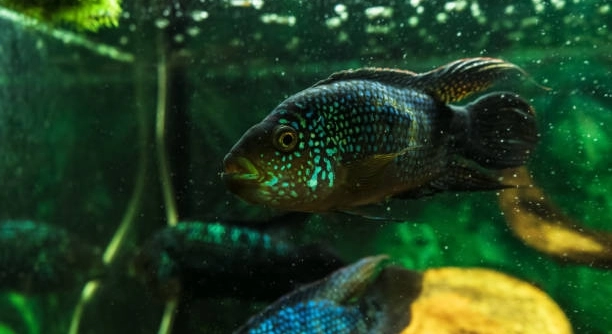
Have you ever watched your Jack Dempsey fish swim around and noticed it often stays in the same area? Observing their behavior can be relaxing and sometimes reveals interesting patterns about their daily habits.
Jack Dempsey fish often prefer certain spots in their tank, usually near shelters, decorations, or areas with easy access to food. This behavior reflects natural instincts for safety and territory rather than conscious selection of favorites.
Understanding these tendencies can help you design a tank that supports your fish’s comfort, security, and natural behavior for healthier, happier aquatic life.
Why Jack Dempsey Fish Choose Specific Spots
Jack Dempsey fish are territorial and often select areas in the tank that make them feel safe. Rocks, plants, and decorations provide shelter, which helps them feel secure. These spots may also be near food sources or areas with lower water flow. Observing their habits over time shows that they frequently return to the same locations. Some fish prefer the middle of the tank, while others stay near the bottom or corners. Light levels can influence their choices, as they often seek shaded areas to reduce stress. Social dynamics matter too, since aggressive or dominant fish can push others toward different spots. Understanding these preferences allows for better tank arrangements. By providing hiding places and varied structures, you encourage natural behavior. This reduces stress and supports healthier fish. The more stable and comfortable the environment, the more likely your Jack Dempsey will display consistent spot preferences over time.
Creating areas with different textures and heights helps satisfy their instinctual needs and keeps the tank balanced.
Arranging the tank intentionally can improve your fish’s well-being. Rocks, driftwood, and plants create interest and security, giving each fish its own space. Some areas might be more open, while others offer cover. Changing decorations too often can confuse them. Gradual adjustments work best, allowing them to explore and claim their favorite spots. Maintaining clean water and stable conditions supports this behavior. Watching them interact with their environment can be rewarding, as each fish develops unique habits. Even small changes in lighting or water flow can influence where they settle. Providing a variety of hiding and resting spots lets multiple fish coexist with less stress. Over time, patterns emerge that help predict their preferences. A well-thought-out tank keeps them active, reduces aggression, and promotes natural instincts. Seeing them confidently use their favorite areas shows they are comfortable and secure in their habitat.
How Tank Layout Affects Spot Selection
The placement of plants, rocks, and decorations directly influences where Jack Dempsey fish spend time.
Tank layout shapes their behavior by defining boundaries and offering shelters. Open spaces allow swimming and exploration, while dense areas give privacy and protection. Fish often prefer spots with stable conditions, such as areas with consistent temperature and gentle water flow. Shadows created by decorations can act as resting zones. Territorial disputes are minimized when the tank provides multiple suitable hiding spots. Some fish claim a specific cave or rock area as their own, while others adjust based on the presence of tank mates. Lighting also plays a role, as dimmer areas are often favored during the day. By observing where each fish spends most of its time, you can arrange the tank to meet their needs. Thoughtful design ensures that each Jack Dempsey has space for swimming, resting, and establishing territory, leading to healthier behavior and less stress overall.
Feeding Areas and Preferred Spots
Jack Dempsey fish often return to areas where food is regularly offered. These spots become familiar and safe, encouraging them to linger there. Over time, these feeding areas may turn into favorite resting or observation points within the tank.
Consistency in feeding locations shapes fish behavior. When food is always placed in one section of the tank, Jack Dempsey fish quickly learn where to find it. They may hover nearby even before feeding begins, signaling recognition of the spot. This behavior is natural, as many fish associate certain areas with nourishment and safety. Feeding areas with slight cover, like plants or rocks, give them a sense of protection while eating. Fish that feel secure are less likely to be stressed or aggressive. Providing a mix of open and sheltered feeding spaces can support multiple fish and reduce competition. This also encourages them to explore and claim different zones. Over time, these patterns become predictable, helping you maintain an organized and peaceful tank environment.
Proper placement of feeding spots affects how Jack Dempsey fish interact with their surroundings. Spots near hiding places allow them to eat safely without feeling exposed. Fish often return to these areas repeatedly, showing preference and comfort. Observing this behavior helps identify their favored locations, allowing for better tank management and improved well-being.
Lighting and Environmental Comfort
Lighting levels influence where Jack Dempsey fish spend most of their time. Dimmer areas are often favored for resting, while brighter zones may be used briefly for exploration. Shadows and shaded spots offer security and reduce stress.
Environmental comfort is critical for consistent spot selection. Jack Dempsey fish are sensitive to strong light, and areas with moderate or indirect lighting often become their favorite hangouts. Plants, decorations, and rocks create natural shadows that enhance comfort, giving them places to retreat when they feel threatened. Water flow and temperature stability also play roles in determining preferred spots, as fish gravitate toward areas that feel safe and balanced. Adjusting lighting and environmental features thoughtfully ensures that each fish has access to comfortable zones. Observing how they respond to changes in light and structure can guide future tank arrangements. Consistent conditions help reduce aggression and promote natural behavior, allowing the fish to claim their favorite spots confidently. Over time, these favored areas reflect both instinctual needs and individual personality.
Territorial Behavior
Jack Dempsey fish often stake out specific areas as their own. These territories give them a sense of control and safety. They tend to defend these spots from other tank mates, especially if space is limited or hiding spots are scarce.
Territorial instincts can influence which areas become favorites. Fish usually pick zones with cover, easy escape routes, and access to food. Dominant fish may claim the best spots, while others adjust to secondary areas. Observing these patterns helps in arranging the tank to reduce conflict and stress, allowing each fish to feel secure in its chosen space.
Social Interactions
Interactions with other fish affect where Jack Dempsey fish spend their time. Shy or submissive fish may avoid open spaces, while confident fish often occupy central areas.
Tank Maintenance and Spot Preference
Clean water and stable conditions are essential for maintaining favorite spots. Fish often abandon areas that become dirty or unstable. Regular monitoring of water quality and minimal disruptions help preserve their preferred zones and support natural behavior.
Seasonal Changes
Changes in temperature or daylight can shift Jack Dempsey fish’s favorite spots. They may move to areas that offer more warmth, shade, or calm water, adapting naturally to seasonal variations in the tank environment.
FAQ
Can Jack Dempsey fish remember their favorite spots?
Yes, Jack Dempsey fish have a strong spatial memory. They often return to the same areas repeatedly, especially if these spots provide shelter, food, or comfort. Over time, they recognize objects and landmarks in the tank, making their favorite areas predictable and consistent.
Do they prefer hiding spots over open spaces?
Most Jack Dempsey fish favor hiding spots. Caves, dense plants, or decorations create shaded areas where they feel safe. Open spaces are usually used for swimming or brief exploration, but resting and feeding often happen near cover to reduce stress.
Can multiple fish share the same spot?
It depends on their personalities and hierarchy. Dominant fish tend to claim the best spots, while others occupy secondary areas. Some peaceful tanks allow shared spaces if there are multiple hiding areas, but close monitoring is important to prevent aggression.
Does tank size affect spot preference?
Yes, smaller tanks may lead to more competition, and fish may change spots frequently to avoid conflicts. Larger tanks allow multiple territories and more stable favorite spots, reducing stress and promoting natural behavior.
How does feeding influence favorite spots?
Jack Dempsey fish quickly associate feeding locations with comfort and safety. If food is regularly placed in a specific area, that spot often becomes a preferred resting or observation zone, reinforcing their daily routines.
Do they move spots at night?
Yes, they may shift positions when lights are off. Nighttime often encourages fish to seek darker or more sheltered areas, even if their daytime favorites are more exposed. This behavior is instinctual for safety and resting.
Can tank decorations change their favorites?
Absolutely. Adding or moving plants, rocks, or caves can influence where Jack Dempsey fish spend their time. Gradual adjustments work best, allowing them to explore new areas without stress. Sudden changes may temporarily disrupt their preferred spots.
Do temperature and water flow affect spot selection?
Yes, fish often favor areas with stable water conditions. Zones with gentle flow and consistent temperature are preferred. Fluctuations in either can cause them to shift, highlighting the importance of stable environmental conditions.
How do they react to other species in the tank?
Other fish can impact where Jack Dempsey fish feel comfortable. Aggressive or territorial tank mates may push them into secondary areas, while peaceful companions allow more stable favorite spots. Careful observation helps maintain harmony in mixed-species tanks.
Is there a link between age and spot preference?
Older or more experienced fish often have well-established favorite areas. Younger fish may explore more and adjust frequently before settling. Their behavior evolves as they become familiar with the tank layout and available shelters.
Can favorite spots indicate stress or health issues?
Changes in usual spot preferences may signal stress, illness, or poor tank conditions. If a fish suddenly avoids its favorite areas, it’s important to check water quality, diet, and social dynamics to ensure its well-being.
How do light levels affect their behavior?
Jack Dempsey fish respond to light intensity. Bright areas are used sparingly for exploration, while dimmer or shaded regions are preferred for resting. Adjusting lighting carefully can enhance comfort and highlight natural behavior patterns.
Should I move their favorite spot for better tank design?
It’s best to maintain consistency. Frequent changes can stress the fish. When rearranging, do it gradually, ensuring they can still access shelter, food, and open swimming areas comfortably. Observation helps identify which areas they truly favor.
Do Jack Dempsey fish form habits around specific spots?
Yes, their routines often center on favorite locations. Feeding, resting, and hiding behaviors are repeated daily, showing that these spots play a significant role in their sense of safety and territorial instincts.
Can I encourage them to use new areas?
You can, by placing food or creating new shelters in different parts of the tank. Over time, they may explore and adopt these areas, but patience is required as they adjust at their own pace.
Do tank plants influence their favorite spots?
Plants provide shade, hiding areas, and comfort, often becoming the core of a favorite spot. Dense plant clusters allow natural behavior, reduce stress, and give shy fish confidence to occupy these zones.
How long does it take for a fish to establish favorite spots?
It varies, but most Jack Dempsey fish take a few days to a couple of weeks to settle. Stability in tank conditions, feeding patterns, and shelter availability accelerates the process, making their behavior more predictable.
Can favorite spots improve overall tank health?
Indirectly, yes. When fish feel secure and have stable spots, stress decreases, aggression is minimized, and natural behavior is encouraged. This leads to healthier, more active fish and a more balanced tank ecosystem.
Are favorite spots the same for all Jack Dempsey fish?
No, each fish has individual preferences based on personality, dominance, and comfort. Some prefer caves, others open areas with cover nearby, showing that observation is key to understanding each fish’s needs.
What should I do if a fish abandons its favorite spot?
Check water quality, temperature, and tank dynamics. Illness, poor conditions, or bullying may be reasons. Addressing these issues often encourages the fish to return to familiar, comfortable areas, restoring normal behavior.
Can rearranging the tank improve spot usage?
Yes, thoughtful rearrangement with additional shelters or hiding areas can give fish more options and reduce competition. Gradual changes help them explore without stress, encouraging natural distribution and better use of available spaces.
Does age affect their territory claims?
Older or larger fish often claim the best spots, while younger or smaller fish adapt to secondary areas. Observing interactions helps ensure all fish have access to safe zones and reduce territorial conflicts.
Can favorite spots indicate personality traits?
Yes, bolder fish may claim central or exposed areas, while shy fish prefer corners or dense vegetation. Watching where they spend time provides insights into their confidence, social behavior, and comfort levels.
How important is consistency in maintaining favorite spots?
Consistency in tank layout, lighting, and feeding reinforces comfort and reduces stress. Sudden changes can disrupt routines, so gradual adjustments are better, allowing fish to maintain established spots while adapting to improvements.
Do Jack Dempsey fish share spots willingly?
Some do, depending on personality and hierarchy. Peaceful tank arrangements with multiple hiding spots reduce conflict and allow shared spaces. Observation is key to ensuring harmony and minimizing aggressive encounters.
What role does water flow play in spot preference?
Moderate flow areas are often favored for resting, while strong currents are avoided. Fish adjust to find zones where swimming is comfortable and energy expenditure is minimal, balancing exploration and security.
How do favorite spots affect feeding behavior?
Fish often eat near their chosen spots, associating them with safety and routine. Predictable feeding zones help reduce stress, improve appetite, and encourage natural behavior, making daily care easier and more organized.
Can spot preference change over time?
Yes, factors like growth, social dynamics, or tank adjustments can lead to new preferred areas. Gradual observation helps understand these shifts and supports adaptive tank arrangements, keeping the environment comfortable for all fish.
Do Jack Dempsey fish interact differently in shared spots?
Shared areas may lead to minor displays of dominance, especially in smaller tanks. Providing multiple options reduces stress and allows peaceful coexistence, while still respecting natural territorial instincts.
Are favorite spots linked to breeding behavior?
During breeding, Jack Dempsey fish may focus on specific areas for nesting. Males often select secure spots, which can influence overall tank dynamics and temporarily shift normal territory use.
Can adding decorations encourage new favorite spots?
Yes, introducing caves, plants, or rocks can create appealing zones. Fish may gradually explore and adopt these spots, adding variety and reducing stress by offering more shelter and resting areas.
Do light and shade preferences vary by individual fish?
Yes, some fish prefer brighter zones for exploration, while others favor shaded areas for resting. Understanding these differences helps in arranging lighting and decorations to suit all tank residents.
Is it normal for a fish to return to the same spot daily?
Absolutely. Consistent use of favorite spots reflects natural instincts, comfort, and territory familiarity. It’s a sign that the fish feels secure and confident in its environment.
How can I identify a true favorite spot?
Observe patterns over time. Repeated use for resting, feeding, or hiding indicates a preferred location. Noting these behaviors helps in tank planning and ensures each fish has comfortable areas to settle.
What should I do if a spot becomes unsafe?
If a favorite spot is compromised by water quality, temperature, or aggression, provide alternative shelters nearby. Gradual adjustments encourage safe relocation without causing stress or disruption to natural behavior.
Can favorite spots improve social harmony in the tank?
Yes, clear preferred areas reduce conflicts. When each fish has access to shelter and resting zones, dominance disputes decrease, aggression is minimized, and overall tank dynamics are more balanced.
How often do Jack Dempsey fish explore new spots?
Exploration occurs mainly when food, decorations, or environmental conditions change. While they have favorites, curiosity and instinctual behavior drive occasional investigation of other areas, keeping them active and engaged.
Are favorite spots permanent?
Not always. They may shift due to changes in tank layout, social interactions, or environmental factors. Observing these shifts provides insight into fish behavior and helps maintain a comfortable, stable habitat.
Can water temperature variations influence spot choice?
Yes, warmer areas are often favored, especially if temperature fluctuates across the tank. Fish move to zones that feel most comfortable, balancing rest, activity, and safety throughout the day.
Do Jack Dempsey fish prefer the bottom, middle, or top of the tank?
Preferences vary. Some favor bottom zones with cover, others middle areas for exploration. Top areas are rarely favored except briefly during feeding or when exploring water surface conditions. Individual personality and tank design influence these choices.
How do favorite spots affect overall fish health?
Stable, comfortable zones reduce stress and aggression, supporting natural behavior, stronger immunity, and active swimming patterns. Providing and maintaining these spots contributes to long-term well-being and a healthier tank ecosystem.
Can changes in tank mates affect spot selection?
Yes, introducing new fish can shift preferred areas. Aggressive newcomers may push others to secondary spots. Careful planning and monitoring ensure all fish have access to safe zones while maintaining established favorites.
Do Jack Dempsey fish always defend their favorite spots?
Dominant fish often do, using displays or brief chasing to assert control. Submissive fish usually respect established territories, moving to secondary zones, which helps maintain a balance in shared environments.
How long does it take for a fish to adopt a new favorite spot?
It varies, often from a few days to a couple of weeks. Gradual introduction of new shelters, feeding zones, or decorations helps fish explore safely and eventually establish new preferred areas without stress.
Are favorite spots influenced by diet?
Indirectly, yes. Fish may spend more time near areas where feeding occurs or where food is consistently provided. Predictable feeding locations encourage routine use and reinforce spot preference.
How can I track my fish’s favorite spots?
Observe daily behavior and note resting, feeding, and hiding patterns. Over time, consistent use highlights true favorites, helping plan tank layout, decorations, and feeding practices effectively.
Do shy fish behave differently in their spots?
Shy fish often select more secluded, sheltered areas. They rely on these zones for safety and stress reduction, avoiding exposed areas while still interacting occasionally with the rest of the tank.
Can seasonal changes affect spot preference?
Yes, light intensity, temperature shifts, and environmental changes influence where fish spend time. They adapt naturally, moving to zones that offer comfort, safety, and stability during different periods.
Do Jack Dempsey fish share spots during feeding?
Some do, depending on social hierarchy. Dominant fish may take priority, while others wait or feed nearby. Multiple feeding areas reduce competition and allow peaceful coexistence.
What signs show a spot is truly favored?
Repeated use for resting, feeding, and hiding, along with minimal stress and confident behavior, indicates a preferred spot. Observing patterns consistently confirms genuine preference and comfort.
How important is observation for maintaining favorite spots?
Observation is key. Watching behavior, interactions, and environmental responses helps identify true favorites, adjust tank layout, and ensure all fish have access to safe, comfortable areas that support natural behavior.
Can favorite spots change after tank renovations?
Yes, changes in layout, lighting, or decorations may prompt fish to explore and adopt new areas. Gradual adjustments and maintaining some familiar features ease transitions and reduce stress.
Do all Jack Dempsey fish have favorite spots?
Most do, though individual preferences vary. Factors like personality, dominance, and environmental comfort influence selection, making it important to observe each fish to understand its unique habits.
Does stress make them abandon their spots?
Yes, stress from poor water quality, aggressive tank mates, or sudden changes can lead fish to leave favorite areas. Addressing the source helps restore normal behavior and comfort.
Are favorite spots linked to breeding readiness?
During breeding, males often claim secure areas for nesting. These zones temporarily become central to behavior, influencing where they spend most of their time and how they interact with other fish.
Can temperature control help maintain favorite spots?
Yes, stable temperature ensures comfort and consistency. Fish prefer areas with predictable conditions, supporting resting, feeding, and territorial behavior, which reinforces long-term spot preference.
Do Jack Dempsey fish ever share breeding spots?
Generally, males claim exclusive nesting zones. Females may join temporarily for egg-laying, but these areas are primarily defended to ensure safety and successful reproduction.
Can water quality changes disrupt favorite spots?
Yes, poor water conditions, chemical imbalances, or debris can drive fish away from previously favored areas. Regular maintenance helps maintain stability, comfort, and predictable behavior patterns.
How do decorations influence long-term spot preference?
Decorations provide cover, resting zones, and landmarks. Fish use these features to establish favorite areas. Consistent placement encourages stable behavior, while thoughtful changes can create new spots gradually.
Do Jack Dempsey fish interact socially within their spots?
Yes, spots often become interaction zones. Dominant fish may patrol or defend areas, while others respect boundaries. Multiple shelters reduce conflict and allow natural social behavior to develop.
Can changing water flow create new favorite spots?
Yes, gentle adjustments in current can make areas more comfortable. Fish may explore and adopt new zones based on flow, balancing energy expenditure, comfort, and security within the tank.
Do shy fish change spots more often than bold ones?
Typically, yes. Shy fish may shift frequently to avoid exposure or aggression, gradually settling into zones offering optimal cover and safety. Observation ensures their needs are met.
How long should I observe behavior before identifying a favorite spot?
Several days to a couple of weeks of consistent monitoring usually reveal true preferences. Note resting, feeding, and hiding behavior to confirm favorite zones accurately.
Can favorite spots reduce aggression in the tank?
Yes, when fish have stable areas to claim, territorial disputes decrease. Adequate shelter and multiple zones ensure peace and comfort, supporting harmonious interactions and reduced stress.
Do Jack Dempsey fish ever abandon their favorite spots permanently?
Rarely, unless environmental conditions, aggression, or illness make the area unsuitable. Maintaining stable conditions encourages long-term use and reinforces security and natural behavior.
How does size and age influence spot preference?
Larger, older fish often claim prime spots, while smaller, younger fish adjust to secondary zones. Personality, dominance, and comfort needs guide these choices, shaping tank dynamics naturally.
Can favorite spots influence feeding efficiency?
Yes, fish feeding near familiar, safe zones often eat more confidently. Predictable spots reduce stress, encourage appetite, and support consistent nutrition, promoting health and growth over time.
Do Jack Dempsey fish ever share feeding spots peacefully?
In well-arranged tanks with multiple areas, sharing is possible. Dominant fish may take priority, but others can feed nearby safely, especially when food is distributed evenly and hiding spots are available.
Are favorite spots linked to comfort or instinct?
Both. Spots provide security, access to food, and resting zones, reflecting instinctual needs for safety, territory, and comfort while also supporting routine behavior in the tank environment.
Do lighting changes affect spot preference long-term?
Gradual adjustments in lighting can shift preferences, especially if new areas become shaded or illuminated. Stable light levels help maintain established spots, reducing stress and encouraging consistent behavior.
How can I ensure all fish have access to comfortable spots?
Provide multiple hiding areas, shaded zones, and feeding locations. Observation helps distribute shelters evenly, ensuring dominant and submissive fish alike can find safe, comfortable spaces in the tank.
Do Jack Dempsey fish ever revisit old favorite spots after changes?
Yes, they often return if conditions improve or if familiar landmarks remain. Maintaining some consistency during tank adjustments encourages comfort and predictable use of these zones.
Can water temperature differences within the tank affect preferred areas?
Yes, warmer or more stable areas are favored for resting or feeding. Fish shift naturally to optimize comfort, balancing energy expenditure, safety, and routine behavior in response to temperature gradients.
Are favorite spots linked to individual personality?
Yes, bold fish choose exposed or central areas, while shy ones prefer sheltered corners. Each fish’s habits and temperament influence spot selection and daily behavior patterns in the tank.
Do Jack Dempsey fish prefer spots with multiple escape routes?
Often, yes. Access to exits or cover reduces stress and supports natural instincts. Safe retreat options make a spot more appealing for resting, feeding, or observing surroundings.
How can I encourage shy fish to adopt new spots?
Introduce gentle cover, food, and gradual changes near new areas. Over time, fish explore safely and may adopt these spots as additional preferred zones without stress.
Can favorite spots influence reproduction success?
Secure, comfortable areas support nesting and mating behavior. Males select protected zones for eggs, and familiar spots reduce stress, increasing chances of successful breeding.
Are favorite spots permanent once established?
They are relatively stable but can change with environmental, social, or seasonal shifts. Observation ensures continued comfort and proper tank arrangement to support natural behavior.
Do Jack Dempsey fish ever compete for favorite spots?
Yes, dominant individuals may assert control over prime areas. Providing multiple shelters reduces conflict and ensures that all fish can access safe, comfortable zones without excessive aggression.
How does tank decoration density influence spot choice?
Dense decorations create hiding spots, shaded areas, and resting zones. Sparse setups limit options, causing fish to compete or feel exposed, while well-planned density supports comfort and natural behavior.
Do favorite spots influence swimming patterns?
Yes, fish often swim from preferred zones to explore, feed, or interact. These spots act as home bases, guiding daily activity and
Final Thoughts
Jack Dempsey fish are fascinating creatures with clear preferences for certain areas in their tanks. Observing their daily routines often reveals that they are drawn to spots that provide shelter, safety, and access to food. These areas become their favorite zones over time, and their behavior around them is consistent. Whether resting in a shaded corner, swimming near a favorite rock, or waiting by a feeding area, their choices reflect natural instincts rather than random behavior. By understanding how they select and use these spots, owners can create tank environments that meet their needs, reduce stress, and encourage natural activity. The more predictable and stable the environment, the more comfortable the fish become, which in turn leads to healthier behavior and stronger immunity.
Providing multiple areas that cater to their instincts is essential. Rocks, caves, and dense plant clusters create hiding spaces and shade, while open areas allow exploration and swimming. Water flow, temperature stability, and consistent feeding locations also play a major role in where Jack Dempsey fish spend their time. When these factors are balanced, fish are more likely to establish consistent favorite spots and exhibit confident behavior. In contrast, poor conditions or sudden changes can disrupt their routines, causing stress and even aggression. Observing patterns over time helps owners recognize individual preferences, social hierarchies, and personality traits, which can guide decisions about tank layout, decoration placement, and feeding practices. Each fish is unique, and what one prefers may not suit another, so attention to detail and patience are important.
Maintaining their preferred spots is also a matter of ongoing care. Regular monitoring of water quality, gentle cleaning practices, and gradual adjustments to decorations or lighting support a stable environment where fish feel safe. Changes should be made thoughtfully, ensuring that hiding spots, shaded zones, and feeding areas remain accessible. Over time, Jack Dempsey fish will adapt to improvements and continue to use their favorite areas confidently. Understanding their behavior helps create a tank that supports not only comfort but also natural instincts, social harmony, and overall well-being. By providing thoughtful care and attention to their preferences, owners can foster an environment where Jack Dempsey fish thrive, demonstrating calm, confident, and engaging behaviors that are enjoyable to observe daily.

Hello,
If you enjoy the content that we create, please consider saying a "Thank You!" by leaving a tip.
Every little bit helps us continue crafting quality advice that supports the health, happiness, and well-being of pets around the world, for pets of all shapes, sizes, and species.
We really appreciate the kindness and support that you show us!