
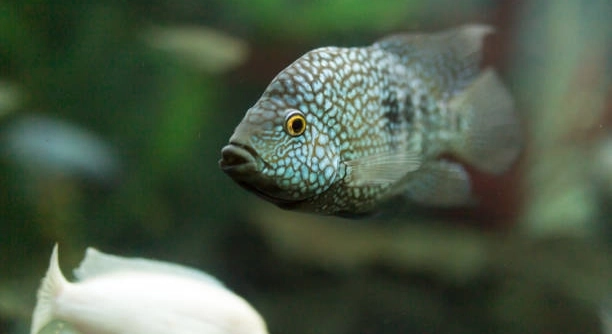
Have you ever noticed your Dempsey swimming in circles or hiding more than usual in its tank? Many owners realize their fish might benefit from a few simple changes to create a more comfortable environment.
Enhancing Dempsey comfort involves upgrading the tank with proper substrates, hiding spots, stable water parameters, and efficient filtration. These adjustments reduce stress, encourage natural behavior, and promote overall health and activity in the fish.
Small upgrades can make a noticeable difference in your Dempsey’s daily life, helping them feel secure, relaxed, and more interactive in their habitat.
Proper Substrate Selection
Choosing the right substrate is key to making your Dempsey comfortable. Sand and fine gravel are ideal because they allow the fish to dig naturally without injuring themselves. Avoid sharp or coarse materials that can scratch their delicate skin. Substrate also impacts water quality, as some types trap debris while others let it flow to the filter. Regular cleaning is important to prevent buildup of waste, which can stress the fish and lead to health problems. Layering the substrate can create visual depth and provide areas for Dempseys to explore, making them feel secure. Additionally, substrates influence the growth of live plants, which can offer hiding spots and improve water quality. Choosing a substrate that balances aesthetics, practicality, and fish safety will make a noticeable difference in tank comfort. Observing how your Dempsey interacts with the bottom can guide adjustments to improve their environment.
Substrate affects both comfort and overall tank hygiene, which directly contributes to the fish’s stress levels and health.
A fine, natural-looking substrate encourages digging and exploring, which are behaviors that reduce stress and make Dempseys feel more at home. Layering different textures can simulate a natural habitat. Live plants anchored in the substrate provide hiding spots, reducing anxiety while improving water conditions through natural filtration. Over time, a well-chosen substrate helps maintain stable water parameters, reducing sudden shifts that can unsettle your fish. Regular maintenance of the substrate ensures debris does not accumulate, preserving both comfort and health. By combining appropriate material with proper care, the substrate becomes an integral part of creating a safe, inviting environment. Watching the fish interact with the bottom can help identify if adjustments are needed, such as adding softer areas or rearranging plants. In addition, a stable substrate supports decorations and hides for Dempseys, further enhancing their sense of security.
Hiding Spots and Decorations
Hiding spots reduce stress by giving Dempseys secure areas to retreat.
Adding caves, driftwood, and rock formations creates privacy and allows natural behaviors. Carefully arranged decorations prevent overcrowding while maintaining swimming space, helping fish feel secure.
Hiding spots are essential for Dempseys because they are territorial and can be easily stressed by too much exposure. Small caves or ceramic structures mimic natural shelters, giving the fish control over their space. Driftwood and plants not only add visual appeal but also serve functional purposes, breaking lines of sight and providing areas for exploration. When placing decorations, it is important to balance open swimming areas with sufficient cover. Overcrowding can restrict movement and increase aggression, while too few hides may leave the fish feeling vulnerable. By providing a mix of solid and soft hiding options, you support both physical comfort and mental well-being. Decorations should be stable and anchored to prevent shifting, which could startle or injure your fish. Observing interactions with these spots can indicate if more or fewer hiding areas are needed. Proper placement enhances the tank environment and promotes natural, confident behaviors.
Stable Water Conditions
Maintaining stable water parameters is essential for Dempsey comfort. Frequent fluctuations in temperature, pH, or hardness can stress fish and lead to illness. Regular testing and adjustments help keep conditions consistent.
Using a reliable heater and thermometer ensures the tank stays within the ideal 74–82°F range. pH should remain slightly acidic to neutral, around 6.5–7.5, and hardness levels should be monitored to avoid sudden changes. Weekly partial water changes remove waste and prevent harmful chemical buildup. A consistent filtration system keeps water clean and oxygenated, supporting both health and comfort. Observing fish behavior can signal if water conditions need adjustment, as stress often shows through reduced activity or hiding.
Water stability also prevents long-term stress that can weaken immunity. Gradual changes during water changes, rather than sudden shifts, help fish acclimate comfortably. Using dechlorinated water and conditioning it for temperature and mineral balance reduces shock. Monitoring ammonia, nitrite, and nitrate levels ensures the tank remains safe. In addition, keeping equipment functional and clean, such as filters and heaters, minimizes the risk of sudden environmental changes. Well-maintained water conditions contribute to better feeding habits, increased activity, and overall confidence in the tank, creating a secure and stable habitat for Dempseys.
Efficient Filtration
A strong filtration system removes debris and maintains water clarity.
Filters help prevent buildup of waste and harmful chemicals that stress fish. Choosing the right flow rate and type ensures optimal water movement without overwhelming the Dempsey.
Filtration is vital because Dempseys produce significant waste, which can quickly degrade water quality. A filter rated for slightly more than the tank volume ensures proper circulation and removes toxins effectively. Mechanical filtration captures debris, chemical filtration removes impurities, and biological filtration supports beneficial bacteria that break down ammonia and nitrites. Proper placement of the filter avoids creating strong currents that may exhaust or stress the fish. Routine maintenance, such as cleaning or replacing filter media, keeps the system efficient and prevents clogging. Observing water clarity and fish behavior can indicate when adjustments or upgrades are necessary. A balanced filtration setup provides clean, oxygenated water, reducing stress and promoting natural activity.
Efficient filtration works in tandem with water changes to stabilize the tank environment. Over-filtering can create excessive current, so balancing flow is essential. Using sponge pre-filters or adjustable flow outlets allows customization for Dempsey comfort. Regular monitoring of filter performance ensures water remains clear and chemical levels safe. Combined with proper feeding and substrate maintenance, a reliable filtration system creates a comfortable, healthy habitat. Fish spend more time exploring and less time hiding when water is clean and consistent, improving overall tank dynamics and satisfaction with your care routine.
Lighting Adjustments
Proper lighting helps Dempseys feel secure and supports their natural behaviors. Too bright lights can stress them, while dim or natural lighting promotes calm and activity.
Using a timer ensures consistent day and night cycles. Avoid placing the tank in direct sunlight to prevent temperature spikes and algae growth.
Live Plants
Live plants improve water quality by absorbing nitrates and providing oxygen. They also create natural hiding spots and break lines of sight, reducing stress. Incorporating fast-growing and hardy plants ensures your Dempsey can explore without damaging delicate foliage. Plants contribute to a balanced, comfortable environment.
Tank Size Considerations
A larger tank allows Dempseys to swim freely and establish territories, reducing aggression and stress. Ensuring enough space supports physical health and natural activity patterns.
FAQ
What is the ideal tank size for a Dempsey?
The minimum recommended tank size for a single Dempsey is 55 gallons. A larger tank of 75 gallons or more is preferred if keeping multiple fish. Ample space allows the fish to swim comfortably, establish territories, and reduces aggressive behavior. Overcrowding can lead to stress, health issues, and heightened territorial disputes. A larger tank also helps maintain more stable water parameters, making it easier to manage temperature, pH, and waste buildup. Providing sufficient swimming and hiding space ensures that your Dempsey can display natural behaviors and feel secure in its environment.
How often should water changes be performed?
Weekly partial water changes of 20–30% are ideal to maintain water quality. This removes waste, uneaten food, and excess chemicals that can accumulate over time. Sudden or large water changes should be avoided, as they can shock the fish and destabilize the tank environment. Using dechlorinated water and matching temperature and pH to the tank prevents stress. Monitoring water parameters such as ammonia, nitrite, and nitrate levels helps determine if adjustments to the water change schedule are needed. Consistent water changes support long-term health and comfort for the Dempsey, promoting activity and natural behavior.
What type of substrate is best for Dempseys?
Fine sand or smooth gravel is ideal because it allows Dempseys to dig and explore safely. Sharp or coarse substrates can injure their sensitive skin and fins. Substrate also provides a base for live plants, which enhance hiding spaces and water quality. Layering substrates can simulate a natural environment and create visual depth. Regular cleaning prevents debris buildup, keeping the tank clean and comfortable. Observing how your fish interacts with the substrate can guide adjustments, such as adding softer areas or rearranging plants. A well-chosen substrate contributes to both comfort and tank aesthetics.
Do Dempseys need hiding spots?
Yes, hiding spots are essential. Dempseys are territorial and can become stressed without secure areas to retreat. Caves, driftwood, rock formations, and dense plants offer privacy and mimic natural shelters. Proper placement balances open swimming space with secure areas. Overcrowding decorations can restrict movement, while too few hides may leave the fish feeling exposed. Observing how the Dempsey uses these spots can help determine if more or fewer hiding areas are needed. Hiding spots also encourage natural behaviors and reduce aggression between tank mates.
What is the best filtration setup?
A filter rated slightly above the tank volume is recommended to maintain clean water and adequate circulation. Mechanical filtration removes debris, chemical filtration absorbs impurities, and biological filtration supports beneficial bacteria that process ammonia and nitrites. Avoid strong currents that can exhaust or stress the fish. Regular cleaning or media replacement keeps the filter efficient. Monitoring water clarity and fish behavior indicates if adjustments or upgrades are needed. Combined with regular water changes, efficient filtration maintains a stable, healthy environment that promotes comfort and activity.
How should lighting be managed for comfort?
Dempseys prefer moderate lighting that simulates natural conditions. Too bright lights can cause stress, while dim or gradual lighting supports calm and normal activity patterns. Using a timer ensures consistent day and night cycles, helping regulate behavior. Avoid placing the tank in direct sunlight to prevent temperature spikes, algae growth, and uneven light exposure. Observing the fish can indicate if adjustments are needed, such as adding floating plants to diffuse light. Balanced lighting contributes to a natural, secure, and comfortable environment for your Dempsey.
Are live plants necessary for a Dempsey tank?
While not strictly necessary, live plants improve water quality, create hiding spaces, and reduce stress. Plants absorb nitrates, produce oxygen, and break lines of sight, providing both functional and aesthetic benefits. Hardy, fast-growing plants are recommended to prevent damage from curious fish. Placement should balance coverage with open swimming space. Live plants also encourage exploration and natural behavior. Observing interactions with plants can indicate if more coverage is needed. Combined with proper substrate and hiding spots, plants significantly enhance Dempsey comfort.
Can Dempseys live with other fish?
Dempseys can be kept with other species if space and hiding spots are sufficient. Tank mates should be similar in size and temperament to reduce aggression. Overcrowding or poorly chosen companions can lead to stress, injury, or death. Monitoring interactions is essential, and separating aggressive fish may be necessary. A large tank with multiple hiding areas helps maintain peace. Proper planning of tank layout, decorations, and territory zones increases the likelihood of successful cohabitation and ensures each fish feels secure and comfortable.
How often should I feed my Dempsey?
Adult Dempseys typically require feeding once or twice a day, providing only as much food as they can consume in a few minutes. Overfeeding leads to waste buildup, water quality issues, and potential health problems. A balanced diet of pellets, occasional live or frozen food, and vegetables ensures optimal nutrition. Monitoring their appetite and adjusting portions helps maintain health and prevents stress. Clean uneaten food promptly to avoid water contamination, supporting both comfort and water stability in the tank.
What signs indicate stress in Dempseys?
Signs of stress include hiding frequently, reduced activity, loss of appetite, rapid gill movement, or color fading. Aggressive behavior toward tank mates or excessive digging can also indicate discomfort. Stress often stems from poor water quality, overcrowding, insufficient hiding spots, or improper lighting. Observing behavior daily helps detect issues early. Addressing underlying causes, such as adjusting water parameters, providing additional hides, or reorganizing the tank, restores comfort. Consistent care, stable conditions, and proper tank setup minimize stress and promote overall health and natural behavior.
How can I prevent water quality issues?
Regular testing and maintenance are key. Monitor ammonia, nitrite, nitrate, pH, and hardness to ensure safe levels. Perform weekly water changes, clean substrate, and maintain filtration. Avoid overfeeding, and remove uneaten food promptly. Keeping equipment functional and observing fish behavior helps detect early problems. Preventing water quality issues ensures long-term comfort, supports health, and reduces stress, allowing your Dempsey to thrive. Stable water conditions combined with a balanced tank environment create a safe, comfortable habitat.
Is tank decoration important for mental stimulation?
Yes, decorations provide visual barriers, hiding spots, and exploration opportunities. Rocks, caves, plants, and driftwood break lines of sight and encourage natural behaviors. Proper placement balances space for swimming and territory establishment. A thoughtfully decorated tank keeps Dempseys engaged, reduces stress, and supports mental well-being. Observing how fish interact with decorations allows for adjustments to enhance comfort and activity levels. Regular rearrangement can prevent boredom while maintaining a stable and secure environment.
Can Dempseys adapt to gradual changes in the tank?
Yes, they tolerate gradual changes in temperature, lighting, or decor. Sudden shifts, however, can cause stress or illness. When adjusting tank conditions, changes should be small and monitored. Gradual acclimation helps the fish remain comfortable, maintain normal behavior, and adapt to improvements or upgrades. Patience and careful observation ensure a secure environment during transitions.
Final Thoughts
Creating a comfortable environment for your Dempsey requires attention to several key aspects of the tank. Proper substrate, hiding spots, live plants, stable water conditions, and efficient filtration all contribute to the fish’s well-being. Each element works together to create a balanced habitat that supports natural behavior and reduces stress. Over time, even small adjustments can have a noticeable impact on how confident and active your Dempsey appears. Observing the fish regularly helps identify areas that need improvement, whether it’s adding more hiding spaces, adjusting lighting, or maintaining water quality. A consistent routine of maintenance and monitoring ensures the fish remains healthy and comfortable in its home.
It is important to remember that Dempseys are territorial and sensitive to their environment. Tank size plays a major role in their comfort, allowing enough room to swim and explore without constant conflict. Overcrowding or poorly arranged decorations can increase aggression and stress. Providing multiple hiding spots and structured spaces helps the fish feel secure and reduces tension within the tank. Live plants offer both aesthetic appeal and functional benefits, including natural filtration and cover. Gradual changes to water parameters or tank layout allow the fish to adapt without shock. Paying attention to behavior, appetite, and activity level is the best way to ensure the tank setup is meeting their needs and providing a sense of security.
Comfort and health are closely connected in a Dempsey tank. Stable water conditions, clean filtration, and proper feeding routines reduce stress and promote natural behavior. Over time, a well-maintained tank encourages activity, exploration, and interaction with the environment. Each upgrade, from substrate choices to decorations and lighting, contributes to a habitat that feels natural and safe. Taking the time to implement these improvements not only enhances the Dempsey’s quality of life but also makes caring for the fish more rewarding. By observing and adjusting the environment based on the fish’s behavior, you ensure long-term comfort, health, and a visually appealing tank that benefits both the Dempsey and the caretaker.

Hello,
If you enjoy the content that we create, please consider saying a "Thank You!" by leaving a tip.
Every little bit helps us continue crafting quality advice that supports the health, happiness, and well-being of pets around the world, for pets of all shapes, sizes, and species.
We really appreciate the kindness and support that you show us!