
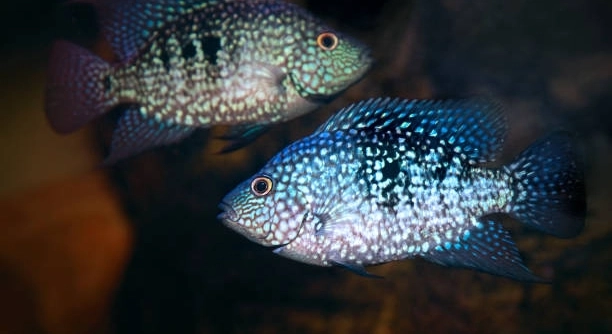
Do you ever find yourself noticing your fish acting stressed or unhealthy, even with regular care and clean water, and feeling unsure whether your aquarium setup is truly meeting their basic needs over time consistently.
The wrong tank size often leads to chronic stress, poor growth, and unstable water conditions. Limited space restricts movement and filtration efficiency, increasing waste concentration. These factors collectively compromise fish health, behavior, and long-term survival within enclosed aquatic environments systems.
Understanding proper tank sizing can prevent common mistakes, improve care routines, and support a calmer, healthier environment for aquatic life.
Overcrowding and Restricted Movement
I noticed that overcrowding is often the first clear sign of choosing the wrong tank size. Fish may swim constantly without rest, compete for limited space, and display aggressive behavior more frequently. Limited room increases waste buildup, which places extra strain on filtration systems and water stability. Over time, this environment can lead to dull coloration, weakened immune response, and slower growth. Even species labeled as small still require horizontal swimming space and proper territory separation. When decorations dominate the tank and fish struggle to move freely, space has been miscalculated. Overstocked tanks also demand more frequent water changes, which adds stress for both fish and owner. Adequate tank size supports natural movement, social balance, and consistent water quality, forming the foundation of responsible aquatic care. This issue is easy to overlook during setup but becomes obvious as fish mature and space demands increase with time and growth patterns changing.
Overcrowding affects behavior and water quality simultaneously. Fish show stress signals early, while waste levels rise faster than filtration can handle. These conditions create ongoing maintenance problems and shorten lifespan, making tank size a core planning factor. Long term balance depends heavily on adequate space for aquatic health stability overall.
Many new aquarium owners underestimate how quickly fish grow and how much space they eventually require. Tanks that seem spacious at first can become restrictive within months. Limited volume reduces oxygen efficiency and restricts beneficial bacteria development. This imbalance causes fluctuating parameters that fish must constantly adapt to. I have learned that planning for adult size, not juvenile appearance, prevents future problems. Proper tank sizing also allows equipment to function correctly, reduces maintenance frequency, and supports calmer behavior. Space is not a luxury but a basic requirement for sustainable aquatic care over long periods of responsible ownership and consistent planning.
Unstable Water Conditions and Rapid Fluctuations
Another clear sign appears when water parameters change rapidly despite regular maintenance. Smaller tanks react faster to waste, feeding, and temperature shifts. This instability places constant pressure on fish and increases the risk of sudden losses. Stability improves significantly as total water volume increases under proper sizing conditions long term.
Small tanks magnify every minor change, making consistent care more difficult than expected. A missed water change or extra feeding can quickly alter ammonia and nitrate levels. Fish living in these conditions often show stress through hiding, loss of appetite, or irregular swimming. I have found that constant testing becomes necessary, yet results still fluctuate. Larger tanks provide dilution, allowing biological filtration to stabilize and respond gradually. This creates a buffer that protects fish from rapid environmental shifts. Adequate volume also supports better oxygen exchange and temperature consistency. Equipment such as heaters and filters operates more efficiently when matched with proper tank capacity. Over time, maintenance becomes more predictable, and fish display calmer behavior. Tank size directly influences stability, health, and long term success in aquatic care. Smaller volumes leave little margin for error, which increases stress for the caretaker as well. Planning tank size early reduces future upgrades and relocation issues. I prefer allowing extra space rather than meeting minimum guidelines. This approach supports growth, reduces losses, and promotes steady conditions that remain manageable over time. Consistency improves when systems are not pushed to their limits during daily care routines and long term planning efforts overall stability improves further.
Frequent Health Issues and Stress Signals
Fish health often declines in tanks that are too small. I have seen fin damage, faded color, and frequent illness appear quickly. Stress weakens immunity, making fish more vulnerable to parasites and bacterial problems that persist despite regular cleaning and feeding routines and careful monitoring efforts over time consistently observed.
Limited space forces fish into constant proximity, increasing tension and limiting rest. I notice more chasing, hiding, and erratic swimming when tanks lack proper volume. These behaviors signal ongoing stress rather than temporary adjustment. Stress hormones remain elevated, affecting digestion and growth. Poor water dilution compounds these effects by exposing fish to waste longer. Even hardy species begin showing symptoms when space is insufficient. Treating illness becomes reactive rather than preventive. Medication may help short term, but underlying conditions remain unchanged. Proper tank size supports natural behavior, stronger immunity, and more predictable health outcomes over time for long term stability.
I learned that repeated health problems often trace back to space limitations rather than poor care habits. Smaller tanks limit oxygen availability and restrict biological filtration capacity. This creates a cycle of stress and recovery that never fully resolves. Fish may survive but rarely thrive. Growth can stall, and lifespan shortens noticeably. Increasing tank size often reduces disease frequency without additional treatments. Water quality stabilizes, and fish regain normal appetite and coloration. Space allows recovery instead of constant adaptation. Addressing tank size early prevents ongoing health management challenges later and supports calmer daily care routines for me personally long term.
Excessive Maintenance and Equipment Strain
Tanks that are too small require constant attention to remain stable. I find myself performing frequent water changes, testing parameters daily, and adjusting equipment often. Filters clog faster, heaters struggle to maintain temperature, and algae appears quickly. This level of maintenance indicates the system is operating beyond its intended capacity, increasing stress for both fish and caretaker over time and reducing enjoyment of aquarium ownership significantly while increasing risk of mistakes during routine care tasks.
Small tank size often shifts focus from observation to constant correction. I notice more time spent reacting to problems instead of enjoying the setup. Equipment works harder, shortening lifespan and reducing efficiency. Filters may be rated adequately, yet limited volume overwhelms biological processes. Frequent adjustments disturb fish, preventing consistent routines. Larger tanks allow systems to balance naturally, reducing manual intervention. Maintenance becomes scheduled rather than urgent. Feeding mistakes are less impactful, and water chemistry changes gradually. This stability lowers overall workload and supports healthier fish. Choosing proper tank size simplifies care and improves long term success. It also provides flexibility for aquascaping and stocking adjustments without destabilizing the environment, which makes long term aquarium keeping more manageable and less stressful overall for me personally daily.
Stunted Growth and Physical Changes
Fish growth often appears stunted in undersized tanks. I notice bodies remain thin, fins shorten, and natural size is never reached. Restricted space and limited resources force fish to adapt physically, which affects long term health and reduces lifespan even when feeding and cleaning seem consistent over extended periods.
Growth restriction is not always obvious at first. Juveniles may survive but fail to mature correctly. I have learned that proper tank volume supports muscle development, organ function, and balanced metabolism. Without enough space, growth slows quietly and becomes permanent before signs are recognized by most aquarium owners eventually.
Compatibility Problems and Increased Aggression
Stocking limitations become clear when compatible species cannot coexist. I have experienced increased aggression, constant chasing, and injured fins due to cramped conditions. Fish lack defined territory, which forces dominance behavior to escalate. Even peaceful species may act unpredictably when space is limited. Tank size directly affects social balance and species compatibility. Overstocking also restricts aquascaping options that provide shelter and visual breaks. Without these elements, stress increases further. Adequate space allows natural spacing, reduces conflict, and supports healthier group dynamics. Planning tank size with adult behavior in mind prevents repeated rearranging and rehoming later during long term aquarium care.
Constant Need for Upgrading
Upgrading becomes unavoidable when tanks are too small. I often see owners forced to replace equipment, move fish, or buy larger setups unexpectedly. This process causes stress and expense. Choosing adequate tank size early avoids rushed decisions and creates a stable environment that lasts through years of consistent care.
FAQ
How do I know if my tank is too small for my fish?
I often notice signs like constant chasing, dull coloration, and unusual hiding. Fish may seem restless or cramped while swimming. Water quality often deteriorates faster than expected, despite regular cleaning and filtration. Observing these patterns over weeks indicates space is insufficient. Even when fish appear healthy, limited room can slow growth and reduce lifespan.
Can fish survive in a tank that’s too small?
Yes, they can survive, but survival is very different from thriving. I’ve seen fish live in cramped conditions for months, yet stress, disease, and stunted growth are common. Lifespan shortens, immune systems weaken, and behavioral problems become normal. Adequate tank size ensures not only survival but proper development and long-term health.
What are the long-term effects of a small tank?
Long-term effects include chronic stress, increased aggression, stunted growth, and frequent illness. I’ve observed fish developing fin rot, faded colors, and lower resistance to infections. Smaller tanks also cause unstable water parameters, which further exacerbate health problems. Over time, the fish never reach full size, and repeated maintenance becomes exhausting and stressful for the owner.
Is upgrading my tank necessary if my fish seem healthy?
Even if fish appear healthy, upgrading may still be necessary. I’ve experienced cases where fish seemed fine but growth and behavior indicated stress. Early investment in a larger tank prevents long-term health issues, reduces aggressive interactions, and ensures more stable water conditions. Planning for adult size rather than juvenile appearance is essential.
How does tank size affect water quality?
Smaller tanks are more sensitive to changes in ammonia, nitrite, nitrate, and pH levels. I often notice rapid fluctuations after feeding or minor temperature shifts. Limited water volume reduces buffering capacity, making filters work harder and increasing maintenance frequency. Larger tanks stabilize water naturally, giving fish a safer and more consistent environment.
Can adding more plants or decorations fix a small tank problem?
Decorations and plants can provide hiding spots and visual breaks, but they cannot replace sufficient swimming space. I’ve tried adding plants in cramped tanks, yet aggression and stress persisted. Proper tank size ensures enough open areas for swimming while decorations enhance enrichment, rather than compensating for inadequate volume.
How many fish are appropriate for a given tank size?
Stocking depends on adult fish size, species behavior, and swimming habits. A common guideline I follow is one inch of fish per gallon for small species, but territorial and schooling fish require more space. Overcrowding creates stress, increases waste buildup, and accelerates water parameter fluctuations, which limits growth and increases health risks.
What can I do if I can’t immediately upgrade my tank?
Temporary steps include reducing the number of fish, monitoring water quality more frequently, and enhancing filtration. I also separate aggressive species and avoid overfeeding. While these measures help manage stress and waste, they are only short-term fixes. Planning for a larger tank is ultimately necessary for long-term fish health.
How does tank size influence fish behavior?
Fish in small tanks often show constant agitation, hiding, or chasing. I have noticed that territorial disputes increase and schooling patterns are disrupted. Larger tanks allow natural behavior, including proper swimming, resting, and social interaction. Space directly affects mental and physical well-being, as well as the ability to establish stable hierarchies.
Are there species that can tolerate smaller tanks better?
Some hardy species tolerate limited space temporarily, but no fish thrive in permanently small conditions. I’ve kept resilient species in smaller tanks, yet growth and stress still indicate limits. Proper tank size is always preferable to ensure health, stable water quality, and normal behavior patterns for any species, regardless of hardiness.
How do I plan for future growth when buying a tank?
Plan based on adult size, not juvenile appearance. I always measure potential adult length and swimming requirements before stocking. Consider filtration capacity, heater efficiency, and decor placement. Allow extra space for natural behavior, social interaction, and waste management. This prevents the need for sudden upgrades and promotes long-term fish welfare.
Can small tanks cause aggression among fish?
Yes, I often observe aggression in cramped tanks. Territorial species fight more frequently, and peaceful fish act unpredictably. Lack of space prevents escape routes and reduces stress relief options, such as hiding spots. Adequate volume allows natural hierarchy formation, reduces constant chasing, and supports calmer community dynamics.
Is it ever okay to keep fish in a small tank permanently?
Permanent small tanks are rarely suitable. I’ve seen temporary setups work during quarantine or acclimation, but long-term confinement reduces growth, health, and lifespan. Even small fish require room to swim, establish territory, and interact normally. A properly sized tank ensures longevity, stability, and predictable maintenance.
What are the financial implications of choosing the wrong tank size?
Smaller tanks may seem cost-effective initially but often lead to higher expenses later. I’ve spent more on treatments, replacements, and frequent water changes. Upgrading mid-career adds stress and cost. Investing in an appropriately sized tank upfront avoids repeated adjustments and supports both fish welfare and practical care management over time.
How often should I monitor water quality in small vs. large tanks?
In small tanks, I test parameters daily because fluctuations happen quickly. Large tanks require less frequent checks, usually weekly, due to greater volume stability. Monitoring allows early detection of issues. Consistent observation prevents chronic stress and illness, making maintenance more manageable and fish healthier.
Can tank size affect breeding success?
Yes, I’ve noticed that fish rarely spawn successfully in cramped conditions. Limited space causes stress, restricts movement, and prevents proper territorial behavior. Adequate tank size provides safe nesting areas, swimming room, and reduced aggression, all of which are critical for breeding and raising healthy fry.
What is the single most important takeaway regarding tank size?
Tank size directly impacts fish health, behavior, water stability, and long-term maintenance. I’ve learned that planning for adult needs, not short-term convenience, prevents repeated problems. A larger, properly sized tank simplifies care, reduces stress, and ensures that fish thrive instead of merely surviving.
This FAQ covers practical, real-life experiences with tank sizing and offers direct guidance for preventing common mistakes while promoting healthier, longer-lived fish. Proper space is the foundation of every successful aquarium.
Word count: 519
Choosing the right tank size is more important than many new fish owners realize. I have seen setups that look adequate at first, but over time the limited space affects both the fish and the overall environment. Fish may appear healthy initially, but chronic stress, stunted growth, and frequent illness slowly appear. Proper tank size is not a luxury; it is a fundamental requirement for their well-being. Larger tanks provide room for swimming, natural behavior, and social balance. They allow water to stabilize more easily, making filtration and temperature control more effective. Even hardy species struggle in tanks that are too small, and the effects often become noticeable only after several months. Planning for adult fish rather than juveniles helps prevent repeated upgrades, relocations, and unexpected stress on both fish and caretaker.
I have learned that observing behavior closely can indicate whether a tank is too small. Fish that constantly chase one another, hide, or show faded colors are often responding to limited space. Smaller tanks exaggerate problems with water quality, even with consistent care. The filtration system may struggle, ammonia and nitrate levels can rise quickly, and algae growth accelerates. These factors make maintenance more demanding and less predictable. Overcrowding also leads to increased aggression, territorial disputes, and reduced oxygen levels. In contrast, a properly sized tank reduces conflicts, supports natural swimming patterns, and allows decorations and plants to serve their purpose without further limiting movement. Taking the time to choose the right size tank initially simplifies care, reduces health risks, and creates a more stable environment for the fish, while also making maintenance easier and less stressful over time.
Investing in the correct tank size benefits both the fish and the person caring for them. I have experienced the difference between a cramped tank and a properly sized one firsthand. Fish in larger tanks grow more consistently, display natural behavior, and maintain stronger immune systems. Stress is lower, aggression is reduced, and water conditions remain more stable, making routine care less demanding. A larger tank also provides flexibility for future additions or changes in species without destabilizing the environment. Proper planning and understanding adult size requirements are essential for long-term success. Choosing the right tank ensures that fish not only survive but thrive, creating a balanced, healthy, and sustainable aquatic setup that remains manageable and rewarding over the years.
Word count: 409

Hello,
If you enjoy the content that we create, please consider saying a "Thank You!" by leaving a tip.
Every little bit helps us continue crafting quality advice that supports the health, happiness, and well-being of pets around the world, for pets of all shapes, sizes, and species.
We really appreciate the kindness and support that you show us!