
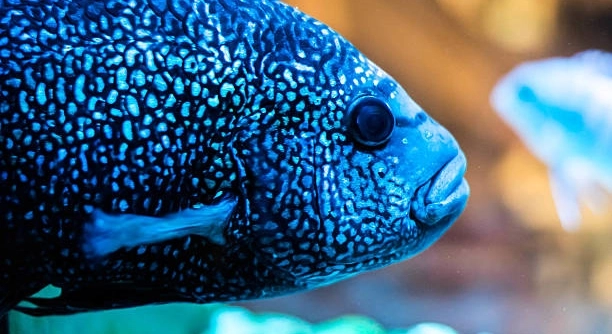
Jack Dempsey fish are known for their bold colors and lively behavior in home aquariums. Many hobbyists notice their responses can change over time when exposed to repeated activities and stimuli. Observing these patterns can be quite interesting.
Jack Dempsey fish can benefit from repetition through consistent feeding and environmental cues. Regular practice helps reinforce behaviors, reduces stress, and encourages natural instincts, ultimately leading to improved adaptation and responsiveness within their habitat.
Learning how repetition influences these fish can improve your aquarium management and make interactions with them more predictable and rewarding.
How Repetition Shapes Behavior
Jack Dempsey fish respond well to consistent routines in their environment. Feeding them at the same times daily helps them anticipate meals, reducing stress and promoting regular activity. Repeated exposure to safe objects, like decorations or hiding spots, encourages exploration and confidence. Over time, this consistency reinforces natural behaviors such as defending territory or interacting with other fish. Observing how they react to repeated stimuli can help identify preferences and patterns. For example, certain foods or locations in the tank may become favorites. Repetition also allows the fish to become comfortable with human presence, making them easier to monitor and care for. Gradual, predictable experiences can prevent sudden stress reactions that may harm their health. By carefully planning and maintaining a consistent environment, the overall well-being of Jack Dempsey fish can improve significantly. Small, repeated actions accumulate to create a more stable and responsive fish behavior over weeks and months, benefiting both fish and keeper.
Consistent repetition strengthens habits and makes fish behavior more predictable, improving both interaction and care within the aquarium environment.
Repetition also impacts learning in subtle ways. Fish exposed to regular patterns can remember locations of hiding spots, feeding areas, and preferred swimming paths. This memory reduces anxiety when changes occur, like rearranging the tank. It also encourages problem-solving behaviors, such as navigating obstacles or competing for resources. Over time, repeated experiences help fish recognize signals and cues, including hand movements or feeding tools. Consistency allows the fish to associate certain actions with outcomes, making training small behaviors possible. While they may not learn tricks like mammals, repeated stimuli enhance awareness, responsiveness, and confidence. Keeping a stable routine and environment not only benefits their mental state but also supports overall health. Observing these patterns provides insight into individual personalities, allowing better care tailored to each fish’s needs. Repetition becomes a tool for creating a healthier, more interactive aquarium experience.
Best Practices for Implementing Repetition
Gradual introduction of routines helps Jack Dempsey fish adapt without stress or confusion.
Establishing a consistent schedule is key. Begin with regular feeding times and slowly introduce environmental cues, like moving decorations or adding enrichment items, to observe responses. Avoid sudden changes that may trigger stress. Pay attention to individual fish reactions; some may adjust quickly, while others need more time. Using repetition in gentle interactions, such as approaching the tank or presenting food, can build trust and recognition. Additionally, repeating tasks like water changes or tank maintenance on a set schedule reinforces predictability. Monitoring behavior daily helps identify improvements or areas needing adjustment. By balancing consistency with minor variation, fish remain stimulated without feeling threatened. Repetition also aids in spotting early signs of illness, as deviations from normal routines become noticeable. Overall, structured, repeated practices support the mental and physical well-being of Jack Dempsey fish, making care more manageable and effective. Proper application of repetition ensures a healthy, confident, and responsive aquatic environment.
Recognizing Patterns in Jack Dempsey Fish
Observing repeated behaviors helps identify patterns in Jack Dempsey fish. Feeding responses, swimming paths, and reactions to tank changes all reveal habits. Recognizing these patterns can make care more predictable and reduce stress, creating a calmer environment for both fish and keeper.
Tracking their behavior daily shows clear preferences. Jack Dempsey fish may favor certain areas of the tank or react differently to various decorations. Some fish consistently explore new spaces first, while others stay near hiding spots. Repetition allows them to associate specific actions with outcomes, like swimming toward food when they hear movement near the tank. Monitoring these patterns helps adjust feeding, enrichment, and interaction methods, making the aquarium more tailored to individual fish needs. Over time, repeated observation builds a practical understanding of their personalities.
Patterns also reveal responses to stress and changes. Jack Dempsey fish may react strongly to sudden moves, tank rearrangements, or new tank mates. By noticing these responses and repeating gentle exposure, fish gradually adjust without heightened stress. Consistent observation helps differentiate normal behavior from warning signs of illness. Additionally, repeated exposure to certain stimuli can increase comfort with human presence. Over weeks, repetition transforms unpredictable reactions into more manageable behavior. This understanding allows careful planning of tank layout, feeding schedules, and enrichment activities. By respecting these patterns, fish experience a more stable, supportive environment.
Using Repetition for Training and Enrichment
Regular repetition can encourage desired behaviors in Jack Dempsey fish, improving interaction and enrichment opportunities.
Introducing simple routines, such as offering food in a specific area or using safe visual cues, helps fish associate actions with rewards. Gradually repeating these cues encourages recognition and predictable responses. Providing enrichment items like floating plants, tunnels, or gentle currents allows the fish to explore safely and repeatedly, promoting mental stimulation. Repetition also supports problem-solving, as fish learn to navigate obstacles or access food consistently. By consistently applying these practices, Jack Dempsey fish become more confident, engaged, and responsive, creating a healthier and more interactive tank environment for both fish and caretaker.
Repetition in training must be gradual and consistent to avoid stress. Start with short sessions that introduce a single stimulus, then slowly increase exposure while observing reactions. Combining visual and environmental cues with predictable feeding routines reinforces learning. Repeatedly presenting enrichment items, such as new hiding spots or movable objects, allows fish to explore and adapt while stimulating natural instincts. Avoid sudden changes that could trigger defensive behavior. Monitoring responses ensures adjustments are tailored to individual fish personalities, fostering trust and confidence. Over time, repeated routines improve problem-solving, reduce anxiety, and enhance adaptability. By implementing structured repetition, both enrichment and training become effective tools for promoting well-being.
Timing and Consistency
Feeding Jack Dempsey fish at the same times each day reinforces predictable behavior. Consistent timing reduces stress and encourages regular activity, making it easier to monitor health and maintain a balanced routine in the aquarium.
Consistency also applies to tank maintenance. Performing water changes, cleaning, and other care tasks on a regular schedule helps fish feel secure and minimizes sudden disturbances, supporting overall well-being.
Environmental Repetition
Repeating environmental cues, like placement of plants, rocks, or decorations, helps Jack Dempsey fish become familiar with their surroundings. Familiarity reduces stress and encourages exploration, allowing fish to navigate confidently and interact naturally within their habitat. This repetition fosters both comfort and engagement over time.
Monitoring Responses
Keeping track of how fish react to repeated stimuli is crucial. Noting changes in behavior, feeding, or activity helps identify preferences, stress levels, and overall health, allowing adjustments for a more stable environment.
FAQ
How does repetition help Jack Dempsey fish learn?
Repetition reinforces behaviors by creating predictable patterns. When a fish experiences the same stimuli regularly, it begins to associate actions with outcomes, such as approaching food when it sees a hand near the tank. This consistency reduces stress and encourages natural behaviors like swimming, exploring, and defending territory.
Can Jack Dempsey fish recognize people?
Yes, they can. Repeated exposure to the same person at feeding times allows the fish to associate that individual with food. Over time, they may swim toward that person or show less fear when the person approaches, demonstrating memory and recognition skills.
How often should I repeat feeding routines?
Feeding routines should be consistent but not excessive. Daily feeding at the same time helps establish a predictable schedule. Overfeeding can cause health issues, so stick to small, measured portions and keep the timing regular to encourage positive behavioral patterns.
Are there signs repetition is working?
Yes. Signs include approaching food quickly, reduced hiding, increased exploration, and calmer reactions to environmental changes. Fish may also respond consistently to familiar cues, like hand movements or new objects, showing that they are learning through repeated exposure.
Can repetition reduce stress in Jack Dempsey fish?
Absolutely. Predictable routines create a stable environment that reduces sudden surprises. Regular feeding, tank maintenance, and familiar environmental cues help the fish feel secure. Over time, they become more confident in navigating their habitat and interacting with other tank mates.
Should I use repetition for training behaviors?
Yes, simple training works with repetition. Using cues, such as moving food to specific locations or presenting visual signals, helps fish associate actions with rewards. Gradually repeating these actions reinforces learning, making fish more responsive and engaged without causing stress.
How do I apply repetition in tank maintenance?
Performing water changes, cleaning filters, and checking water quality on a consistent schedule provides predictability. Fish notice repeated environmental changes and gradually adjust, reducing stress. Structured maintenance routines also make it easier to spot unusual behavior, which can indicate illness or discomfort.
Can repetition improve social interactions among fish?
Yes. Regular exposure to the same tank mates helps Jack Dempsey fish establish territories and recognize each other. Repeated interactions reduce unnecessary aggression over time, as fish learn the boundaries and behaviors of others in the tank. This creates a more harmonious environment.
Is repetition effective for introducing new decorations or plants?
It is. Slowly placing new objects in the tank and allowing fish to explore them repeatedly helps them adjust. Introducing items gradually over several days allows fish to become comfortable without triggering stress or defensive behaviors.
How long does it take for repetition to show results?
Results vary by individual, but generally, consistent routines show noticeable effects within a few weeks. Fish start recognizing patterns, responding predictably to cues, and displaying calmer, more confident behavior. Patience and observation are key to maximizing the benefits of repetition.
Can repetition prevent behavioral problems?
Yes, to a degree. Regular routines reduce anxiety and confusion, which often cause unwanted behaviors like excessive hiding or aggression. By providing a stable environment, repeated positive experiences encourage natural, healthy behaviors while minimizing stress-induced issues.
Does repetition affect their mental stimulation?
It does. Repeating environmental exploration and interactive routines keeps the fish mentally engaged. Enrichment through repeated exposure to objects, currents, or safe obstacles challenges problem-solving abilities and encourages curiosity, preventing boredom and promoting overall well-being.
Can young Jack Dempsey fish benefit more from repetition than adults?
Younger fish tend to adapt faster, as their learning and memory development is more flexible. Introducing repetition early helps them establish predictable behaviors, navigate their habitat confidently, and build healthy routines that last into adulthood.
Is repetition enough for healthy growth?
Repetition supports behavioral development but must be paired with proper diet, water quality, and tank care. Consistency alone cannot replace essential needs. When combined with proper nutrition, clean water, and space, repetition enhances learning, confidence, and overall fish health.
Can repetition help in recognizing illness early?
Yes. Regular observation of repeated routines helps spot unusual behavior, like decreased activity or skipped feeding, which can signal illness. Predictable patterns make deviations noticeable, allowing timely intervention to protect the fish’s health and prevent complications.
How can I track progress with repetition?
Keep a simple log of feeding times, behavioral responses, and interactions. Note changes in activity, aggression, or exploration. Over weeks, patterns will emerge, showing which routines are effective and highlighting areas for adjustment to support learning and well-being.
Is it necessary to vary repetition occasionally?
Yes, small variations prevent boredom while maintaining predictability. Changing decoration positions slightly or rotating enrichment items stimulates exploration without causing stress. This balance keeps fish engaged and adaptable while still benefiting from consistent routines.
Does repetition work for all Jack Dempsey fish?
Most respond well, but individual personalities vary. Some fish may take longer to adjust or show subtle responses. Observing each fish carefully and tailoring repetition to their behavior ensures better results and reduces stress for more sensitive individuals.
What is the key takeaway for using repetition?
Consistency and patience are essential. Repetition builds predictable routines, reduces stress, encourages natural behaviors, and supports learning. When paired with proper care, it enhances confidence, social interaction, and overall well-being, creating a healthier, more responsive aquarium environment for Jack Dempsey fish.
How do I start implementing repetition today?
Begin with a simple routine: feed at the same time daily, introduce one environmental cue, and observe responses. Gradually expand routines and enrichment while keeping interactions gentle and predictable. Over time, the benefits of repetition become clear in behavior, confidence, and engagement.
Can repetition be combined with other training methods?
Yes, repetition works well alongside environmental enrichment, feeding strategies, and gentle handling. Using multiple consistent methods reinforces learning, builds recognition, and encourages natural behaviors without overwhelming or stressing the fish.
Final Thoughts
Jack Dempsey fish are fascinating creatures with strong personalities and distinct behaviors. They can be bold, curious, and sometimes territorial, making them both engaging and challenging to care for. Observing them over time shows how much they rely on patterns and routines to feel secure in their environment. By paying attention to their behavior, responses to feeding, and interactions with tank mates, hobbyists can learn a lot about what makes these fish comfortable and confident. Small, consistent actions, like feeding at the same time every day, repeating tank maintenance routines, and gradually introducing new objects, all contribute to their sense of stability. These repeated experiences help the fish recognize cues, reduce stress, and reinforce natural instincts. Over time, the repeated routines become familiar, making both the fish and the caretaker more comfortable with daily interactions. Understanding how repetition impacts behavior allows for better planning of the tank layout, feeding schedule, and enrichment activities. This leads to a more balanced and engaging aquarium where Jack Dempsey fish can thrive.
Repetition does not just support behavior; it also aids in health and overall well-being. Fish that are exposed to predictable patterns are less likely to experience stress, which can affect appetite, activity levels, and immunity. Consistency in feeding, cleaning, and environmental cues allows fish to anticipate changes rather than react unpredictably. It also provides hobbyists with a clear baseline for monitoring their fish. Any deviation from normal routines, like skipping a meal or reacting differently to a familiar object, becomes noticeable and can signal potential health issues. Additionally, repeating interactions, such as presenting food or safe visual cues, strengthens recognition and helps the fish respond more confidently to their environment. By using repetition thoughtfully, it is possible to improve not only behavior but also the overall quality of life for Jack Dempsey fish. Small, repeated actions can have long-lasting effects, making the fish calmer, more exploratory, and easier to care for, which benefits both the fish and the keeper.
Finally, creating a structured and predictable environment with repetition encourages engagement and mental stimulation. Jack Dempsey fish enjoy exploring their tanks, interacting with objects, and responding to environmental cues. Repetition helps them learn the layout, identify safe spaces, and navigate obstacles confidently. By gradually introducing enrichment items and repeating positive experiences, hobbyists can foster curiosity and problem-solving behaviors without causing stress. Maintaining consistency while allowing minor variations keeps the environment stimulating, helping prevent boredom and encouraging natural behavior. Over time, repeated routines make the fish more confident in their tank, more responsive to cues, and better adjusted to daily interactions. This approach highlights the importance of patience and observation in fish care. Understanding and applying repetition creates a more harmonious, predictable, and enjoyable experience for both Jack Dempsey fish and their caretakers, resulting in healthier, happier, and more confident fish over the long term.

Hello,
If you enjoy the content that we create, please consider saying a "Thank You!" by leaving a tip.
Every little bit helps us continue crafting quality advice that supports the health, happiness, and well-being of pets around the world, for pets of all shapes, sizes, and species.
We really appreciate the kindness and support that you show us!