
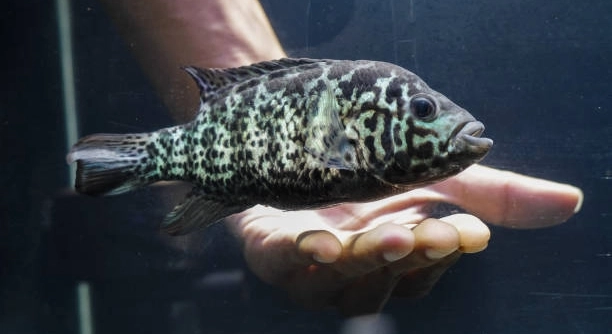
Uneven growth in Jack Dempsey fry can frustrate dedicated keepers and affect long term health. This article explains common causes behind size differences, helping aquarists recognize early signs and create stable conditions for developing fish.
Uneven growth in Jack Dempsey fry is primarily caused by inconsistent feeding, competition for food, variable water quality, genetic variation, overcrowding, stress, and temperature instability. These factors limit equal access to nutrition and energy, resulting in size disparities within brood.
Each cause plays a role in development, and understanding them helps promote balanced growth and healthier outcomes over time overall.
Inconsistent Feeding and Competition
Inconsistent feeding is one of the main reasons Jack Dempsey fry grow at different rates. When food is offered unevenly, stronger fry eat first and more often. Smaller fry hesitate, fall behind, and burn energy searching for leftovers. I have seen this happen when feeding schedules change or portions are guessed instead of measured. Fry need frequent, evenly spread meals to support steady development. Fine foods like crushed flakes, baby brine shrimp, or powdered fry food should reach all areas of the tank. Without this balance, dominant fry grow faster, while weaker ones struggle to keep up. Over time, these gaps become more visible and harder to correct. Feeding consistency is not only about quantity, but also timing, distribution, and food size suited for young fish. This approach reduces stress during meals and allows each fry to develop muscle, immunity, and confidence at a healthier pace over time naturally together.
Uneven feeding patterns quickly create size gaps that affect behavior. Larger fry become more assertive, while smaller ones hide more often. This cycle continues unless feeding methods are adjusted early, using multiple feeding spots and consistent portions to support equal access. This helps stabilize growth across the group over time.
Competition during feeding is closely tied to tank setup. In bare tanks or small spaces, fry cluster tightly, increasing aggression around food. Adding simple cover, like sponge filters or plants, breaks lines of sight and spreads movement. I prefer observing feeding from above to ensure food drifts evenly. When fry spread out, weaker individuals feed without pressure. This reduces stress and supports better digestion. Overcrowding worsens competition, so separating fry by size can help when differences become obvious. Managing space and structure works alongside proper feeding to reduce uneven growth and support healthier development overall within the same tank environment.
Water Quality and Environmental Stability
Water quality directly affects how fry use energy for growth. Poor filtration, waste buildup, and unstable parameters force fry to focus on survival instead of development. Even slight ammonia or nitrite exposure can slow growth unevenly, especially among weaker fry in shared tanks. Consistency is essential during early life stages.
Stable environmental conditions allow Jack Dempsey fry to grow at a more uniform pace. Temperature swings, inconsistent water changes, and fluctuating hardness create stress that affects fry differently. Some adapt quickly, while others fall behind. I learned that small, frequent water changes work better than large, irregular ones. Clean water improves appetite, digestion, and nutrient absorption. Fry raised in stable conditions show stronger feeding responses and steadier size progression. Temperature should remain consistent, as cooler water slows metabolism and warmer water increases competition. Filtration must be gentle but effective, keeping waste low without creating strong currents. Light levels also matter, since excessive brightness can increase stress and reduce feeding confidence. When water parameters are maintained carefully, fry spend less energy coping and more energy growing. Over time, this balance helps reduce visible size gaps and supports healthier, more predictable development across the group. I monitor parameters daily during early weeks and adjust slowly. Sudden corrections often cause more harm than benefit. Consistency builds resilience. Fry that grow in stable water tend to remain balanced as juveniles, reducing the need for later separation and minimizing long term setbacks. This approach has consistently improved results in my own tanks over time steadily.
Genetic Differences Within the Brood
Genetic variation plays a quiet but powerful role in uneven fry growth. Even under identical conditions, some Jack Dempsey fry are programmed to grow faster. I have noticed certain individuals consistently outpace siblings despite equal feeding, space, and stable water parameters. These differences appear early and persist over time naturally.
Not all fry inherit the same growth potential from their parents. Stronger genetics often result in better metabolism, faster nutrient absorption, and higher activity levels. Weaker fry may eat well but convert food less efficiently. I have separated fry by size and still observed consistent growth differences, which points back to genetics rather than care. Selective breeding over generations can also amplify these traits. When parents come from varied stock, size variation becomes more noticeable. Genetics cannot be changed, but recognizing their influence helps set realistic expectations and prevents overcorrecting feeding or water conditions unnecessarily during early development stages periods.
Because genetics set limits, management should focus on support rather than correction. I avoid chasing perfect uniformity and instead watch for extreme size gaps. Smaller fry may need separation to avoid stress, not forced growth. Offering consistent care allows each fish to reach its own potential. Genetic differences often level out slightly with age, especially once aggression increases. Monitoring behavior matters more than chasing numbers. Healthy fry show steady growth, active feeding, and confidence. When those signs are present, size variation alone is not always a problem worth fixing. Time and patience play an important role during early rearing stages.
Overcrowding and Tank Space
Overcrowding increases stress and limits equal access to food. When too many fry share limited space, stronger individuals dominate feeding zones. I have seen smaller fry pushed aside repeatedly. Tight conditions also reduce oxygen levels and increase waste, forcing fry to compete harder. This environment favors rapid growers and leaves slower ones behind, even when feeding amounts seem adequate. Growth differences appear quickly and worsen over time without proper spacing and monitoring in early tanks.
Tank space directly affects how evenly fry develop. Limited room restricts movement, increases contact, and raises stress hormones that slow growth in weaker fry. I prefer starting with fewer fry per tank and expanding space as they grow. Using larger grow out tanks or splitting broods helps reduce dominance behavior. Visual barriers and gentle flow also help distribute fry naturally. When space is adequate, feeding becomes calmer and more efficient. Fry spread out, eat longer, and waste less energy competing. Overcrowding often masks itself as a feeding issue, but space is usually the root cause. Addressing it early prevents long term size gaps and reduces the need for constant intervention later. This adjustment has consistently improved growth balance for me across multiple breeding setups tanks.
Stress From Environmental Factors
Stress affects fry growth by redirecting energy away from development. Sudden movements, bright lighting, frequent tank disturbances, and aggressive tank mates all contribute. I have noticed stressed fry eat less, hide more, and grow unevenly compared to calm, confident siblings over time in unstable rearing environments during early growth stages.
Reducing stress requires consistency and observation. I limit sudden changes, keep lighting soft, and maintain predictable routines. When fry feel secure, feeding improves and competition decreases. Small adjustments, like gentle maintenance and quiet surroundings, often lead to more even growth across the tank over time for developing fry overall health.
Temperature Instability
Temperature instability creates uneven metabolic rates among fry. Warmer areas encourage faster growth, while cooler zones slow digestion and activity. I monitor heaters closely because even small fluctuations change feeding behavior. Consistent temperature supports steady appetite, balanced energy use, and uniform development. When temperatures swing, stronger fry adapt quickly, but weaker ones stall. Using reliable heaters, stable room conditions, and regular checks prevents hidden growth gaps. I also avoid placing tanks near windows or vents. Stable warmth allows fry to focus on growth instead of constant adjustment, which helps maintain more consistent sizing throughout early stages of development overall period.
Uneven Heat Distribution
Temperature issues often go unnoticed because tanks appear stable. I learned to check multiple spots, not just heater displays. Uneven heat distribution can quietly affect growth rates. Correcting this early helps prevent size differences that become difficult to manage later during fry development in shared rearing tanks over time consistently.
FAQ
Why are some Jack Dempsey fry smaller than others even when feeding seems equal?
Even when feeding is consistent, genetics and competition can create size differences. Some fry naturally absorb nutrients faster and have higher metabolism, while others expend more energy avoiding dominant siblings. I’ve observed that weaker fry may eat well but still lag behind due to slower conversion of food into growth. Providing even feeding spots and small hiding areas can help reduce extreme disparities, but small differences will always exist because of inherent genetic variation within the brood.
How often should I feed Jack Dempsey fry to prevent uneven growth?
Fry do best with multiple small feedings per day. I feed mine 3 to 5 times, using powdered or finely crushed foods that reach all areas of the tank. Frequent meals ensure weaker fry get access before stronger fry dominate the feeding zones. Overfeeding in one session doesn’t work because leftover food can pollute the water, stressing fry and slowing growth. Balanced, distributed feeding helps maintain more uniform growth across the tank.
Can tank size really affect growth rates in fry?
Yes, overcrowding increases stress and competition for food. I have seen fry in small tanks develop large size gaps, even with perfect water and feeding. Adequate space allows fry to spread out, reduces aggression, and gives smaller fry a chance to feed undisturbed. Using larger grow-out tanks or separating fry by size can balance growth and improve survival.
Does water quality influence size differences in Jack Dempsey fry?
Absolutely. Poor water quality stresses fry, reduces appetite, and slows digestion. Even small ammonia or nitrite levels can impact weaker individuals more, creating visible size differences. I make daily parameter checks during early weeks and perform frequent small water changes to maintain stability. Clean water supports steady growth, healthy metabolism, and stronger immune systems for all fry.
How important is temperature consistency for even growth?
Temperature is critical. Fry in warmer zones grow faster, while those in cooler areas lag behind. I use reliable heaters and check temperatures in multiple locations to avoid hidden cold spots. Stable warmth encourages regular feeding, efficient energy use, and uniform development. Small fluctuations can disproportionately affect weaker fry, creating lasting size gaps.
Can stress from tank environment cause uneven growth?
Yes, stress redirects energy away from growth. Fry exposed to sudden movements, strong currents, or bright lights often eat less and hide more. I maintain calm, consistent routines and provide gentle flow and soft lighting. Fry in low-stress environments feed confidently, expend less energy avoiding threats, and develop more evenly over time.
Should I separate fry by size to prevent uneven growth?
Separating fry can help manage aggression and competition. I often move smaller fry to a quieter tank once size differences become obvious. This prevents bullying, ensures equal access to food, and reduces stress. Over time, size grouping helps fry reach their potential without constant interference from dominant siblings.
Is genetics the only factor I cannot control?
Yes, genetics set the baseline for growth potential. Even with perfect care, some fry will naturally grow faster or slower. I focus on providing optimal feeding, water quality, and space rather than trying to force uniformity. Recognizing that some variation is normal helps maintain realistic expectations and reduces unnecessary stress in rearing.
How do I know if uneven growth is a problem or normal variation?
Normal variation shows small differences among fry with steady activity, feeding, and health. Extreme gaps, stunted growth, or lethargy in weaker fry signal stress, overcrowding, or poor conditions. I monitor behavior closely and intervene only when fry show signs of persistent struggle, ensuring each has a fair chance to grow and develop properly.
Can adjusting water flow and tank structure help balance growth?
Yes. I add plants, sponge filters, or gentle visual barriers to break up open space. This allows smaller fry to feed without constant interference from larger, dominant siblings. Reduced aggression and calm movement lead to more even energy use and steady development, minimizing the impact of competition on growth disparities.
Do environmental changes have long-term effects on growth?
Sudden changes in water, temperature, or lighting can slow or halt growth temporarily. I make gradual adjustments to avoid shocking fry. Consistent conditions over the first several weeks are critical, as early stress often leaves lasting size differences. Fry that grow in stable conditions develop more evenly and show stronger overall health.
How can I encourage smaller fry to catch up in growth?
Smaller fry catch up best in low-stress, well-fed, and adequately spaced environments. I separate them if necessary, feed multiple small meals, and ensure water remains clean and stable. While genetics set limits, careful care allows most fry to close the gap over time without forcing unnatural growth.
Is uneven growth more common in certain batches or species?
Yes, batches from diverse parental genetics tend to show greater variation. Jack Dempsey fry, being active and competitive, often display size differences earlier than calmer species. I pay attention to brood composition and adjust feeding, spacing, and structure to support all individuals equally.
Does monitoring fry behavior help reduce growth disparities?
Observing behavior is key. Fry that hide, avoid food, or show lethargy often need intervention. I watch feeding patterns, aggression, and movement to identify fry struggling to grow. Targeted care for these individuals—through separation, additional feeding, or environmental adjustments—helps maintain more even growth throughout the tank.
Uneven growth in Jack Dempsey fry is a natural occurrence that many aquarists encounter, even with careful care. Size differences often appear early and can be influenced by a combination of genetics, feeding habits, competition, and environmental conditions. While it may be tempting to try to correct every small disparity, understanding the root causes helps manage expectations and prevent unnecessary stress. Observing fry behavior, feeding patterns, and tank conditions over time provides insight into which factors are most impactful. Not all growth differences are harmful; some are simply natural variation that will balance out slightly as the fry mature.
Focusing on consistent care is more effective than attempting to force uniform growth. Providing evenly distributed meals, clean and stable water, and adequate tank space creates a supportive environment for all fry. Stress reduction plays an important role in development, as fry in calm surroundings expend more energy on feeding and growth rather than coping with threats or disturbances. When aggressive behavior or size gaps become extreme, temporary separation or visual barriers can help balance feeding opportunities. Temperature stability and gentle filtration also contribute to overall health and reduce the likelihood of uneven growth caused by environmental stress. Over time, these careful adjustments support healthier, more resilient fry while minimizing frustration for the keeper.
It is also important to accept that genetics set inherent limits on growth rates. Some fry will naturally grow faster or slower than others, regardless of care quality. Recognizing this helps prevent over-intervention and allows aquarists to focus on creating optimal conditions rather than chasing perfect uniformity. By monitoring behavior, maintaining consistent care, and addressing stress, feeding, and space challenges, fry have the best chance to reach their potential. Even with size differences, most fry develop into healthy, active juveniles when raised with patience and attention. Taking a measured, supportive approach ensures a balanced, thriving tank and allows each Jack Dempsey fry to grow in a safe, stable environment.

Hello,
If you enjoy the content that we create, please consider saying a "Thank You!" by leaving a tip.
Every little bit helps us continue crafting quality advice that supports the health, happiness, and well-being of pets around the world, for pets of all shapes, sizes, and species.
We really appreciate the kindness and support that you show us!