
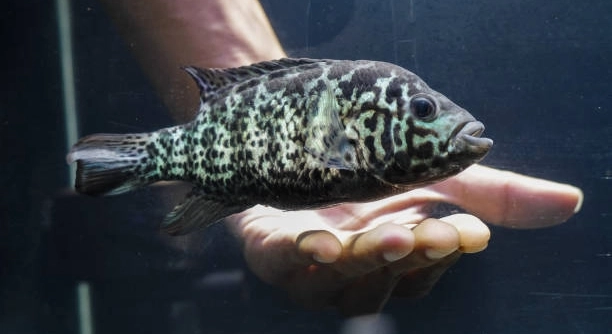
Have you ever thought about keeping a Jack Dempsey fish in a community tank with other fish? These cichlids are known for their striking colors and lively personalities, making them a popular choice for home aquariums.
Jack Dempsey fish can display aggression toward other tank mates, especially in confined spaces or during breeding periods. Careful tank planning, adequate space, and compatible species are essential to reduce conflict and promote a more peaceful environment.
Learning how to manage tank conditions and fish behavior will help you create a harmonious aquarium where your Jack Dempsey can thrive alongside others.
Understanding Jack Dempsey Temperament
Jack Dempsey fish are naturally territorial, especially as they grow larger. In a tank, they may chase or nip at smaller or slower fish. Their behavior can vary depending on the environment, tank size, and number of hiding spots. Providing rocks, plants, and decorations helps create zones, allowing them to feel secure. Stress is a major factor in aggression, so maintaining clean water and stable conditions is crucial. Juvenile Jack Dempseys are less aggressive, but adults may demand more space and attention. Keeping them with fish of similar size or temperament reduces tension. Observation is key; noticing early signs of aggression can prevent serious injuries. Feeding schedules also play a role, as hungry fish may become more territorial. Overall, understanding their natural instincts allows for a better-managed community tank that minimizes stress for all fish. Proper planning and monitoring are essential to keep harmony.
Tank design and environment strongly influence Jack Dempsey behavior, helping to reduce conflicts with other fish in a community setting.
Careful planning of tank layout ensures each fish has space to explore. Rocks, plants, and hiding spots give Jack Dempseys security while allowing less aggressive species to retreat. Feeding on time and keeping water clean further supports peaceful coexistence, creating a balanced aquarium where all fish thrive.
Choosing Compatible Tank Mates
Smaller, slow-moving fish may be stressed by Jack Dempsey aggression, so selecting similarly sized, non-aggressive species is important. Avoid keeping them with tiny or timid fish that cannot defend themselves.
When selecting tank mates, consider both size and temperament. Medium to large fish that can tolerate occasional chasing are ideal. Species like larger catfish, silver dollars, and robust tetras can coexist if the tank is spacious enough. Avoid overcrowding, as it increases stress and triggers territorial behavior. Even compatible species need hiding places and defined territories. Introducing Jack Dempseys last can help establish them without immediate conflicts. Regular observation ensures that any emerging aggression is addressed quickly. By understanding interactions and planning carefully, you can maintain a community tank that balances energy, size, and temperament, allowing Jack Dempseys and other fish to live together successfully. Consistency in care and attention to behavior patterns are key to sustaining a peaceful environment for all aquarium inhabitants.
Tank Size and Space
A larger tank gives Jack Dempseys room to establish territories without constantly confronting other fish. Crowded conditions increase stress and aggression, so space is essential for a balanced community.
Providing at least a 55-gallon tank for a single adult Jack Dempsey allows adequate swimming space and reduces territorial disputes. Adding rocks, driftwood, and plants helps create natural boundaries. Multiple hiding spots prevent constant chasing and offer retreat areas for less aggressive species. Proper filtration and regular maintenance keep water conditions stable, which further reduces stress-induced aggression. By planning tank layout thoughtfully, you can support peaceful interactions and a healthier environment for all fish.
Even in large tanks, monitoring fish behavior is important. Jack Dempseys may still display occasional aggression, especially during feeding or breeding. Observing patterns and adjusting decor or tank mates helps maintain harmony.
Feeding and Diet
Jack Dempseys require a high-protein diet to stay healthy and satisfied, which can reduce aggression caused by hunger or competition. Feeding multiple times a day in small portions helps maintain stability.
Offering a mix of pellets, live foods, and frozen options provides proper nutrition while keeping the fish engaged. Overfeeding should be avoided, as it can cause water quality issues and increase aggressive behavior during feeding. Consistent feeding schedules help all fish know when food is available, lowering territorial disputes over meals. Providing scattered feeding areas allows timid fish to eat without interference, and rotating food types keeps Jack Dempseys healthy and less prone to boredom. Observation during feeding ensures each species receives enough nutrition and that no single fish dominates the meal, promoting a calmer tank environment overall.
Tank Decorations and Hiding Spots
Providing plenty of decorations and hiding spots reduces stress for both Jack Dempseys and other fish. Rocks, driftwood, and plants create natural barriers that limit direct confrontations and give timid fish safe areas to retreat.
Hiding spots also help define territories, which can lower aggressive behavior. Juvenile and adult Jack Dempseys alike benefit from visual barriers that break line-of-sight, reducing constant chasing and bullying. The placement of decorations should allow swimming space while offering secure retreats. Plants that are sturdy enough to withstand digging or rearranging are ideal. Regularly checking and adjusting tank décor ensures that territories remain balanced as fish grow and interact differently over time.
Monitoring Behavior
Consistent observation is essential to notice early signs of stress or aggression. Watching interactions helps prevent serious injuries.
Adjusting Tank Conditions
Water quality, temperature, and pH levels strongly affect Jack Dempsey temperament. Maintaining stable conditions reduces irritability and supports overall health.
Recognizing Aggression
Understanding specific aggressive behaviors, such as chasing, nipping, or flaring, helps in taking timely action before conflicts escalate.
FAQ
How aggressive are Jack Dempsey fish in community tanks?
Jack Dempseys are moderately aggressive, particularly as they grow. Juveniles may tolerate tank mates better, but adults often establish territories that can lead to chasing or nipping. Aggression is more pronounced during feeding or breeding, so careful planning and observation are necessary to maintain harmony.
Can Jack Dempseys live with smaller fish?
Smaller fish are usually stressed by Jack Dempseys and may get injured. Tiny or timid species are not recommended as tank mates. If you want a peaceful community tank, choose fish of similar size and temperament to reduce the risk of conflict.
What tank size is best for Jack Dempseys?
A minimum of 55 gallons is recommended for one adult Jack Dempsey, with more space required for additional fish. Larger tanks allow territories to be established without constant confrontation. Adding decorations and hiding spots further improves the environment.
Do hiding spots reduce aggression?
Yes, hiding spots and decorations are crucial. Rocks, plants, and driftwood provide visual barriers and retreat spaces, allowing fish to escape potential conflict. These structures also help break the line-of-sight, which lowers the frequency of chasing and bullying.
How should I feed Jack Dempseys in a community tank?
Feed small portions multiple times a day to prevent hunger-related aggression. Use high-protein pellets, frozen, and live foods. Spread food around the tank to give all fish access, reducing competition and territorial disputes during mealtime.
Do Jack Dempseys get aggressive during breeding?
Yes, breeding triggers strong territorial instincts. Males and females guard their nest aggressively and may attack other fish. Extra space, visual barriers, and temporarily separating other tank mates can help manage this behavior safely.
Can water conditions affect their behavior?
Absolutely. Poor water quality, fluctuating temperature, or unstable pH can increase stress and aggression. Maintaining stable parameters and performing regular water changes supports calm behavior and overall health for both Jack Dempseys and their tank mates.
What species are compatible with Jack Dempseys?
Medium to large, non-aggressive fish are ideal. Examples include silver dollars, larger catfish, and robust tetras. Avoid tiny, slow-moving, or timid species that cannot defend themselves or escape when chased. Observation is necessary to ensure compatibility over time.
How do I recognize when aggression is a problem?
Signs include constant chasing, nipping, torn fins, or hiding fish. Aggression that persists despite space and hiding spots may require separating the fish or adjusting the tank layout to prevent injuries and stress.
Can Jack Dempseys calm down over time?
Some individuals may become less aggressive as they mature and establish territories, but others remain naturally assertive. Proper tank setup, compatible species, and consistent monitoring are essential for maintaining a balanced environment.
How do I introduce Jack Dempseys to a community tank?
Introduce Jack Dempseys last, after other fish are settled. This allows them to establish their territory without immediately confronting new tank mates. Gradual introductions and observation help prevent sudden conflicts.
Is it safe to keep more than one Jack Dempsey?
It can be done if the tank is large enough and provides multiple territories. Too few hiding spots or insufficient space can lead to constant fighting, so careful planning is required to avoid stress and injuries.
Can tank décor prevent injuries?
Yes, decorations and plants act as buffers and break line-of-sight, reducing direct confrontations. Sturdy plants and rocks that can withstand digging are recommended. Properly arranged décor allows both Jack Dempseys and other fish to move safely.
What should I do if aggression escalates?
If aggression becomes severe, consider increasing space, adding more hiding spots, or temporarily separating the fish. Observation and timely intervention are critical to prevent injuries and maintain a peaceful tank environment.
Are juvenile Jack Dempseys easier to manage?
Juveniles are generally less aggressive, making them easier to introduce to community tanks. However, as they grow, their territorial instincts increase, and tank planning must adapt accordingly to maintain balance.
Can feeding routines reduce aggression?
Yes, consistent feeding schedules and multiple feeding spots reduce competition. High-protein diets and portion control help keep Jack Dempseys satisfied and less likely to chase or attack other fish.
How do tank mates influence behavior?
Tank mates with similar size and temperament reduce conflict. Aggressive or overly timid species can trigger stress or retaliation. Observing interactions and adjusting pairings is necessary to sustain harmony.
Is it necessary to monitor breeding pairs closely?
Yes, breeding pairs become highly territorial. Extra precautions like adding barriers, providing extra space, or temporarily isolating other fish help protect both the breeding pair and the rest of the tank.
What role does water filtration play in behavior?
Strong, efficient filtration maintains water quality, reducing stress-related aggression. Dirty or poorly filtered water increases irritability, making conflicts more likely. Regular maintenance supports calm and healthy fish.
How long does it take to establish a peaceful community?
It varies depending on tank size, species, and individual fish personalities. Observation and adjustments over weeks are usually needed. Providing space, hiding spots, and stable conditions helps Jack Dempseys and their tank mates coexist more peacefully.
Final Thoughts
Jack Dempsey fish are striking and lively additions to an aquarium, but they come with distinct behavioral traits that must be managed carefully. These cichlids are naturally territorial, and their aggression can increase as they grow older or during breeding periods. Successfully keeping them in a community tank requires thoughtful planning of space, tank mates, and décor. Providing ample room and multiple hiding spots allows both Jack Dempseys and other fish to establish territories without constant conflict. Rocks, plants, and driftwood not only create secure zones but also break line-of-sight, which is important for minimizing chasing and bullying. Regular observation is equally essential to notice early signs of aggression, such as nipping or excessive chasing, so adjustments can be made before injuries occur.
Feeding practices also play a significant role in maintaining peace. Jack Dempseys are high-protein eaters, and hunger can trigger territorial behavior. Feeding small portions multiple times a day ensures they remain satisfied while giving other fish a chance to eat without being chased. Scattering food around the tank prevents one fish from dominating mealtime, and rotating different types of food keeps the fish engaged and healthy. Consistency in feeding schedules reduces stress and establishes a routine that all fish in the tank can follow. Combined with clean, stable water conditions and proper filtration, these measures help lower irritability and aggressive tendencies. By addressing both dietary needs and tank management, aquarists can create a more balanced and calm environment for Jack Dempseys and their companions.
Even with careful planning, it is important to understand that Jack Dempseys will always exhibit some level of assertiveness. Selecting tank mates of similar size and temperament is critical, and overcrowding should be avoided to prevent stress. Juvenile fish may be easier to manage, but as they mature, their natural instincts will emerge, making space and décor adjustments necessary over time. Breeding pairs require extra attention, as they can become highly protective and aggressive. Monitoring behavior, maintaining proper water quality, and adapting tank arrangements as needed are all part of responsible care. With consistent attention, patience, and thoughtful planning, it is possible to maintain a peaceful community tank where Jack Dempseys thrive alongside compatible fish. Proper management allows these cichlids to display their beauty and energy without creating constant conflict, offering a rewarding and balanced aquarium experience.

Hello,
If you enjoy the content that we create, please consider saying a "Thank You!" by leaving a tip.
Every little bit helps us continue crafting quality advice that supports the health, happiness, and well-being of pets around the world, for pets of all shapes, sizes, and species.
We really appreciate the kindness and support that you show us!