
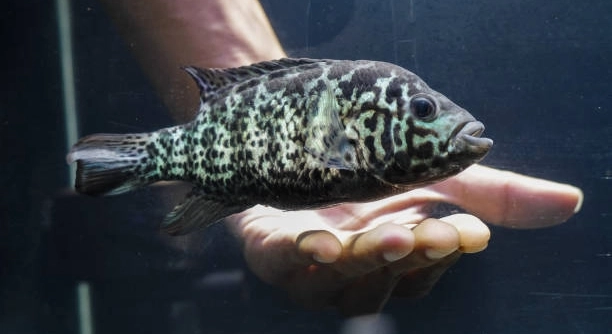
Jack Dempsey fish are known for their bright colors and lively personalities, making them popular among aquarium enthusiasts. Watching them interact can be fascinating, especially when they begin showing unusual behaviors during mating periods.
Jack Dempsey fish exhibit several distinctive behaviors when mating. Males build nests and display aggressive postures, while females show readiness by hovering near the nest. Color changes, fin displays, and bubble spawning are common indicators of reproductive activity in this species.
Observing these signs closely will help you understand your fish’s interactions and maintain a healthy aquarium environment for their breeding habits.
Unusual Nest-Building Behavior
Jack Dempsey fish often start mating by building unusual nests. Males dig shallow pits in the substrate, sometimes moving large amounts of gravel or sand. They may even rearrange plants or decorations to create a suitable area for eggs. The process can seem intense, with males spending hours shaping the nest and guarding it fiercely. Females observe closely, hovering near the nest and testing the male’s patience. The nests are usually round or oval and slightly depressed compared to the surrounding substrate. Watching a male work so diligently can feel almost personal, as if he takes pride in his creation. The nest is a sign that mating is imminent and that the male is ready to show off his strength and appeal. This behavior is not only fascinating to observe but also critical to successful breeding. Understanding nest-building can help you recognize when your Jack Dempsey is preparing for reproduction.
Nest-building is an early and reliable sign that mating behavior is about to begin.
Male Jack Dempseys take the lead, creating a safe environment for eggs. They are highly territorial, often chasing away other fish during this period. Females approach the nest cautiously, circling and signaling their readiness through body posture and slight color changes. Once accepted, the female lays eggs in the nest, and the male fertilizes them immediately. Bubble clusters sometimes form around the nest, which adds extra protection for the eggs. Observing these behaviors can make maintaining a breeding tank more manageable.
Color Changes and Display Patterns
During mating, Jack Dempseys change color noticeably. Males often become more vivid, showing bright blues, greens, or golds across their bodies.
Color changes signal sexual readiness. Males intensify their hues to attract females, while females may darken slightly to indicate receptiveness.
These displays are not only visual but also behavioral. Males flare their fins and hold their bodies erect, creating a striking appearance. They may circle the female slowly or perform small, sudden darting movements to capture attention. Females respond with subtle movements, often hovering or rubbing against the substrate near the nest. Color and display patterns are essential communication tools during mating, helping both fish coordinate the spawning process. Changes in intensity can indicate mood, readiness, or stress levels. Recognizing these patterns allows you to monitor health and reproductive success. Keeping the water clean and stable encourages vivid colors and natural behavior. Observing the combination of color, posture, and movement provides a clear picture of what is happening during Jack Dempsey reproduction.
Bubble Spawning
Bubble clusters often appear around the nest during mating. These bubbles help protect the eggs and keep them oxygenated, signaling that the fish are actively engaged in reproduction.
Males create these bubbles by gulping air at the surface and releasing it carefully around the nest. The bubbles form a loose, floating layer that keeps the eggs from sinking or sticking to the substrate. Females tend to stay close, inspecting the nest and sometimes nudging the bubbles to adjust their position. This process requires constant attention from the male, who guards the area fiercely, chasing away any intruders or other fish. The bubbles can vary in size and number, but their presence is always a clear indication that spawning is occurring. Observing bubble formation can give insight into the timing and progress of reproduction, helping you understand your fish’s behavior.
The male guards the nest continuously, ensuring the eggs remain safe and properly aerated until they hatch.
Females assist by positioning the eggs carefully within the bubble clusters. Their presence ensures fertilization occurs efficiently, and both fish remain focused on maintaining the nest. Male Jack Dempseys are vigilant during this time, using fin displays and chasing actions to keep the area clear. The bubbles act as both protection and a visual signal of active spawning. Over time, the eggs develop and stick together, floating slightly within the bubbles. Maintaining water quality is crucial during this stage, as clean, oxygen-rich water helps the eggs survive and thrive. Observing this stage closely reveals how delicate and coordinated Jack Dempsey mating behavior truly is.
Aggressive Guarding
Male Jack Dempseys show strong aggression during mating periods. They defend the nest from other fish, ensuring eggs remain safe and undisturbed.
Guarding behavior is constant, with males chasing intruders and using body displays to assert dominance. This aggression extends to any nearby fish, even in a community tank, as males perceive potential threats. They patrol the nest perimeter and flare fins to appear larger, often circling the female or standing near the bubble clusters. Any disturbance can trigger a sudden rush or chase, emphasizing the male’s protective instincts. Guarding ensures the eggs have a higher survival rate, as predators or other fish rarely approach successfully. Observing this behavior shows how much effort males invest in reproduction and highlights the importance of providing space during mating.
Aggressive guarding also includes subtle monitoring of the female’s behavior. Males respond to her movements, adjusting their position around the nest to ensure she can lay eggs safely. They may guide her gently toward the bubble clusters while maintaining a watchful eye for intruders. The intensity of aggression often peaks during the early stages of spawning but continues until the fry begin to swim independently. Providing a calm, secure environment allows males to perform this behavior naturally without added stress, which can otherwise affect egg viability. Understanding these patterns helps you manage interactions in the tank while supporting successful reproduction.
Fin Flaring
Male Jack Dempseys flare their fins during mating to appear larger and more intimidating. This behavior signals dominance and readiness to protect the nest from intruders.
Females notice the flared fins and often respond with subtle movements near the nest. It’s a clear visual cue that both fish are focused on reproduction.
Hovering Near the Nest
Females spend time hovering near the nest, carefully observing the male and the bubble clusters. This behavior helps them decide when to lay eggs and ensures they are in the safest position for fertilization. Hovering also allows females to test the male’s response, confirming he is attentive and protective.
Quick Darts
Males and females often make quick, darting movements around the nest. These short bursts help position eggs and maintain dominance over the territory.
FAQ
How can I tell if my Jack Dempsey is ready to mate?
You can tell by watching their behavior closely. Males start building nests and moving gravel or sand around. Their colors become brighter, and they begin flaring fins frequently. Females hover near the nest, testing the male’s response. Bubble clusters may also appear around the nest, signaling active preparation for spawning. These signs together indicate that your fish are ready for reproduction.
What is the purpose of bubble clusters in Jack Dempsey mating?
Bubbles serve multiple purposes. They keep the eggs afloat and prevent them from sticking to the substrate. They also increase oxygen availability around the eggs, which is essential for healthy development. The male creates the bubbles by gulping air at the surface and releasing it carefully around the nest. This behavior shows that the male is actively protecting and preparing the eggs for fertilization.
Why does my male Jack Dempsey seem aggressive during mating?
Aggression is natural and necessary. Males defend the nest to ensure the eggs remain safe. They chase away other fish, flare their fins, and patrol the nest continuously. This behavior is normal and indicates that the male is serious about protecting the offspring. Keeping other fish at a safe distance can reduce stress on the male and prevent unnecessary injury.
Do female Jack Dempseys participate in nest building?
Females are less involved in construction but do play a role in egg placement. They hover near the nest and carefully position the eggs into the bubble clusters. Their movements also test the male’s attentiveness, helping coordinate fertilization. While males take the lead in building and guarding, female participation is essential for successful reproduction.
How long do Jack Dempsey eggs take to hatch?
Eggs typically hatch within three to five days, depending on water temperature and quality. Warmer, stable water speeds up development, while fluctuations can delay hatching. During this period, the male guards the nest constantly, and bubble clusters remain intact to keep the eggs safe and oxygenated. Observing these behaviors can help you anticipate when fry will emerge.
What should I do if my Jack Dempsey eggs are not developing?
Check water quality and temperature first. Poor conditions, high ammonia, or sudden changes can prevent proper development. Make sure the male is guarding the nest and bubble clusters remain intact. Removing aggressive tank mates or providing a separate breeding tank can improve survival rates. In some cases, infertile eggs may simply need to be removed to prevent contamination.
Can Jack Dempseys mate in a community tank?
Mating is possible but challenging in community setups. Aggression levels are high, and males may attack other fish or stress the female. A separate breeding tank is often recommended to allow nest building, bubble spawning, and guarding behaviors without interference. Providing hiding spots and adequate space helps both male and female focus on reproduction.
How can I encourage successful mating?
Maintain clean, stable water and provide a soft substrate for nest building. Ensure the tank is spacious enough for territory defense. Feeding high-quality food and keeping stress low encourages bright colors and natural behaviors. Observing signs like fin flaring, bubble formation, and hovering near the nest confirms that conditions are right.
Do males and females stay together after spawning?
No, after the fry become free-swimming, males often resume normal territorial behavior, and females may move away. Interaction decreases, as the focus shifts from egg protection to the fry’s independent survival. It’s important to monitor both fish to prevent aggression once the fry begin swimming freely.
How many eggs can a Jack Dempsey lay at one time?
A female can lay hundreds of eggs, often clustered tightly in the bubble nest. The exact number depends on age, size, and health. Males fertilize the eggs immediately, and the combined guarding behavior ensures most eggs survive the early development stages.
What are signs that the fry are hatching successfully?
You’ll notice tiny movements within the bubble clusters before they emerge. Eggs may darken slightly, and the male remains vigilant. Once the fry hatch, they often cling near the nest before swimming freely. Maintaining water quality and keeping other fish away ensures maximum survival.
Can I remove the male after eggs are laid?
It is possible but not recommended unless the male becomes overly aggressive. His guarding behavior protects the eggs and ensures proper aeration via bubble clusters. Removing him too early can reduce survival rates and make the eggs vulnerable to fungal infections or predation.
How do I know if my Jack Dempsey mating was successful?
Successful mating is indicated by a high number of healthy, fertilized eggs, consistent male guarding, and eventual hatching. The fry should start swimming freely within days, showing signs of normal development. Observing these behaviors confirms that reproduction went smoothly and your fish are healthy.
Final Thoughts
Jack Dempsey fish are fascinating to watch during mating because their behaviors are so distinct and easy to notice. From nest-building to color changes, bubble spawning, and aggressive guarding, each action plays a clear role in reproduction. Observing these behaviors can make keeping them more rewarding, especially if you are interested in breeding or understanding their natural instincts. The males are very dedicated to protecting their nests, and females play an important role in positioning eggs and signaling readiness. Paying attention to these signs allows you to see how coordinated and purposeful their actions are. Even subtle movements, like hovering near the nest or darting quickly around the tank, are part of a larger pattern that ensures eggs are fertilized and safe. Recognizing these behaviors helps you support a healthy environment that encourages natural mating without unnecessary stress or interference.
Mating behavior in Jack Dempseys also highlights the importance of tank setup and water conditions. A spacious tank with a soft substrate allows males to dig and shape nests freely, while clean, stable water ensures eggs and fry remain healthy. Bubble spawning, for instance, depends on oxygen-rich water, and any sudden change can affect survival. Likewise, aggression during guarding is natural, but it is easier to manage when the tank is organized to provide clear territory boundaries. Providing hiding spots for other fish or using a separate breeding tank can prevent conflicts, allowing both males and females to focus on reproduction. Feeding high-quality food also encourages bright colors and natural behaviors, which are signs of a healthy, stress-free fish. By maintaining these basic conditions, you increase the likelihood of successful spawning and help the fish thrive throughout the process.
Finally, understanding the timing and sequence of mating behaviors gives a better perspective on the Jack Dempsey’s reproductive habits. Nest-building, bubble formation, fin displays, hovering, and egg-laying are all connected and occur in predictable patterns. Observing these events provides insight into the fish’s communication and coordination. After spawning, males often continue guarding until the fry are free-swimming, while females step back, showing how their roles shift naturally. Watching these stages closely not only enhances your appreciation for the fish but also helps ensure eggs and fry survive. Supporting these behaviors through proper care, tank setup, and observation creates an environment where Jack Dempseys can express their instincts fully and reproduce successfully. By paying attention to each behavior and providing the right conditions, you can see firsthand the remarkable ways these fish handle reproduction.

Hello,
If you enjoy the content that we create, please consider saying a "Thank You!" by leaving a tip.
Every little bit helps us continue crafting quality advice that supports the health, happiness, and well-being of pets around the world, for pets of all shapes, sizes, and species.
We really appreciate the kindness and support that you show us!