
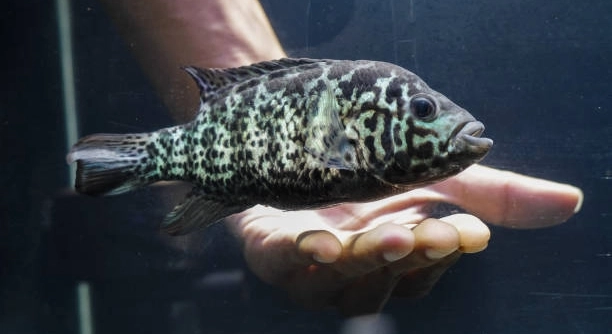
Jack Dempsey fish are known for their bold colors and lively personalities, making them a popular choice for home aquariums. Their behavior can be influenced by many factors, including changes in their environment or the loss of tankmates.
Jack Dempsey fish may show changes in behavior when tankmates die. Stress, altered social dynamics, and shifts in territory can cause increased aggression, withdrawal, or heightened activity. These responses are natural adaptations to changes in their aquatic environment.
Observing these changes closely helps ensure the fish remain healthy and comfortable in their tank environment. Understanding their behavior supports long-term well-being and stability in your aquarium.
How Tankmate Loss Affects Jack Dempsey Behavior
When a tankmate dies, Jack Dempsey fish often respond noticeably. They may become more territorial, asserting control over areas previously shared. Some fish appear withdrawn, spending more time hiding, while others swim actively in search of interaction. These changes are linked to their natural instincts. Stress can elevate, influencing appetite, energy, and general health. Observing shifts in swimming patterns, fin display, and interactions with remaining fish provides insight into their emotional state. Adjusting the tank environment, adding hiding spots, or temporarily isolating aggressive fish can reduce stress. Lighting, water quality, and feeding routines also play a role in helping the fish regain stability. Even minor alterations, like rearranging decorations, may impact their comfort and behavior. Regular monitoring ensures that these fish adapt safely. Understanding these subtle changes is key to maintaining harmony and health in the tank. Consistent care supports both their physical and emotional well-being over time.
Stress and environmental changes are the main factors causing behavioral shifts in Jack Dempseys.
Watching their response after a loss highlights how social structure matters. Adjustments in care help them regain balance and reduce stress. Awareness of these patterns allows you to maintain a stable tank environment, preventing long-term issues in behavior or health.
Managing Behavior After Loss
Providing extra hiding spots and rearranging the tank can help Jack Dempseys feel secure.
Consistent feeding schedules and careful observation support recovery. If aggression increases, separating fish temporarily prevents injury. Water quality is critical, as stress heightens sensitivity to changes. Introducing new tankmates should be gradual, giving the surviving fish time to adapt. Maintaining stable temperatures and regular cleaning routines reinforces a calm environment. Monitoring their interactions helps identify early signs of stress or illness. Behavioral changes may be temporary, but interventions reduce risk of long-term harm. Over time, most Jack Dempseys regain normal routines when their environment feels safe. Small adjustments in decorations, plants, or hiding areas can make a significant difference. Encouraging positive interactions through structured feeding and minimal disturbances supports social recovery. Understanding their needs and responding quickly prevents unnecessary stress, promoting overall health. By observing carefully and adjusting conditions thoughtfully, the fish can thrive even after losing a tankmate.
Recognizing Signs of Stress
Changes in swimming patterns, loss of appetite, or hiding more often are clear signs Jack Dempseys are stressed after a tankmate dies. Aggression toward remaining fish or frequent color changes can also indicate emotional discomfort and disrupted social dynamics.
Stress in Jack Dempseys can manifest in subtle and obvious ways. Some fish become withdrawn, avoiding interaction, while others may patrol the tank aggressively. Fin clamping, erratic swimming, or refusing food are all indicators that their routine has been disrupted. Even minor environmental changes can amplify stress, making it important to observe their behavior consistently. Adjustments to hiding spots, tank layout, and feeding schedules can reduce anxiety. Monitoring water quality and temperature helps prevent additional stress. Awareness of these signs ensures timely action to maintain their health.
Addressing stress early is essential to prevent long-term behavioral or health issues. Providing a stable environment, regular routines, and safe spaces helps Jack Dempseys regain confidence. Removing overly aggressive individuals temporarily or adding plants and decorations can create comfort. Observing interactions carefully allows you to identify which fish need extra attention. Supporting their adjustment ensures they return to normal behavior, maintaining harmony in the tank. Proper care during this period strengthens resilience and encourages stable social dynamics among remaining fish.
Adjusting the Tank Environment
Rearranging decorations, adding hiding spots, and ensuring consistent lighting can help Jack Dempseys feel secure and reduce stress levels effectively.
A stable and thoughtfully arranged tank supports recovery after the loss of a tankmate. Jack Dempseys rely on familiar territory and visual boundaries to feel safe. Adding plants, caves, or rocks creates areas for retreat and exploration, reducing tension. Avoid sudden changes or overcrowding, as these can worsen stress. Keeping the tank clean and maintaining stable temperature and water conditions reinforces a sense of security. Observing how fish use these spaces helps identify what works best for their comfort. Gradually introducing new elements ensures the fish adapt without anxiety. A predictable routine in feeding and maintenance also contributes to a calmer environment, promoting healthy behavior. Creating a balanced space helps the remaining fish feel protected, reducing aggression and encouraging normal activity.
Environmental adjustments should be combined with monitoring social interactions to maintain harmony. Recognizing individual personalities and preferences allows for targeted changes. Some fish may favor open areas while others need secluded spots. This knowledge helps prevent conflict and ensures all fish feel secure. Adjusting water flow, light intensity, and tank décor in measured steps minimizes stress triggers. Providing sufficient space and enrichment keeps Jack Dempseys active and mentally stimulated. Regularly reviewing tank setup allows for continued improvement and adaptation as fish behavior evolves. Overall, thoughtful environmental management supports resilience, reduces aggression, and encourages recovery after a tankmate’s loss.
Feeding Adjustments
After a tankmate dies, Jack Dempseys may eat less or show sudden hunger changes. Adjusting feeding times and portion sizes can help them regain appetite and reduce stress-related behavior effectively.
Offering smaller, frequent meals encourages eating and helps monitor health. High-quality food supports recovery and maintains energy levels. Avoid overfeeding, as stress can affect digestion. Watching how they respond to changes ensures feeding routines meet their needs.
Social Interaction Considerations
Jack Dempseys are naturally territorial. Removing a tankmate alters social balance, which can increase aggression or withdrawal. Observing remaining fish and temporarily separating overly dominant individuals helps maintain harmony. Adjusting the number of fish or introducing visual barriers prevents conflicts while they adapt to the new social structure.
Monitoring Health
Stress can weaken immunity. Keep a close eye on fin condition, coloration, and activity. Early detection of illness ensures timely care and prevents further complications.
FAQ
Do Jack Dempsey fish become more aggressive after a tankmate dies?
Yes, Jack Dempseys often show increased aggression when a tankmate dies. Their territorial instincts become stronger as they adjust to the absence of other fish. This behavior is natural and usually temporary. Providing hiding spots and maintaining stable water conditions can help reduce conflict and stress.
Will Jack Dempseys hide more after losing a tankmate?
It is common for them to spend more time hiding or staying in corners. Withdrawal is a stress response, especially in tanks where the social structure has been disrupted. Extra hiding areas or rearranged décor can encourage them to feel secure again.
How long does it take for behavior to normalize?
Behavioral changes can last a few days to several weeks depending on the fish’s personality, the size of the tank, and environmental stability. Maintaining consistent routines and observing interactions allows you to support recovery.
Should I add a new tankmate immediately?
Introducing a new fish right after a loss is not recommended. Jack Dempseys need time to adjust to the absence of their previous companion. Sudden additions can increase stress and trigger aggression. Wait until behavior has stabilized before considering new fish.
Can stress from losing a tankmate affect their health?
Yes, prolonged stress can lower immunity, reduce appetite, and increase susceptibility to disease. Observing changes in coloration, fin condition, or swimming patterns helps identify health risks early. Proper diet, clean water, and minimal disturbances are essential for recovery.
Is aggression toward remaining fish normal?
Yes, aggression can increase as the surviving Jack Dempsey asserts dominance or tests boundaries. Temporary separation of overly aggressive fish, visual barriers, and rearranged tank décor can prevent injury and restore balance.
Do they need more hiding spaces after a tankmate dies?
Providing additional shelters is very helpful. Plants, caves, or rocks allow fish to retreat and reduce stress. A secure environment encourages natural behavior and helps minimize conflicts between remaining tankmates.
Will their appetite change after losing a tankmate?
Yes, appetite may decrease temporarily due to stress. Offering smaller, frequent meals and monitoring how they eat ensures they receive proper nutrition. Avoid overfeeding, which can worsen water quality and stress.
Do Jack Dempseys remember previous tankmates?
While fish do not remember in the way humans do, they recognize social patterns. Changes in group dynamics can influence their behavior based on familiarity and learned interactions with other fish.
Can rearranging the tank help?
Yes, subtle changes in tank layout can reduce stress by creating new territories and hiding areas. Gradual adjustments allow the fish to adapt without feeling threatened or overwhelmed.
How can I tell if a fish is recovering?
Signs of recovery include returning appetite, normalized swimming patterns, reduced hiding, and restored coloration. Monitoring interactions with other fish also indicates whether social behavior is returning to normal.
Are these behavior changes permanent?
Most changes are temporary if the tank environment remains stable and stress is managed. Persistent aggression or withdrawal may require further intervention, such as adjusting tankmates or adding more enrichment.
Should I change water parameters after a loss?
Maintaining consistent water quality is more important than making changes. Stability in temperature, pH, and cleanliness reduces stress and supports overall health during behavioral adjustments.
Can they become depressed?
While fish do not experience depression like humans, stress can lead to withdrawal, decreased activity, and reduced appetite. Providing a safe, enriched environment encourages normal behavior and reduces prolonged stress.
How can I prevent stress after a tankmate dies?
Preparedness helps. Keep extra hiding spots, maintain clean water, monitor interactions, and avoid sudden changes. Observing the fish carefully allows you to intervene early if stress responses escalate.
Will adding decorations improve social balance?
Yes, thoughtful placement of plants, rocks, or caves creates natural boundaries. This reduces aggression, offers retreats, and allows each fish to claim its own space, encouraging calmer interactions.
Is temporary separation sometimes necessary?
Yes, separating aggressive or withdrawn fish temporarily can prevent injury and reduce tension. Reintroduce them gradually once behavior stabilizes to maintain a peaceful tank environment.
Do all Jack Dempseys react the same way?
No, individual personality influences responses. Some become aggressive, while others hide or show little change. Tailoring care and tank adjustments to each fish ensures the best outcome.
Can behavior regress after improvement?
Occasionally, stress may resurface if the environment changes or a new tankmate is added too soon. Continuous observation and careful management help prevent regression.
Is monitoring critical for long-term health?
Yes, keeping a close eye on behavior, appetite, and interactions is essential. Early detection of stress or illness allows timely intervention, supporting the overall health and well-being of your Jack Dempseys.
Do tank size and decoration influence recovery?
Absolutely. Larger tanks with diverse hiding spots reduce stress and provide more control over territory. Thoughtful decoration supports natural behaviors and helps maintain harmony after a loss.
Can these strategies work for other cichlid species?
Many principles apply, as cichlids share social and territorial behaviors. Stress management, hiding spots, stable water, and careful monitoring benefit most species with similar social structures.
What is the key to helping Jack Dempseys after a loss?
Consistency, observation, and a safe environment are critical. Adjusting the tank thoughtfully, monitoring social interactions, and supporting recovery ensures the fish remain healthy and balanced.
Do they eventually accept new tankmates?
Yes, after behavioral stabilization, they can adapt to new fish. Introductions should be gradual and carefully monitored to ensure peaceful integration and minimize stress for all fish involved.
How long should I observe changes?
Observing daily for several weeks is recommended. Behavior may fluctuate, so patience and consistent care are essential to determine when normal patterns resume.
Can enrichment improve recovery?
Yes, adding plants, rocks, and varied territories stimulates natural behavior. Enrichment reduces boredom, promotes exploration, and supports mental and physical well-being during recovery.
Is it necessary to consult a professional?
If aggressive behavior, illness, or prolonged stress persists, consulting an experienced aquarist or veterinarian can provide targeted advice and prevent serious problems.
Final Thoughts
Jack Dempsey fish are resilient, but the loss of a tankmate can create noticeable changes in their behavior. Some may become more aggressive, patrolling their territory and asserting dominance, while others may retreat, hiding more often or showing less interest in food. These reactions are natural responses to stress and shifts in the social environment. Observing the fish carefully during this period is essential. Changes in swimming patterns, coloration, and interaction with remaining tankmates provide valuable insight into how they are coping. Maintaining a stable environment with consistent feeding, clean water, and proper temperature helps reduce stress. Providing hiding spots and visual barriers allows each fish to feel secure while adjusting to the new social structure. Small, thoughtful adjustments to the tank can make a significant difference in helping Jack Dempseys regain comfort and stability.
Consistency is key when supporting recovery. Sudden changes in tank layout, water parameters, or introducing new fish can prolong stress and potentially trigger aggression or illness. Keeping routines predictable reassures the fish and encourages normal behavior to return. Monitoring their appetite is also important, as stress can lead to reduced eating or overeating. Offering smaller, frequent meals of high-quality food helps ensure they receive proper nutrition while recovering. Watching how each fish responds allows you to make informed adjustments. Some fish may need extra hiding areas, while others may prefer open swimming space. Taking time to notice these preferences and catering to them reduces conflict and supports mental and physical well-being. Over time, these interventions encourage Jack Dempseys to settle back into their usual routines and regain a sense of security in their tank.
Behavioral recovery can vary depending on personality, tank size, and previous experiences. Not all Jack Dempseys respond the same way. Some may quickly resume normal activity and interactions, while others take longer to feel secure and reestablish social balance. Being patient and attentive is essential for successful adjustment. Temporary measures, such as separating overly aggressive fish or adding more hiding spots, can help maintain harmony. Gradually introducing changes ensures the fish adapt without feeling threatened. Regular observation and subtle environmental management support their natural instincts while minimizing stress. By providing a calm, stable, and enriched environment, you give Jack Dempseys the best chance to recover fully, maintain their health, and continue displaying the vibrant behavior that makes them such a compelling addition to any aquarium. Over time, these strategies help the fish regain confidence, encourage positive social interactions, and maintain overall well-being.

Hello,
If you enjoy the content that we create, please consider saying a "Thank You!" by leaving a tip.
Every little bit helps us continue crafting quality advice that supports the health, happiness, and well-being of pets around the world, for pets of all shapes, sizes, and species.
We really appreciate the kindness and support that you show us!