
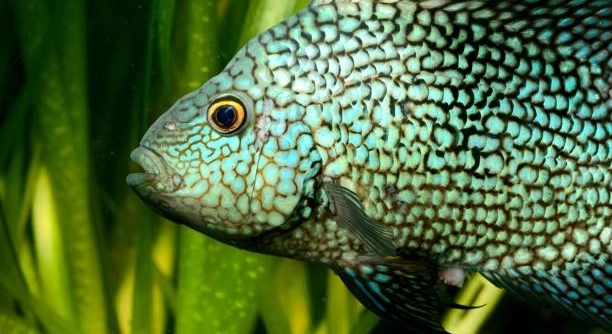
Have you ever noticed that your Jack Dempsey fish seems unusually calm around its territory? Many owners expect this species to be highly protective, yet some fish show little to no guarding, leaving their tanks surprisingly peaceful.
Jack Dempsey fish may not guard their territory due to factors such as tank size, lack of breeding activity, insufficient hiding spots, or social interactions with other fish. Environmental and biological conditions can reduce their natural territorial instincts effectively.
Adjusting the tank environment and observing fish behavior can help encourage more natural guarding habits. Small changes often improve both activity levels and overall fish well-being.
Environmental Factors Affecting Guarding Behavior
Many Jack Dempsey fish will guard aggressively when they feel their territory is under threat. However, in a home aquarium, certain environmental factors can reduce this instinct. A tank that is too small limits hiding spaces and can make the fish feel exposed, discouraging territorial behavior. Overcrowding or incompatible tank mates can also reduce aggression, as the fish may focus on avoiding conflict rather than defending a specific area. Lighting, water temperature, and the presence of decorations or plants play a role as well. A tank with few hiding spots or visual barriers can make a fish feel insecure, leading it to appear passive. On the other hand, creating a tank environment with appropriate space, hiding places, and compatible companions can encourage more natural guarding behaviors. Observing these details closely often explains why a seemingly aggressive species might seem unusually calm.
Proper tank setup and environmental adjustments can directly influence your fish’s guarding behavior, encouraging natural instincts to resurface.
Ensuring that your Jack Dempsey feels secure in its environment is essential. Adding rocks, plants, and other visual barriers allows the fish to claim a space. Proper water conditions and temperature stability also support normal behavior. By reducing stressors and providing adequate space, your fish is more likely to display guarding instincts as expected. Paying attention to social dynamics and adjusting tank mates can prevent passive behavior. Over time, a carefully managed environment will help your fish show natural territorial patterns, making the aquarium feel more lively and balanced.
Breeding and Social Dynamics
Breeding status heavily influences guarding behavior.
During breeding periods, Jack Dempsey fish are more likely to guard their eggs or fry aggressively. Without breeding triggers, even healthy fish may remain passive. Social hierarchies also affect behavior; a dominant fish may suppress guarding instincts in a crowded or competitive tank. Observing interactions and adjusting pairings or tank population can encourage natural displays of territoriality. Creating conditions that mimic natural breeding environments, including proper water parameters and nest-building materials, helps trigger instinctive guarding. Understanding these dynamics allows for better management of fish behavior, ensuring a balanced and active aquarium.
Diet and Health
A Jack Dempsey’s diet can impact its energy and territorial behavior. Poor nutrition or inconsistent feeding may reduce activity and the instinct to guard a territory.
Proper nutrition supports energy levels and natural instincts. A balanced diet including high-quality pellets, frozen foods, and occasional live foods provides the protein and nutrients necessary for health. Malnourished or underfed fish may appear lethargic or uninterested in their surroundings. Vitamins and supplements can help maintain immune health and encourage natural behaviors. Feeding schedules also matter; consistent timing helps fish establish routines, promoting alertness and responsiveness in the tank environment. Observing appetite and body condition can indicate if dietary adjustments are needed to restore normal activity and guarding instincts.
Illness can also affect behavior. Parasites, infections, or stress from water quality issues may make a fish less active or responsive. Healthy fish with proper nutrition are more likely to exhibit guarding instincts and engage with their environment as expected.
Tank Size and Layout
Tank size directly affects how Jack Dempsey fish behave. Small or overcrowded tanks limit space for territory and movement.
A larger tank allows fish to establish zones and feel secure. Visual barriers like rocks and plants create hiding spots and reduce stress, encouraging natural territorial instincts. In smaller tanks, aggression may decrease because the fish cannot claim a sufficient area or avoid other fish. Proper layout also improves water circulation and reduces conflicts. Observing how your fish interacts with its space can guide adjustments. Rearranging décor or increasing space often stimulates activity and territorial behavior, making the aquarium more dynamic and healthier overall.
Stress and Environmental Stability
Stress can cause Jack Dempsey fish to stop guarding their territory. Sudden changes in water parameters or loud disturbances can make them passive.
Maintaining stable temperature, pH, and cleanliness reduces stress. Fish in stable conditions are more likely to behave naturally, showing guarding instincts and regular activity.
Tank Companions
Aggressive or incompatible tank mates can influence behavior. Fish may avoid confrontation, appearing less territorial to maintain peace.
Breeding Readiness
Only fish that are ready to breed typically show strong guarding behavior. Without eggs or fry, Jack Dempseys often remain calm, focusing on feeding and swimming rather than defending territory.
Observation and Adjustment
Regular observation helps identify stressors or environmental issues. Minor changes in layout, tank mates, or water quality can restore normal behavior.
FAQ
Why is my Jack Dempsey not guarding its territory?
Your Jack Dempsey may not be guarding due to environmental conditions, lack of breeding stimuli, or stress. Tanks that are too small, crowded, or poorly decorated can reduce natural territorial instincts. Fish in unstable water conditions or with aggressive tank mates may also avoid defending areas.
Can diet affect guarding behavior?
Yes. A poorly balanced diet or irregular feeding can lower energy levels and reduce natural instincts. Providing high-quality pellets, frozen foods, and occasional live foods ensures your fish has the nutrients and energy to show normal guarding behavior. Vitamins and supplements can support overall health.
Do tank mates influence guarding?
Absolutely. Aggressive or highly active tank mates can suppress territorial behavior. Jack Dempseys may avoid confrontation, especially in crowded tanks, appearing passive. Choosing compatible companions and maintaining appropriate population density can encourage natural interactions and guarding instincts.
Does tank size matter?
Tank size plays a key role. Small tanks limit movement and territory establishment, which can reduce guarding behavior. Larger tanks allow fish to claim areas, create boundaries, and feel secure. Rearranging décor and adding visual barriers like plants or rocks also supports natural territorial instincts.
How does stress affect Jack Dempsey behavior?
Stress from sudden water changes, loud disturbances, or inconsistent conditions can make fish passive. Fish under stress focus on survival rather than defending territory. Stable water parameters, consistent lighting, and a peaceful environment help reduce stress and restore natural behaviors.
Will breeding trigger guarding behavior?
Yes. Only fish that are ready to breed typically display strong territorial instincts. A pair with eggs or fry will actively guard their area. Without breeding triggers, even healthy fish may remain calm and uninterested in defending space.
How can I encourage guarding without stressing the fish?
Provide hiding spots, visual barriers, and stable water conditions. Ensure proper nutrition and compatible tank mates. Adjusting tank layout gradually and observing social interactions helps fish feel secure and encourages natural guarding behavior without causing stress.
Can illness prevent guarding?
Illness or parasites can make fish lethargic and less responsive. Sick fish are unlikely to defend territory. Maintaining good water quality, proper diet, and prompt treatment for diseases helps restore energy levels and natural behaviors, including territorial defense.
How long does it take for natural guarding to appear?
It depends on environmental setup, health, and social dynamics. Some fish begin showing guarding within days after adjustments, while others take weeks. Patience and careful observation are essential to encourage consistent natural behavior.
Are all Jack Dempseys equally territorial?
No. Individual temperament varies. Genetics, early experiences, and tank conditions influence how strongly a fish will guard territory. Understanding your fish’s personality and adapting the environment accordingly helps support natural instincts.
Can I change a passive fish into a more territorial one?
Yes, with proper care. Improving tank size, layout, diet, water quality, and reducing stress can encourage a passive fish to display natural territorial behaviors. Gradual adjustments and careful monitoring are key to achieving this safely.
Is it normal for some Jack Dempseys to never guard?
While uncommon, some individuals remain passive due to personality, health, or persistent environmental factors. Recognizing natural variation is important, and ensuring overall well-being should be the priority over forcing territorial behavior.
What are signs my fish is stressed instead of naturally calm?
Signs include hiding excessively, rapid gill movement, loss of appetite, or unusual swimming patterns. Unlike calm behavior, stressed fish show consistent avoidance or lethargy. Correcting environmental or social stressors usually restores normal activity and territorial instincts.
How do I know if my tank layout is suitable?
A suitable layout includes adequate space, hiding spots, and visual barriers. Fish should be able to establish zones without constant confrontation. Observing interactions over time helps determine if the environment supports natural guarding and social behavior.
Does water quality really affect territorial behavior?
Yes. Poor water quality can reduce energy, cause stress, and suppress instincts. Maintaining consistent temperature, pH, and cleanliness allows fish to behave naturally, including guarding territory when appropriate. Regular testing and maintenance are essential.
Are there behavioral signs that my Jack Dempsey is ready to breed?
Yes. Fish may become more aggressive, dig in substrate, or display vibrant colors. These behaviors indicate readiness to breed and are often accompanied by increased guarding instincts around eggs or fry. Proper environment supports these natural behaviors.
Can visual barriers reduce conflict in the tank?
Absolutely. Rocks, plants, and other decorations create boundaries and hiding spots. Barriers help fish feel secure, reduce stress, and encourage natural guarding without constant exposure to other tank mates.
How do I monitor for changes in guarding behavior?
Observe your fish daily, noting activity, interactions, and area control. Record changes after environmental adjustments, diet improvements, or health interventions. Consistent monitoring helps identify causes of passive behavior and ensures interventions are effective.
Is it necessary to separate fish if one is passive?
Not always. Passive fish can thrive with compatible companions if the environment is supportive. Separation is only needed if aggression becomes harmful or stress persists, allowing both fish to display natural behaviors safely.
Can small decorations affect guarding behavior?
Yes. Decorations provide visual boundaries and hiding spots. Even small additions can help fish claim territory and feel secure, encouraging natural guarding behavior without forcing aggression.
Does lighting impact territorial instincts?
Lighting affects comfort and activity levels. Bright, constant light can stress fish, while natural or moderated lighting supports normal behavior. Adjusting light intensity and duration helps maintain energy levels and encourages territorial displays when appropriate.
What is the best way to reduce passive behavior safely?
Focus on environmental enrichment, stable water parameters, proper nutrition, and compatible tank mates. Gradual adjustments and careful observation encourage natural activity and guarding instincts without causing stress or harm.
How important is patience in restoring guarding behavior?
Patience is essential. Changes in environment, diet, or social structure take time to influence instincts. Observing progress, making small adjustments, and maintaining consistent care allow fish to gradually exhibit natural territorial behavior reliably.
Will all changes immediately show results?
No. Behavior adjustments can take days or weeks. Gradual improvements in tank setup, diet, and social dynamics usually produce noticeable changes over time, reflecting healthier and more natural fish behavior.
Is guarding behavior linked to overall fish health?
Yes. Healthy, well-fed, and unstressed fish are more likely to display guarding behavior. Lethargy, illness, or poor nutrition often suppress territorial instincts. Maintaining optimal care ensures both health and natural behavior.
Can I combine multiple strategies to encourage guarding?
Yes. Combining proper diet, tank layout, compatible companions, stable water, and stress reduction produces the best results. Integrated adjustments address multiple factors simultaneously, supporting natural guarding instincts safely and effectively.
Should I worry if my Jack Dempsey never guards?
Not always. Individual variation exists. As long as your fish is healthy, active, and eating well, a lack of guarding can be normal. Focus on well-being rather than forcing behavior.
How often should I adjust the tank to promote natural instincts?
Adjustments should be gradual and infrequent. Sudden, repeated changes can cause stress. Monitor behavior, make small modifications, and allow fish to acclimate before making further adjustments.
Can breeding pairs behave differently than single fish?
Yes. Breeding pairs are often more territorial and protective. Single or non-breeding fish may remain calm, especially in stable, comfortable environments without threats or eggs to guard.
How do I know if changes are working?
Look for increased activity, interaction with territory, and normal responses to other fish. Consistent guarding behavior or exploration indicates positive results from environmental, dietary, or social adjustments.
Can water temperature influence guarding instincts?
Yes. Jack Dempseys are more active in optimal temperature ranges. Too cold or too hot water can reduce energy and suppress territorial behavior. Maintaining appropriate temperature supports natural activity and instincts.
Is it better to adjust one factor at a time or multiple simultaneously?
Gradual, combined adjustments often work best. Addressing environment, diet, social structure, and water stability together ensures a holistic approach, restoring natural behavior without causing stress or confusion.
Are Jack Dempseys naturally passive in some cases?
Some individuals are naturally calmer due to genetics or personality. Understanding individual differences helps set realistic expectations while maintaining proper care and a supportive environment.
Can observation alone improve guarding behavior?
Observation helps identify problems but does not directly change behavior. Careful monitoring informs adjustments in tank layout, diet, or social structure, which then encourage natural guarding instincts over time.
What are early signs that guarding behavior may return?
Early signs include patrolling a specific area, displaying more vibrant colors, or showing mild aggression toward intruders. These behaviors often precede full territorial defense and indicate positive response to care adjustments.
Should I document behavior changes?
Yes. Keeping notes on feeding, interactions, and tank conditions helps track progress and identify patterns, making it easier to adjust care and restore natural guarding behavior effectively.
How do I balance aggression and passive behavior in a tank?
Provide adequate space, visual barriers, and compatible companions. Gradual adjustments, stable conditions, and careful observation maintain a balance, allowing both natural territorial and calm behaviors without harm or stress.
Can stress from humans affect guarding?
Yes. Frequent tapping, sudden movements, or loud noises can make fish avoid defending territory. Minimizing disturbances allows fish to feel secure and express natural behaviors more consistently.
Are there signs that a fish is too stressed to guard?
Excessive hiding, rapid gill movements, loss of appetite, or erratic swimming indicate stress. Addressing environmental or social stressors is essential before expecting territorial behavior to return.
How long should I observe before making changes?
Observe daily for at least a week to understand patterns. Consistent monitoring allows for targeted adjustments that effectively encourage natural guarding instincts without causing additional stress.
Can tank decoration influence breeding-related guarding?
Yes. Decorations and substrate suitable for nesting encourage breeding behaviors, which in turn trigger guarding instincts. Providing appropriate materials supports natural reproductive and territorial activity in Jack Dempseys.
Is it normal for guarding behavior to fluctuate?
Yes. Guarding can vary with mood, health, breeding status, and environmental conditions. Consistent care ensures fluctuations are natural rather than signs of problems.
How do I prevent passive behavior in the future?
Maintain stable water conditions, proper nutrition, suitable tank size, compatible companions, and stress-free environment. Ongoing observation and minor adjustments help preserve natural guarding instincts and overall health.
Can passive behavior indicate deeper health issues?
Yes. Persistent lethargy, loss of appetite, or unusual swimming patterns may indicate illness. Addressing health concerns is critical to restore both well-being and natural territorial behavior.
What should I prioritize if my fish is passive?
Focus on health, stress reduction, and proper environment. Guarding instincts may return naturally once these factors are addressed, ensuring a safe and balanced aquarium.
Is it possible for passive behavior to be permanent?
In rare cases, individual temperament or chronic stress may lead to consistently passive behavior. Ensuring health and comfort is more important than forcing territorial instincts.
How can I safely encourage interaction among tank mates?
Provide adequate space, visual barriers, and compatible companions. Gradually introduce changes, monitor interactions, and maintain water stability to encourage natural social and territorial behavior.
Do seasonal changes affect guarding behavior?
Yes. Temperature fluctuations and lighting changes can influence energy and territorial instincts. Maintaining stable, controlled conditions minimizes the effect of seasonal changes on behavior.
Are Jack Dempseys more territorial when alone or in pairs?
Pairs, especially during breeding, are often more territorial. Single fish may remain calmer if environmental and social conditions are stable, showing less guarding behavior naturally.
How does water flow impact territorial instincts?
Strong currents may discourage guarding by increasing energy expenditure. Moderate, consistent flow supports comfort and allows fish to patrol territory effectively.
Can changing diet suddenly affect behavior?
Sudden changes can temporarily reduce activity or aggression. Gradual dietary adjustments maintain energy levels and support normal territorial instincts without stress.
What role does substrate play in guarding?
Substrate suitable for digging or nesting encourages natural territorial behavior. Bare tanks may reduce engagement, while appropriate substrate provides areas to claim and protect.
How do I handle a passive fish safely?
Avoid forcing aggression or territorial behavior. Focus on health, environmental enrichment, and compatible companions. Gradual adjustments encourage natural instincts safely and effectively.
Does age affect guarding behavior?
Yes. Juveniles may be less territorial, while adults typically display stronger guarding instincts. Observing development and adjusting care supports appropriate behavior at each stage.
Can repeated disturbances cause permanent passivity?
Chronic stress can suppress natural instincts long-term. Minimizing disturbances and creating a stable, comfortable environment helps restore normal behavior over time.
Is water chemistry more important than tank size?
Both are important. Stable water chemistry ensures health, while adequate tank size allows space for territory. Ignoring either can reduce natural guarding behavior.
How do I create a balanced environment for Jack Dempseys?
Provide stable water, suitable tank size, visual barriers, compatible companions, proper diet, and minimal stress. Observation and gradual adjustments ensure natural behavior and well-being.
Are there warning signs my fish is too passive?
Signs include lack of response to tank mates, minimal exploration, and consistent hiding. Addressing environmental, dietary, or social factors usually restores natural activity.
How often should I check water parameters to maintain guarding behavior?
Regular testing, at least weekly, ensures stable conditions. Consistent parameters reduce stress and support natural territorial instincts over time.
Do Jack Dempseys ever revert to guarding after long passivity?
Yes. With improved environment, diet, and reduced stress, fish often regain natural guarding instincts, even after extended periods of passive behavior.
Is passive behavior always negative?
Not necessarily. Some individuals are naturally calmer. As long as fish are healthy, eating well, and active, occasional passivity is normal and not harmful.
Can introducing new tank mates trigger guarding?
Yes. New additions may prompt territorial instincts, especially in established adults. Ensure compatibility and observe interactions to prevent stress or injury.
How do I know if guarding behavior is normal or aggressive?
Normal guarding includes patrolling, mild displays, and defending specific areas without constant attacks. Aggression involves frequent chasing, nipping, or harming other fish, indicating imbalance.
Does temperature fluctuation reduce territorial behavior?
Yes. Sudden changes can lower energy and suppress instincts. Maintaining consistent, optimal temperature encourages natural guarding and activity.
Can lighting schedule adjustments improve guarding?
Moderate, consistent lighting supports normal activity and energy levels. Extreme or irregular lighting can stress fish and reduce territorial displays.
How do I balance breeding and regular tank activity?
Provide appropriate nesting materials, stable environment, and compatible companions. Allow natural breeding behaviors while maintaining adequate space for non-breeding fish to reduce stress and conflict.
Is monitoring behavior more important than interventions?
Observation identifies problems and informs adjustments. Effective interventions rely on understanding fish behavior and environmental influences, ensuring natural instincts return safely and gradually.
Can stress from water changes affect guarding?
Yes. Sudden or large water changes may reduce energy and territorial instincts. Gradual changes maintain comfort and promote normal behavior.
How can I tell if dietary improvements work?
Increased activity, alertness, and interest in territory indicate positive response. Healthy fish with proper nutrition are more likely to display normal guarding instincts.
Are passive fish still healthy if they do not guard?
Yes. Passivity does not always indicate poor health. As long as the fish eats, swims, and interacts normally, occasional lack of guarding can be natural.
How do I encourage breeding-related guarding safely?
Provide suitable nesting areas, stable water, and compatible pairs. Avoid forcing interaction or overcrowding, allowing natural instincts to develop gradually without stress.
Is guarding behavior more visible in adults than juveniles?
Yes. Adults, especially during breeding, typically show stronger territorial instincts. Juveniles may remain calm or exploratory until maturity or environmental triggers arise.
Can long-term observation help prevent problems?
Yes. Consistent monitoring identifies stressors, dietary needs, and social conflicts early, allowing timely adjustments that maintain health and natural behavior.
How important is patience when encouraging territorial behavior?
Patience is crucial. Gradual improvements in environment, diet, and social dynamics give fish time to regain natural instincts safely, ensuring consistent and balanced behavior in the tank.
Do decorations influence social interactions?
Yes. Rocks, plants, and hiding spots create boundaries and reduce stress, allowing fish to display natural territorial and social behaviors without constant exposure or conflict.
What should I do if improvements do not work?
Reassess water quality, tank size, diet, and companions. Persistent passivity may be natural variation or require health evaluation. Focus on well-being rather than forcing behavior.
How can I tell if the tank is stimulating enough?
Active exploration, mild interactions with tank mates, and occasional patrolling indicate adequate stimulation. Lack of these behaviors may signal the need for enrichment or environmental adjustment.
Does feeding frequency impact guarding?
Yes. Regular feeding supports energy and alertness, allowing fish to defend territory. Inconsistent schedules may reduce activity and territorial instincts.
Are all Jack Dempseys equally territorial?
No. Personality, genetics, and early experiences influence individual behavior. Some fish may naturally be calmer while others display stronger guarding instincts.
How do I combine multiple strategies safely?
Gradual adjustments in environment, diet, and social structure, along with stable water, encourage natural behavior without stress. Observing fish responses ensures interventions are effective.
Can seasonal lighting changes affect guarding behavior?
Yes. Sudden increases or decreases in light may stress fish and suppress territorial instincts. Maintaining consistent, moderate lighting supports natural activity and energy levels.
Is long-term monitoring necessary for behavioral health?
Yes. Observing patterns over time identifies issues early and guides adjustments in tank setup, diet, or social dynamics, ensuring consistent natural behavior.
Can a single factor completely restore guarding behavior?
Rarely. Guarding is influenced by multiple factors, including environment, diet, social dynamics, and health. A holistic approach is most effective for restoring natural behavior.
Do passive fish eventually show natural instincts?
Often, yes. With improved conditions, health, and reduced stress, many passive fish gradually regain guarding and territorial behavior.
How do I maintain long-term guarding behavior?
Provide stable water, proper nutrition, adequate space, compatible companions, and a stress-free environment. Regular observation and gradual adjustments ensure continued natural behavior.
What is the safest way to encourage territorial behavior?
Focus on health, environment, and compatible companions. Gradual, non-intrusive adjustments promote natural instincts without causing stress or harm.
Can breeding pairs influence other fish’s behavior?
Yes. Breeding pairs may trigger
Final Thoughts
Jack Dempsey fish are fascinating pets with unique personalities. Their guarding behavior is often a sign of natural instincts and breeding readiness, but not all fish display this trait consistently. Many factors influence whether a fish actively defends its territory, including tank size, social dynamics, water quality, diet, and stress levels. It is important to remember that a fish appearing passive is not automatically unhealthy or poorly cared for. Each individual has its temperament, and some Jack Dempseys are naturally calmer than others. Observing your fish closely and noting its patterns can help you understand its behavior better and provide a supportive environment that meets its needs.
Creating the right environment is essential to encourage natural behavior. A properly sized tank with visual barriers, hiding spots, and compatible companions allows fish to feel secure and express territorial instincts if they are inclined to do so. Stable water conditions and consistent feeding schedules also help maintain health and energy levels, which are critical for normal behavior. Stress should be minimized by avoiding sudden changes, loud disturbances, or aggressive tank mates. Small adjustments in tank layout, diet, or companion selection can make a noticeable difference in a fish’s activity and comfort level. It is important to implement changes gradually and observe how the fish responds over time, rather than expecting immediate results.
Ultimately, caring for a Jack Dempsey fish requires patience, observation, and consistent attention to environmental and social factors. While some fish may never show strong guarding behavior, focusing on overall well-being ensures that they live healthy, active, and stress-free lives. Providing a supportive habitat, proper nutrition, and stable conditions encourages natural behaviors and can help fish develop more consistent territorial instincts. Recognizing individual differences and maintaining realistic expectations allows you to appreciate your Jack Dempsey for its unique personality. Understanding the factors that influence guarding behavior is not just about seeing aggression or protection; it is about ensuring the fish thrives in its environment. With careful care, attention, and adjustments tailored to your aquarium, your Jack Dempsey can live a balanced and fulfilling life, whether it guards its territory or chooses to remain calm and relaxed.

Hello,
If you enjoy the content that we create, please consider saying a "Thank You!" by leaving a tip.
Every little bit helps us continue crafting quality advice that supports the health, happiness, and well-being of pets around the world, for pets of all shapes, sizes, and species.
We really appreciate the kindness and support that you show us!