
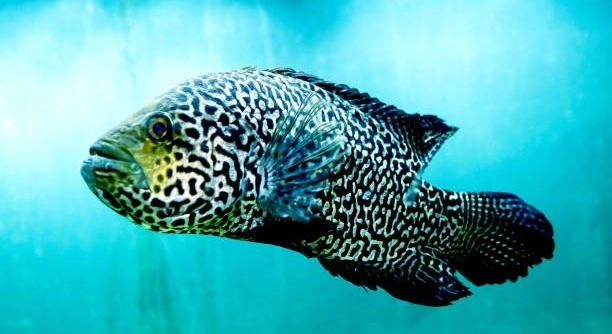
Many aquarium owners notice strong routines and behaviors in their Jack Dempsey fish, especially during feeding and tank maintenance, leading to interest in how these fish perceive human presence and daily interactions within home aquariums.
Jack Dempsey fish do not perceive human emotions directly, yet they can respond to consistent behavioral cues, tone, and movement patterns. These responses stem from learned associations, environmental conditioning, and sensory awareness rather than emotional understanding or empathy in captivity.
Exploring behavior, conditioning, and daily interaction patterns reveals how subtle human actions may influence your Jack Dempsey fish over time.
How Jack Dempsey Fish Learn From Human Behavior
I have observed that Jack Dempsey fish quickly associate human actions with predictable outcomes in the aquarium environment. Repeated movements near the glass, feeding schedules, and maintenance routines create patterns the fish learn to recognize. Over time, these fish respond to visual cues such as approaching footsteps, hand positions, and tank lighting changes. Their reactions are driven by conditioning rather than emotional perception. When an owner appears calm and consistent, the environment remains stable, which supports reduced stress responses. Sudden movements, irregular care, or aggressive gestures can trigger defensive behaviors instead. This process mirrors basic learning principles seen across many fish species. Sensory input plays a major role, especially vision and vibration detection through water. These cues help the fish predict what happens next, allowing them to adjust behavior for feeding, hiding, or territorial displays without emotional awareness within controlled home aquarium settings over extended periods of routine exposure daily.
These learned responses often become stronger when routines stay unchanged for long periods. Consistency helps Jack Dempsey fish feel secure, making their behavior easier to interpret. Small changes in posture, speed, and timing can influence reactions without emotional processing from repeated exposure to daily care activities inside stable aquarium conditions.
From personal experience, observing daily habits reveals how awareness replaces assumption. Jack Dempsey fish react to patterns they recognize, not emotional states. When I approach the tank slowly, the fish display calmer movements. Faster approaches lead to hiding or alert postures. This difference highlights learned anticipation rather than feeling. Feeding time reinforces this association most strongly. Visual presence paired with food builds recognition. Over weeks, the fish respond before food appears. These responses show memory and pattern recognition at work. Understanding this helps maintain predictable care, reduces stress behaviors, and supports healthier long-term aquarium management practices for captive fish welfare.
Can Human Emotions Influence Tank Behavior Indirectly
Human emotions can indirectly affect aquarium conditions through behavior changes. Stress or impatience may alter movement speed, maintenance consistency, or feeding timing. These shifts modify environmental stability, which Jack Dempsey fish detect and respond to through learned cues, not emotional awareness during regular care routines within home aquarium settings daily.
Although Jack Dempsey fish cannot sense emotions, human behavior shaped by emotions plays a practical role in tank dynamics. When I feel rushed, my actions become faster and less deliberate. This can startle the fish and interrupt established patterns. Calm handling produces steadier responses, not because the fish sense calmness, but because movements remain predictable. Lighting adjustments, water changes, and feeding routines all reflect the keeper’s state of mind. Inconsistent care can lead to increased territorial displays or withdrawal behaviors. Over time, the fish adapts to whatever pattern repeats most. This adaptation explains why some fish appear more reactive to certain individuals. It is not emotional recognition but familiarity with specific habits. Recognizing this relationship helps refine daily care practices. Maintaining stable routines supports healthier behavior, reduces stress indicators, and improves observation accuracy. By managing personal actions, the aquarium environment becomes more balanced. This approach benefits both the keeper and the fish, promoting consistent interaction without projecting human emotions onto animal behavior within controlled home aquarium environments where routine stability supports long term observation accuracy and encourages responsible care practices for captive cichlid species under domestic conditions over extended periods of consistent husbandry and mindful interaction patterns daily overall health.
Recognizing Behavioral Patterns
Jack Dempsey fish respond most strongly to repeated actions and environmental consistency. They notice approach speed, hand position, and feeding cues. Calm, steady movements encourage predictable reactions, while sudden or erratic actions often trigger defensive displays or rapid swimming.
In my experience, observing these patterns shows how quickly Jack Dempsey fish learn to anticipate events. When I approach the tank at the same time each day, the fish gather near the front glass, ready for feeding. If I change timing or movements, they hesitate or retreat. This reaction is based on learned associations with cues, not emotional understanding. Over time, routine exposure strengthens their responsiveness. Daily observation confirms that consistency in movement and handling is key for predictable behavior.
Even small changes in lighting or water temperature can modify activity levels. Jack Dempsey fish react to these subtle environmental shifts, demonstrating strong sensitivity to the tank’s conditions. They adjust swimming patterns, territorial behaviors, and feeding response according to repeated environmental signals. Recognizing and maintaining stable conditions minimizes stress and improves the accuracy of interpreting their behaviors.
Training Responses Through Routine
Consistent routines shape how Jack Dempsey fish interact with humans and the environment. Feeding at the same time daily reinforces recognition of human presence and associated actions.
I have found that predictable schedules strengthen learned behavior in these fish. By pairing my approach with feeding, they respond quickly and anticipate food. Over several weeks, the fish exhibit calmer movements during maintenance, retreat less often, and display fewer defensive behaviors. Consistency in environmental cues, such as lighting and water flow, further supports these learned responses. Tracking these behaviors helps adjust care routines to reinforce stability.
Routine also allows for better monitoring of health and behavior changes. When actions are consistent, deviations in swimming, eating, or social interaction stand out more clearly. This makes it easier to identify stress, illness, or territorial conflicts. Maintaining a steady schedule benefits both the fish and the keeper, ensuring healthier, more predictable interactions while fostering a stable tank environment.
Environmental Cues and Fish Behavior
Jack Dempsey fish react to changes in lighting, water movement, and tank decorations. They adjust swimming patterns and activity levels according to subtle environmental shifts, showing heightened awareness of their surroundings without perceiving human emotions.
Noise and vibrations outside the tank can also trigger responses. Sudden sounds or tapping near the glass often cause alert or defensive behaviors. The fish rely on these cues to gauge safety, retreat, or display dominance. Observing these reactions over time helps predict responses and maintain a stable, stress-free environment for the fish.
Feeding as a Behavioral Reinforcer
Feeding consistently at the same time reinforces learned associations with human presence. Jack Dempsey fish quickly recognize cues such as hand movements, approaching footsteps, or container sounds. These cues stimulate anticipation, gather the fish near the feeding area, and encourage predictable swimming patterns. Regular reinforcement strengthens these behavioral responses.
Tank Maintenance and Fish Reactions
Routine cleaning and water changes influence Jack Dempsey fish behavior. Calm, steady actions reduce stress, while erratic or rushed movements trigger defensive swimming. Maintaining consistent maintenance patterns helps the fish adapt to human presence and respond predictably over time.
FAQ
Can Jack Dempsey fish really recognize their owners?
Jack Dempsey fish do not recognize owners like a mammal would, but they respond to repeated movements, feeding routines, and environmental cues. Over time, they learn to associate your presence with food or activity, showing excitement or curiosity when you approach the tank. These reactions are based on conditioning, not emotional recognition. I’ve noticed my fish swim to the front when I enter the room at feeding time, which reflects learned behavior rather than personal attachment. Consistent timing and calm, predictable movements reinforce this recognition over weeks and months.
Do they respond differently to different people?
Yes, Jack Dempsey fish often react differently depending on the individual’s behavior. They notice movement speed, hand placement near the tank, and consistency in care. Someone who approaches slowly and calmly will see more relaxed swimming patterns, while sudden or erratic actions may trigger defensive postures. I observed that my partner’s quick movements startled the fish, causing them to hide, while my slower, steady approach led to anticipation and calmer responses. This shows they respond to behavioral cues rather than recognizing emotions or distinguishing people personally.
Can stress from the owner affect the fish?
Indirectly, yes. Changes in your behavior caused by stress—like rushing through feeding or moving suddenly near the tank—alter environmental cues. The fish detect these changes and may become more cautious, hide, or display territorial behaviors. Maintaining calm, steady actions helps create predictable routines, reducing unnecessary stress. I’ve found that when I feel tense, the fish react more actively, but when I move deliberately, their behavior is calmer. Stress influences how we interact with the tank, and the fish respond to that predictability rather than sensing emotional states.
Do Jack Dempsey fish show excitement or affection?
What appears as excitement is usually anticipation or learned response. When they swim quickly to the front during feeding, it reflects pattern recognition and expectation of food. I often notice increased activity when preparing their feeding containers or making familiar noises. This is not affection in the emotional sense but a conditioned reaction based on repeated positive associations with human activity. Territorial displays or chasing within the tank may also be mistaken for interaction, but these are natural behaviors shaped by environment and routine.
How can I encourage predictable behavior?
Consistency is key. Feeding at the same time daily, approaching the tank calmly, and maintaining steady maintenance routines helps Jack Dempsey fish learn what to expect. I keep lighting, water flow, and cleaning schedules regular, which reduces stress and creates a predictable environment. Over time, fish respond reliably to cues, such as moving to the front of the tank or showing calm swimming patterns during maintenance. Regular observation of these responses allows adjustments to ensure ongoing stability, helping both the fish and the caretaker maintain a smooth routine.
Will they react to music or sound?
They respond to vibrations more than music itself. Tapping the glass or loud, sudden noises can startle them. I’ve noticed that soft background sound doesn’t impact their behavior, but abrupt changes in volume or rhythmic vibrations near the tank cause alert or defensive movements. Their sensitivity to vibration is part of their natural survival mechanism, allowing them to detect potential threats in the environment.
Can emotions be “sensed” through feeding behavior?
Not directly. The fish respond to cues associated with feeding, not emotional states. If I approach calmly, their behavior is predictable; if I approach erratically, they retreat. Their reaction reflects learned association with patterns rather than an ability to detect human feelings. Over time, feeding routines strengthen these conditioned responses, making their behavior more consistent and easier to interpret.
How do environmental changes affect their reactions?
Changes in water temperature, lighting, or tank decorations influence swimming and territorial behavior. I’ve seen that adjusting lights or moving objects triggers cautious or exploratory movements. Jack Dempsey fish rely on consistent cues to feel secure. Predictable environments reduce stress and allow conditioned responses to dominate, which makes daily interaction more manageable and observation more accurate.
Are they more reactive at certain times of day?
Yes. They are often most responsive around feeding times or when environmental cues indicate activity. I’ve noticed my fish are calmer during quiet periods, then become more alert when I approach or when lights turn on. Their heightened responsiveness is tied to routine cues and conditioning rather than sensing emotions, and maintaining consistent schedules ensures predictable behavior.
Can these behaviors indicate health issues?
Yes. Deviations from learned patterns—such as hiding constantly, reduced feeding response, or erratic swimming—can signal stress or illness. I track daily behavior alongside routine care to notice these changes early. Consistency in environmental cues and human interaction makes abnormal behavior stand out more clearly, helping identify potential health concerns quickly.
Final Thoughts
Jack Dempsey fish are fascinating to watch because they respond to patterns and routines in their environment. While they do not perceive human emotions, they learn to recognize repeated actions, feeding schedules, and consistent movements. This learned behavior allows them to anticipate events, such as food being delivered or tank maintenance, and adjust their swimming and territorial patterns accordingly. Over time, these responses become predictable, helping owners better understand their fish’s habits and needs. Observing this behavior has taught me that the appearance of “recognition” or “interaction” is actually a result of conditioning, reinforced by repetition and environmental stability. The fish become more confident and less stressed when their surroundings are predictable, showing that consistent care and steady human actions are important for their well-being.
The environment plays a large role in shaping how Jack Dempsey fish behave. Changes in lighting, water flow, or decorations can lead to noticeable differences in activity levels and reactions. Similarly, vibrations and sounds outside the tank can startle them, while calm and steady handling reduces defensive behaviors. I have noticed that my fish respond strongly to cues like hand movements, approach speed, and container sounds during feeding. When these cues are consistent, their responses are calmer and easier to interpret. Any sudden change, such as irregular feeding or rushed maintenance, can cause the fish to hide or display defensive movements. This shows that their reactions are based on what they learn to expect rather than any emotional understanding. Paying attention to these environmental and behavioral cues makes it easier to provide a stable, low-stress habitat.
Consistent care routines are essential for maintaining predictable behavior and healthy fish. Feeding at regular times, moving slowly during maintenance, and keeping environmental conditions stable all contribute to a more secure aquarium for Jack Dempsey fish. Over weeks and months, the fish develop patterns that allow for smoother interaction and easier observation of potential health issues. I have found that keeping notes on their behavior, such as changes in swimming, feeding response, or territorial activity, helps identify when something might be off. By focusing on routine, environmental stability, and careful observation, it is possible to create an aquarium where both the fish and the caretaker benefit. Understanding that Jack Dempsey fish respond to learned cues, not emotions, provides clarity in managing their care and ensures a healthier, more predictable aquatic environment for long-term enjoyment.

Hello,
If you enjoy the content that we create, please consider saying a "Thank You!" by leaving a tip.
Every little bit helps us continue crafting quality advice that supports the health, happiness, and well-being of pets around the world, for pets of all shapes, sizes, and species.
We really appreciate the kindness and support that you show us!