
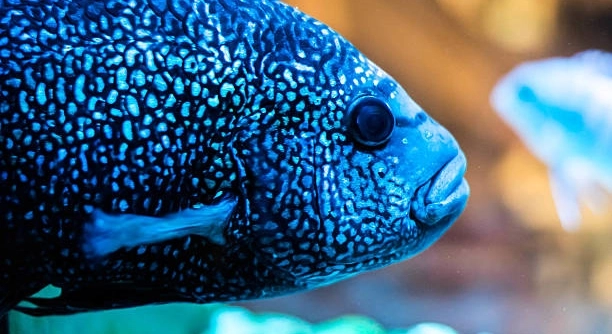
Have you ever watched a Jack Dempsey fish move around its tank and noticed it swimming in circles for a long time? These fish are lively and often spend hours repeating the same patterns calmly.
Jack Dempsey fish may circle for hours due to territorial instincts, stress, or environmental conditions. Continuous swimming helps them assert dominance, explore their surroundings, and maintain comfort within their tank, promoting both physical activity and psychological stability.
Observing these behaviors can help you improve tank conditions and create a healthier, more comfortable space for your fish to thrive.
Understanding Territorial Behavior
Jack Dempsey fish are naturally territorial. They often patrol their tank, swimming in circles to mark boundaries and show dominance. This behavior is more common when multiple fish share the same space. The fish establish areas where they feel safe and secure, reducing the chance of conflict. Territorial circling can appear repetitive, but it is normal and indicates that the fish is active and aware of its surroundings. Providing enough hiding spots and space can help minimize stress and reduce overly aggressive patrolling.
This behavior helps maintain order in the tank and keeps the fish mentally stimulated, preventing boredom and frustration.
Territorial circling also serves a social purpose. In environments with other fish, it signals strength and establishes hierarchy without direct fights. Fish use visual cues and movement patterns to communicate with tank mates. Circling around specific areas, especially near decorations or hiding spots, can indicate preferred territories. By observing these patterns, owners can adjust tank layout, separating aggressive individuals or adding barriers. Understanding this behavior allows better tank management, promoting harmony and ensuring that each Jack Dempsey fish feels secure in its space.
Environmental Factors Affecting Movement
Temperature and water quality influence fish behavior significantly.
Changes in temperature or poor water conditions can cause Jack Dempsey fish to circle more than usual. Fish are sensitive to their environment. Inconsistent temperatures, high ammonia levels, or low oxygen can create stress, prompting repetitive swimming. Observing these signs early helps prevent health problems. Adjusting the water temperature gradually, maintaining proper filtration, and keeping the tank clean can reduce circling caused by discomfort. Consistent water quality also supports normal behavior, allowing the fish to feel safe and relaxed.
Environmental enrichment is also important. Rocks, plants, and hiding spaces create stimulating surroundings, giving the fish places to explore while reducing stress. Without proper enrichment, Jack Dempsey fish may become restless and swim in repetitive patterns out of boredom or unease. Small changes, like rearranging decorations or adding safe hiding spots, encourage natural exploration and reduce excessive circling. Monitoring tank conditions and providing a stable, enriched environment ensures that the fish remain active without unnecessary stress. This helps maintain health and keeps their behavior predictable, making it easier to care for them over time.
Feeding and Activity Patterns
Jack Dempsey fish often swim in circles before or after feeding times. This behavior can be linked to anticipation of food and natural hunting instincts. Circling helps them locate edible particles in the water and maintain readiness for any movement in their environment.
Feeding schedules affect movement. Fish that are fed at consistent times often develop predictable activity patterns. Before feeding, they may circle actively near the surface or around hiding spots, scanning for food. After eating, circling may continue as part of digestion activity and general exercise. This ensures they stay fit and reduces stress caused by inactivity. Providing small, frequent meals encourages natural foraging behavior while preventing overfeeding. Observing how your fish moves around feeding times can help adjust portions and timing, ensuring they remain healthy.
Activity levels also depend on tank size and companions. In smaller tanks, circling may seem constant due to limited space, while in larger setups, fish can patrol specific areas. When housed with other species, movement may increase as they establish boundaries or interact socially. Circling provides both mental and physical stimulation, helping Jack Dempsey fish maintain alertness and confidence. Proper observation allows adjustments to tank layout, feeding routines, and companionship to support a balanced, active lifestyle.
Stress and Health Indicators
Excessive circling can signal stress or underlying health problems.
Stress factors such as sudden changes in water conditions, overcrowding, or illness can trigger prolonged circling. Jack Dempsey fish may use movement as a coping mechanism to reduce anxiety or discomfort. Identifying stress early allows for corrective actions like water adjustments, increased hiding spaces, or isolating affected fish. Monitoring behavior is key to maintaining health, as persistent circling can indicate more serious issues if left unchecked.
Health issues can also manifest through swimming patterns. Parasites, infections, or injuries may cause disorientation, resulting in repetitive circling. Observing gill movement, appetite, and overall activity helps detect problems early. Treatment often involves isolating the fish, checking water quality, and consulting aquatic care guidelines to prevent spread or worsening conditions. Providing a clean, stable environment minimizes stress and supports recovery. Maintaining routine observation allows early intervention, keeping Jack Dempsey fish healthier and ensuring their movement reflects normal behavior rather than signs of distress.
Interaction with Tank Mates
Jack Dempsey fish often circle to communicate with other fish. This movement can signal dominance, caution, or readiness to interact, helping them maintain social order.
Circling near tank mates also helps them assess safety. They watch other fish closely, adjusting their behavior to avoid conflict or establish boundaries, creating a more stable environment.
Light and Day-Night Cycles
Lighting impacts Jack Dempsey activity. Bright light may increase movement, while dim or natural cycles encourage calmer swimming. Consistent day-night patterns support regular behavior, helping the fish feel secure and less stressed.
Tank Size Considerations
Smaller tanks can make circling appear more frequent. Limited space forces the fish to repeat movements, even if behavior is normal.
Signs of Normal Behavior
Steady, smooth circling with active feeding and alertness usually indicates healthy, natural behavior rather than stress or illness.
FAQ
Why does my Jack Dempsey fish circle constantly?
Constant circling can be a result of natural territorial behavior, environmental stress, or activity patterns. In most cases, it is normal if the fish appears healthy, eats well, and interacts with other tank mates. Observing their movement can help distinguish normal behavior from stress or illness.
Is it normal for Jack Dempsey fish to swim in circles for hours?
Yes, extended circling is often part of their territorial and exploratory behavior. They use repeated swimming patterns to monitor their surroundings and maintain a sense of security, particularly in tanks with multiple fish or limited hiding spots.
Can tank size affect circling behavior?
Absolutely. Smaller tanks restrict movement, making circling more frequent and pronounced. Larger tanks allow more space for patrolling and exploring, reducing repetitive patterns. Adjusting tank size and layout can improve overall activity levels and reduce stress.
Does feeding influence circling behavior?
Feeding routines can strongly affect movement. Fish often circle near feeding times, anticipating food or foraging for edible particles. Consistent feeding schedules with smaller, frequent portions encourage natural foraging behavior while preventing overfeeding and unnecessary stress.
Can circling indicate illness?
Yes, but it depends on context. If circling is accompanied by unusual signs such as lethargy, clamped fins, discoloration, or loss of appetite, it may indicate stress, parasites, or infection. Observing all aspects of health helps identify potential problems early.
How does water quality impact circling?
Poor water conditions, including high ammonia, nitrite levels, or low oxygen, can increase circling as a stress response. Maintaining proper filtration, regular water changes, and stable parameters supports normal swimming behavior and overall health.
Do Jack Dempsey fish need hiding spots to reduce circling?
Yes. Hiding places such as rocks, plants, and decorations allow fish to feel secure. Without adequate shelter, circling can increase as the fish patrols the tank, searching for safe spaces and reducing anxiety.
Does lighting affect swimming patterns?
Lighting plays a significant role. Bright light can make fish more active, while dim lighting or consistent day-night cycles encourage calmer swimming. Stable lighting supports regular behavior and reduces unnecessary circling due to stress or disorientation.
Is aggressive circling toward other fish normal?
Aggressive circling is part of territorial display. It signals dominance without direct fighting, especially in tanks with multiple species. Monitoring interactions ensures that aggression does not escalate into harm, and adjusting tank layout can minimize conflicts.
How can I tell if my Jack Dempsey is stressed?
Stress signs include excessive circling, hiding, loss of appetite, rapid gill movement, or erratic swimming. Regular observation and a stable, enriched environment help prevent stress and maintain healthy, natural behavior.
Can rearranging the tank reduce excessive circling?
Yes. Changing decorations, adding hiding spots, or creating clear boundaries allows fish to explore safely. Environmental enrichment encourages natural exploration and reduces repetitive circling caused by boredom or discomfort.
What role does social behavior play in circling?
Social interactions are important. Circling helps Jack Dempsey fish communicate with tank mates, establish hierarchy, and monitor potential threats. Proper stocking and monitoring ensure healthy social behavior without stress-induced repetition.
Are there differences in circling between male and female Jack Dempsey fish?
Males are usually more territorial, so circling may be more pronounced. Females also patrol but often less aggressively. Observing patterns helps understand individual behavior and adjust tank dynamics accordingly.
Can changing water temperature affect circling behavior?
Yes. Sudden temperature changes can stress fish, leading to more circling as they adjust. Maintaining stable, appropriate temperatures ensures comfort and reduces unnecessary repetitive swimming.
Does age influence swimming patterns?
Young Jack Dempsey fish may circle more frequently as they explore and establish territory. Older fish tend to have established patterns and may circle less, focusing on familiar areas and social interactions.
How often should I observe my fish for abnormal behavior?
Daily observation is ideal. Noticing changes in circling, appetite, or activity allows early intervention, preventing stress or illness from developing. Small adjustments to tank conditions can make a significant difference in behavior.
Can circling ever be harmful?
When circling is repetitive due to stress, poor water conditions, or illness, it can lead to exhaustion, injury, or weakened immune response. Addressing environmental and health factors ensures circling remains a normal, healthy activity.
Does diet influence activity levels?
Yes. Balanced nutrition supports energy levels, reducing abnormal restlessness or excessive circling. High-quality food given at proper intervals encourages healthy activity and natural movement patterns.
What should I do if circling suddenly increases?
Check water parameters, temperature, and tank mates immediately. Observe for signs of illness or stress. Adjusting the environment, providing hiding spots, or isolating a distressed fish can prevent harm and restore normal behavior.
Can circling help keep Jack Dempsey fish healthy?
Yes. Controlled circling provides exercise, mental stimulation, and territorial monitoring. When the environment is stable and enriched, this behavior supports overall fitness, confidence, and long-term well-being in the tank.
How do I differentiate normal circling from problem behavior?
Normal circling is smooth, steady, and occurs alongside feeding and alertness. Problematic circling is erratic, constant without breaks, or paired with health issues. Regular observation and understanding your fish’s usual patterns are key to distinguishing normal activity from concern.
Are there signs to watch for during night cycles?
Circling usually slows or stops during night periods. Persistent night-time activity may indicate stress, insufficient hiding spaces, or environmental disturbance. Ensuring proper day-night lighting and quiet conditions helps maintain natural behavior.
Can enrichment reduce repetitive circling?
Yes. Adding plants, rocks, or structures encourages exploration and reduces circling caused by boredom. A varied, stimulating tank keeps fish active in balanced ways, promoting mental and physical well-being.
How does tank population affect circling?
Overcrowding can increase circling as fish establish dominance and navigate limited space. Proper stocking density ensures each fish can patrol its area without constant repetition, reducing stress and aggression.
Is it normal for fish to circle after being moved?
Yes. New environments prompt circling as the fish explore and claim territory. Temporary increased activity is normal but should settle once the fish adjusts to the tank layout and conditions.
What role does oxygenation play in swimming behavior?
Low oxygen levels can cause restless circling or rapid movement. Proper aeration and filtration maintain stable oxygen levels, supporting calm, natural swimming and reducing stress-related circling.
Can disease prevention impact circling behavior?
Yes. Regular cleaning, quarantine for new fish, and monitoring health reduce illness-related stress, keeping circling within normal, healthy patterns. Preventive care minimizes risk and supports natural, confident movement.
How long is typical circling behavior during feeding?
Circling may last several minutes before and after feeding as fish search and forage. Observing duration helps adjust portion sizes, feeding frequency, and tank layout to maintain healthy, balanced activity.
Does age or size of the tank mate influence circling?
Yes. Larger or more aggressive tank mates can increase circling as fish establish boundaries or avoid conflict. Understanding social dynamics helps reduce stress and unnecessary repetitive movement.
Can water chemistry changes suddenly increase circling?
Yes. Shifts in pH, hardness, or salinity can stress Jack Dempsey fish, prompting repeated circling. Regular monitoring and gradual adjustments keep swimming patterns healthy and predictable.
How important is routine observation for behavior?
Routine observation is crucial. Daily checks help detect stress, health issues, and abnormal circling early, allowing intervention before problems escalate, ensuring fish remain healthy and comfortable.
Are there ways to encourage healthy circling?
Providing space, hiding spots, consistent feeding, and stable water conditions promotes natural activity. Healthy circling supports exercise, exploration, and territorial awareness without causing stress.
Does circling behavior vary by individual fish?
Yes. Each fish has unique activity patterns. Some may circle more due to temperament, energy levels, or social position. Observing individual differences allows tailored tank care and environment adjustments to maintain balance.
Can temperature fluctuations make circling worse?
Yes. Sudden drops or rises can increase anxiety and movement. Maintaining stable, suitable temperatures minimizes stress-induced circling and ensures a comfortable environment.
Is circling related to reproduction?
Circling may increase during breeding periods as fish patrol territory, display dominance, or interact with mates. This behavior is part of natural reproductive instincts and usually subsides afterward.
How can I improve tank conditions to reduce excessive circling?
Ensure proper tank size, adequate hiding spaces, consistent feeding, stable water parameters, and compatible tank mates. These steps reduce stress, support natural behavior, and prevent excessive or harmful circling.
Can circling behavior indicate happiness?
Yes. Smooth, controlled circling with alertness, feeding, and interaction reflects comfort, security, and healthy activity levels. It shows that the fish is mentally and physically engaged in its environment.
How do I know if circling is harmful or normal?
Normal circling is consistent with alertness, eating, and social interaction. Harmful circling is constant, erratic, or paired with physical signs of stress or illness. Observing overall health, tank conditions, and behavior patterns is key to proper interpretation.
What should I do if circling is paired with hiding or loss of appetite?
This may indicate stress, illness, or environmental discomfort. Check water quality, tank mates, and diet. Consider isolating the fish temporarily and providing hiding spaces while monitoring closely for recovery.
How important is water change frequency for behavior?
Regular water changes maintain cleanliness and stable parameters, reducing stress-induced circling. Consistent maintenance supports healthy, normal activity and prevents behavioral problems caused by poor water quality.
Can tank decorations influence circling?
Yes. Decorations provide territory markers and hiding spots. Rearranging or adding structures encourages exploration and reduces repetitive swimming caused by boredom or lack of shelter.
Does oxygenation and filtration impact circling?
Proper filtration and aeration keep water oxygenated and clean, reducing stress. Fish are less likely to circle excessively when water quality supports normal respiration and comfort.
Is circling more common in certain times of the day?
Yes. Circling often increases before feeding or during active daylight periods. Nighttime or dim light usually reduces movement, allowing fish to rest and conserve energy.
Can tank temperature, lighting, and social environment be managed together to reduce circling?
Yes. Stable water temperature, consistent lighting, and compatible tank mates create a comfortable environment. These combined factors reduce unnecessary circling, support health, and promote calm, natural behavior.
How long should I monitor my Jack Dempsey to assess normal circling?
Observing over several days allows patterns to emerge. Note feeding behavior, interaction with tank mates, and resting periods to distinguish normal activity from stress or illness.
What is the best approach to maintain normal swimming behavior?
Maintain clean water, proper temperature, adequate space, hiding spots, compatible companions, consistent feeding, and enrichment. Regular observation ensures circling remains a healthy, natural behavior rather than a stress indicator.
How do tank setup and maintenance influence circling long-term?
Well-maintained tanks with stable water parameters, proper decoration, and careful stocking reduce excessive circling. Healthy environments support normal activity, territorial behavior, and overall well-being of Jack Dempsey fish.
Can circling ever indicate excitement rather than stress?
Yes. Smooth, alert circling during feeding or exploration often reflects curiosity, readiness, and normal activity. It shows engagement with the environment rather than distress, particularly when accompanied by healthy behavior and appetite.
What steps ensure circling supports health and not stress?
Provide a balanced diet, clean water, stable environment, enrichment, and proper social conditions. Regular observation ensures circling reflects normal behavior, keeping Jack Dempsey fish active, confident, and healthy.
Does tank layout adjustment affect circling long-term?
Yes. Adding hiding spots, rearranging decorations, and creating clear territories reduces repetitive swimming. Adjustments help fish feel secure, maintain natural behavior, and prevent stress-induced circling over time.
Can monitoring multiple behaviors give a clearer picture of circling causes?
Absolutely. Observing appetite, interaction, activity, and response to environmental changes provides context for circling. This allows owners to determine whether the behavior is normal, exploratory, or stress-related.
Is it normal for fish to circle more when new decorations are added?
Yes. Changes in the environment prompt exploration and territory assessment. Increased circling is usually temporary and decreases as the fish becomes familiar with new features.
How does social hierarchy affect circling?
Fish establish dominance through movement patterns. Circling helps communicate status, reduce physical conflict, and maintain order. Observing interactions ensures social balance and prevents excessive stress for subordinate fish.
Does enrichment reduce health risks associated with circling?
Yes. Mental and physical stimulation through enrichment prevents boredom and reduces repetitive movement caused by stress. Healthy engagement supports exercise, confidence, and overall fish well-being.
Can circling help detect early health problems?
Yes. Changes in pattern, frequency, or intensity can indicate stress, illness, or environmental issues. Early detection through observation allows timely intervention and supports long-term health.
Are there seasonal changes that affect circling?
Yes. Seasonal shifts in room temperature, lighting, or feeding schedules may temporarily increase circling. Maintaining consistent tank conditions minimizes stress and keeps swimming patterns stable.
Can tank mate behavior influence circling intensity?
Yes. Aggressive or territorial tank mates can increase circling as Jack Dempsey fish establish boundaries or avoid conflict. Careful stocking and observation reduce stress-induced repetitive movement.
How does exercise from circling benefit Jack Dempsey fish?
Circling provides physical activity, strengthens muscles, supports cardiovascular health, and keeps fish mentally engaged. Controlled, natural movement promotes long-term health and reduces boredom or stress-related behaviors.
What signs indicate circling is healthy and not a problem?
Smooth, steady swimming with normal feeding, alertness, and social interaction indicates healthy circling. Lack of unusual behavior, injury, or stress shows the activity is normal and beneficial.
Can diet variety influence circling behavior?
Yes. Offering a mix of pellets, live, and frozen food keeps fish stimulated, reducing restlessness and excessive repetitive circling while supporting energy and overall health.
Does tank cleaning frequency affect circling?
Regular cleaning maintains water quality, reduces stress, and prevents repetitive swimming caused by discomfort. Consistent maintenance ensures normal activity and healthy behavior patterns.
Are there signs to watch for after introducing new tank mates?
Yes. Increased circling, hiding, or chasing may occur as fish establish territory. Monitoring interactions ensures adjustments can be made to prevent stress and maintain harmony.
Can tank decorations reduce aggression and repetitive circling?
Yes. Structures provide barriers and territories, minimizing conflict and repetitive movement. Rearranging or adding items encourages exploration and natural behavior.
Is prolonged circling always a concern?
Not always. When paired with alertness, normal feeding, and healthy interaction, circling is part of natural behavior. Only erratic, continuous, or stress-related patterns should raise concern.
Can adjusting feeding times help regulate circling?
Yes. Feeding at consistent intervals encourages predictable activity and reduces anxiety-related circling, supporting healthier behavior patterns over time.
Does monitoring water chemistry prevent abnormal circling?
Yes. Stable pH, ammonia, nitrite, and oxygen levels prevent stress-induced swimming, keeping behavior normal and supporting overall health.
Can consistent tank lighting support natural circling patterns?
Yes. Predictable day-night cycles reduce stress, encourage calm swimming during rest periods, and support regular activity during active periods.
How does social isolation affect circling?
Isolation may reduce territorial circling but can also increase boredom, leading to repetitive swimming. Proper enrichment ensures healthy activity even in solitary setups.
Does tank temperature stability influence circling behavior long-term?
Yes. Stable, appropriate temperatures prevent stress-induced repetitive movement, supporting consistent swimming patterns and overall comfort for the fish.
Can excessive circling be a temporary adjustment phase?
Yes. Fish often circle more when adapting to new tanks, decorations, or companions. Activity usually stabilizes as they become familiar with the environment.
How does observation help distinguish normal versus abnormal circling?
Careful observation of patterns, duration, appetite, and interaction helps determine if circling is healthy or a response to stress, illness, or environmental problems.
Can adjusting tank enrichment improve mental stimulation and reduce repetitive circling?
Yes. Plants, rocks, tunnels, and varied decorations encourage exploration, keeping fish engaged and reducing circling caused by boredom or lack of stimulation.
Is monitoring multiple behaviors more effective than focusing only on circling?
Yes. Considering feeding, interaction, rest, and swimming patterns together provides a complete picture, helping identify whether circling is normal or indicates a problem.
Do age and experience affect circling behavior?
Yes. Younger or newly introduced fish may circle more during exploration. Older, established fish show consistent patterns and often patrol known territories rather than excessive random circling.
Can small changes in tank layout reduce stress-induced circling?
Yes. Rearranging decorations or adding barriers provides security and stimulation, reducing repetitive movements and promoting healthier, natural behavior.
How can observation and intervention prevent circling from becoming harmful?
By noting changes in activity, feeding, and social interactions, owners can correct environmental factors, reduce stress, and ensure circling remains normal and safe.
Does enrichment, proper diet, and stable environment collectively support healthy behavior?
Yes. These factors encourage exploration, exercise, and mental stimulation, keeping circling within normal ranges and maintaining the health and confidence of Jack Dempsey fish.
Can monitoring social hierarchy prevent stress-related circling?
Yes. Understanding dominance and interactions helps prevent unnecessary stress, reduces conflict, and ensures circling reflects normal territory or activity patterns rather than anxiety.
How does preventive care influence circling behavior long-term?
Regular maintenance, monitoring, quarantine, and proper nutrition reduce stress and illness, keeping circling normal, healthy, and predictable over time.
Is circling a sign of a healthy, engaged Jack Dempsey fish?
When smooth, steady, and paired with normal feeding and alertness, circling reflects confidence, engagement, and natural behavior, supporting mental and physical well-being.
Can observing multiple fish together give insight into circling behavior?
Yes. Watching interactions and patterns among tank mates shows how social dynamics influence circling, helping owners adjust stocking, layout, or enrichment to support balanced behavior.
Does consistent observation help maintain long-term health and normal activity?
Absolutely. Daily checks ensure water quality, diet, social interactions, and activity patterns remain optimal, supporting healthy, confident, and natural circling behavior for Jack Dempsey fish.
**Can stress reduction
Jack Dempsey fish are active and curious creatures, and their circling behavior is often a natural part of how they interact with their environment. Observing them swim in circles may seem unusual at first, but it usually reflects territorial instincts, exploration, or feeding routines. When these fish move in steady, smooth patterns, it is a sign that they are alert, healthy, and comfortable in their tank. Circling also provides mental and physical stimulation, helping them remain active and engaged. This behavior is particularly important in maintaining confidence and a sense of security, especially in tanks with multiple fish or limited hiding spaces. By paying attention to the patterns and timing of circling, owners can better understand the fish’s needs and adjust the tank environment to support healthy activity.
Proper tank setup plays a key role in how Jack Dempsey fish behave. Adequate space, hiding spots, and enrichment such as plants or decorations allow the fish to explore naturally while reducing unnecessary stress. Tank size affects movement, as smaller tanks may make circling appear more frequent, while larger tanks provide enough room for patrolling and exploring without excessive repetition. Lighting, water quality, and temperature also influence activity levels. Maintaining consistent day-night cycles, stable temperatures, and clean water helps keep circling within normal ranges and prevents stress-induced behavior. Regular feeding routines encourage natural foraging and exploration, while diet quality supports overall energy and well-being. When the environment is carefully managed, circling remains a positive and normal behavior rather than a sign of stress or illness.
Monitoring behavior and overall health is important to ensure that circling remains beneficial. Watching for changes in swimming patterns, appetite, social interactions, or physical condition can help detect early signs of stress or health issues. Occasional adjustments to tank layout, enrichment, or feeding schedules may be needed to support natural activity and reduce repetitive behavior caused by boredom or discomfort. Providing a stable, enriched, and comfortable environment allows Jack Dempsey fish to display natural behaviors while staying healthy and active. Understanding the reasons behind their circling behavior allows owners to care for them more effectively, ensuring that these vibrant and engaging fish remain confident, secure, and well-stimulated in their home aquarium.

Hello,
If you enjoy the content that we create, please consider saying a "Thank You!" by leaving a tip.
Every little bit helps us continue crafting quality advice that supports the health, happiness, and well-being of pets around the world, for pets of all shapes, sizes, and species.
We really appreciate the kindness and support that you show us!