
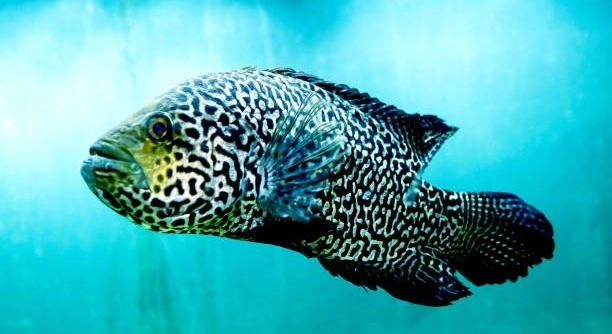
Jack Dempsey fish are known for their striking colors and lively personalities, but many owners find their behavior puzzling. Observing them in a tank can sometimes lead to misconceptions about aggression, territoriality, and social habits in captivity.
Many common beliefs about Jack Dempsey fish behavior are myths. While they may display territorial or aggressive tendencies, their actions often stem from environmental factors, diet, and tank setup rather than innate hostility or unpredictable nature.
Understanding the truth behind these myths will help owners create a calmer, healthier environment and improve the overall care of these fascinating fish.
Myth 1: Jack Dempsey Fish Are Always Aggressive
Many people assume Jack Dempsey fish are naturally aggressive and will attack any tank mate. While they can show territorial behavior, aggression is not constant. It often depends on tank size, hiding spots, and the presence of other fish. Smaller tanks or lack of cover can make them feel threatened, prompting defensive behavior. Stress from poor water quality or sudden changes in environment can also increase irritability. On the other hand, well-maintained tanks with proper space and décor often result in calm, predictable behavior. Observing their interactions over time helps owners understand when the fish are asserting territory versus showing real aggression. Breeding pairs may be more protective, but this is a natural instinct rather than a sign of uncontrollable temper. Many claims of unprovoked attacks are exaggerated, as most conflicts occur when tank conditions are not ideal. Proper planning and awareness of their needs significantly reduce aggressive incidents.
Aggression in Jack Dempsey fish is usually situational. Environmental stressors and lack of space trigger defensive actions, not constant hostility.
Keeping tanks spacious and enriched ensures calmer fish and healthier interactions. Understanding triggers allows for better care and fewer confrontations.
Myth 2: Jack Dempsey Fish Cannot Live with Other Fish
Jack Dempsey fish can coexist with other species if chosen carefully. They are not inherently solitary but require tank mates that can handle their size and occasional territorial displays. Small, delicate fish are at risk in the same tank. Choosing fish with similar temperaments and robust builds reduces conflict and allows peaceful cohabitation. Proper tank layout with hiding spaces, rocks, and plants gives each fish a defined area, minimizing disputes. Introducing new fish gradually while monitoring behavior is crucial, as sudden changes can increase stress and provoke aggression. Social dynamics evolve over time, and many owners are surprised at how well Jack Dempseys adapt when conditions are suitable. Understanding species compatibility and providing environmental enrichment are key factors in successful multi-species tanks.
Many claims that Jack Dempseys must be alone are misleading; with care, they can share a tank effectively.
Observation and patience help create a stable community, while careful selection of companions prevents injuries and stress, ensuring all fish thrive together in a balanced ecosystem.
Myth 3: Jack Dempsey Fish Don’t Need Hiding Places
Jack Dempsey fish feel more secure when they have hiding spots. Rocks, caves, and plants reduce stress and prevent unnecessary aggression.
Providing multiple hiding places helps establish territories, allowing fish to retreat when they feel threatened. Even a single cave can make a noticeable difference in behavior. Without cover, Jack Dempseys may constantly patrol the tank, appearing restless or aggressive toward other fish. Strategic placement of decorations creates safe zones and prevents conflict over the same areas. Hiding spots also mimic their natural environment, encouraging natural behaviors like exploring and resting. Regularly checking that these spots remain clean ensures they continue providing a safe retreat. Simple additions like driftwood or tall plants can satisfy these needs effectively. A well-structured tank promotes calm interactions and overall well-being, making the fish less reactive. Owners often notice more peaceful behavior after adjusting the environment to include sufficient cover. Proper tank setup is one of the easiest ways to improve their quality of life.
Providing secure spaces allows Jack Dempseys to feel safe, reducing stress and aggression.
Fish use hiding places to rest, establish boundaries, and explore safely, which supports healthier daily behavior.
Myth 4: Jack Dempsey Fish Are Low-Maintenance
Jack Dempsey fish require consistent care and monitoring to thrive. They are not suitable for neglectful setups.
Maintaining stable water conditions is critical. They prefer slightly alkaline, warm water and can be sensitive to sudden changes in pH or temperature. Regular cleaning and water changes prevent the buildup of harmful toxins like ammonia and nitrites. Diet also plays a role in their health, requiring a mix of protein-rich foods and occasional plant matter. Overfeeding can lead to poor water quality, while underfeeding affects growth and color. Observing behavior and appearance daily helps catch early signs of illness or stress. Even though they are hardy compared to some species, their well-being depends on attentive care. Proper filtration, regular testing, and gradual environmental adjustments ensure Jack Dempseys remain active and vibrant.
Their size and temperament mean careful monitoring is essential to prevent health issues and conflicts.
Consistent care, attention to water quality, and proper nutrition make the difference between a thriving Jack Dempsey and one that struggles in captivity.
Myth 5: Jack Dempsey Fish Are Always Brightly Colored
Color in Jack Dempsey fish can change depending on mood, health, and environment. Stress, poor diet, or low-quality water can dull their appearance temporarily.
Proper nutrition and stable tank conditions encourage vibrant colors. Overcrowding or aggressive tank mates can also affect how bright they appear, making adjustments important for maintaining their natural beauty.
Myth 6: Jack Dempsey Fish Don’t Recognize Owners
Jack Dempseys can learn to recognize regular caretakers. They may respond to movement near the tank or approach during feeding, showing awareness and memory over time.
Frequent interaction and consistent routines help them feel more comfortable and less anxious, strengthening their response to owners without forcing unnecessary attention or handling.
Myth 7: Jack Dempsey Fish Are Fragile
These fish are hardy but require stable conditions to thrive. Sudden changes in temperature, pH, or water quality can cause stress or illness.
Monitoring water parameters, feeding a balanced diet, and maintaining a clean tank ensures Jack Dempseys remain healthy, resilient, and active in captivity.
FAQ
How often should I feed my Jack Dempsey fish?
Jack Dempsey fish should be fed once or twice daily. Provide only the amount they can consume in a few minutes to avoid overfeeding. A mix of high-quality pellets, frozen foods, and occasional live foods keeps their diet balanced. Uneaten food should be removed to maintain water quality.
Can Jack Dempsey fish live with smaller fish?
Smaller, delicate fish are often at risk with Jack Dempseys. They may see them as targets during territorial displays. Choosing tank mates of similar size and temperament reduces conflict. Adding plenty of hiding spaces further minimizes stress and aggressive behavior in a community tank.
Why is my Jack Dempsey losing color?
Color loss usually signals stress, poor diet, or unsuitable water conditions. Check water parameters for ammonia, nitrite, and pH levels. Ensure the fish receives high-protein foods and vegetables occasionally. A stable environment with proper lighting and space encourages natural, vibrant coloration.
How big should my tank be for a Jack Dempsey?
A single adult Jack Dempsey needs at least a 55-gallon tank. Larger tanks are better for multiple fish to reduce aggression. Include hiding spots, rocks, and plants to mimic natural habitats and allow territories to form, which decreases conflict and promotes healthier behavior.
Do Jack Dempseys need a heater?
Yes, they thrive in water temperatures between 74°F and 80°F. A reliable heater keeps the environment stable, preventing stress from sudden temperature changes. Consistent warmth also supports digestion, immune health, and overall activity levels.
How can I tell if my Jack Dempsey is stressed?
Signs of stress include dull color, erratic swimming, hiding excessively, and refusing food. Water quality issues, overcrowding, or incompatible tank mates are common causes. Addressing these factors quickly improves behavior and reduces the risk of illness.
Do Jack Dempseys recognize their owners?
Yes, they can learn to recognize regular caretakers. They may swim to the front of the tank or show excitement at feeding time. Consistent routines help build familiarity and reduce fear, making them more confident and interactive.
Is it necessary to breed Jack Dempseys in captivity?
Breeding is not required for keeping Jack Dempseys healthy. However, if breeding is attempted, a separate tank with controlled conditions is recommended. Parents can be very protective of eggs, and inappropriate setups can lead to stress or aggression toward tank mates.
What decorations are best for a Jack Dempsey tank?
Rocks, caves, and plants are ideal. Decorations create hiding spots and define territories, reducing aggression. Driftwood and tall plants also encourage natural behavior. Avoid overcrowding the tank while ensuring enough cover for all fish to feel secure.
How often should I test the water?
Testing water at least once a week is recommended. Check pH, ammonia, nitrite, and nitrate levels. Consistent monitoring allows early detection of problems, ensuring a healthy environment that supports vibrant, stress-free Jack Dempseys.
Can Jack Dempseys live long without frequent interaction?
Yes, they do not require constant attention. Interaction mainly helps reduce fear and encourages recognition. Overhandling or unnecessary stress should be avoided, but consistent care and observation are sufficient for their well-being.
What is the ideal pH for a Jack Dempsey tank?
Jack Dempseys prefer a slightly alkaline pH, around 6.5 to 8.0. Maintaining this range prevents stress and supports digestion and immunity. Sudden changes in pH can cause illness, so gradual adjustments are necessary when making corrections.
How do I prevent aggression between multiple Jack Dempseys?
Provide a large tank with clear boundaries and hiding spots. Introduce fish gradually and monitor behavior closely. Maintaining proper tank size, décor, and compatible groupings minimizes fights and ensures all fish have space to establish territories.
Are Jack Dempseys sensitive to water changes?
They tolerate regular water changes but dislike sudden shifts. Gradually replacing 20-25% of water weekly keeps the environment stable and reduces stress. Properly conditioned water is essential to prevent chemical shocks that affect health and behavior.
How can I maintain vibrant colors in Jack Dempseys?
A balanced diet, stable water conditions, and adequate lighting are key. Include protein-rich foods, occasional vegetables, and ensure the tank is spacious and clean. Stress reduction through proper tank mates and hiding spots also helps maintain natural, vivid coloration.
Do Jack Dempseys get along with cichlids?
Compatibility depends on size and temperament. Larger, similarly aggressive cichlids are often suitable tank mates. Avoid smaller or timid species, as they may be bullied. Proper tank layout with territory markers helps reduce disputes between cichlids.
How long do Jack Dempseys live?
With proper care, Jack Dempseys can live 8 to 10 years, sometimes longer. Stable water, balanced diet, and minimal stress are essential for longevity. Regular observation ensures early intervention for any health issues, supporting a full lifespan.
What signs indicate illness in Jack Dempseys?
Common signs include lethargy, loss of appetite, faded color, frayed fins, or unusual swimming patterns. Early detection allows treatment before conditions worsen. Quarantining new fish and maintaining clean water helps prevent common diseases and infections.
How do I introduce a new fish to a Jack Dempsey tank?
Introduce new fish slowly using a quarantine or divider. Allow the Jack Dempsey to observe before full contact. Monitor interactions closely during the first few days, providing hiding spots to reduce territorial disputes and stress for all fish.
Is substrate important in a Jack Dempsey tank?
Yes, sand or smooth gravel is preferred. Hard or sharp substrates can damage fins or scales. Substrate also supports natural digging behavior and helps anchor plants, contributing to a healthier, more comfortable environment.
How do I know when my Jack Dempsey is happy?
Active swimming, bright color, regular feeding, and exploration are signs of a content fish. Calm interactions with tank mates and use of hiding spots also indicate comfort. Observing consistent behavior over time helps confirm the fish is thriving.
Final Thoughts
Jack Dempsey fish are often misunderstood because of the myths surrounding their behavior. Many people assume they are aggressive, unpredictable, or difficult to care for, but most of these beliefs are inaccurate. Their actions are usually influenced by their environment, diet, tank size, and the presence of other fish rather than an inherent aggressive nature. When their needs are met, Jack Dempseys can be calm, social, and even interactive with owners. Understanding their natural instincts, like territory establishment and protective behavior during breeding, helps owners interpret what they see in the tank without overreacting. With proper care, these fish are not only manageable but can also become a fascinating part of a home aquarium, showing personality, intelligence, and vibrant coloration over time. Misconceptions often lead to unnecessary stress for both the fish and the owner, so correcting these misunderstandings is key to a healthier, happier aquatic environment.
Caring for Jack Dempsey fish requires attention to water quality, tank setup, and dietary balance. They are hardy, but sudden changes in temperature, pH, or water cleanliness can cause stress and affect behavior. Providing hiding spots, sufficient swimming space, and a consistent feeding routine supports their well-being and reduces aggression. When considering tank mates, it is important to select species of similar size and temperament to prevent conflict. Regular observation is essential to notice early signs of illness or stress. Their ability to recognize owners and respond during feeding times shows that interaction, while not necessary for survival, can improve their comfort and confidence. By focusing on stability, environmental enrichment, and careful monitoring, owners can prevent common problems that are often mistaken for behavioral issues. A thoughtful approach to tank management ensures that Jack Dempseys remain active, healthy, and visually striking, reflecting their natural beauty and character.
Ultimately, keeping Jack Dempsey fish is rewarding when myths are set aside and realistic expectations are maintained. They are not aggressive by default, they can coexist with compatible tank mates, and they thrive under consistent care and attention. Their vibrant colors and engaging behaviors make them appealing, but their well-being depends on the environment and care provided by the owner. Recognizing the truth about their behavior allows owners to make informed decisions about tank size, décor, diet, and companion species. By focusing on these factors, conflicts, stress, and health problems can be minimized, leading to a more enjoyable experience for both the fish and the person caring for them. Paying attention to details like water quality, feeding schedules, and hiding spaces helps the fish feel secure and reduces misunderstandings about aggression. With patience and awareness, Jack Dempsey fish can live long, healthy lives, demonstrating personality and vibrancy that make them a satisfying addition to any aquarium. Understanding their needs and behaviors fully ensures a harmonious, balanced, and thriving tank environment.

Hello,
If you enjoy the content that we create, please consider saying a "Thank You!" by leaving a tip.
Every little bit helps us continue crafting quality advice that supports the health, happiness, and well-being of pets around the world, for pets of all shapes, sizes, and species.
We really appreciate the kindness and support that you show us!