
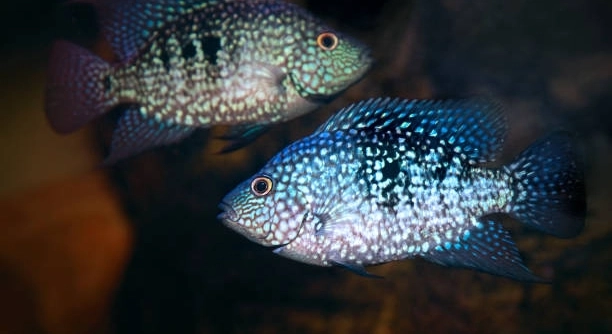
Fish tanks are often seen as calm, quiet spaces, but they can be surprisingly noisy. Even subtle sounds in the environment can change how fish move, eat, and interact within their tanks every day.
Certain unusual tank sounds, such as tapping, humming filters, or sudden clinks, can trigger stress responses, alter swimming patterns, and affect feeding behaviors in fish. Understanding these acoustic influences is essential for maintaining a healthy and stable aquatic environment.
Awareness of these sounds helps fish owners create a calmer, more predictable habitat for their aquatic pets.
Tapping on the Glass
Tapping on the glass is a common sound that many fish owners make, often without realizing its impact. Fish perceive tapping as a sudden disturbance, which can cause them to dart or hide. Over time, repeated tapping may lead to stress, reducing appetite and affecting overall health. Some species are more sensitive than others, reacting strongly even to light knocks. Even gentle tapping can create vibrations that travel through the water, confusing fish and disrupting their natural swimming patterns. It’s important to be mindful when observing your tank and avoid sudden noises near it. Small changes in daily routines, like cleaning around the tank carefully or using soft tools for maintenance, can minimize these sounds. By reducing tapping, you can create a calmer environment where fish feel secure. This helps them behave naturally and can encourage better feeding habits and activity levels, promoting long-term well-being in your aquatic pets.
Repeated tapping can make fish anxious and less interactive. Stress behaviors become noticeable over time.
Preventing tapping is straightforward with simple habits. Using soft movements around the tank and avoiding knocks ensures fish remain calm. Observing without touching glass, especially during feeding, maintains a peaceful environment. Over weeks, fish adapt to quieter surroundings, showing healthier swimming patterns and more consistent feeding behaviors. Small adjustments in daily care can make a big difference in reducing stress triggers, allowing fish to thrive. Even minor sounds have measurable effects, and being conscious of them improves both fish behavior and overall tank harmony.
Filter Hum and Motor Noise
Filters and motors generate a constant hum in aquariums. Fish can detect these low-frequency sounds, which may alter their swimming routes or feeding times. Regular maintenance can reduce excessive vibration and noise.
Some fish adapt to the hum, but prolonged exposure may cause subtle stress, reducing immune response and energy levels. Consistent background noise can affect breeding behaviors in sensitive species, so minimizing it supports healthier fish populations.
To address filter hum, check for loose components and consider rubber mounts or soft padding. Adjust flow rates to reduce turbulence and vibration. Selecting quieter models or positioning filters strategically can lessen noise transmission through the tank. Monitoring fish reactions over days helps identify if adjustments are effective. A calmer acoustic environment encourages natural movement and feeding. Even small changes, like tightening fittings or relocating pumps slightly, can make a noticeable difference. Maintaining clean filters reduces strain on motors, lowering hum levels and ensuring better water circulation. Over time, these adjustments help fish feel secure and minimize stress-induced behaviors, enhancing the overall health and activity in your aquarium.
Clinking Decorations
Clinking decorations create sudden, sharp noises that can startle fish. Even small items bumping against each other during cleaning or movement can trigger quick, stress-driven reactions.
Fish react to clinks by darting to corners or hiding behind plants and rocks. These noises mimic natural threats in the wild, signaling danger. Continuous exposure may make fish more skittish and less willing to explore their tank. Maintaining stable decorations and securing loose items reduces unexpected sounds. Heavy or floating ornaments should be checked regularly, and rearrangements should be done gently. Over time, minimizing these clinks helps fish move freely, eat normally, and display more natural behaviors without constant stress responses disrupting their daily activity.
Soft padding under decorations or careful placement prevents unnecessary collisions. Even subtle adjustments in positioning can greatly reduce noise and improve tank calmness.
Bubbling Air Stones
Bubbling air stones produce continuous streams of small bubbles, creating a subtle but persistent noise in the tank. Fish can perceive these vibrations and may adjust swimming patterns to avoid them. The constant bubbling can also slightly disturb the water surface, changing how fish interact with it.
While many fish tolerate gentle bubbles, sensitive species may show avoidance behaviors. Air stone placement near hiding spots can reduce stress, allowing fish to retreat when needed. Adjusting airflow to create smaller, quieter bubbles helps maintain a peaceful environment. Overly strong streams can cause erratic swimming and disrupt feeding routines. Regularly checking equipment ensures the bubbles are steady and soft rather than forceful or uneven. Proper positioning and careful monitoring allow air stones to oxygenate the water effectively without causing unnecessary anxiety. With time, fish acclimate better, and the tank remains balanced.
Proper maintenance and strategic placement of air stones reduce disturbances. Calmer bubbling promotes natural swimming patterns and encourages feeding behaviors.
Water Pouring
Pouring water during top-offs or changes creates sudden splashes that fish can perceive as threats. Even brief disturbances can make them dart or hide, affecting their sense of security in the tank.
Using a gentle stream or angled pour minimizes the noise and reduces stress. Slowly adding water helps fish stay calm and prevents panic reactions that may affect feeding or swimming behavior.
Tank Lid Noise
Tank lids can rattle or click, producing sharp sounds that unsettle fish. Vibrations from equipment or slight movements of the lid transmit through the water, altering swimming patterns.
Sudden Room Noises
Loud sounds outside the tank, such as dropping objects or loud voices, can trigger immediate stress responses in fish. Fish may hide or swim erratically, and repeated exposure can increase anxiety. Maintaining a quieter surrounding environment helps fish feel secure and behave naturally.
FAQ
How do I know if my fish are stressed by tank sounds?
Signs of stress from noises include erratic swimming, hiding for long periods, loss of appetite, or clamped fins. Fish may also stay near the bottom or corners of the tank and avoid exploring open areas. Monitoring their daily behavior helps identify patterns linked to specific sounds.
Can tapping on the glass permanently harm fish?
Repeated tapping can cause chronic stress, which may weaken the immune system and reduce lifespan. While occasional taps are less harmful, frequent disturbances can lead to long-term behavioral changes and increased vulnerability to disease. Avoiding consistent tapping keeps fish calmer and healthier.
Are all fish affected by the same sounds?
No, sensitivity varies by species. Some fish are more resilient to background hums or bubbles, while others are easily startled by sudden noises. Observing individual reactions allows adjustments to tank setup and equipment to meet the needs of more sensitive fish.
Does bubbling from air stones stress fish?
Gentle bubbling is usually tolerated and even beneficial for oxygenation, but strong or uneven streams may disturb certain species. Adjusting airflow, placing stones away from hiding spots, and ensuring soft bubble flow minimizes stress while maintaining proper oxygen levels.
How can I reduce filter hum and motor noise?
Check for loose fittings, vibrations, and alignment of equipment. Rubber mounts, soft padding, and proper positioning can lower transmitted vibrations. Choosing quieter models or adjusting flow rates also helps. Consistent maintenance prevents unusual noises from building up over time.
Should I be concerned about decorations clinking?
Yes, decorations can create sharp sounds when they collide. Securing ornaments, adding padding, or arranging them to prevent movement reduces unexpected noises. This allows fish to swim without frequent startle responses and encourages normal exploration.
Do sudden room noises affect my tank?
Loud sounds outside the tank can trigger immediate stress, causing hiding or erratic swimming. Minimizing abrupt noises, maintaining a quieter surrounding environment, and avoiding banging near the tank improve overall fish comfort and daily activity.
Can I train fish to ignore certain noises?
Fish can gradually acclimate to consistent background sounds, like gentle filter hums or steady bubbles. Repeated exposure to predictable, non-threatening noises helps reduce startle responses. However, sudden or irregular sounds will always provoke stress, so predictability is key.
How often should I check for noise-related stress?
Daily observation is recommended. Note changes in behavior, feeding, and activity levels. Keeping a log of when noises occur, such as during cleaning or maintenance, helps identify triggers and make adjustments. Immediate intervention improves fish well-being.
Are some noises unavoidable?
Yes, certain sounds like water movement or essential equipment hum are natural. The goal is to minimize sharp, sudden, or irregular noises while maintaining a healthy environment. Strategic placement, maintenance, and careful handling reduce stress without eliminating necessary tank functions.
What small changes can improve tank acoustics?
Using soft padding under decorations, securing lids, adjusting air stones, and positioning filters properly all help. Gentle cleaning routines and careful pouring during water changes further reduce stress. These small adjustments cumulatively create a calmer, more stable habitat.
Is it worth investing in quieter equipment?
Quieter filters, pumps, and air stones significantly reduce stress over time. While initial costs may be higher, improved fish behavior, feeding consistency, and overall health make it a practical investment for long-term tank success.
How quickly do fish recover from noise stress?
Recovery depends on species and severity of exposure. With consistent quiet periods, proper maintenance, and minimal disturbances, fish may return to normal activity within days to weeks. Continuous monitoring ensures recovery is progressing effectively.
Can I combine multiple methods to reduce stress?
Yes, combining careful equipment placement, reduced tapping, strategic decoration arrangement, and gentle water changes maximizes calmness. Layering approaches ensures minimal disruption and encourages fish to exhibit natural behaviors consistently, creating a healthier and more balanced tank environment.
How do I know if a noise adjustment is effective?
Observe changes in swimming patterns, feeding, and interactions with tank mates. Reduced hiding, more exploration, and calmer activity indicate that adjustments are successful. Small improvements over time confirm that the environment is becoming less stressful.
Does tank size affect sensitivity to sounds?
Smaller tanks may amplify vibrations and noise, making fish more sensitive to sounds. Larger tanks allow vibrations to dissipate more effectively. Being mindful of tank size and equipment placement helps manage acoustic stress regardless of aquarium dimensions.
Are some fish naturally more resilient to noise?
Yes, schooling fish or species accustomed to flowing waters tend to tolerate background hums better. Predatory or territorial species may react more strongly to sudden disturbances. Understanding species-specific behavior is essential for managing noise impact.
Can I prevent stress during water changes?
Yes, pouring water gently, using angled streams, and avoiding sudden splashes reduce startle responses. Performing changes at predictable times also helps fish anticipate routine events without stress, keeping them calmer and more active.
Does lighting affect noise sensitivity?
Indirectly, yes. Bright lights combined with sudden noises can amplify stress reactions. Gradual lighting changes, combined with minimized disturbances, provide a more stable environment for sensitive fish.
How do I balance oxygenation and stress reduction?
Air stones and filters are necessary for oxygenation but can create vibrations. Adjusting flow, using softer bubble streams, and placing equipment strategically balances adequate oxygen levels with reduced acoustic stress, maintaining overall fish health.
What long-term benefits come from reducing tank noises?
Lower stress improves appetite, immune function, and social behaviors. Fish explore more, breed naturally, and show consistent daily activity. A calmer environment supports healthier growth and longevity, making noise management a key aspect of responsible aquarium care.
Are there any tools to monitor tank noise?
Simple observation is often enough, but sensitive microphones or vibration sensors can track persistent hums or clinks. These tools help identify problem areas and allow targeted adjustments to maintain a calm environment.
How do I handle unexpected loud noises?
Move quietly around the tank, avoid sudden movements, and ensure fish have hiding spots. Temporary disturbances are inevitable, but maintaining a generally calm environment reduces the overall impact of occasional loud sounds.
Can noise affect breeding or fry survival?
Yes, stress from loud or sudden noises can reduce spawning behavior and fry activity. Quiet, stable conditions improve the chances of successful breeding and healthy development of young fish.
Is it necessary to educate visitors about tank noise?
Yes, visitors may unintentionally tap the glass, knock lids, or cause vibrations. Simple guidance ensures everyone respects the tank environment, helping maintain consistent calm conditions for the fish.
What daily routines help minimize noise stress?
Gentle feeding, careful water changes, routine maintenance, and monitoring equipment regularly reduce unnecessary sounds. Consistency in daily care ensures fish feel secure and minimizes stress-related behaviors over time.
Do fish ever ignore background noises completely?
Some may adapt to constant, predictable sounds like gentle filter hums. However, sudden or irregular noises will always trigger stress responses, so predictability and quiet routines are essential for long-term well-being.
How do I prioritize which noises to address first?
Focus on sudden, sharp, or frequent noises that cause immediate stress, like tapping or clinking. Then address continuous sources, like motor hum or strong bubbles, to improve overall calmness gradually. This approach creates a measurable improvement in fish behavior.
Are noise adjustments more important for certain tank setups?
Yes, heavily stocked or small tanks amplify vibrations and startle responses. Sensitive species or breeding setups require extra attention to minimizing noise, whereas larger, open tanks with resilient fish tolerate minor background sounds more easily.
Can I combine quieting strategies with enrichment?
Yes, providing hiding spots, gentle currents, and visual barriers while reducing sudden noises creates a secure and engaging environment. Fish remain active, curious, and healthy without the added stress of unnecessary sounds.
How often should equipment be checked for noise issues?
Monthly checks are ideal, but more frequent inspections help catch early vibration problems. Tightening fittings, cleaning motors, and adjusting placement ensures noise is minimized consistently.
Does water temperature influence noise sensitivity?
Indirectly, yes. Fish metabolism and activity levels change with temperature. Sudden noises may have a stronger impact when fish are more active in warmer water, so stable conditions enhance tolerance.
Are there natural ways to absorb tank vibrations?
Soft substrates, padding under decorations, and foam strips beneath equipment reduce vibration transmission. Even simple solutions like rubber mats under the tank stand can lower ambient noise and improve fish comfort.
How do I maintain a calm environment with multiple fish species?
Observe interactions, place hiding spots strategically, and minimize sudden disturbances. Adjust equipment placement to suit the most sensitive species while maintaining necessary oxygenation and water flow. This balance supports peaceful coexistence.
What role does feeding routine play in noise sensitivity?
Predictable feeding times reduce stress, as fish anticipate routine events and are less reactive to background noises. Avoid sudden movements or loud drops when adding food to maintain calm.
How long does it take for noise adjustments to show results?
Changes in behavior can appear within days, but full adaptation may take weeks. Consistent quiet routines and careful monitoring ensure long-term benefits, leading to calmer, healthier fish that explore and feed naturally.
Can tank location reduce noise impact?
Yes, placing the tank away from high-traffic areas or noisy appliances minimizes disturbances. Even small adjustments in location or room layout reduce exposure to sudden sounds.
Is there a limit to how much noise can be reduced?
Essential equipment and natural water movement create unavoidable background sounds. The goal is to reduce sharp, sudden, or irregular noises while maintaining proper tank function and water quality.
How do I measure success after implementing noise reduction?
Monitor fish behavior, feeding patterns, and social interactions. Reduced hiding, more natural swimming, and consistent activity indicate effective noise management. Regular observation helps ensure improvements are sustained over time.
Are there benefits to quieter tanks beyond fish health?
Yes, calmer tanks create a more enjoyable environment for observation, reduce maintenance stress, and promote cleaner, more predictable water conditions. Noise management improves the overall experience of keeping a healthy, thriving aquarium.
Can I prevent future noise problems proactively?
Yes, careful planning of equipment placement, secure decorations, soft substrates, and consistent maintenance routines prevent many common noise issues before they arise. Proactive measures save stress for both fish and caretaker.
Do older fish react differently to noises than younger fish?
Older fish may be less active but can still startle easily. Younger fish may adapt more quickly but are sensitive to sudden disturbances. Monitoring each age group ensures appropriate adjustments for a peaceful tank environment.
Is it worth keeping a log of noise and fish reactions?
Yes, tracking patterns helps identify specific triggers and monitor progress. A simple log ensures noise reduction strategies are effective and allows for targeted improvements in tank management.
Can aquatic plants help reduce noise stress?
Plants act as visual barriers and can slightly dampen vibrations, providing hiding spots. Strategically placing plants around the tank helps fish feel secure while reducing the perceived impact of minor disturbances.
How do I balance tank aesthetics with noise reduction?
Secure decorations, use soft substrates, and avoid loose ornaments while arranging visually appealing layouts. Prioritizing both form and function ensures the tank remains attractive and calm for fish.
Are sudden temperature or lighting changes more stressful than noise?
Sudden changes in temperature or lighting can amplify reactions to noises. Gradual transitions reduce overall stress, allowing fish to tolerate minor disturbances more effectively.
Can noise affect disease resistance?
Chronic stress from frequent noise can weaken immune systems, making fish more susceptible to illness. Maintaining a calmer environment supports stronger health and faster recovery if disease occurs.
Is it normal for fish to ignore some noises entirely?
Some fish habituate to predictable, low-level sounds like gentle hums. However, sudden or irregular noises always trigger stress responses, so consistent quiet routines remain important.
Do fish recover faster with hiding spots?
Yes, providing shelters allows fish to retreat during sudden noises, reducing stress levels and encouraging faster return to normal activity. Hiding spots are essential for both sensitive and more resilient species.
How important is tank material for noise transmission?
Glass and acrylic transmit vibrations differently. Thicker glass or padded stands can reduce noise transmission. Considering material properties during setup helps manage stress from unavoidable sounds.
Can I reduce noise while still having an active filter?
Yes, adjusting flow rates, using soft mounts, and positioning equipment strategically allows proper filtration without excessive vibrations. Fish benefit from both clean water and minimal acoustic stress.
Do schooling fish respond differently to noise than solitary species?
Schooling fish often exhibit collective stress reactions, amplifying panic behaviors. Solitary species may hide or freeze individually. Understanding these differences helps tailor noise management strategies for tank dynamics.
Are there signs that fish are fully comfortable with their environment?
Fish exploring openly, feeding consistently, and interacting naturally with tank mates indicate comfort. Calm swimming, occasional resting, and balanced social behaviors reflect reduced stress and successful noise management.
Can I use this information for new tank setups?
Yes, implementing quiet routines, careful equipment placement, and secure decorations from the start helps prevent stress-related behaviors, creating a stable and calm environment for all fish from day one.
How do I maintain these habits long-term?
Consistent observation, routine maintenance, gentle handling, and awareness of potential noise triggers ensure fish remain calm. Small daily efforts maintain a peaceful habitat and support overall long-term health and behavior.
Are noise issues more pronounced in small tanks?
Yes, vibrations and sounds carry more in confined spaces, making fish more sensitive. Extra attention to equipment placement and careful handling reduces stress in smaller setups.
Can I combine multiple equipment solutions to reduce noise?
Yes, using quiet pumps, padded mounts, gentle air stones, and careful water flow together creates a significantly calmer tank environment. Combining strategies maximizes comfort and promotes natural fish behavior.
Is monitoring behavior enough to manage noise?
Behavioral observation is the most practical tool. Noting feeding, swimming, hiding, and interaction patterns provides clear insights into stress levels and helps guide adjustments.
Do external vibrations affect tank acoustics?
Yes, nearby appliances, foot traffic, or vibrations from furniture can transmit through floors or walls. Awareness of these sources helps minimize unintended stressors.
Are some fish naturally more anxious than others?
Yes, timid or territorial species show heightened stress responses to sudden or sharp noises. Adapting tank layout and noise management to species temperament ensures overall calmness.
Can I prevent noise-related aggression among tank mates?
Reducing sudden disturbances and vibrations helps minimize stress-induced aggression. Providing sufficient space, hiding spots, and predictable routines also reduces conflict in mixed-species tanks.
Do changes in water chemistry interact with noise stress?
Yes, unstable water parameters combined with noise stress amplify negative effects on fish. Keeping consistent water quality supports overall resilience to environmental disturbances.
Is it better to address multiple noise sources at once or gradually?
Gradual adjustments allow fish to acclimate to changes, while addressing the most disruptive sources first ensures immediate reduction in stress. Combining both approaches is often most effective.
Can I prevent accidental tapping from visitors?
Yes, educating household members and limiting access to the tank reduces unexpected disturbances. Clear guidelines help maintain a calmer environment consistently.
Do fish ever forget noise stress once removed?
Fish can gradually recover when stressors are minimized, showing normal swimming, feeding, and social behaviors. Recovery time varies by species, age, and duration of exposure.
Is noise reduction more critical for breeding tanks?
Yes, stress-free conditions support spawning, fry survival, and healthy development. Quieter tanks reduce interruptions during critical reproductive behaviors.
Can I measure stress chemically or biologically?
Advanced methods exist, like cortisol measurement, but daily observation of behavior is practical and effective for most aquarists. Changes in activity, feeding, and hiding provide reliable indicators.
How often should I reassess noise reduction strategies?
Regularly, at least monthly or after equipment changes, to ensure fish continue to exhibit calm, natural behaviors. Continuous observation ensures adjustments remain effective.
Do fish respond differently to human voices versus other noises?
Human voices may be less startling if predictable, but sudden loud sounds, including talking near the tank, can trigger startle responses. Predictable, gentle noise is less stressful overall.
Is it worth documenting behavior before and after noise adjustments?
Yes, logs provide clear evidence of improvement, helping track the effectiveness of strategies and guiding future decisions for tank management.
Can background music affect fish?
Low, steady music may have minimal impact, but sudden changes in volume or frequency can startle fish. Maintaining calm, consistent acoustic conditions is more important.
Do nocturnal fish react differently to noise?
Nocturnal species may be more sensitive during their active periods. Minimizing disturbances at night helps maintain natural behaviors and reduces stress.
Can multiple small noises be more stressful than one large noise?
Yes, frequent minor disturbances create ongoing stress, preventing fish from settling. Reducing cumulative noise contributes to calmer, more predictable tank behavior.
How does tank shape affect noise transmission?
Long, narrow tanks transmit vibrations differently than square or deep tanks. Understanding tank geometry helps optimize equipment placement and reduce disruptive sounds.
Do fish learn to associate noises with feeding?
Yes, predictable sounds during feeding can become cues, reducing stress. Inconsistent or sudden noises unrelated to feeding often provoke anxiety.
Can water flow turbulence create noise stress?
Strong currents or uneven flow create vibrations and surface disturbances. Adjusting flow to match species needs reduces stress while maintaining proper oxygenation and filtration.
Are foam or silicone pads effective for noise reduction?
Yes, padding beneath equipment, decorations, or tank stands absorbs vibrations and reduces transmitted sound, improving overall fish comfort.
Do fish respond differently to daytime versus nighttime noises?
Noise during active periods has more immediate effects, but sudden nighttime disturbances can also startle fish, interrupting rest and increasing stress. Maintaining quiet at all hours supports consistent behavior.
Can noise affect fish learning or recognition of routines?
Yes, high or irregular noise can disrupt feeding or social routines. Consistent, predictable sounds help fish learn schedules and adapt to their environment.
How do I combine hiding spots with noise management?
Strategically placing shelters near equipment or noisy areas allows fish to retreat during disturbances, reducing stress and promoting natural behaviors.
Are certain tank materials better for sound absorption?
Thicker glass, acrylic with padding, and rubber mats reduce vibration transmission. Considering material choice during setup improves noise management without sacrificing aesthetics.
Can small adjustments in equipment position make a big difference?
Yes, even slight repositioning of filters, air stones, or decorations can reduce vibration transmission, lower noise levels, and improve fish comfort significantly.
Do fish recover better in groups or alone after noise stress?
Groups may provide social reassurance, reducing panic behaviors, but overly crowded tanks can amplify stress. Balance in stocking levels ensures optimal recovery.
Are fish more sensitive during breeding or fry care?
Yes, reproductive behaviors and fry survival are particularly sensitive to stress
Fish behavior is influenced by many factors, and sounds in the tank play a larger role than many people realize. Even noises that seem minor, such as tapping, clinking decorations, or bubbling air stones, can affect how fish swim, eat, and interact with their environment. Over time, repeated exposure to these sounds may increase stress, reduce appetite, and make fish more skittish. By paying attention to the different noises around the tank, owners can create a calmer environment that supports natural behavior and overall health. Small adjustments, like repositioning equipment, securing decorations, and controlling water changes, help fish feel safer and more confident in their habitat.
Maintaining a peaceful tank is not only about reducing obvious disturbances but also about understanding subtle vibrations and constant background noises. Filters, motors, and air stones produce low-level sounds that fish detect even if humans barely notice them. Adjusting flow rates, using rubber mounts, and placing equipment strategically can minimize these vibrations. Consistency in daily routines, such as gentle feeding, careful cleaning, and quiet observation, further reduces stress. Over time, fish become accustomed to a stable environment, exhibiting more natural activity and social behaviors. Paying attention to these small details ensures that both sensitive and resilient species thrive, creating a healthier and more harmonious tank overall.
Ultimately, creating a low-stress environment benefits both the fish and the caretaker. Fish are more likely to explore, feed reliably, and interact naturally when their surroundings are predictable and calm. Noise management, combined with proper tank maintenance and thoughtful setup, supports longevity and reduces the likelihood of stress-related illness. Observing fish behavior regularly allows owners to identify and address potential issues before they escalate. By implementing simple adjustments and maintaining awareness of sounds in and around the tank, owners can foster a more stable and comfortable home for their aquatic pets. This approach ensures that fish can live active, healthy lives, and it helps caretakers maintain a balanced, enjoyable aquarium experience.

Hello,
If you enjoy the content that we create, please consider saying a "Thank You!" by leaving a tip.
Every little bit helps us continue crafting quality advice that supports the health, happiness, and well-being of pets around the world, for pets of all shapes, sizes, and species.
We really appreciate the kindness and support that you show us!