
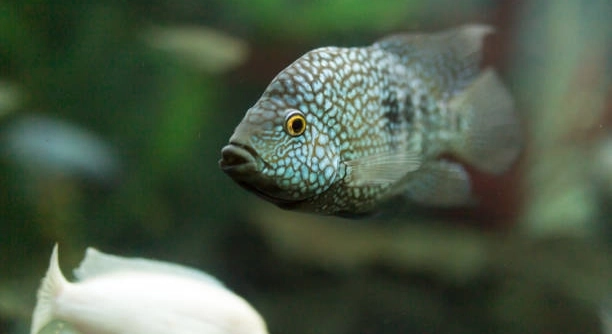
Dempsey breeding pairs can be sensitive to changes in their environment and routine. Even small disruptions can cause stress and affect their behavior. Understanding what upsets these fish is key to keeping them healthy and harmonious.
Common situations that upset Dempsey breeding pairs include sudden changes in water temperature, poor water quality, overcrowding, frequent handling, aggressive tank mates, improper diet, and excessive noise or movement near the tank. Each factor can directly impact their stress levels and breeding success.
Recognizing these stressors early helps maintain a peaceful environment and supports the natural behavior of your Dempsey pairs. Proper care ensures their long-term health and breeding potential.
Sudden Changes in Water Temperature
Dempsey breeding pairs are very sensitive to sudden temperature shifts. Even a few degrees difference can cause stress, making them less likely to breed and more prone to aggression. I noticed that when my tank heater malfunctioned for just a few hours, one of my females hid for the entire day. Maintaining a stable environment is crucial, especially during the breeding period. Frequent checks and using a reliable heater can prevent unexpected temperature drops or spikes. Avoid placing the tank near windows, vents, or heating sources where fluctuations can occur. Small adjustments should be made gradually, allowing the fish to acclimate without shock. Stress from temperature changes can also weaken their immune system, leading to illness. I now record the temperature twice daily and keep a backup thermometer in case of failure. This simple habit ensures my breeding pairs remain calm, healthy, and ready for mating without unnecessary disruption.
Even minor temperature shifts can reduce breeding success. Consistency helps Dempseys stay healthy and calm.
Stable water temperature creates a stress-free environment that supports natural breeding behaviors. Gradual changes, careful monitoring, and proper equipment prevent agitation. This allows both males and females to display normal activity, build nests, and interact without unnecessary tension. Over time, a consistently regulated tank promotes stronger, healthier offspring and reduces risks of disease caused by stress.
Poor Water Quality
Dirty or improperly filtered water directly affects Dempsey pairs. Ammonia, nitrites, and nitrates can build up quickly, causing discomfort and stress. Fish may become lethargic or overly aggressive if their water quality is poor. I learned this the hard way when I delayed a water change, and my male became unusually defensive toward the female. Frequent testing and partial water changes keep parameters safe. Using quality filtration and avoiding overfeeding also helps maintain clarity and balance. A clean environment encourages natural behavior, including breeding and territory-building. Observing the fish daily helps detect early signs of stress, such as clamped fins or unusual hiding. Maintaining optimal water conditions is not just about appearance—it’s essential for their overall health, reproductive success, and long-term survival. Consistency and attention to detail in water maintenance reduce stress and allow Dempseys to thrive without behavioral disruptions.
Regular water checks prevent stress and support breeding success. Consistent care is essential.
Maintaining clean, balanced water is critical for Dempsey pairs. Overfeeding increases waste, while weak filtration allows harmful chemicals to accumulate. Daily observation ensures early signs of stress are detected. Partial water changes of 20–30 percent weekly help stabilize parameters. Clean tanks reduce aggression and lethargy, encouraging normal mating behaviors. Investing time in water maintenance strengthens their immune system, making them more resilient to disease. Avoid overcrowding to prevent excessive waste, and ensure all equipment functions properly. By providing a stable, clean environment, both males and females can focus on nesting, courting, and protecting their territory naturally. A well-maintained tank allows for calmer interactions and higher breeding success, minimizing unnecessary stress and creating a supportive habitat for your Dempsey pairs.
Overcrowding
Too many fish in a tank increases stress and aggression among Dempsey pairs. Limited space makes it difficult for them to establish territories, leading to constant conflicts. I had a tank with extra juveniles, and the male spent most of his time chasing intruders instead of focusing on the female.
Overcrowding affects both behavior and health. When the tank is too full, water quality deteriorates faster, adding another layer of stress. Breeding pairs may avoid each other or fail to build nests properly. Territorial disputes become frequent, and injuries can occur. I solved this by moving excess fish to separate tanks, which immediately reduced tension. The Dempseys started showing natural courtship behavior again, and the female seemed less stressed. Each pair benefits from having enough room to move, hide, and interact without constant interference from other fish.
Providing adequate space allows Dempseys to focus on mating rather than defense. Each pair requires enough territory to establish dominance and protect their eggs. Overcrowded tanks lead to unnecessary fights and reduced breeding success. Separate tanks or larger setups create calmer interactions. Once I rearranged my tanks, the pairs became more predictable and cooperative. Hiding spots, plants, and structured areas also help reduce tension. Observing them in a spacious environment shows calmer, healthier behavior. Maintaining proper density ensures the male can guard the nest, the female can rest safely, and offspring development occurs without disruption. Space directly influences breeding success, health, and overall stress levels.
Frequent Handling
Handling Dempsey pairs too often stresses them and interrupts natural behavior. I noticed that when I cleaned the tank while holding the fish, both became defensive and hid for hours. Minimal contact is essential to reduce agitation.
Excessive handling disrupts their routine and can trigger aggressive responses. Fish may mistake movements outside the tank as threats, which heightens stress. Even moving decorations or nets too close can cause anxiety. I now limit handling to essential tasks, such as water changes or medical care. Using tools instead of hands whenever possible helps maintain calm. This approach allows the pair to focus on courtship and territory rather than reacting to disturbances. Controlled handling keeps stress levels low and supports normal breeding behavior, ensuring both health and reproductive success.
Consistent minimal handling creates a predictable environment for Dempseys. Sudden or frequent interactions interfere with nesting, mating, and territorial defense. By limiting contact to essential tasks and using tools when needed, fish remain calmer and more responsive to natural instincts. I noticed that reducing handling improved their cooperation and reduced aggressive incidents. A careful, hands-off approach helps the female feel safe and the male remain vigilant over the nest. Predictable routines reduce stress-induced health issues, leading to a smoother breeding cycle and healthier offspring. Proper handling is as important as water quality or space in maintaining harmony.
Aggressive Tank Mates
Introducing aggressive or incompatible fish can stress Dempsey pairs. I once added a territorial cichlid to my community tank, and my Dempseys spent most of the day hiding. Keeping peaceful or compatible tank mates prevents unnecessary fights and helps maintain calm.
Aggressive fish can attack or chase Dempseys, interrupting breeding behavior. They may damage fins, scare the female from the nest, or trigger defensive aggression in the male. I now separate breeding pairs from any potentially hostile fish. Providing a safe, controlled environment ensures both fish remain focused on territory and courtship rather than constant defense.
Improper Diet
Feeding Dempseys a poor diet affects energy levels, health, and breeding behavior. I noticed my female became lethargic when I relied mostly on flakes instead of variety. Proper nutrition is essential to support reproduction and maintain vitality.
Excessive Noise
Loud or constant noise near the tank disturbs Dempsey pairs. Vibrations or sudden sounds can make them retreat or act defensively. Keeping the environment quiet and stable reduces stress and supports natural behavior.
FAQ
How do I know if my Dempsey breeding pair is stressed?
Stressed Dempseys often hide, display clamped fins, or act aggressively. I noticed my male became unusually territorial and chased the female constantly when something was off. Other signs include reduced appetite, lethargy, and erratic swimming. Observing daily behavior helps catch stress early before it affects breeding.
What is the ideal water temperature for breeding Dempseys?
The best range is usually 78–82°F (25–28°C). I maintain my tank at 80°F, which keeps both fish active without causing stress. Sudden changes even by a few degrees can disrupt mating behavior, so I monitor the thermometer twice daily. A stable heater and backup thermometer are essential.
How often should I change the water?
Weekly partial water changes of 20–30 percent work well. I noticed my pairs calm down immediately after a change, as water quality directly impacts their health. Overfeeding can make changes necessary more often. Testing ammonia, nitrites, and nitrates ensures the water remains safe for breeding.
Can tank size affect breeding behavior?
Yes. I learned that a 55-gallon tank gave my pair enough space to establish territory. Overcrowding leads to aggression, stress, and failed mating attempts. Hiding spots, plants, and decorations allow them to feel secure, reducing fights and encouraging natural behavior. Proper space is crucial for nest building.
What should I feed my Dempseys for successful breeding?
A varied diet with high-quality pellets, live or frozen foods like brine shrimp and bloodworms keeps them healthy. I noticed females respond better to courtship when their diet includes protein-rich foods. Feeding small amounts multiple times a day maintains energy without polluting the tank.
How do I prevent aggression between the pair?
Providing territory, hiding spaces, and limiting external stress helps. I noticed aggression drops significantly when decorations and caves divide the tank. Avoiding frequent handling and aggressive tank mates also reduces fights. Sometimes minor scuffles happen, but proper space and monitoring usually keep it under control.
Is it normal for Dempseys to ignore each other sometimes?
Yes. During stress, illness, or environmental changes, pairs may separate temporarily. I noticed my female hide for hours after a minor water temperature change. Patience is key. Ensure water quality, temperature, and diet are stable, and interactions usually return to normal.
Can external noise affect breeding success?
Yes. Loud or sudden sounds, vibrations, and movement near the tank can make Dempseys defensive or fearful. I keep my breeding tank in a quiet area away from doors and heavy traffic. A calm environment encourages courtship and nest guarding.
How do I handle eggs and fry without stressing the parents?
Minimal interference is crucial. I avoid touching the eggs unless absolutely necessary. If I must remove fry, I do it gently and quickly using a net. Maintaining excellent water quality and separating aggressive pairs prevents the parents from being disturbed.
What are signs that the pair is ready to breed?
The male becomes more colorful and protective, and the female shows rounded belly and nest interest. I noticed my male guarding the chosen area, flaring fins, and nudging the female. These behaviors indicate readiness and low stress, which is essential for successful reproduction.
Can improper diet or poor water quality prevent breeding?
Yes. Poor nutrition or high ammonia levels reduce energy and interest in mating. I learned that even minor neglect in feeding or water maintenance delayed spawning. Maintaining a balanced diet and stable water parameters supports natural breeding behavior and increases the likelihood of healthy fry.
How can I reduce stress during routine maintenance?
I use nets and tools instead of hands, perform changes gradually, and avoid sudden movements near the tank. Predictable schedules for feeding and cleaning help the Dempseys adjust. Keeping interactions minimal reduces aggression and ensures both fish remain focused on nesting and courtship.
What should I do if aggression escalates?
Separate the pair temporarily if injuries occur or stress becomes severe. I once had to move my male to a temporary tank until the female recovered from minor fin damage. Ensuring hiding spaces, proper water quality, and minimal disturbance helps restore calm when they return.
How do I create a calm environment for breeding?
Stable water temperature, clean water, adequate space, hiding spots, and minimal noise are essential. I also avoid adding new fish or moving decorations during breeding. This combination of factors allows the Dempseys to focus on territory, courtship, and raising fry without unnecessary stress.
Can lighting affect breeding behavior?
Yes. I use consistent lighting with a 10–12 hour day cycle. Sudden changes or overly bright lights can stress Dempseys. Dimmed or natural light encourages natural behavior, while maintaining a routine helps regulate activity and reduces defensive aggression during breeding.
How do I know if my breeding pair is compatible?
Compatibility shows through calm interactions, mutual nest building, and low aggression. I noticed my pairs that were incompatible constantly chased each other and ignored nesting areas. Observing behavior over time helps determine if the male and female will successfully mate or require separation.
Are there signs of stress specific to females?
Yes. Females may hide frequently, refuse food, or swim erratically when stressed. I observed my female lose color and avoid the male temporarily after a water temperature fluctuation. Ensuring stable water and minimal disturbances restores her confidence and willingness to participate in breeding.
Are there signs of stress specific to males?
Males may flare excessively, attack decorations, or chase the female constantly. I noticed my male become more aggressive when the tank was overcrowded. Providing space, hiding spots, and removing aggressive tank mates usually reduces tension and restores natural courtship behavior.
How long should I wait between breeding cycles?
I typically allow at least 4–6 weeks for recovery, depending on the health of the female. Overbreeding can cause stress, reduce fertility, and weaken the fish. During recovery, maintaining excellent water quality and nutrition ensures both are ready for the next cycle.
Can I mix Dempseys with other species during breeding?
It is risky. Aggressive or fast-moving species can stress pairs and disrupt spawning. I keep breeding pairs in a separate tank or carefully monitored environment. Peaceful companions may work, but careful observation is necessary to prevent fights and ensure successful reproduction.
What is the best way to monitor fry without disturbing parents?
Using a tank divider or separate nursery works well. I rarely open the breeding tank once eggs are laid. Minimal interaction and gentle observation ensure parents remain calm and focused on protecting and feeding the fry. Stress-free monitoring is key to survival.
How do I prevent disease during breeding?
Maintaining clean water, a balanced diet, and minimal stress reduces disease risk. I quarantine new fish and monitor health closely. Avoid overcrowding and overfeeding. Early detection and intervention help prevent illness, ensuring both parents and fry remain healthy throughout the breeding process.
What is the most common mistake new breeders make?
Overhandling, overcrowding, and neglecting water quality are frequent issues. I learned that even small mistakes, like moving decorations too often or feeding improperly, can disrupt breeding. Consistency, careful observation, and patience create the conditions Dempseys need to thrive.
How do I know if breeding was successful?
Successful breeding shows eggs in the nest and attentive parental care. I observed my male guarding while the female tended the eggs. Fry hatching within a week or two confirms healthy reproduction. Maintaining ideal conditions increases survival rates and reduces stress for both parents and offspring.
How can I reduce stress if a pair fights?
Immediate separation and ensuring each has hiding spaces work best. I once had to move my female temporarily, which calmed the male. After a few days, they could be reintroduced safely. Reducing environmental stressors also prevents future conflicts.
How important is routine for Dempsey breeding pairs?
Routine is very important. Regular feeding, consistent water changes, and stable lighting reduce stress and encourage natural behavior. I noticed my pairs were calmer and more cooperative when their schedule was predictable. Consistent routines support courtship, nesting, and fry survival.
What signs indicate successful fry development?
Active, evenly sized fry and attentive parental care indicate success. I observed fry swimming confidently while the parents patrolled the tank. Uneven growth or lethargy can suggest stress or poor water quality, so monitoring conditions and maintaining a calm environment is crucial for healthy development.
Can external stressors affect multiple breeding cycles?
Yes. I noticed consecutive disturbances, like loud noise or poor water quality, delayed future breeding attempts. Chronic stress weakens immunity and reduces fertility. Maintaining consistent care, space, and environment ensures pairs recover fully between cycles and remain productive over time.
How do I balance feeding adults and fry?
Adults need protein-rich meals, while fry require finely crushed foods or specialized fry food. I feed small portions multiple times a day to prevent aggression and maintain water quality. Separating feeding areas or using a divider helps reduce stress and ensures all fish get proper nutrition.
Are hiding spots necessary during breeding?
Absolutely. Caves, plants, and decorations give Dempseys security. I noticed both fish act calmer and show more natural courtship behaviors when they have safe areas. Hiding spots reduce aggression, protect fry, and encourage the female to rest without constant male interference.
How do I maintain calm during tank cleaning?
Clean slowly, avoid sudden movements, and minimize contact. I use nets for plants and decorations, changing water gradually. Keeping noise and vibration low reduces stress and allows the pair to continue breeding without interruption or defensive behavior.
What should I do if one fish becomes sick during breeding?
Separate the sick fish immediately, treat according to guidelines, and monitor the healthy fish closely. I once quarantined a female with minor fin damage, which prevented infection spread and allowed the male to remain calm. Prompt action ensures minimal disruption to breeding behavior.
How do I know when to stop interfering with the breeding pair?
Interfere only when necessary for health or water maintenance. I limit handling, feeding adjustments, and tank changes during sensitive periods. Over-intervention increases stress, reduces courtship activity, and can negatively impact fry survival. Observing from a distance is often the best approach.
Can stress affect color in Dempseys?
Yes. Stress often causes duller colors in both males and females. I noticed my female lost vibrancy after a sudden temperature drop. Stable water, proper diet, and minimal disturbances restore natural coloration and indicate reduced stress and readiness to breed.
What are signs of a healthy breeding environment?
Calm, active fish, clean water, visible nesting areas, and attentive parental care indicate a healthy setup. I monitor behavior daily, ensuring both fish display normal activity. Regular checks and consistent routines maintain ideal conditions for successful reproduction.
How do I handle unexpected aggression during breeding?
Immediate separation and environmental adjustments help. I once moved the male temporarily after repeated attacks. Adding hiding spots and reducing disturbances prevents escalation and allows the pair to resume normal breeding behavior safely.
What long-term habits support multiple successful breeding cycles?
Consistent water maintenance, proper nutrition, minimal handling, stable lighting, and sufficient space create conditions for repeated success. I found that predictable care reduces stress, encourages natural behavior, and ensures healthy offspring over several cycles.
Can temperature fluctuations affect fry survival?
Yes. Even small changes can stress eggs or fry. I maintain a consistent 80°F and monitor daily. Stable conditions increase hatching success, reduce disease risk, and allow fry to grow without interruption from environmental stressors.
Is observation necessary during breeding?
Yes, but minimal. I watch for stress, aggression, or health issues without disturbing the pair. Observing from a distance ensures problems are noticed early while keeping the environment calm and supportive for natural breeding behaviors.
How do I prevent accidental harm to fry?
Keep adults calm, avoid overhandling, and maintain hiding areas. I separate fry if aggression occurs or water changes risk disruption. Stable water and minimal disturbance protect the young while allowing natural parental care to continue safely.
How important is tank location for breeding success?
Very important. I place tanks in quiet, low-traffic areas with stable lighting and no drafts. Reducing environmental stress ensures Dempseys focus on courtship, nesting, and fry care, rather than reacting to external disturbances.
Can stress impact egg fertility?
Yes. Stress lowers the female’s fertility and can lead to unfertilized eggs. I noticed better results when maintaining calm, stable conditions with minimal handling and proper nutrition. Supporting both fish reduces the risk of failed spawning attempts.
How do I recognize signs of aggression versus normal courtship?
Courtship includes nudging, flaring fins, and guarding the nest calmly. Aggression involves constant chasing, biting, or repeated attacks. I observe patterns over time; if behavior escalates beyond normal interaction, intervention or separation may be necessary to prevent injury.
What tools help reduce stress during maintenance?
Nets, siphons, and gentle scrapers minimize direct contact. I avoid hands whenever possible. These tools allow cleaning and water changes while keeping the pair calm and focused on breeding rather than reacting defensively to disturbances.
How long do Dempseys typically guard eggs?
Males guard for about 7–10 days until fry hatch. I monitor from a distance to ensure the male remains attentive and the female stays safe. Disturbances during this period can increase stress and reduce fry survival rates.
How do I maintain stable water parameters?
Regular testing, partial water changes, and proper filtration keep ammonia, nitrite, and nitrate levels safe. I also avoid sudden additions or chemical treatments unless necessary. Stable parameters reduce stress and promote consistent breeding behavior.
Are tank decorations important for breeding success?
Yes. Caves, rocks, and plants provide hiding spots and define territories. I noticed calmer interactions when each fish had its own area. Proper decoration reduces aggression, encourages courtship, and protects fry from unnecessary stress.
Can light and noise together increase stress?
Yes. Sudden bright light combined with loud sounds can trigger hiding, aggression, or reduced activity. I maintain a consistent lighting schedule in a quiet location, which keeps my Dempseys calm and focused on breeding.
What do I do if one parent becomes too aggressive toward the fry?
Separate the aggressive parent temporarily and provide hiding spaces for the fry. I observed that minimal handling and stable conditions allow both parents to regain calm, ensuring fry survival and continued parental care.
How important is consistency in feeding times?
Very. Predictable feeding reduces stress, prevents aggression, and maintains energy for breeding. I feed small portions twice daily and avoid sudden changes. Consistent nutrition supports courtship, egg production, and fry development.
Can changes in tank layout affect breeding?
Yes. I noticed that moving decorations or hiding spots too often caused stress and disrupted nesting. Maintaining a consistent layout allows Dempseys to establish territories, build nests, and interact naturally. Sudden changes should be gradual to minimize agitation.
Is water hardness important for Dempsey breeding?
Yes. Slightly hard, neutral to alkaline water encourages egg development. I test parameters regularly and adjust if necessary. Consistent hardness supports both parental health and fry survival, ensuring successful breeding cycles.
What are signs of fry readiness to swim freely?
Fry become active, explore the tank, and follow food. I observed this around 5–7 days after hatching. Calm, attentive parents and stable water parameters help fry transition smoothly without stress or predation risk.
How do I prevent fungal infections on eggs?
Clean water, gentle aeration, and minimal handling reduce risk. I monitor eggs daily, removing any that appear cloudy or infected to protect the healthy clutch. Maintaining stable temperature and low stress ensures better hatching success.
Can stress affect Dempsey lifespan?
Yes. Chronic stress from poor environment, overcrowding, or frequent handling can weaken immunity, reduce breeding potential, and shorten life. I focus on stable, calm conditions to promote long-term health and successful reproduction.
How do I know when to introduce fry to the main tank?
Only after they are strong swimmers and large enough to avoid being eaten. I separate them for several weeks, ensuring they are healthy and independent. Gradual introduction minimizes stress and increases survival chances.
What is the impact of frequent tank changes on breeding pairs?
Frequent or abrupt changes disrupt routine, increase stress, and reduce breeding activity. I schedule water changes and cleaning carefully, keeping movements slow and predictable. Consistency helps Dempseys remain focused on nesting and fry care.
Can stress affect coloration of fry?
Yes. Fry may appear dull or pale if stressed. Stable water, minimal disturbances, and attentive parental care help maintain natural coloration and healthy development. I monitor fry daily to ensure their environment supports growth.
How important is hiding space for fry survival?
Critical. Without hiding spots, fry risk being attacked by adults or stressed by environmental factors. I provide small plants, rocks, and safe zones, allowing fry to explore safely while parents maintain territory and care for the eggs.
How do I encourage a male to guard without over-stressing the female?
Provide separate hiding spots and territory markers. I noticed that when the female had a safe area, the male guarded calmly without chasing her constantly. Proper space and minimal disturbance balance care and stress levels.
Can stress affect future breeding cycles?
Yes. Chronic stress reduces fertility and courtship behavior. I maintain calm, stable conditions and adequate recovery periods to ensure each cycle is successful, allowing both parents to regain energy and health for subsequent breeding.
What is the best way to observe Dempseys during breeding?
Watch quietly from a distance without tapping on the glass or making sudden movements. I take notes on behavior, aggression, and nesting without interfering, allowing the pair to act naturally while monitoring their health and interaction.
How do I balance adult care with fry care?
Feed adults protein-rich meals and provide fry-specific food separately. I use dividers or small feeding areas to prevent aggression and ensure nutrition for both adults and fry. Proper feeding routines reduce stress and improve survival rates.
What environmental factors most influence Dempsey breeding success?
Stable water, adequate space, proper diet, minimal noise, consistent lighting, and hiding spots are key. I prioritize these elements to maintain calm, healthy, and cooperative breeding pairs, directly improving egg and fry survival.
How do I reduce the risk of injury during courtship?
Provide space, hiding spots, and separate aggressive individuals if needed. I monitor closely, ensuring both fish remain active but not overly aggressive. This balance supports natural behavior and prevents injuries during breeding.
What is the recommended tank size for a breeding pair?
A minimum of 55 gallons allows territory, hiding spots, and free movement. I noticed smaller tanks led to stress and aggression. Adequate space improves courtship, nest building, and fry survival, creating an ideal environment for Dempseys.
How do I handle unexpected environmental stressors?
Address changes gradually, restore stability, and monitor behavior. I once had
Final Thoughts
Caring for Dempsey breeding pairs requires attention, patience, and consistency. These fish are sensitive to changes in their environment, and even small disruptions can lead to stress or aggression. Maintaining stable water parameters, a proper diet, and adequate tank space are fundamental to keeping both the male and female calm and healthy. I have found that observing their daily behavior closely helps catch early signs of stress, such as hiding, clamped fins, or unusual aggression. Addressing these issues immediately prevents long-term problems and supports natural breeding behavior. Over time, a stable routine and careful monitoring create a balanced environment where both fish can thrive and interact naturally.
Providing a peaceful, predictable environment directly influences the success of breeding. Sudden changes in water temperature, aggressive tank mates, overcrowding, or excessive handling can easily upset Dempsey pairs, reducing their willingness to mate or care for eggs. I make sure to introduce any changes gradually, such as rearranging tank decorations or adjusting water parameters, to minimize stress. Giving each pair adequate territory, hiding spaces, and consistent lighting helps reduce conflicts and encourages courtship behavior. Proper nutrition is also key; a varied, protein-rich diet keeps the fish energetic and supports egg production and fry development. Combining all these factors ensures that breeding pairs remain calm, healthy, and focused on raising their offspring.
Ultimately, success with Dempsey breeding pairs comes from consistent care and understanding their needs. Patience is essential, as even small mistakes can have a noticeable impact on behavior and breeding success. I have learned that minimizing disturbances, maintaining clean water, and providing a stable environment makes a significant difference in their health and reproductive output. Observing interactions without interference allows natural behavior to continue, and separating aggressive or stressed fish when necessary protects both the parents and the fry. By creating a calm, well-maintained habitat and following predictable routines, Dempsey breeding pairs can thrive, and the chances of healthy, strong fry increase. Consistency, attention to detail, and careful observation are the most important factors for anyone aiming to successfully care for and breed these sensitive fish.

Hello,
If you enjoy the content that we create, please consider saying a "Thank You!" by leaving a tip.
Every little bit helps us continue crafting quality advice that supports the health, happiness, and well-being of pets around the world, for pets of all shapes, sizes, and species.
We really appreciate the kindness and support that you show us!